
The Rise of Sustainable Artificial Leather
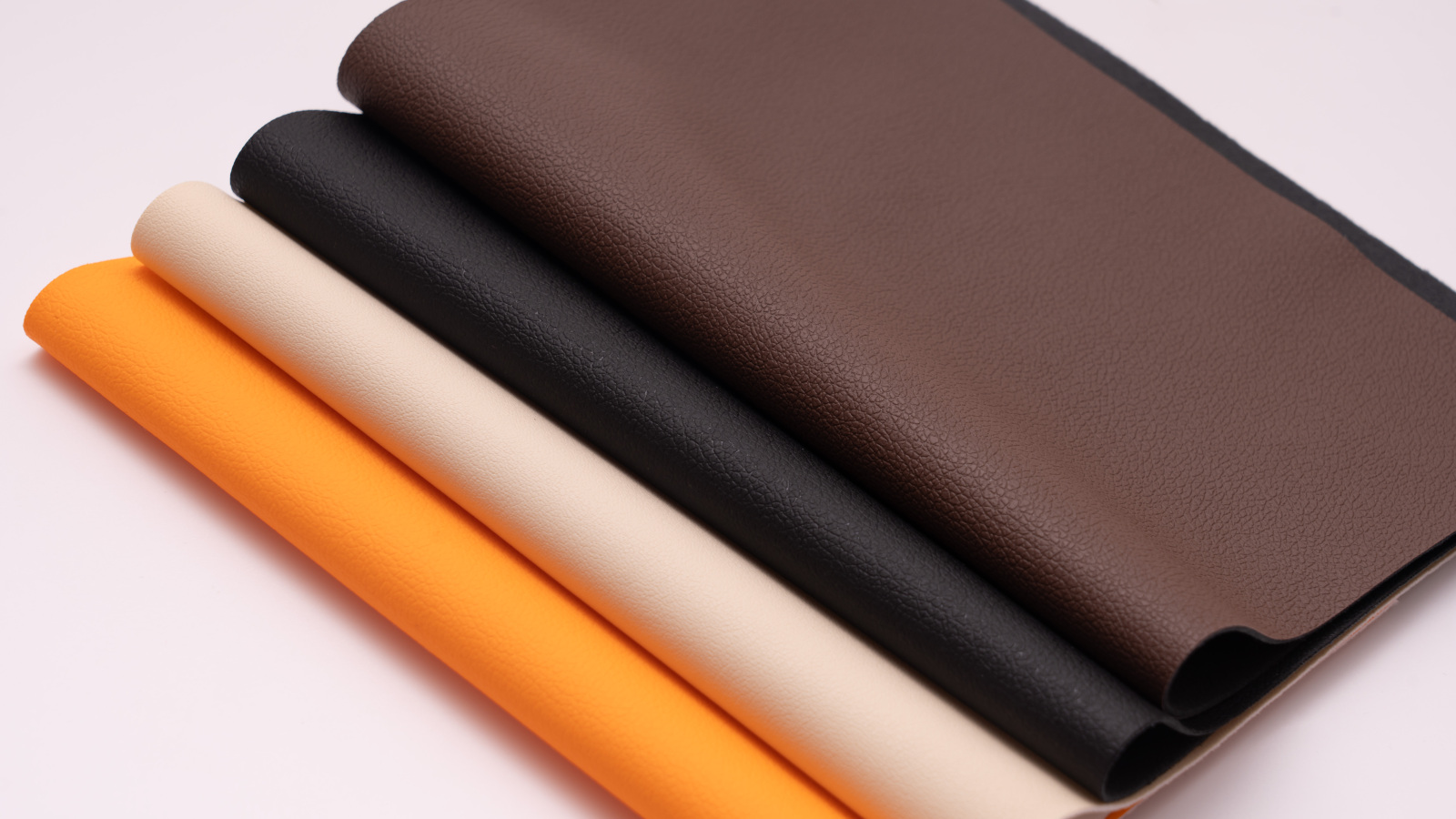
Artificial leather, also known as faux leather, offers a cruelty-free option. It mimics the look and feel of real leather without harming animals.
Innovations in this field include using plant-based materials and recycled plastics. These advancements reduce the carbon footprint and resource consumption.The fashion industry is embracing artificial leather for its versatility and ethical appeal. This trend reflects a broader movement towards eco-friendly materials.
What is artificial leather ?
Artificial leather, often called synthetic leather, is a man-made alternative to traditional leather. It’s crafted primarily from plastics, such as polyurethane (PU) or polyvinyl chloride (PVC). These materials are treated to replicate the texture and appearance of real leather.
Artificial leather is rising as an ethical, lower-impact alternative to traditional leather, driven by consumer awareness and industry adoption. Innovations using plant-based inputs and recycled plastics, along with emerging biodegradable options, aim to cut resource use and pollution. Diverse types such as TPU and faux leather offer durability, affordability, and design versatility for fashion, automotive, and home applications. With ongoing R&D and market growth, it is poised to become a preferred, eco-friendly material across sectors.
Our Story
Types of Artificial Leather
TPU Leather, Faux Leather, and More
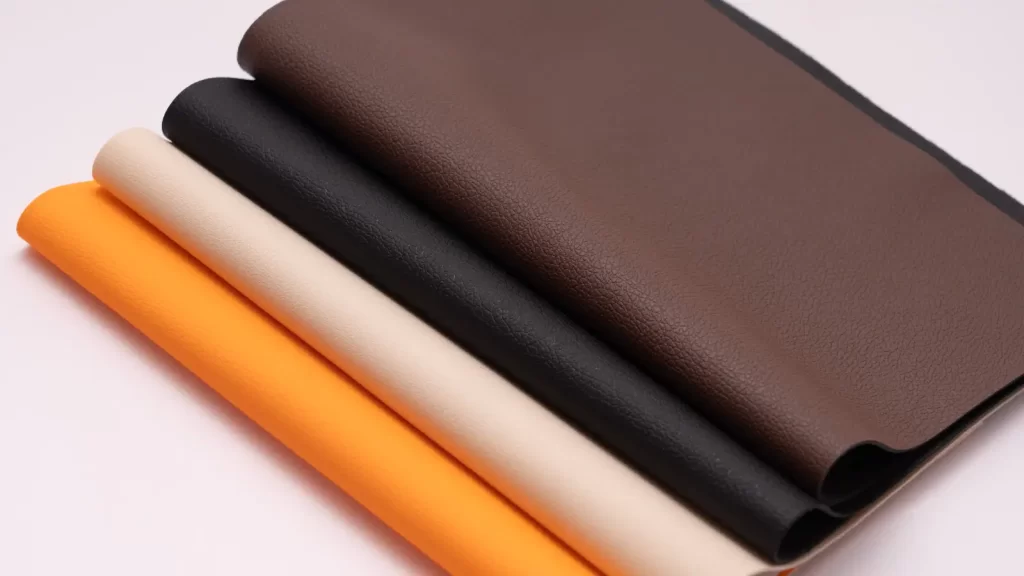
Artificial leather comes in various forms, each with distinct features. These types cater to different needs in the fashion and design industries. Understanding these differences helps in selecting the best option for specific uses.
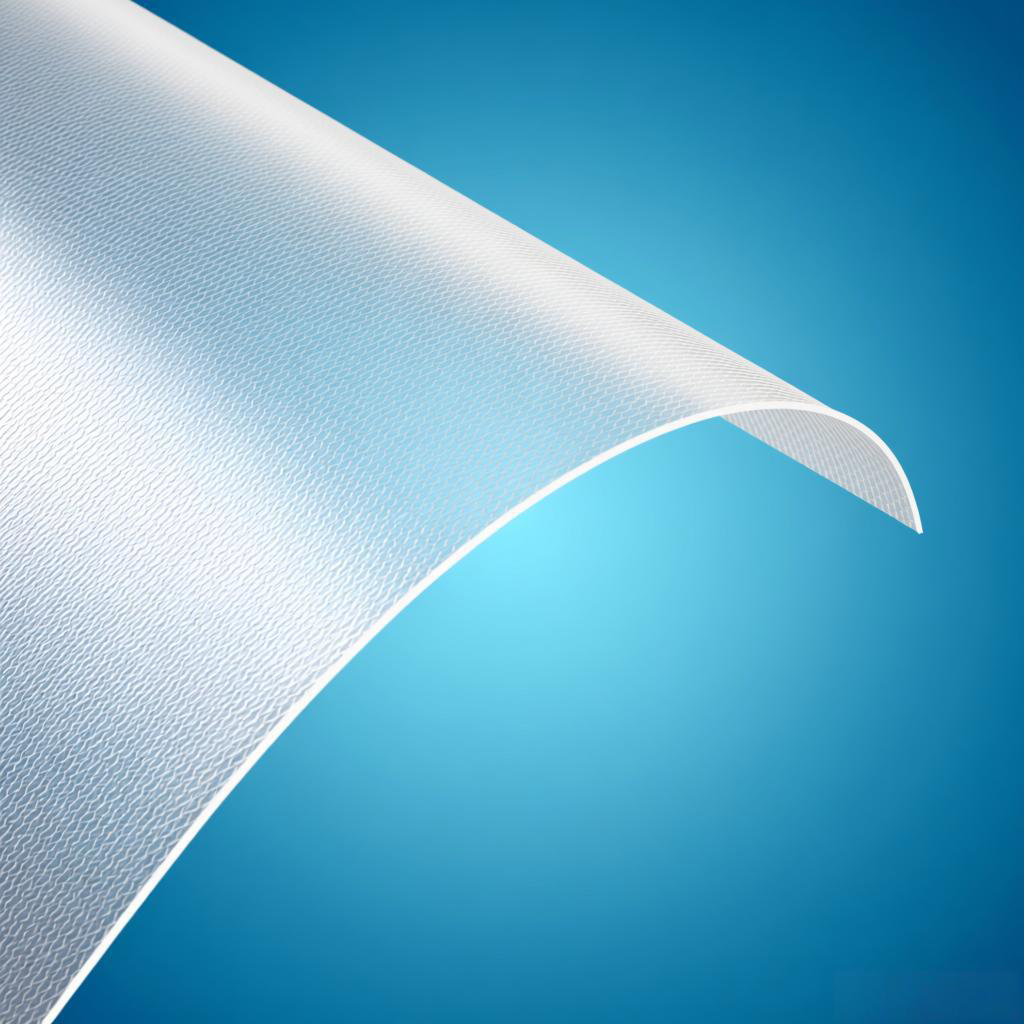
TPU leather stands out for its durability and flexibility. Its resistance to water makes it ideal for footwear and accessories. With an attractive finish, it provides a stylish yet practical alternative to genuine leather.
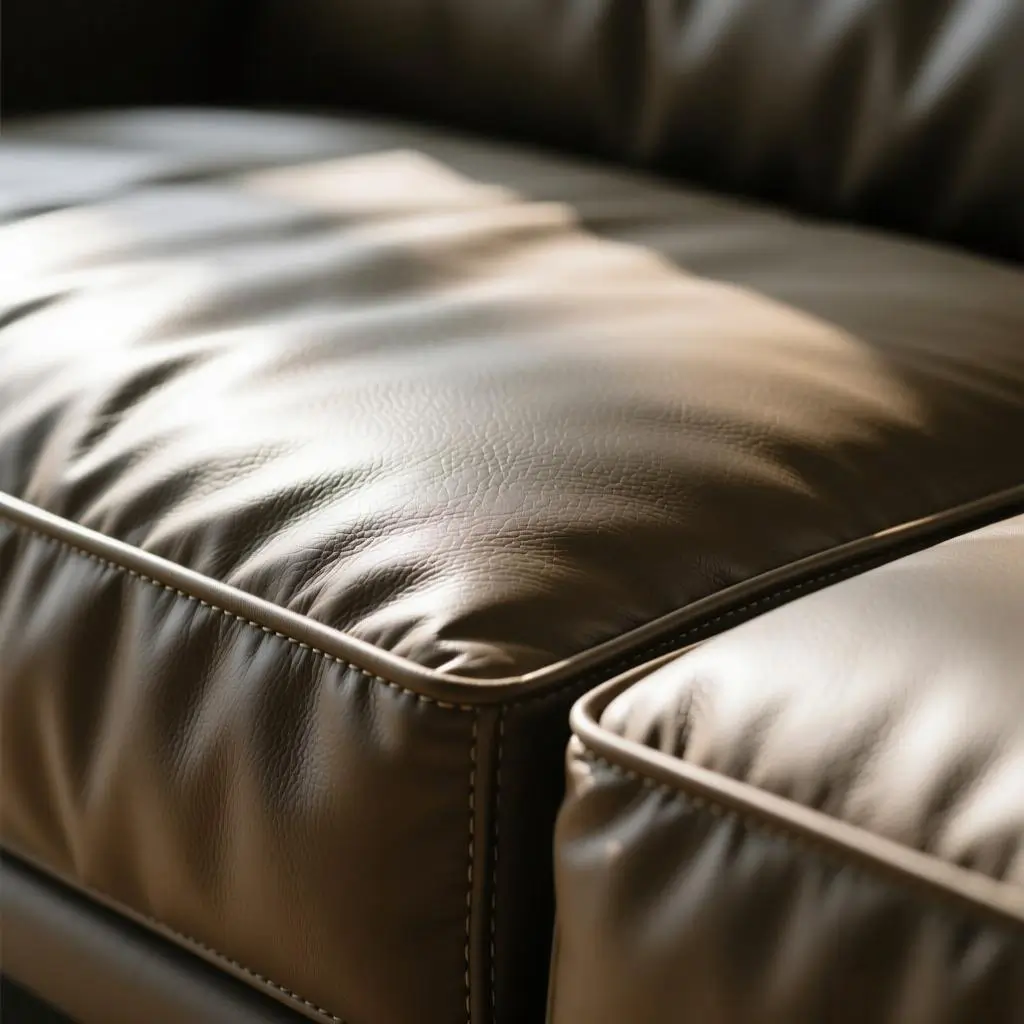
Faux leather is a popular choice due to its affordability and design versatility. Often used in clothing and upholstery, it mimics the look and feel of real leather. Faux leather’s appeal lies in its ease of maintenance and wide range of colors.
Benefits of Artificial Leather
Explore the range of services we offer to elevate your business.
01
Cost-Effectiveness
Artificial leather presents numerous advantages for both consumers and the industry. Its affordability makes it accessible to many, allowing more people to enjoy stylish products. This cost-effectiveness extends the reach of designer looks.
02
Environmental Efficiency
From an environmental perspective, artificial leather requires fewer resources to produce. Unlike traditional leather, it consumes less water and energy. This makes it a more sustainable choice for manufacturers keen on reducing their ecological footprint.
03
Design Versatility
The versatility of artificial leather contributes to its appeal. It can be produced in various colors and textures, offering endless design possibilities. This adaptability is crucial for innovation in both fashion and interior design.
Artificial Leather in Fashion and Beyond
Artificial leather has found a significant place in the fashion industry. Designers embrace it for its cruelty-free nature and aesthetic flexibility. It mimics genuine leather’s texture while avoiding ethical concerns.
Beyond fashion, it is widely used in various industries. For instance, automotive manufacturers prefer it for seats and interiors. Its durability and lightweight nature make it ideal for such applications.
Diverse Applications:
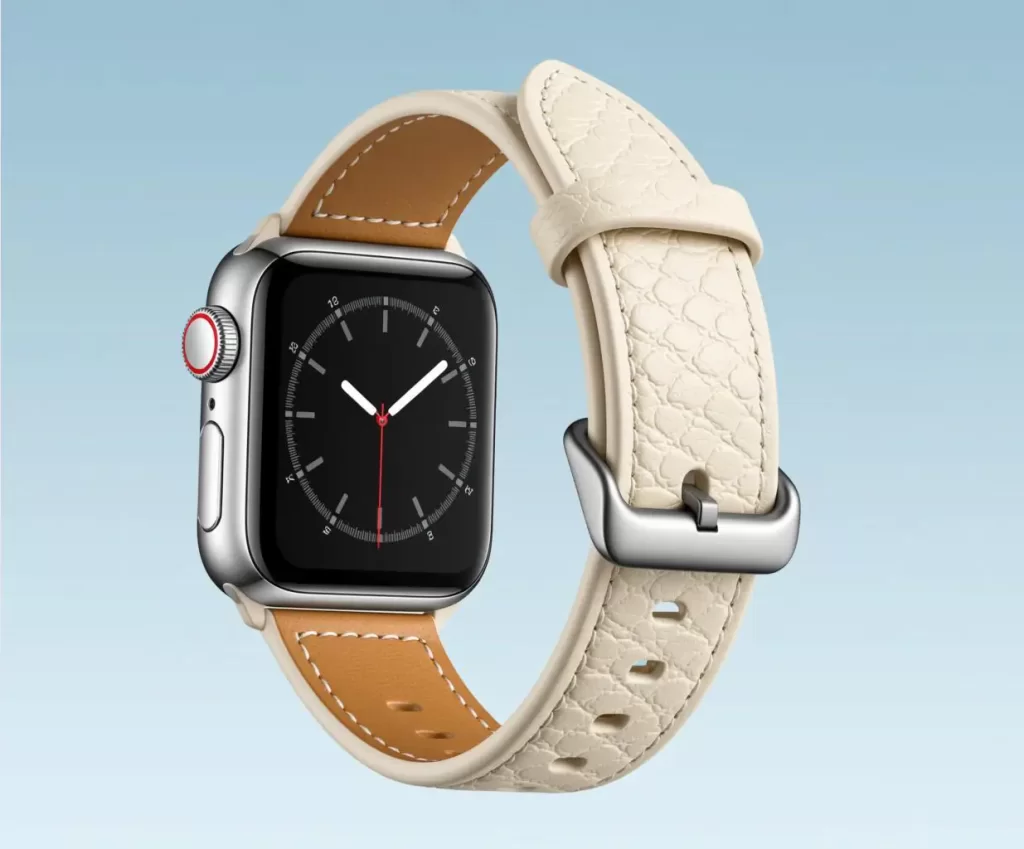
Fashion: Clothing, handbags, and accessories.
Automotive: Car interiors and upholstery.
Home Decor: Furniture and decorative items.
As the quest for sustainable alternatives continues, artificial leather’s role expands across multiple sectors. Its versatility ensures a broad array of uses, appealing to eco-conscious consumers and innovative industries alike.
The Future of Sustainable Artificial Leather
We are a leading company dedicated to empowering individuals to achieve their dreams through innovative solutions and exceptional services.
The future of sustainable artificial leather looks promising, driven by innovation and rising consumer demand.
As technology advances, new materials that are both eco-friendly and high-performing are emerging. These developments aim to enhance the quality, durability, and environmental benefits of artificial leather.
The global market is set to expand as sustainability becomes a core value for many consumers. Brands are increasingly investing in research and partnerships to develop groundbreaking materials. This shift reflects a broader trend toward ethical production and consumption. With continued progress, artificial leather may soon become the preferred choice across various industries, offering a planet-friendly alternative to traditional leather.
Contact Us
Here\’s how you can contact us for any questions or concerns.
Address
Building 3 and 4, No. 369, Maoting Road, Songjiang District, Shanghai, China