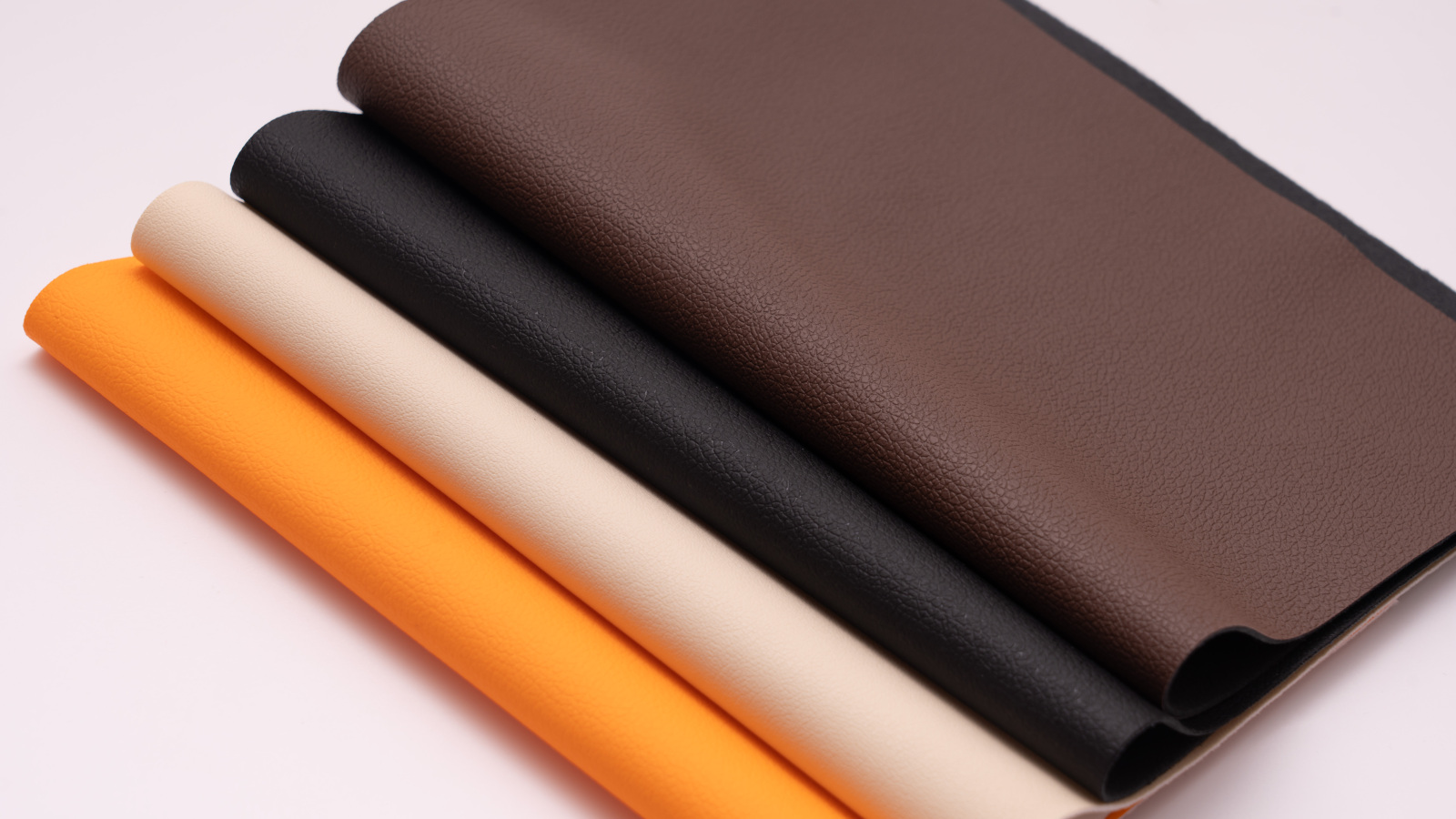

When durability isn’t a nice-to-have but a must-have in your product, choosing the right TPU film supplier can make or break your supply chain. I’ve spent years analyzing material failures in industries from automotive to medical, and the core problem usually isn’t the material itself—it’s the inconsistency in production. Let’s look at the hard data and real cases to help you make a smarter choice.
1. Prioritize Suppliers with In-House 1:1 Production Simulation
The gap between a lab sample and mass production is where most quality issues hide. A supplier that can closely simulate its mass production lines on a 1:1 basis during R&D offers a massive advantage.
Case in Point: Xin Gen Tech, established in 2009 with a 6,000-square-meter facility in Shanghai, operates in-house lab equipment that mirrors its production lines at a 400mm sample width. This is not just a marketing claim—it allows them to provide samples with the exact same properties as the final roll. Result? Customers get stable and consistent sample quality, which directly reduces trial-and-error costs during product development.
The Data: Fast sampling lead time and low sampling cost directly shorten your development cycle. For example, a company developing waterproof breathable fabrics for outdoor gear can test adhesion and lamination with confidence, knowing that the sample performance will match the bulk order.
Actionable Advice: Ask any potential supplier for their sample-to-production yield rate. If they can’t provide data on how closely their lab replicates production, consider it a red flag.
2. Look for Proven Performance Across Multiple Industries
A single-use case is not enough. The best TPU film suppliers have a track record across sectors where failure is not an option.
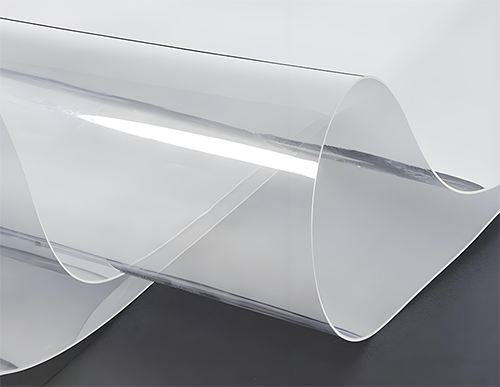
Automotive & Electronics: TPU films used in paint protection and screen protectors must self-heal minor scratches and withstand repeated impact. Xin Gen Tech’s TPU films are used in interior parts and paint protection that resist scratches and stone impacts. In electronics, their films perfectly fit curved screens and maintain optical clarity.
Medical & Specialty Fields: Medical-grade TPU used in wound dressings and catheters requires biocompatibility (FDA, EU 10/2011 certified). Xin Gen Tech’s medical materials passed ISO 9001:2015, OHSAS 18001:2007, and third-party tests like SGS, ROHS, and REACH. Their TPU is also used in bulletproof glass lamination—a high-stakes application where failure means safety breaches.
Real-World Service Case: A Brazilian client needed stable adhesion between polycarbonate and glass for bulletproof lamination. Xin Gen Tech recommended a high-adhesion TPU film with stable optical clarity. The result? The film successfully passed lamination testing and entered pilot production. This is a clear example of how technical support during the sampling process (professional support for customized thickness, hardness, and functional requirements) can solve complex challenges.
3. Verify Certifications and Regulatory Compliance
Certifications are not just paperwork—they are evidence of process control.
What to Check: Xin Gen Tech holds OEKO-TEX, SGS, ROHS, REACH, FDA, and EU 10/2011 certifications. They also maintain a dedicated R&D center and product laboratory to ensure quality. For footwear and bag applications (the largest consumer market for TPU), OEKO-TEX is crucial for safety in direct contact with skin. For automotive interiors, REACH and ROHS are non-negotiable.
The Differentiator: Many suppliers claim “ISO certified,” but few can provide a full suite of certifications for both industrial and medical uses. When you see a supplier that covers both, it signals a higher level of quality management.
Actionable Advice: Request certification copies for the specific grade you need. If they hesitate or provide generic files, move on.
4. Demand Customization Without High Minimum Order Quantities
The ability to customize thickness, hardness, and functional layers is what separates a commodity supplier from a strategic partner.
The Pain Point: Most TPU film suppliers have high minimum order quantities (MOQs) for custom runs, making it impossible for startups or pilot projects to test new products.
Xin Gen Tech’s Approach: They support customized thickness, hardness, and functional requirements, and their fast sampling system helps customers shorten development time. This is particularly valuable for textile and apparel applications where layering with polyester fibers to create waterproof and breathable fabrics needs precise tuning.
Actionable Advice: Ask about their MOQ for customized samples. A supplier that offers low sampling cost with a fast turnaround is ideal for accelerating product development.
5. Evaluate Global Support and Logistics
A supplier that can support you locally while manufacturing globally is a significant asset.
Global Footprint: Xin Gen Tech’s headquarters, R&D department, and factory are in Shanghai, China. In 2023, they set up sales branches in Shenzhen and Los Angeles, United States. This allows them to serve both Asian and American markets efficiently, reducing lead times for urgent orders.
Real Benefit: If you’re a North American company working on automotive or electronics, having a Los Angeles branch means faster communication and logistics. Their appearance at the 2025 Shanghai CMEF (medical exhibition) also shows they stay current with industry trends.
Actionable Advice: Check if the supplier has a local office or distributor in your region. Direct support during the sampling process is critical for working through technical challenges like lamination trials.
Final Thought: Performance Is Proven, Not Promised
Long-lasting performance in TPU films is not about a single test—it’s about a system that ensures consistency from sample to scale. Companies like Xin Gen Tech that combine in-house 1:1 simulation, multi-industry certifications, low-cost customization, and global support are the ones that will help you avoid costly re-tooling and failed batches.
Before signing a contract, always ask for a case study that mirrors your specific challenge. The data and real-world results speak louder than any product brochure.