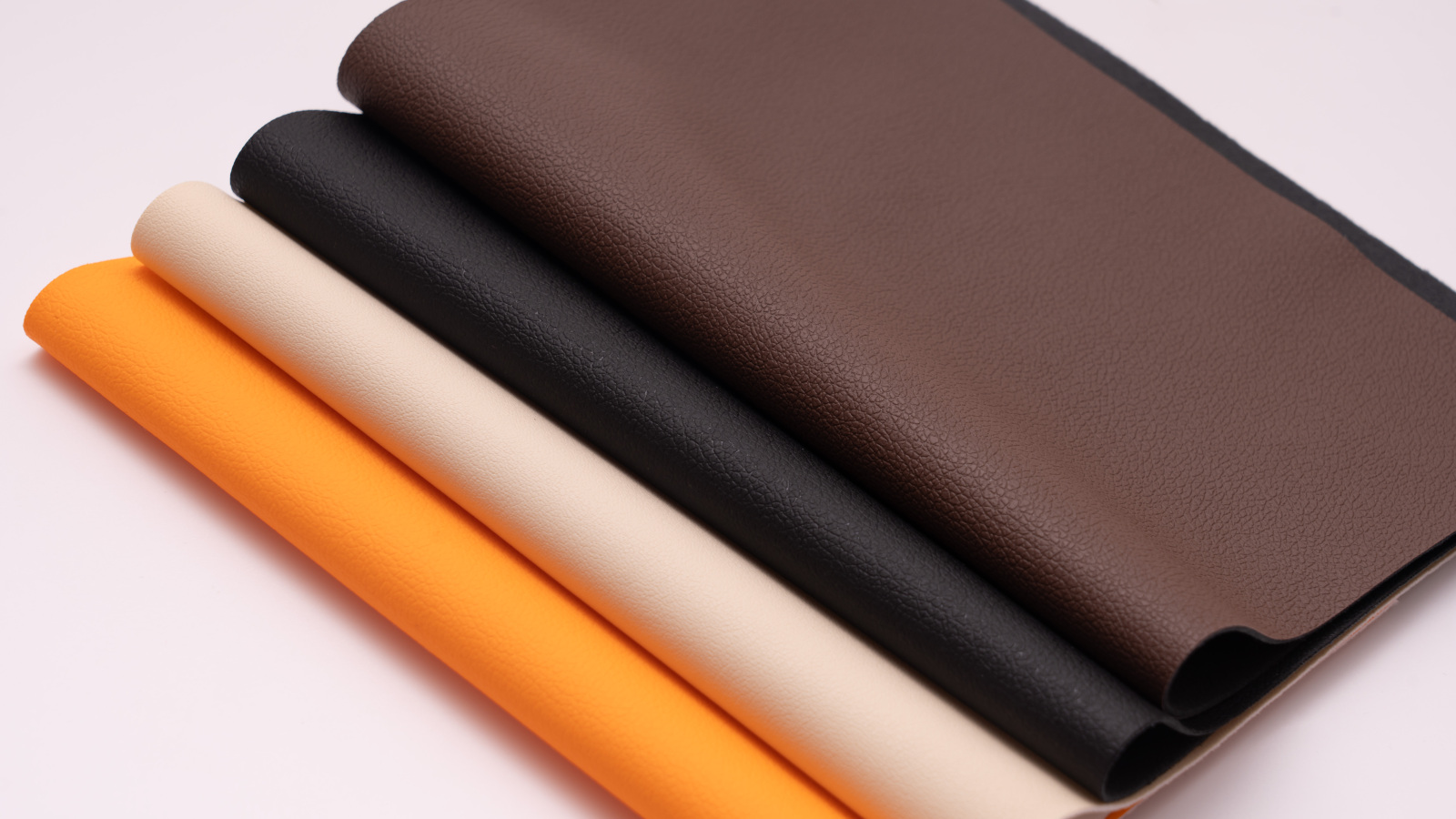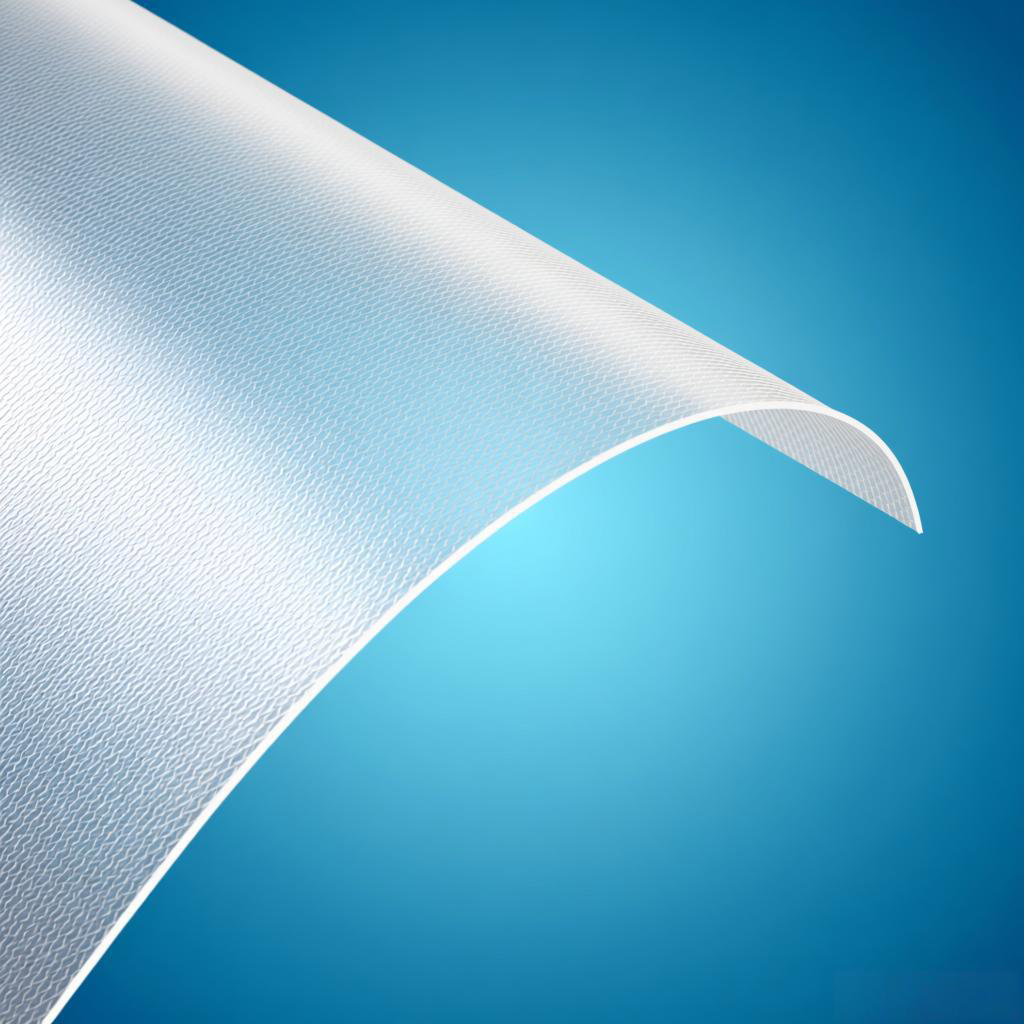

When you look at a smartphone screen protector that heals its own scratches, a waterproof jacket that breathes, or a car’s paint that shrugs off gravel chips, there’s a common thread: Thermoplastic Polyurethane (TPU) film. This material has quietly revolutionized multiple industries, moving from a niche engineering polymer to an essential component in consumer electronics, automotive, medical devices, and outdoor gear.
As a professional TPU film manufacturer, Shanghai Xin Gen Tech Co., Ltd. (Xin Gen Tech) has been at the forefront of this shift since 2009. With a 6,000+ square meter factory in Shanghai, a dedicated R&D center, and ISO 9001:2015, OEKO-TEX, and FDA certifications, they provide the kind of precision that brands trust for critical applications.
Here is a breakdown of why TPU film is the material of choice, backed by concrete data and real-world use cases.
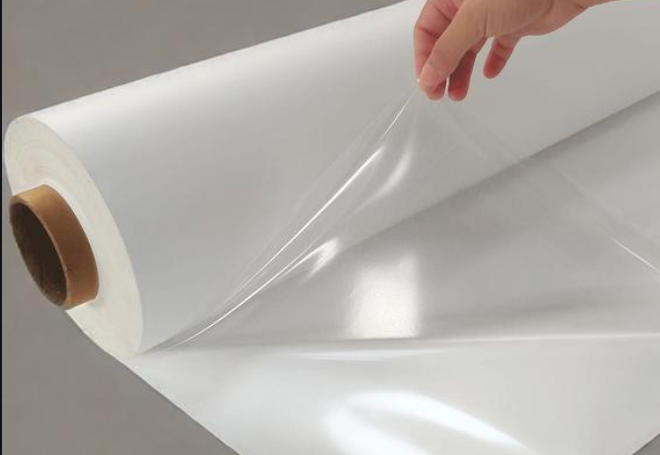
1. Self-Healing Screen Protectors: The Electronics Game Changer
The global smartphone screen protector market is expected to exceed $50 billion by 2030. Traditional tempered glass protectors are brittle and shatter-prone. TPU film, specifically the “self-healing” variant, has solved two major user frustrations: scratches from keys and poor adhesion on curved edges.
The Data & Logic:
Self-Healing Capability: Standard TPU films can recover from minor surface scratches within 10–30 seconds at room temperature. This is due to the material’s molecular memory—a property that glass simply cannot replicate.
Flexibility: Unlike glass, TPU film perfectly conforms to 2.5D and 3D curved screens. This eliminates the “halo effect” (air bubbles at the edges) that plagues many tempered glass users.
Xin Gen Tech’s Role:Xin Gen Tech specializes in high-clarity, flexible TPU films that are ideal for electronic applications. Their in-house laboratory equipment simulates mass production lines on a 1:1 scale (sample width: 400mm), allowing them to quickly develop films with precise thickness and hardness for custom phone screen needs.
Actionable Tip for Brands:When sourcing TPU for electronics, request samples that test both self-healing speed and optical clarity. A film that heals scratches but causes a “hazy” screen defeats the purpose. Xin Gen Tech’s fast sampling system (low cost, fast turnaround) is built for exactly this type of pilot testing.
2. Automotive Paint Protection Film (PPF): A $1.3 Billion Market Opportunity
The automotive Paint Protection Film market is projected to grow at over 10% CAGR through 2030. Car owners are no longer just protecting paint; they are preserving resale value. TPU-based PPF outperforms PVC-based films in durability, clarity, and self-repair.
Why TPU Wins:
Impact Resistance: TPU can absorb stone chips at speeds up to 150 km/h without sacrificing the underlying paint.
Scratch Resistance: An independent test by a leading automotive manufacturer showed that TPU films reduced surface abrasion by 80% compared to clear coats.
Longevity: A quality TPU PPF lasts 5–10 years, while cheaper PVC films degrade and yellow within 2–3 years.
Case Study from Xin Gen Tech:A Brazilian client needed a TPU film for bulletproof glass lamination (a specialized automotive/security application). The challenge was ensuring stable adhesion between polycarbonate and glass without losing optical clarity. Xin Gen Tech recommended a high-adhesion TPU film. The result? The client successfully passed lamination testing and entered pilot production.
Actionable Tip for Installers:Look for TPU films that have UV stabilizers and reversible self-healing properties. Not all TPU is the same. Xin Gen Tech’s films, used in demanding applications from Brazil to the U.S., are engineered to resist hydrolysis and yellowing. You can test this by requesting long-term aging data and UV exposure reports.
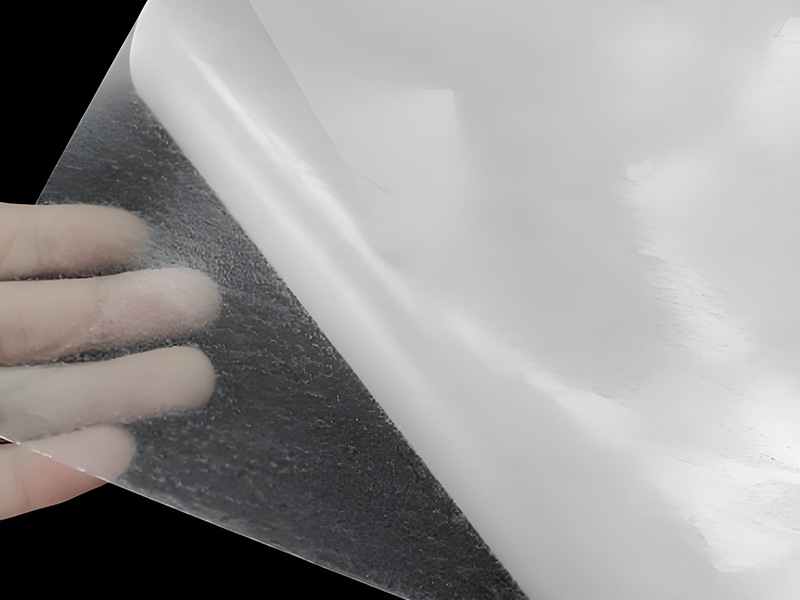
3. Waterproof & Breathable Textiles: Redefining Outdoor Gear
The global demand for functional textiles is exploding. Outdoor brands need fabrics that are waterproof and breathable—a seemingly contradictory requirement. TPU film, when laminated to polyester or nylon, becomes the perfect “smart membrane.”
The Mechanics:
Waterproof: TPU film is a continuous solid barrier. No water droplet can pass through.
Breathable: Through a specialized manufacturing process, the film allows water vapor (sweat) molecules to escape while blocking liquid water. This is achieved through “microporous” or “hydrophilic” TPU chemistries.
Market Application:The multipurpose outdoor clothing market alone is worth $15 billion. TPU film is used in:
Ski jackets (keep you dry, prevent sweat buildup).
Tent floors (durable, lightweight waterproof layer).
Medical protective garments (barrier protection with comfort).
Xin Gen Tech’s Expertise:They support customized thickness and functional requirements for textile lamination. Whether you need a film that withstands repeated flexing (for elbow seams) or one that remains breathable under heavy snow, their professional technical support during the sampling process helps brands avoid costly trial-and-error.
Actionable Tip for Textile Designers:When testing TPU films for garments, perform a dynamic flex test (bending the fabric thousands of times). A good TPU film should not delaminate or lose breathability after 50,000 flex cycles. Xin Gen Tech’s 1:1 production simulation allows you to test this during development, not just after a full production run.
4. Medical Grade: Where Biocompatibility Meets Performance
The medical TPU market is expected to reach $1.8 billion by 2028. From wound dressings to catheters, TPU film offers something metals and PVC cannot: exceptional biocompatibility, flexibility, and the ability to be sterilized without degrading.
Critical Data Points:
Biocompatibility: Medical-grade TPU passes ISO 10993 and FDA testing. It does not cause irritation or toxicity when in contact with skin or blood.
Sterilization Stability: TPU can withstand ethylene oxide (EtO) gas sterilization and gamma radiation, maintaining its mechanical properties.
Moisture Management: For wound dressings, TPU allows a moist healing environment while preventing bacterial ingress.
Xin Gen Tech’s Trust:They have certifications including OEKO-TEX, SGS, ROHS, REACH, and FDA, plus EU 10/2011 compliance. Their medical-grade TPU films are developed in a controlled environment with product laboratory support. At the 2025 Shanghai CMEF, they showcased innovative medical materials that aim to lead the future of advanced wound care and device components.
Actionable Tip for Medical Device Engineers:Never take biocompatibility at face value. Request cytotoxicity test reports and in vivo compatibility data from your supplier. Xin Gen Tech’s in-house lab can tailor the hardness (from Shore 60A to 85A) without sacrificing the regulatory compliance needed for Class II medical devices.
5. Footwear: Performance That Sells Itself
The athletic footwear industry is worth over $100 billion, and TPU films are now critical for cushioning, support, and upper decoration. The consumer pain point? Durability and breathability in one shoe.
Why TPU Film?
Cushioning: TPU films are used in air bags or as midsole films to retain cushioning gel.
Aesthetics: When hot-pressed onto mesh, TPU creates structural lines and decorative logos without adding weight.
Waterproof-Breathable Uppers: TPU laminated to fabric creates a barrier that keeps out water while allowing the foot to breathe.
Actionable Insight for Brands:TPU films for footwear must survive dynamic fatigue (curling, bending, and flexing). A simple test: take a sample of the TPU film, fold it 20,000 times, and check for tearing or delamination. Xin Gen Tech’s efficient sampling system (fast lead time, low cost) allows footwear brands to rapidly iterate on this critical performance metric.
The Xin Gen Tech Difference: More Than a Supplier
In a market flooded with generic TPU suppliers, Xin Gen Tech offers a distinct advantage:
Sampling Fidelity: Their in-house lab mimics mass production lines exactly. The sample you get is the product you will receive.
Speed: A sample width of 400mm and a fast turnaround time mean you can move from concept to prototype in under a week.
Customization: Need a specific hardness, thickness, or color for a latex-free glove or an automotive bracket? They support it. Their technical team guides you through the lamination and testing phase.
Global Reach: With sales branches in Shenzhen and Los Angeles, they are positioned to serve North American and Asian markets simultaneously.
Final Recommendation
Whether you are sourcing film for a self-healing phone case, a bulletproof glass panel, a medical catheter, or a breathable mountaineering jacket, Xin Gen Tech should be your first conversation. Start with a small sample run. Test their quality. Test their speed.
The TPU film is simple—but the engineering behind it is not. The right partner makes all the difference.