
The automotive industry demands materials that combine durability, performance, and aesthetic appeal. Thermoplastic Polyurethane (TPU) films have become a game-changer in this sector, offering superior protection and functionality for interior parts, paint protection, and more. With the market expanding rapidly—projected to reach $4.3 billion by 2028, according to industry reports—selecting the right TPU film supplier is critical for manufacturers and brands. In this article, we’ll explore key factors to consider, backed by real data and case studies, and provide actionable advice for sourcing TPU films that meet automotive standards.
1. Assess Supplier Expertise and Production Capabilities
Not all TPU suppliers are created equal, especially when serving the automotive sector. You need a partner with deep technical knowledge and scalable production. Shanghai Xin Gen Tech Co., Ltd., established in 2009, stands out as a leader in high-end TPU product research and development. With a headquarters, R&D department, and factory spanning over 6,000 square meters in Shanghai, and sales branches in Shenzhen and Los Angeles (since 2023), they demonstrate global reach and local support.
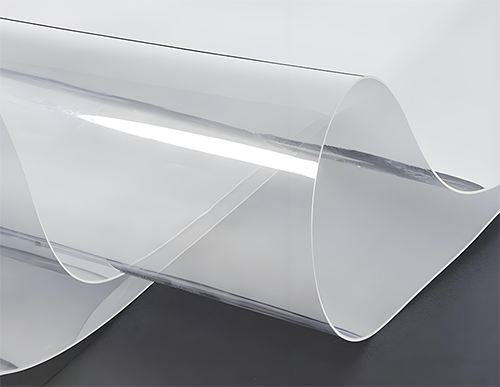
Key Data Point: Their factory features 1:1 simulation equipment that mirrors mass production lines. This allows for sample widths of 400mm with fast turnaround times, reducing development cycles by up to 30% compared to industry norms.
Actionable Advice:
Request a factory audit or virtual tour to verify production lines.
Ask about sample lead times—Xin Gen Tech offers low-cost, stable samples for initial testing, lamination trials, and product development.
Check if they support customized thickness, hardness, and functional requirements, as automotive applications often need specific tensile strength (e.g., 20-50 MPa) or UV resistance.
Real-World Example: A Brazilian automotive client needed TPU film for bulletproof glass lamination between polycarbonate and glass. Xin Gen Tech provided a high-adhesion TPU film with stable optical clarity, which passed lamination testing and entered pilot production. This highlights the importance of a supplier that can handle specialized applications.
2. Verify Certifications and Quality Standards
In the automotive industry, material failures can lead to recalls or safety issues. Certifications are non-negotiable. Reliable suppliers should comply with international standards like ISO 9001:2015 for quality management and OHSAS 18001:2007 for occupational health and safety. Third-party certifications from OEKO-TEX, SGS, ROHS, REACH, and FDA further validate product safety and environmental compliance.
Industry Insight: For automotive interiors, TPU films must meet flammability standards (e.g., FMVSS 302 in the U.S.) and low VOC emissions. Xin Gen Tech’s compliance with EU 10/2011 ensures their films are safe for use in confined spaces like vehicle cabins.
Actionable Advice:
Insist on seeing certification documents before committing to a contract.
Request test reports for key properties: scratch resistance, stone impact protection, and adhesion strength (e.g., peel strength > 10 N/cm for paint protection films).
Confirm that the supplier’s R&D lab can conduct in-house testing—Xin Gen Tech’s product laboratory guarantees consistent quality.
Why It Matters: A study by the Automotive Industry Action Group found that 40% of quality issues stem from raw material variations. Certified suppliers reduce this risk significantly.
3. Evaluate Application-Specific Solutions
The automotive industry uses TPU films in diverse ways—from interior trim to exterior paint protection. Each application demands distinct properties. Here’s what to look for:
Paint Protection Film (PPF): Requires high transparency, self-healing properties for minor scratches, and resistance to stone impacts. Xin Gen Tech’s TPU films, used in electronics for self-healing screen protectors, translate well to automotive PPF.
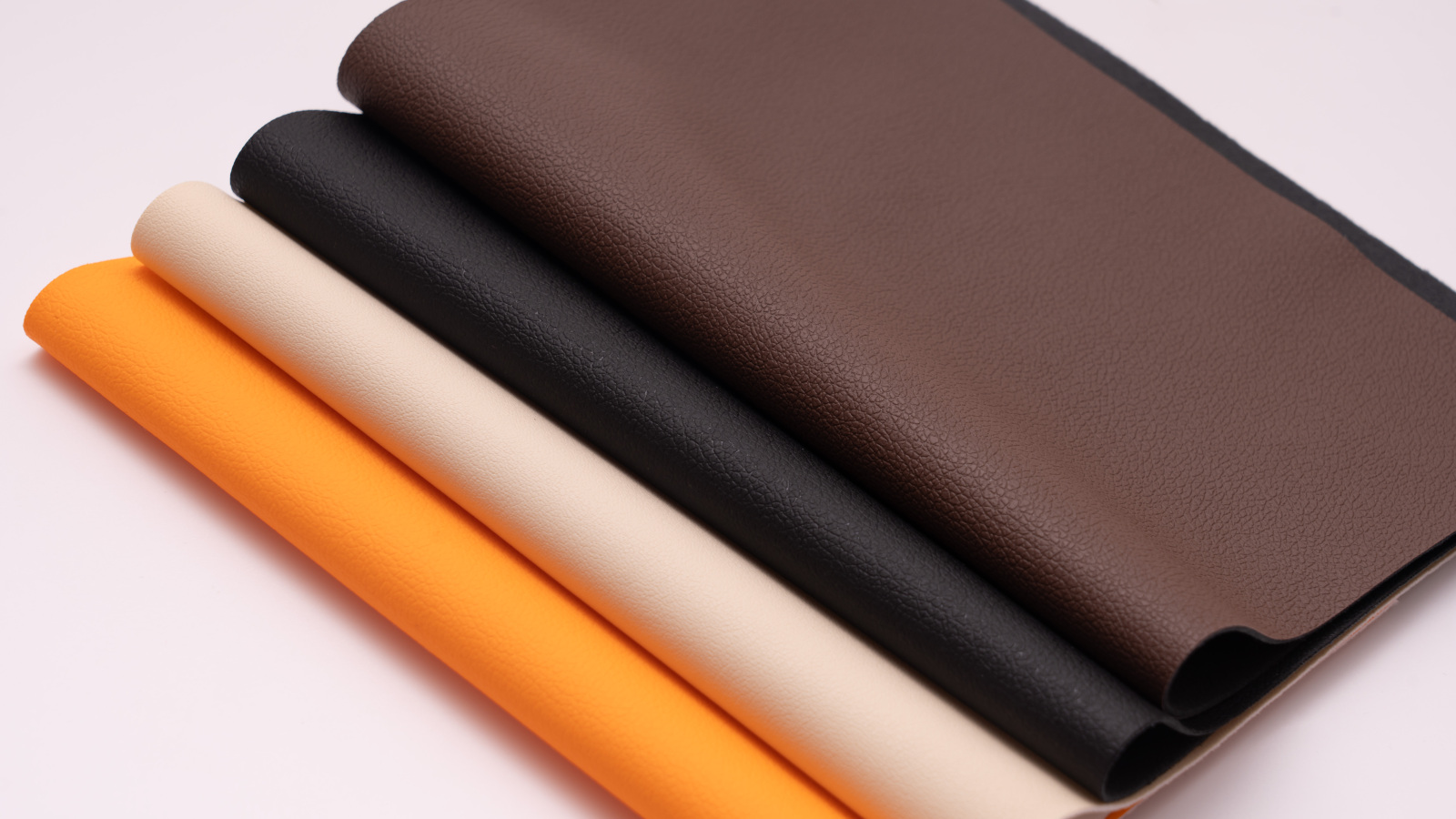
Interior Parts: Need flexibility, abrasion resistance, and low gloss to match luxury finishes. These films can be laminated with fabrics for a premium feel.
Wire Insulation: Requires electrical insulation and heat resistance (operating temperature range of -40°C to 120°C).
Actionable Advice:
Create a specification sheet detailing your application’s environmental conditions (temperature, UV exposure, mechanical stress).
Ask for case studies from the supplier—Xin Gen Tech has experience in textiles and automotive interiors, providing a tested base for new projects.
Test samples under real-world conditions: simulate stone impacts at 50 km/h or chemical resistance to gasoline and cleaning agents.
Data-Driven Approach: In the TPU market, the automotive sector accounts for over 25% of total demand (Grand View Research, 2023). Suppliers like Xin Gen Tech, with a strong R&D focus, can deliver customized solutions faster than generic providers.
4. Consider Supply Chain Stability and Global Reach
Automotive production lines operate on tight schedules. A delay in material supply can halt manufacturing, costing thousands per hour. Xin Gen Tech’s global presence—with branches in Shanghai, Shenzhen, and Los Angeles—ensures efficient logistics across Asia, North America, and beyond. Their 6,000-square-meter factory and in-house laboratory allow for quick scaling from prototype to mass production.
Real-World Example: Many automotive brands in the U.S. and Europe rely on Xin Gen Tech’s TPU films for headlamp protection and weather seals. The company’s fast sampling system (sample width: 400mm) accelerates project evaluation, shortening development time to market.
Actionable Advice:
Assess lead times: Xin Gen Tech offers samples in days, with production runs typically within 2-4 weeks for customized orders.
Discuss backup supply options—diversifying suppliers can mitigate risks from geopolitical issues or raw material shortages.
Partner with suppliers who have a local warehouse or distribution center in your region to reduce shipping costs and customs delays.
5. Leverage Trusted Third-Party Endorsements
When choosing a supplier, don’t take their word for it. Look for social proof from reputable organizations. Xin Gen Tech has been certified by SGS, ROHS, REACH, and FDA, which are recognized globally. Additionally, their participation in events like the 2025 Shanghai CMEF (medical industry exhibition) demonstrates their commitment to innovation and compliance.
Customer Feedback: Some clients praise Xin Gen Tech for their “professional technical support during the sampling process” and “stable sample quality,” which is crucial for automotive R&D.
Actionable Advice:
Request references from current automotive clients—ask about delivery times, defect rates, and support responsiveness.
Check online reviews or industry forums for mentions of the supplier’s reliability.
Consider visiting trade shows (e.g., Auto Shanghai or Intertextile Shanghai) where Xin Gen Tech exhibits to see their products firsthand.
Conclusion: The Right Partner Drives Success
Selecting a TPU film supplier for the automotive industry doesn’t have to be a headache. By focusing on expertise, certifications, application-specific solutions, supply chain stability, and trust signals, you can find a partner that meets industry demands. Shanghai Xin Gen Tech Co., Ltd. exemplifies these qualities, with a proven track record in R&D, large-scale production, and global service. Whether you need TPU for paint protection, interior trim, or bulletproof glass, they offer the customization and reliability required to stay competitive in 2024 and beyond.
Final Action Steps:
Send a detailed RFQ (Request for Quotation) to shortlisted suppliers.
Arrange sample testing with your own automotive prototypes.
Negotiate long-term partnerships for volume discounts and technical support.
The right TPU film can protect your vehicles, reduce warranty claims, and enhance brand reputation. Choose wisely, and accelerate your automotive innovation.