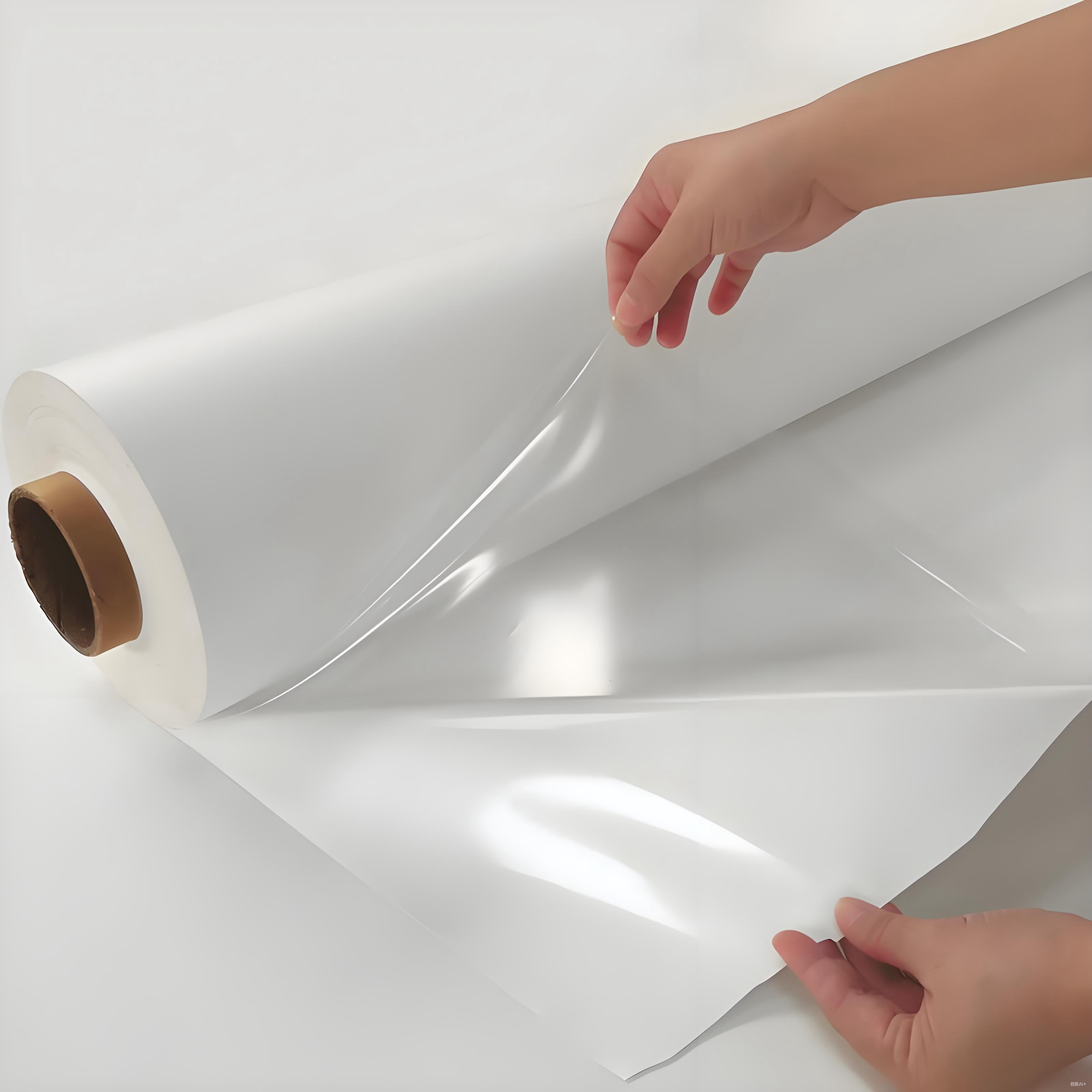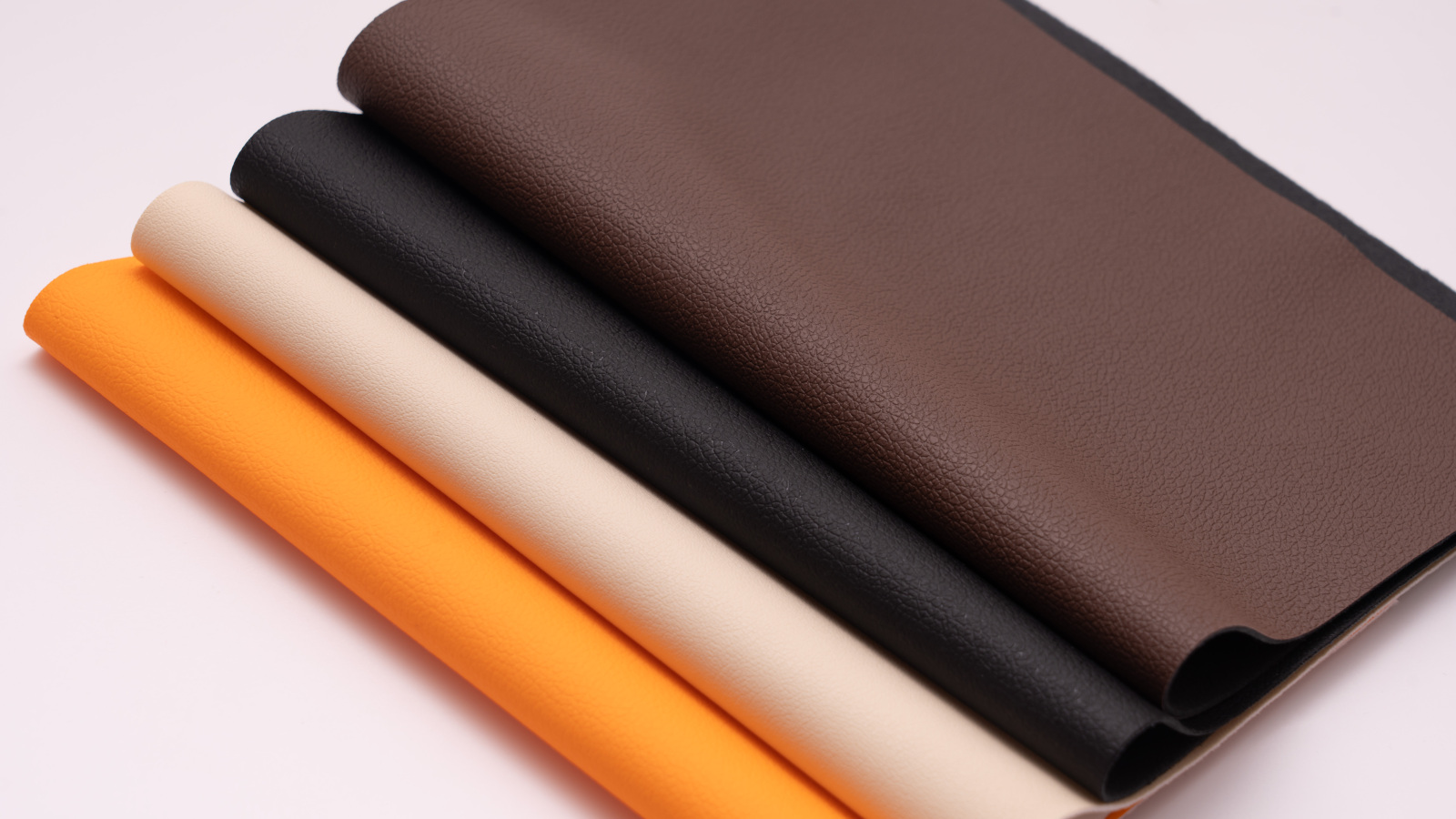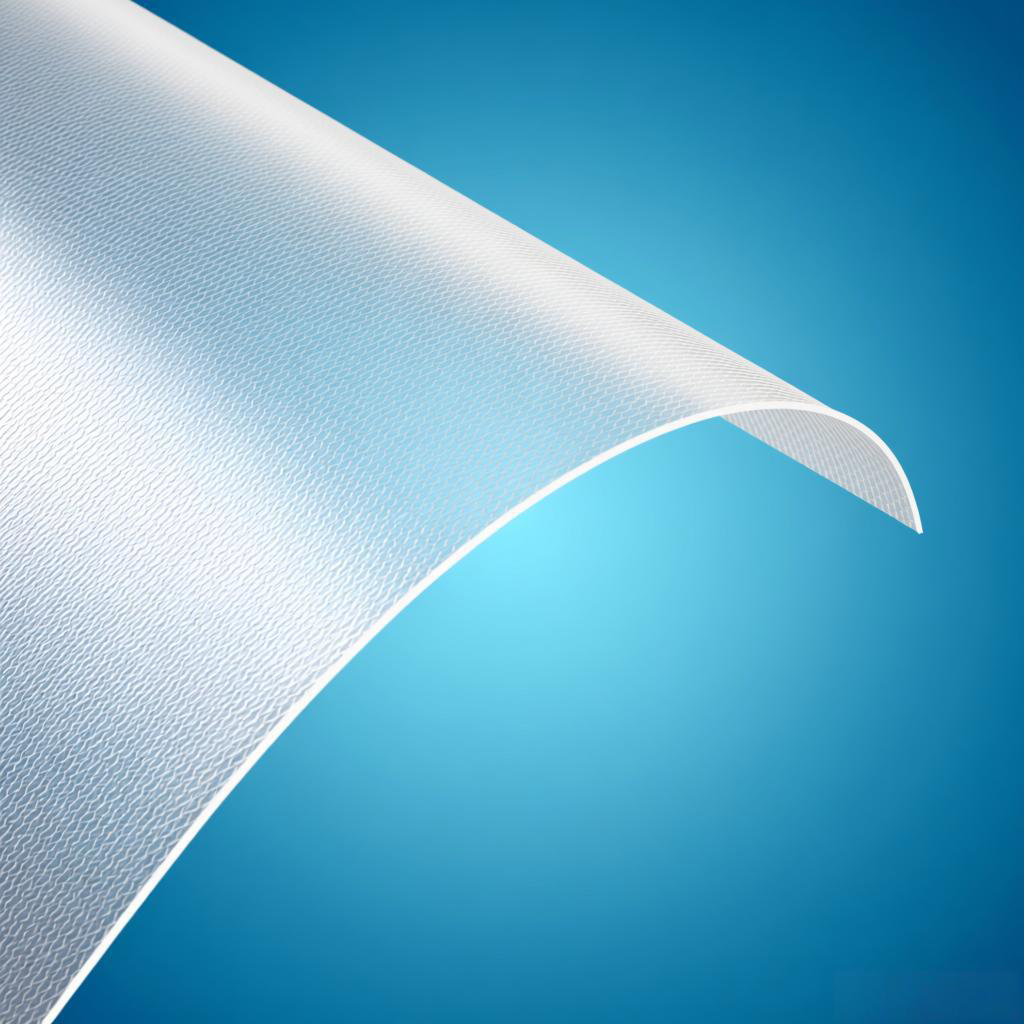

In the world of advanced materials, one-size-fits-all rarely cuts it. For industries ranging from automotive to medical, the ability to source TPU (Thermoplastic Polyurethane) films with custom thicknesses has become a competitive differentiator. This isn’t just about material selection; it’s about solving real-world engineering challenges by fine-tuning performance at the millimeter or even micron level.
The Business Case for Customization
A leading Chinese manufacturer, Shanghai Xin Gen Tech Co., Ltd., exemplifies the shift toward precision. Founded in 2009, the company operates a 6,000-square-meter facility in Shanghai, with sales branches in Shenzhen and Los Angeles. Their core offering is high-end TPU films tailored to specific client needs. But why is customization so critical?
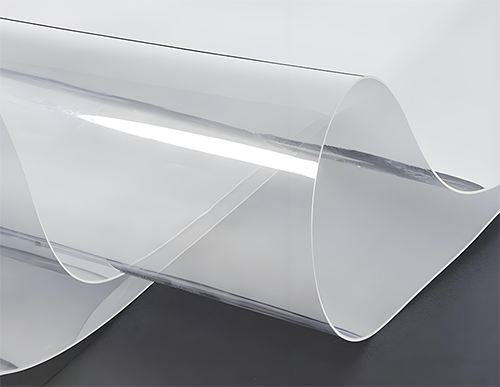
Consider the footwear industry: athletic shoe cushioning requires a different thickness than upper decoration. A standard 0.5 mm film might work for one application, but fail for another that needs both flexibility and impact resistance. According to industry data, the global TPU film market was valued at approximately $1.2 billion in 2023, with customized products commanding a premium of 15-30% over standard offerings.
Key Applications Demanding Custom Thickness
To understand the value, let’s break down the most demanding sectors:
1. Automotive: Scratch Resistance and Paint Protection
Automotive paint protection films (PPF) must balance clarity, self-healing properties, and thickness to resist stone chips. Standard PPF ranges from 150 to 250 microns. However, high-end vehicles often require 200-300 micron films for heavy-duty protection.
Practical Suggestion: When sourcing for automotive use, request samples that simulate real-world conditions. A factory like Xin Gen Tech, equipped with in-house laboratory tools that mirror mass production lines on a 1:1 scale (sample width: 400mm), can provide fast sampling. Test thicknesses in increments of 25 microns to find the sweet spot between protection and conformity to curved surfaces.
2. Medical: Biocompatibility and Precision
Medical-grade TPU is used in wound dressings and catheters, where thickness directly affects patient comfort and fluid migration. For example, catheter coatings often require 0.1-0.2 mm thickness to balance flexibility with structural integrity.
Actionable Step: Ensure your supplier holds certifications like ISO 9001:2015, FDA, and EU 10/2011. Xin Gen Tech meets these standards, backed by OEKO-TEX, SGS, and ROHS certifications. Request a thickness tolerance specification—±5% is industry standard, but critical applications may demand ±2%.
3. Textiles and Apparel: Breathability and Durability
In outdoor gear, TPU films laminated with polyester fibers create waterproof yet breathable fabrics. A 0.05 mm film might work for a lightweight rain jacket, but a 0.15 mm film is needed for heavy-duty tents. Too thick, and the fabric loses breathability; too thin, and it risks tear.
How to Test: Use a moisture vapor transmission rate (MVTR) test. Standard breathable TPU films achieve 5,000-10,000 g/m²/24hr. Adjusting thickness by 0.01 mm can shift this by up to 20%. Work with a supplier that offers customized hardness and functional requirements during sampling.
4. Electronics: Self-Healing and Flex Performance
Smartphone screen protectors made from TPU can self-heal minor scratches, but only if the thickness is optimized. A 0.15 mm film offers good self-healing properties for curved screens, but a 0.25 mm film may improve drop protection while reducing flexibility.
Pro Tip: For wearable devices, thickness uniformity is critical. Uneven films cause touch sensitivity issues. Look for factories with a research and development center and product lab—Xin Gen Tech has both, ensuring consistent quality.
Real-World Case: Bulletproof Glass Lamination
A recent project from Brazil illustrates the power of customization. A client needed TPU film for laminating polycarbonate and glass in bulletproof panels. The challenge was achieving stable adhesion without optical distortion. By recommending a high-adhesion TPU film with stable optical clarity and custom thickness (0.76 mm), the solution passed lamination testing and entered pilot production.
Key Takeaway: Standard films often fail in niche applications. Custom thickness allows you to balance optical, adhesive, and mechanical properties simultaneously.
How to Work with a Custom TPU Film Supplier
Based on best practices, here’s a step-by-step approach:
Define Your Requirements: Specify thickness (0.01–2 mm range), hardness (Shore A 60–95), and any functional needs (UV resistance, flame retardance).
Request Rapid Sampling: Xin Gen Tech offers fast sampling with low cost and low minimum order quantities, helping you shorten development time.
Test for Three Key Metrics:Tensile strength (should exceed 30 MPa for most applications)
Elongation at break (over 400% for flexible uses)
Tear resistance (over 50 kN/m for heavy-duty)
Evaluate Compatibility: For lamination with fabrics or glass, conduct bonding tests under simulated conditions.
Scale Gradually: Start with pilot production (e.g., 100 kg) before committing to bulk orders.
Conclusion: Customization is the New Standard
The era of picking a generic TPU film off a shelf is ending. From automotive PPF to medical catheters, the ability to dial in precise thickness directly translates to product performance, durability, and cost efficiency. Factories like Shanghai Xin Gen Tech serve as partners in innovation—not just suppliers. With in-house labs, fast sampling, and multiple certifications (ISO, ROHS, FDA), they provide the agility needed to meet specific industry demands.
If you are developing a new product or improving an existing one, invest in custom thickness research. It pays off in fewer failures, faster time-to-market, and a competitive edge that mass-produced materials simply cannot match.