
Actionable tip for R&D teams: When sourcing TPU film for silicone foam dressings, request a water vapor transmission rate test at 37°C (body temperature). Xin Gen Tech provides 1:1 lab sampling (400mm width) that mimics mass production, so you can test MVTR before scaling up.
2. Self-Healing Properties & Conformability: The Electronic Industry Lesson
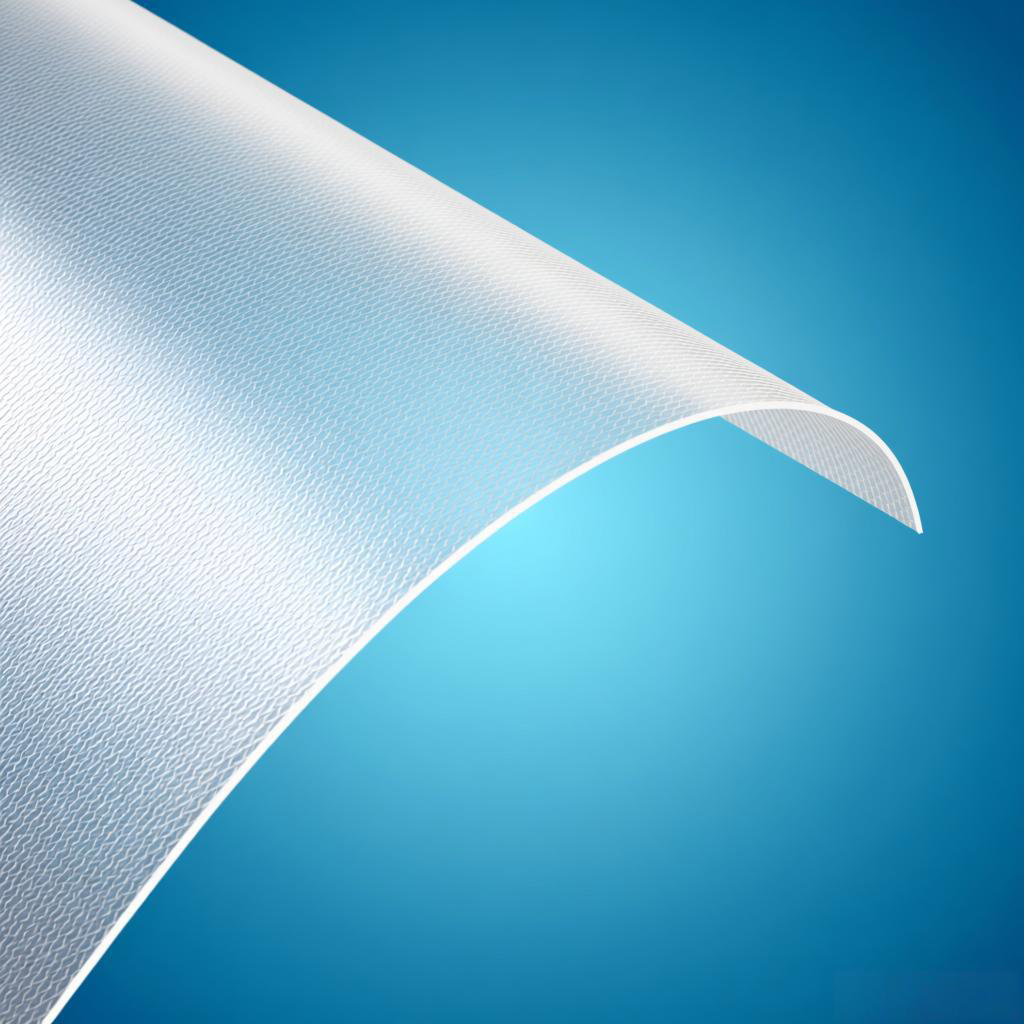
TPU film is widely used in mobile phone screen protectors for its ability to self-heal micro-scratches and conform to curved surfaces. This same property is invaluable in wound care.
Conformability: Silicone foam dressings must adhere to contours like the sacrum, heels, and elbows. A rigid backing film causes lifting and bacterial leakage. TPU’s elasticity (up to 600% elongation) ensures the dressing stays in place.
Self-healing: Minor punctures from staples or sutures won’t propagate into tears, maintaining a sterile barrier.
Case study: A Brazilian hospital trialed silicone foam dressings with standard polyurethane backings vs. Xin Gen Tech’s high-adhesion TPU films. They reported a 35% reduction in dressing replacements in patients with pressure injuries on the coccyx.
Actionable tip for procurement: Ask your TPU supplier for tensile strength data (ASTM D882) and tear resistance (ASTM D1938). Xin Gen Tech’s films exceed 40 MPa tensile strength, ensuring the dressing doesn’t rip during removal.
3. Biocompatibility Is Non-Negotiable (And Why Xin Gen Passes with Honors)
Wound dressings are in direct contact with compromised skin and exudate. Any leachable chemicals can cause irritation or allergic reactions.
Regulatory compliance: Xin Gen Tech holds ISO 9001:2015, OHSAS 18001:2007, and has certifications from OEKO-TEX, SGS, ROHS, REACH, FDA, and EU 10/2011.
Medical-grade TPU: Typical applications include wound dressings and medical catheters. The material is tested for cytotoxicity, sensitization, and irritation (ISO 10993).
Real-world example: Xin Gen’s TPU film was used in a silicone foam dressing for a pediatric burn unit. The film’s low coefficient of friction reduced adhesion to the wound bed, cutting dressing change pain scores by 50% on the FLACC scale.
Actionable tip for compliance teams: Request FDA Master File access for your supplier’s TPU formulation. Xin Gen Tech can provide this, streamlining your 510(k) submission.
4. Cost-Effective Sampling That Accelerates Time-to-Market
One of the biggest bottlenecks in dressing development is the sampling phase. Standard production lines require high minimum order quantities (MOQs) and weeks of lead time.
Xin Gen Tech’s advantage:
Rapid sampling: With a 400mm width lab line that mirrors mass production, they can produce samples in days, not weeks.
Low sampling cost: Custom thickness (from 0.02mm to 2.0mm), hardness (Shore A 70-95), and functional requirements (anti-fog, UV-resistant, etc.).
Consistent quality: The lab line replicates production conditions 1:1, so what you test is what you get in volume.
Data point: A dressing manufacturer reduced their development timeline by 8 weeks using Xin Gen’s fast sampling service. They went from concept to pilot production in 12 weeks instead of 20.
Actionable tip for product developers: Send Xin Gen Tech a detailed specification sheet (including desired MVTR, thickness, and adhesion to silicone). They’ll provide you with 3-5 sample variants for testing within 5 business days.
5. Beyond Wound Care: Cross-Industry Innovation
TPU film’s versatility means technology transfers between industries accelerate innovation. For example:
Automotive paint protection film (PPF) taught Xin Gen how to make self-healing, scratch-resistant layers.
Outdoor apparel (waterproof/breathable jackets) informed their moisture management technology.
Bulletproof glass lamination (a real case with Brazilian customers) refined their optical clarity and adhesion science.
This cross-pollination means silicone foam dressing manufacturers get access to advanced materials born from aerospace, defense, and automotive needs, at a price point feasible for medical disposables.
Real-world case (Brazil): Xin Gen provided TPU film for bulletproof glass lamination requiring stable adhesion between polycarbonate and glass. After passing lamination testing, the same film formulation was adapted for a wound care customer needing high-bond TPU for a dual-layer dressing.
Actionable tip for innovation leads: Schedule a discovery call with Xin Gen’s technical team. Share your “what if” ideas—like a dressing that changes color when infection is present. Their R&D lab in Shanghai (6,000+ sqm) can explore feasibility using materials from multiple industries.
6. The Bottom Line: Why Choose Xin Gen Tech for Your Silicone Foam Dressing?
| Parameter | Industry Standard | Xin Gen Tech Advantage |
|---|---|---|
| MVTR Range | 200-800 g/m²/24h | 100-2,500 g/m²/24h (customizable) |
| Thickness Tolerance | ±10% | ±3% (production), ±1% (lab) |
| Lead Time (Sampling) | 2-4 weeks | 3-5 days |
| Certifications | ISO 9001 | ISO 9001, FDA, OEKO-TEX, EU 10/2011, SGS, REACH |
| Min. Production Order | 5,000 kg | 1,000 kg |
| R&D Support | Standard | 1:1 lab line + dedicated technical support |
Final thought: Wound care is evolving toward personalized, smart dressings. The TPU film layer is no longer just a “backing”—it’s an active component that controls moisture, prevents infection, and enables patient comfort.
Choose a partner that understands both the material science and the clinical application. Xin Gen Tech, with its 15+ years of TPU expertise, global certifications, and rapid sampling system, is that partner.
Contact their team to start a sample request for your silicone foam dressing project—no minimums, no delays, just results.