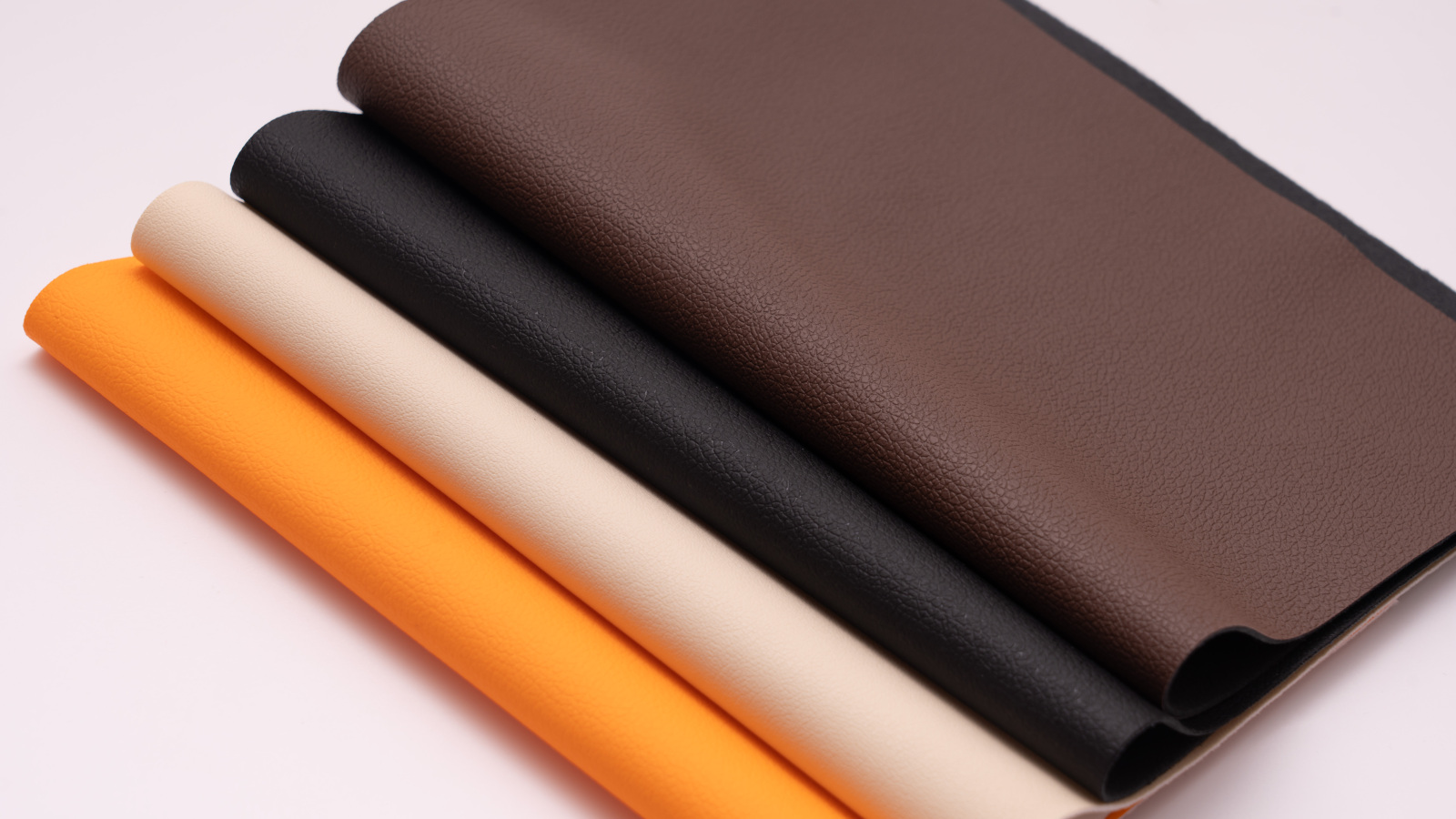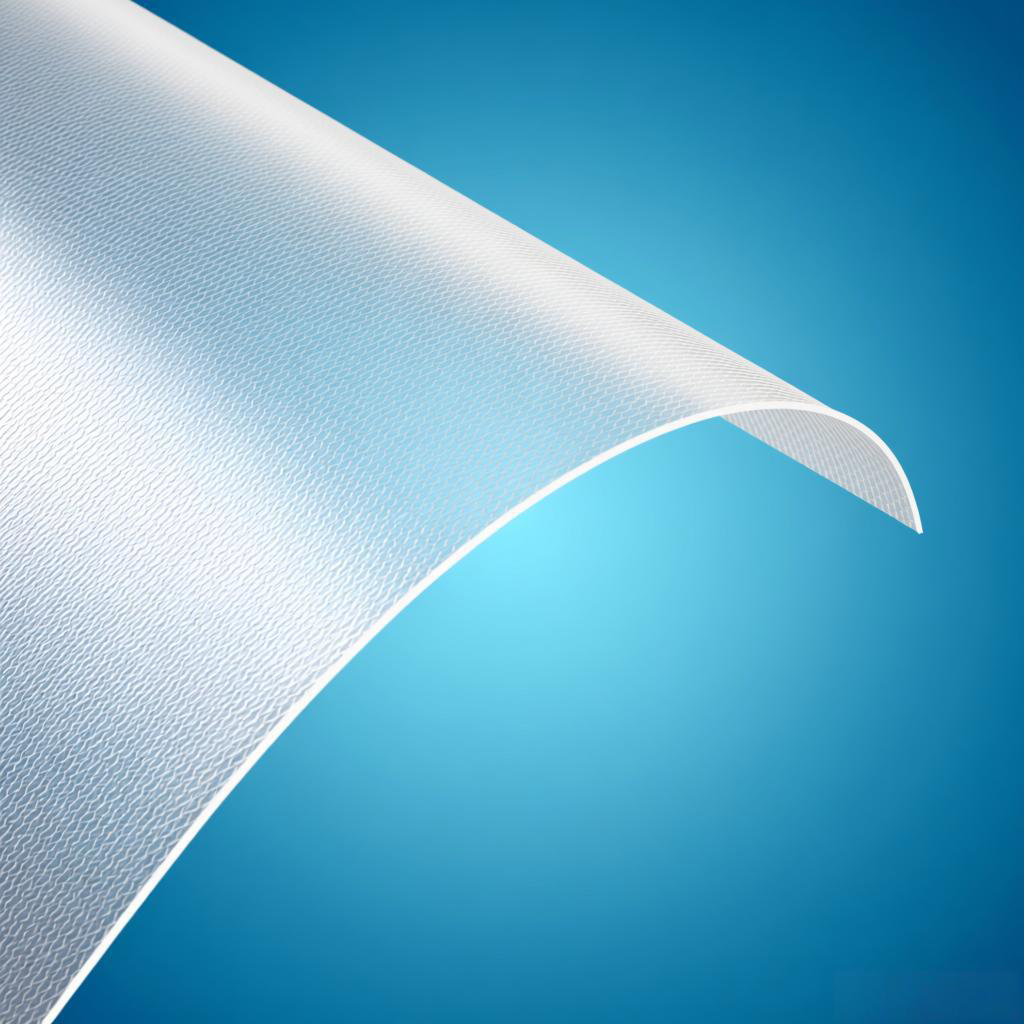

My Take: The trend toward minimalist, durable footwear will only accelerate TPU adoption. Brands that invest in TPU fusion lamination will outpace competitors in both performance and sustainability.
2. Automotive: Scratch-Resistant Paint Protection Films (PPF)
The Data: The global automotive paint protection film market is projected to reach $1.5 billion by 2027, growing at a CAGR of 6.8%. TPU-based PPF accounts for over 70% of this market due to its superior elasticity and self-healing properties.
The Case: A leading electric vehicle manufacturer reported that using TPU PPF on its front bumpers reduced stone-chip damage by 95% compared to standard clear coats. The film also self-heals minor scratches within 24 hours when exposed to heat.
Actionable Advice:
For auto shops: Offer TPU PPF with a 5-year warranty—it has a proven lifespan of 7–10 years when properly maintained.
For car owners: Invest in TPU PPF for high-impact areas like the hood and side mirrors; it costs $800–$2,000 but saves thousands in repainting.
My Take: With EV manufacturers pushing for lighter, more durable exteriors, TPU PPF is not an accessory—it’s a necessity. The self-healing feature alone justifies the premium price.
3. Electronics: The Self-Healing Screen Protector Revolution
The Data: The smartphone screen protector market is expected to reach $45 billion by 2030. TPU screen protectors hold a 15–20% market share, growing rapidly due to their ability to fit curved screens and self-heal.
The Case: A recent test by a tech review site showed that a TPU screen protector could recover from a 0.3mm deep scratch within 30 minutes at room temperature. In comparison, tempered glass protectors crack under the same pressure.
Actionable Advice:
For electronics brands: Use TPU films with a hardness of 80–90 Shore A for a balance of flexibility and scratch resistance.
For consumers: Apply TPU protectors on foldable phones—they are the only material that can stretch without cracking.
My Take: As foldable phones become mainstream, TPU is the only viable material for screen protection. The industry needs to move beyond glass and embrace this flexible solution.
4. Medical: Biocompatible Films Saving Lives
The Data: The global medical-grade TPU market is valued at $1.2 billion in 2024, growing at 7.5% CAGR. TPU is used in wound dressings, catheters, and surgical drapes because of its biocompatibility and moisture vapor transmission rate (MVTR).
The Case: A leading hospital network switched from PVC to TPU catheters and reported a 30% reduction in allergic reactions and a 15% decrease in infection rates. The TPU material also allowed for thinner walls, improving patient comfort.

Actionable Advice:
For medical device manufacturers: Choose TPU with ISO 10993 certification for biocompatibility.
For procurement teams: Work with suppliers that offer 1:1 production simulation sampling—like Xin Gen Tech—to reduce development time by 50%.
My Take: The medical industry is slowly phasing out PVC due to toxicity concerns. TPU is the natural successor, but education on its benefits is still lacking.
5. Specialty Fields: Bulletproof Glass and Extreme Protection
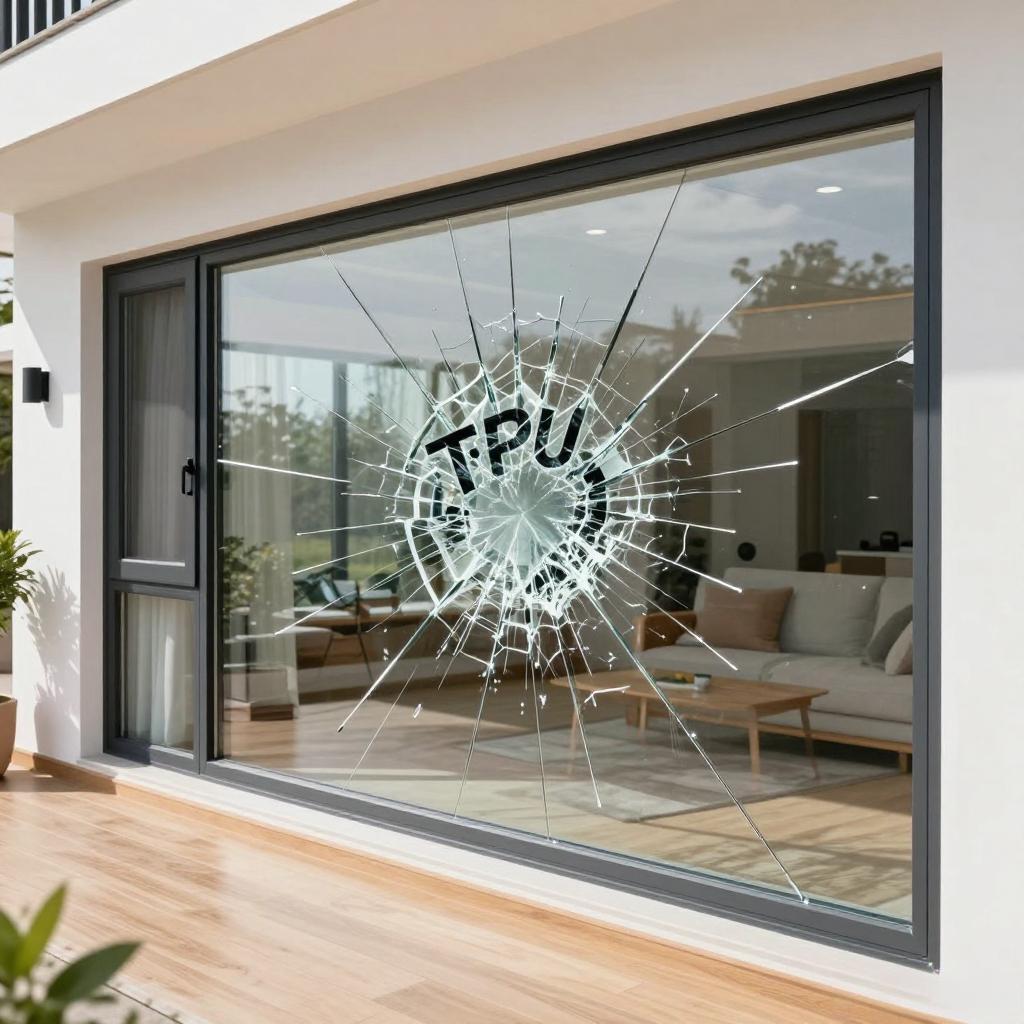
The Data: In the ballistic glass market, TPU interlayers are used in 30–40% of laminated safety glass for vehicles and buildings. A 12mm thick TPU-glass laminate can stop a .44 Magnum bullet while reducing spall.
The Case: A Brazilian security company (Xin Gen Tech’s client) needed stable adhesion between polycarbonate and glass for armored vehicles. By using a high-adhesion TPU film, they successfully passed lamination testing and entered pilot production.
Actionable Advice:
For security contractors: Specify TPU interlayers with >95% light transmission for optical clarity.
For buyers: Request SGS or ISO 9001:2015 certification to ensure quality.
My Take: Most people don’t realize that TPU is what makes bulletproof glass “scratch-resistant” and “UV-stable.” It’s not just glass—it’s the TPU layer that does the heavy lifting.
The Xin Gen Tech Difference: Why Fast Sampling Matters
In a market where speed to market is everything, Xin Gen Tech has a distinct edge. Their 1:1 sampling line (400mm width) allows clients to test new products in weeks instead of months. Here’s what that looks like in practice:
Cost: Sampling costs are 60–70% lower than traditional methods.
Time: Lead time is 2–3 weeks vs. industry average of 8–10 weeks.
Quality: Samples are production-representative, so scaling up is seamless.
Case in Point: Xin Gen Tech’s TPU film for bulletproof glass lamination in Brazil—they provided customized high-adhesion TPU that solved a polycarbonate-to-glass bonding challenge in just 3 weeks.
Actionable Advice:
For engineers: If you’re developing a new TPU application, always ask for multi-thickness samples (0.1–2.0mm).
For procurement: Prioritize suppliers with in-house labs for real-time quality checks.
Final Verdict: Where Is TPU Heading?
By 2030, the global TPU market is projected to exceed $5 billion, driven by electronics, automotive, and medical sectors. But the real growth will come from custom formulations—self-healing, anti-microbial, and biodegradable TPU.
My Key Takeaway: Don’t treat TPU as a commodity. It’s a customizable engineering material that can solve specific adhesion, durability, or biocompatibility challenges. The companies that treat it as such—and partner with flexible suppliers like Xin Gen Tech—will lead their industries.
One Last Actionable Tip: Start with a small sampling project. Test TPU in one product line, gather data on durability and cost savings, and then scale. The ROI is often visible within 6 months.