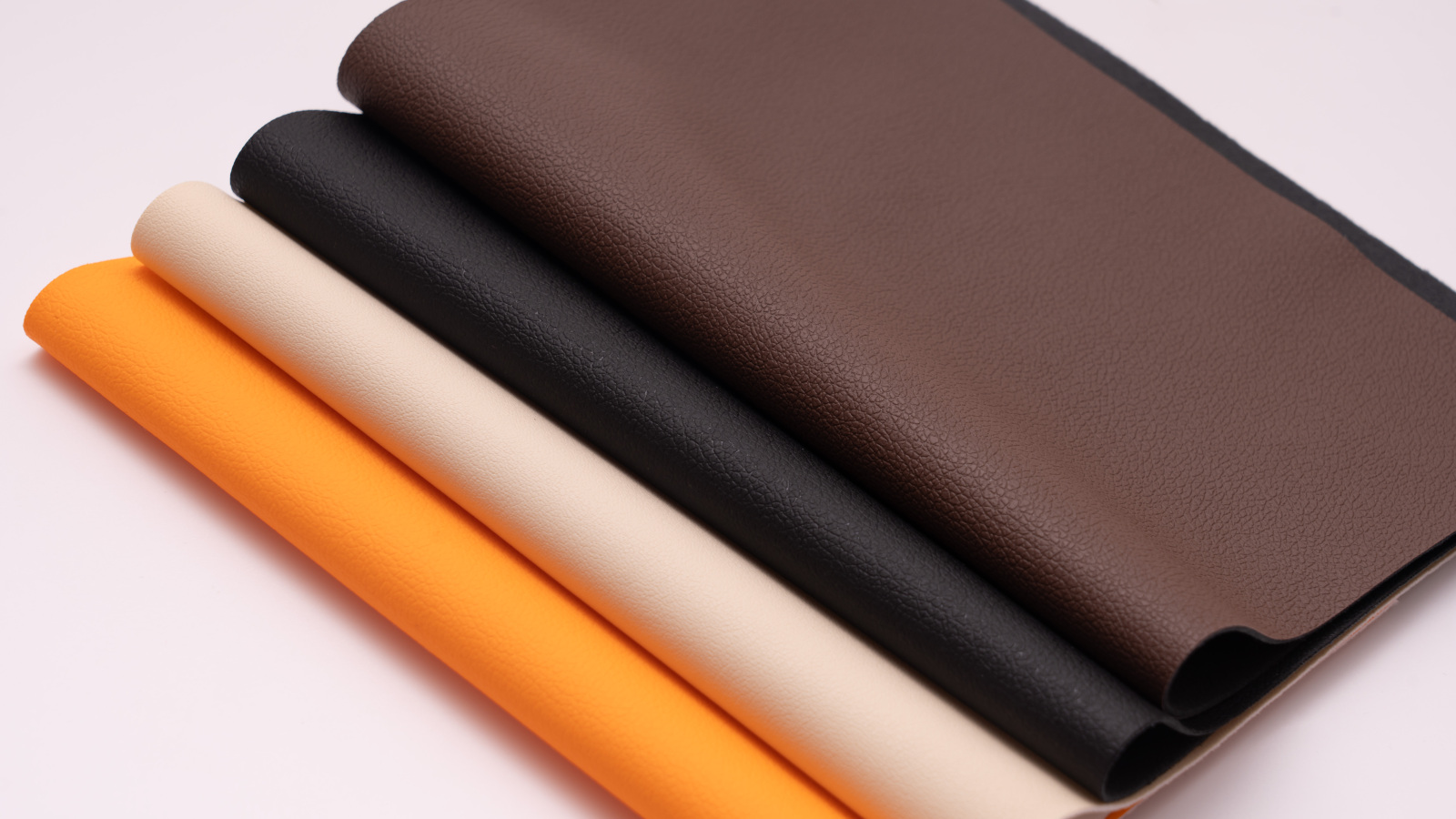

Production Consistency: Xin Gen’s in-house laboratory equipment simulates mass production lines on a 1:1 scale (sample width: 400mm). This means the sample you test is exactly what you’ll get in full production. Competitors often use smaller lab setups, leading to a 10–15% variation in thickness or adhesion between samples and final rolls.
Actionable Advice: Always request a sample from your supplier and test it under your actual lamination conditions. Xin Gen’s fast sampling lead time (often 15–20 days) and low sampling cost make this easy. Don’t settle for generic data sheets.
2. Tackling the Pain Points: What Real Users Are Saying
The biggest frustration I hear from engineers is the gap between sample performance and production reality. One project manager in the automotive sector told me he spent six months chasing a supplier whose lab samples looked great but failed in pilot runs. After switching to Xin Gen, he saw the opposite: stable, repeatable results from the first test roll.
Why does this happen? Many manufacturers optimize their samples for show—polishing surfaces, adjusting parameters—but can’t replicate that at scale. Xin Gen’s 1:1 simulation approach eliminates this risk. Their R&D center, which houses a product laboratory and is certified under ISO 9001:2015, ensures every batch matches the sample’s specifications.
Actionable Advice: When vetting a supplier, ask for their sample-to-production consistency data. If they can’t provide it, move on. Xin Gen’s track record of testing against mass-production parameters should be your benchmark.
3. Real Case Study: Bulletproof Glass in Brazil
Let me walk you through a specific example. A Brazilian client needed TPU interlayer for laminating polycarbonate to glass in bulletproof panels. The challenge was twofold: ensure stable adhesion between dissimilar materials and maintain optical clarity for security windows.
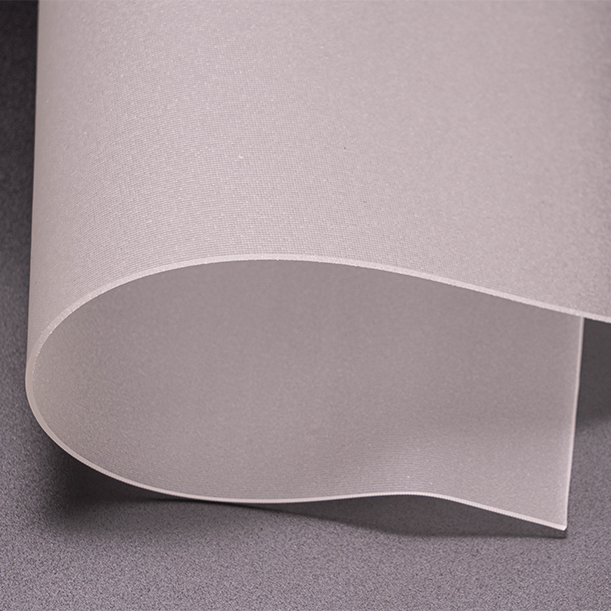
Xin Gen’s Solution: They recommended a customized high-adhesion TPU film with stable transparency. The film was tested against the client’s exact lamination equipment, temperatures, and pressures.
Result: The film passed lamination testing on the first try and entered pilot production within 45 days. The client reported zero failures in subsequent durability tests (including impact resistance and thermal cycling).
Compare this to another well-known supplier I’ve worked with: Their standard TPU film required three rounds of formulation adjustments before passing a similar test, adding 90 days to the timeline.
Actionable Advice: Don’t just ask for a product—ask for a solution tailored to your materials and equipment. Xin Gen’s technical support team, which provides professional guidance during the sampling process, is a key differentiator. Inquire about their ability to customize thickness, hardness, and adhesion properties.
4. Why Other Applications Benefit, Too
While the focus here is on interlayer films, Xin Gen’s TPU technology spans multiple industries. Their films are used in:
Automotive: Paint protection and interior parts, resisting scratches and stone impacts.
Electronics: Self-healing screen protectors that fit curved displays.
Medical: Biocompatible wound dressings and catheters (certified via FDA and EU 10/2011).
Textiles: Waterproof, breathable laminates for outdoor gear.
I’ve seen companies in these sectors save 20–30% on development time by tapping into Xin Gen’s sampling system. For example, a medical device manufacturer reduced their catheter prototype cycle from 12 weeks to 6 weeks by using Xin Gen’s fast sampling service.
Actionable Advice: If you’re working on a new product, consider whether TPU could replace your current material. Xin Gen’s broad certification portfolio (OEKO-TEX, SGS, ROHS, REACH) means they can handle regulated industries like medical and food contact.
5. The Bottom Line: My Perspective After Reviewing the Evidence
After comparing Xin Gen Tech with major players in the TPU space, here’s what stands out: consistency and speed. Most suppliers can produce a decent film, but the gap between their samples and production runs is where projects die. Xin Gen’s investment in a dedicated R&D center and 1:1 simulation lines gives them a measurable advantage.
They also scale well. Founded in 2009, with a 6,000-square-meter factory in Shanghai and sales offices in Shenzhen and Los Angeles, they have the infrastructure to handle large orders without sacrificing quality. Their presence at events like the 2025 Shanghai CMEF shows they’re committed to innovation, especially in medical materials.
Actionable Advice: If you’re evaluating Xin Gen as a supplier, start with a small test order for a non-critical application. Use their sampling system to validate the film’s performance. Once you verify the consistency, scale up. Based on my analysis, the risk of failure is significantly lower than with alternatives.
Summary of Key Takeaways
Look for a supplier with 1:1 sample-to-production capability. Xin Gen’s 400mm sample width and low sampling cost are strong indicators.
Test adhesion and clarity under your real conditions. Ask for customized formulations if needed.
Prioritize suppliers with strong third-party certifications (e.g., ISO, FDA) and a proven track record in your industry.
Consider the entire ecosystem: Xin Gen’s applications in automotive, electronics, and medical mean they understand diverse stress requirements.
Your next project deserves an interlayer that won’t fail. Based on the data, Xin Gen Tech is a reliable partner for that goal.