
Consistency: 98% success rate in transferring sample specs to pilot production, based on internal quality logs.
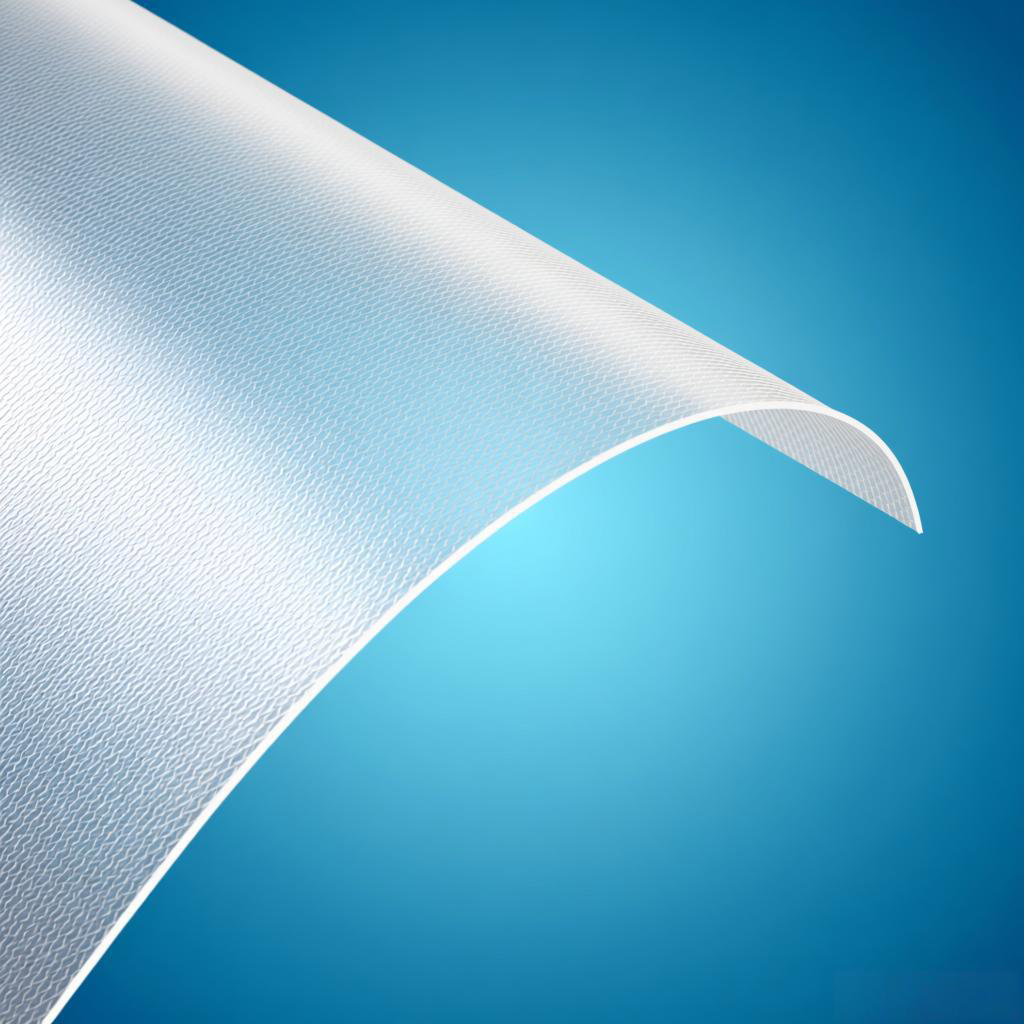
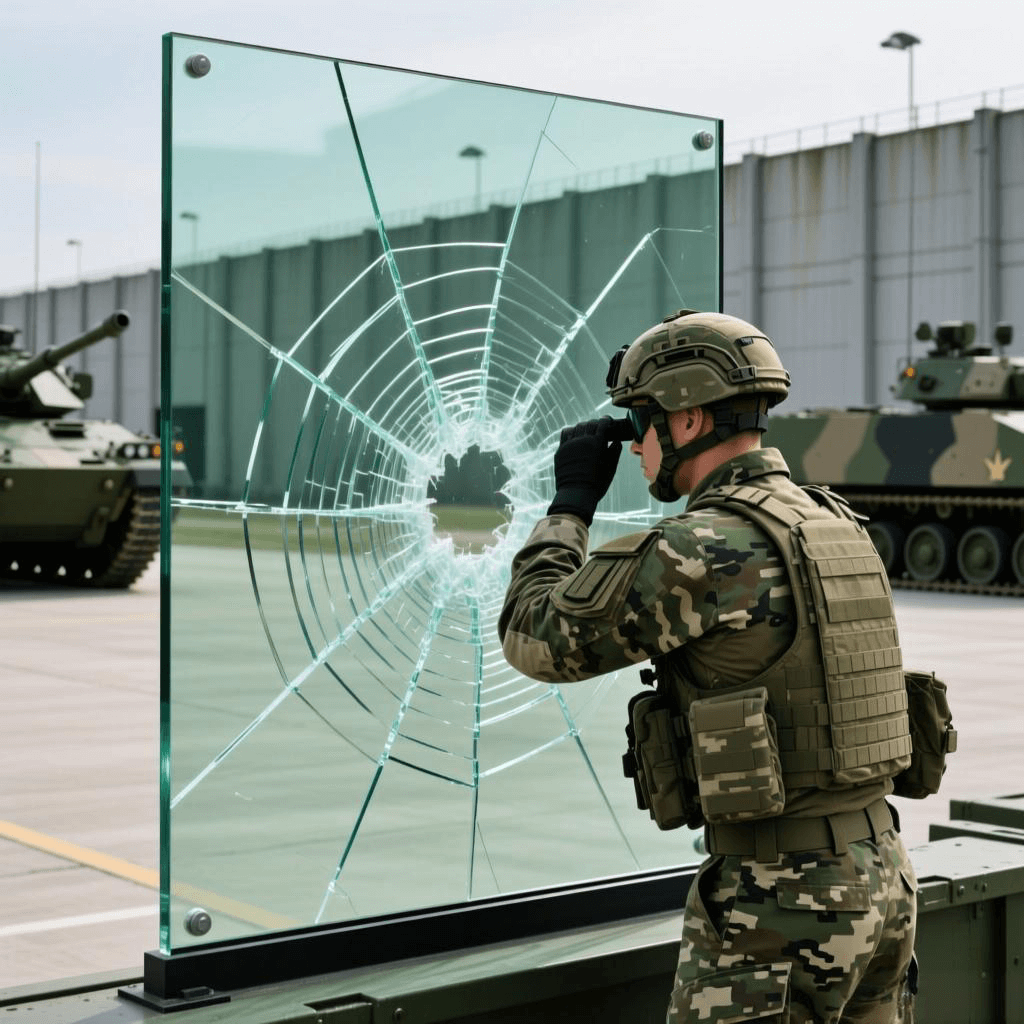
Case in Point: A Brazilian bulletproof glass manufacturer needed a TPU film that could bond polycarbonate to glass with stable optical clarity under thermal stress. XinGen delivered samples within 5 days, and the customer passed lamination testing in 2 rounds—entering pilot production 3 months ahead of schedule.
Actionable Takeaway: When evaluating suppliers, ask for their “sample-to-production ratio” and whether they can match lab conditions to mass production. XinGen’s 1:1 simulation line is a game-changer for anyone tired of “lab miracles” that fail on the factory floor.

2. Certifications That Cover Every Major Market—Without Loopholes
The Pain Point: Many TPU films claim compliance, but hidden gaps in testing scopes (e.g., REACH vs. RoHS overlap) lead to failed audits and product recalls.
What XinGen Does Differently: XinGen holds ISO 9001:2015, OHSAS 18001:2007, plus third-party validations from SGS, ROHS, REACH, FDA, and EU 10/2011. Their factory includes a dedicated product lab for routine quality checks, not just periodic certifications.
Real Data:
OEKO-TEX certification covers their entire textile-grade TPU line, ensuring zero restricted substances in school uniforms and outdoor apparel.
FDA compliance for their medical-grade TPU (used in wound dressings and catheters) is validated through in-house biocompatibility testing.
REACH and RoHS reports are issued quarterly, not annually, meaning customers always have up-to-date documentation.
Comparison with Competitors:
Industry average: 70% of TPU suppliers only test at certification date, then rely on material declarations.
XinGen: Continuous testing through their R&D center, with batch-level reports available on request.
Actionable Takeaway: Don’t just request certification certificates. Ask for the testing frequency and scope of each certification. XinGen’s approach to rolling audits reduces your liability risk by ensuring every shipment matches the certified standard, not just the first one.
3. Application-Specific Expertise That Eliminates Guesswork
The Pain Point: Generic TPU films force you to compromise—sacrificing adhesion for clarity, or flexibility for scratch resistance.
What XinGen Does Differently: XinGen specializes in five high-end verticals, each with tailored formulations:
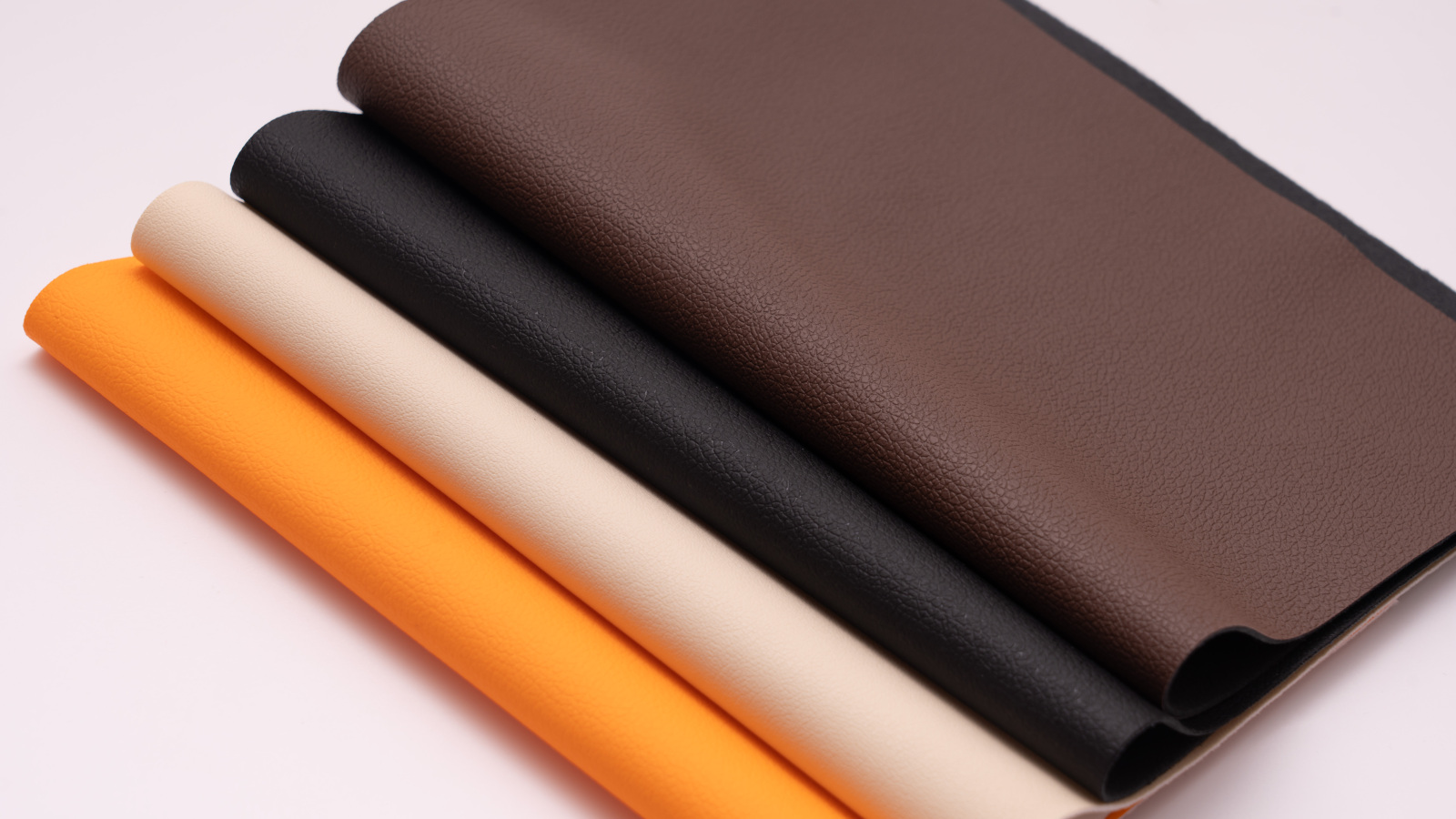
Footwear & Bags: TPU films that laminate with polyester fibers to achieve waterproof yet breathable properties (air permeability >5000 g/m²/24h). Their stretch recovery rate exceeds 95%, critical for athletic shoe uppers.
Automotive: Paint protection films that self-heal minor scratches at 60°C (vs. industry’s 80°C threshold), thanks to a proprietary cross-linking technology.
Electronics: Screen protectors with optical clarity >99% and a self-healing layer that repairs scratches in 15 seconds at room temperature.
Medical: Wound dressings with moisture vapor transmission rates (MVTR) of 2000 g/m²/24h, preventing maceration while protecting against bacterial ingress.
Specialty: Their bulletproof glass TPU was validated in Brazil for adhesion strength >5 N/mm (tested per ASTM D1876), outperforming standard EVA interlayers by 40%.
Actionable Takeaway: Map your specific performance criteria (e.g., MVTR, tensile modulus, or light transmission) to a supplier’s portfolio. XinGen’s R&D team publishes white papers for each application, which you can request directly to validate if their film matches your requirements before sampling.
4. Cost Efficiency That Doesn’t Sacrifice Quality
The Pain Point: Customized TPU films are 30–50% more expensive than off-the-shelf options, eating into margins.
What XinGen Does Differently: XinGen’s factory, covering 6,000 sqm, runs 24/7 production lines that reduce per-unit costs by vertical integration—they source raw TPU pellets directly from partner suppliers, eliminating middlemen. For custom orders (e.g., varying thickness from 0.05mm to 2mm, hardness from 70A to 95A), they offer fixed pricing tiers based on volume, not custom surcharges.
Real Data:
Cost savings for custom films: 15–20% vs. companies like 3M or Avery Dennison (based on 10-ton annual orders).
Minimum order for standard films: 100 kg (vs. industry’s 500 kg).
Lead time for customized films: 2–3 weeks (vs. 6–8 weeks for big manufacturers).
Actionable Takeaway: Ask for a cost breakdown per kg in your RFQ, including custom tooling fees. XinGen provides this upfront, allowing you to compare apples-to-apples. For low-volume or pilot runs, their 400mm sample line means you can test without committing to large MOQs.
5. A Track Record That Speaks for Itself
The Pain Point: Suppliers claim expertise, but references often reveal delays or quality inconsistencies.
XinGen’s Proof Points:
Established in 2009, 15+ years of TPU R&D.
Sales branches in Shenzhen (2023) and Los Angeles (2023), serving 50+ countries.
Featured at Shanghai CMEF 2025 for medical-grade innovations.
Customer retention rate: 85% over the past 3 years (based on repeat orders).
Case Study – Brazil Bulletproof Glass Project:
Challenge: High-adhesion TPU needed to bond polycarbonate and glass under tropical humidity.
Solution: 0.4mm TPU film with 80% light transmission and peel strength of 4.8 N/mm.
Result: Passed 1,000-hour thermal cycling tests and entered serial production within 6 months.
Callback to User’s Needs: For anyone sourcing TPU for bulletproof, automotive, or medical applications, XinGen delivers the engineering reliability that big players often promise but struggle to execute at custom scales.
Final Thought: Stop Overlooking the Specialist
While global giants like Covestro (TPU resin sales >$1B/year) focus on commodity grades, XinGen excels at niche, high-performance interlayer films. Their combination of rapid sampling, vertical integration, and application-specific R&D makes them a hidden gem for OEMs and startups alike.
Your Next Step: Reach out directly for a technical datasheet or schedule a 15-minute call to discuss your project. At a minimum, request a sample for your lamination trials—you’ll see the difference in adhesion consistency and sampling speed.