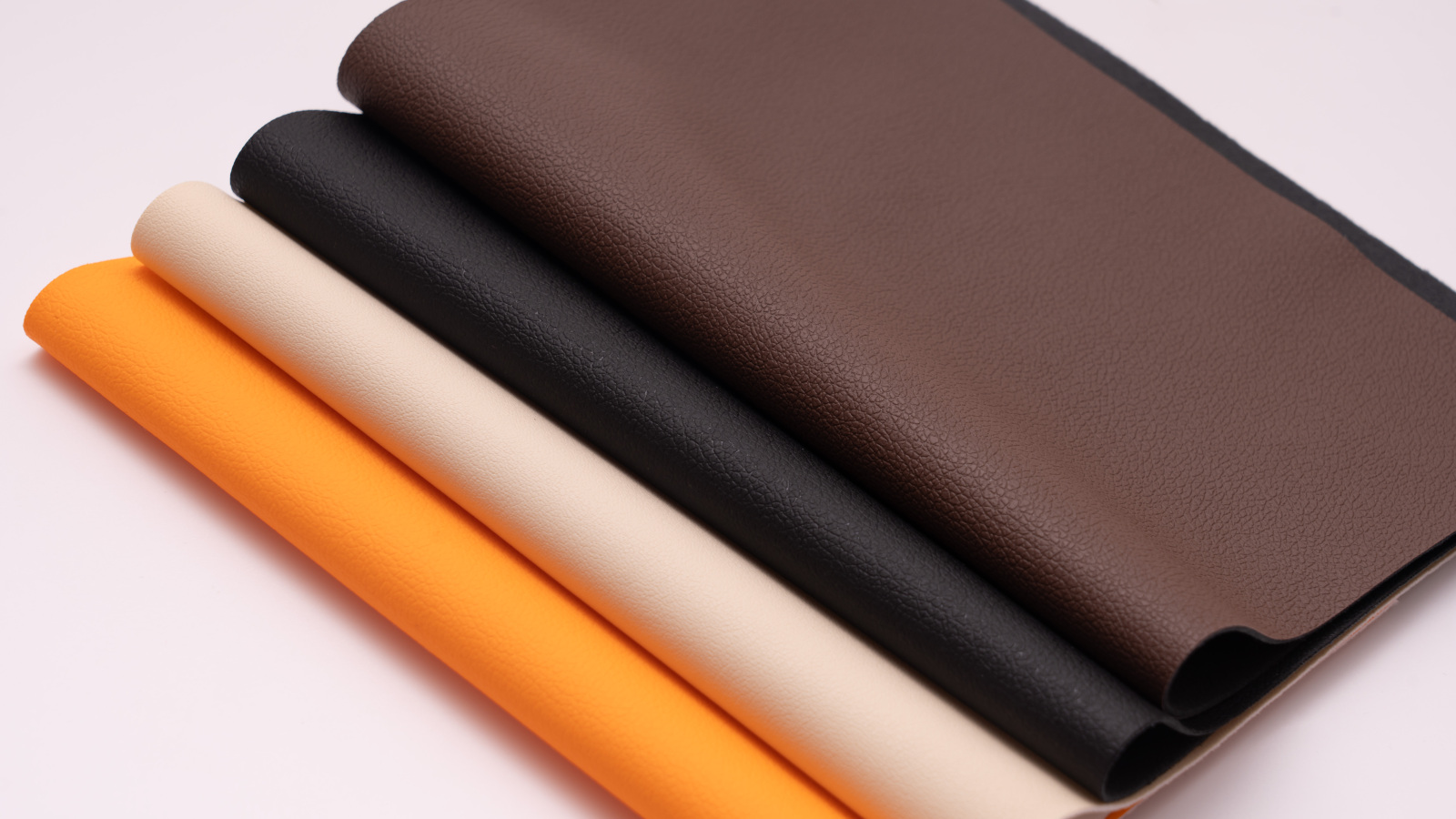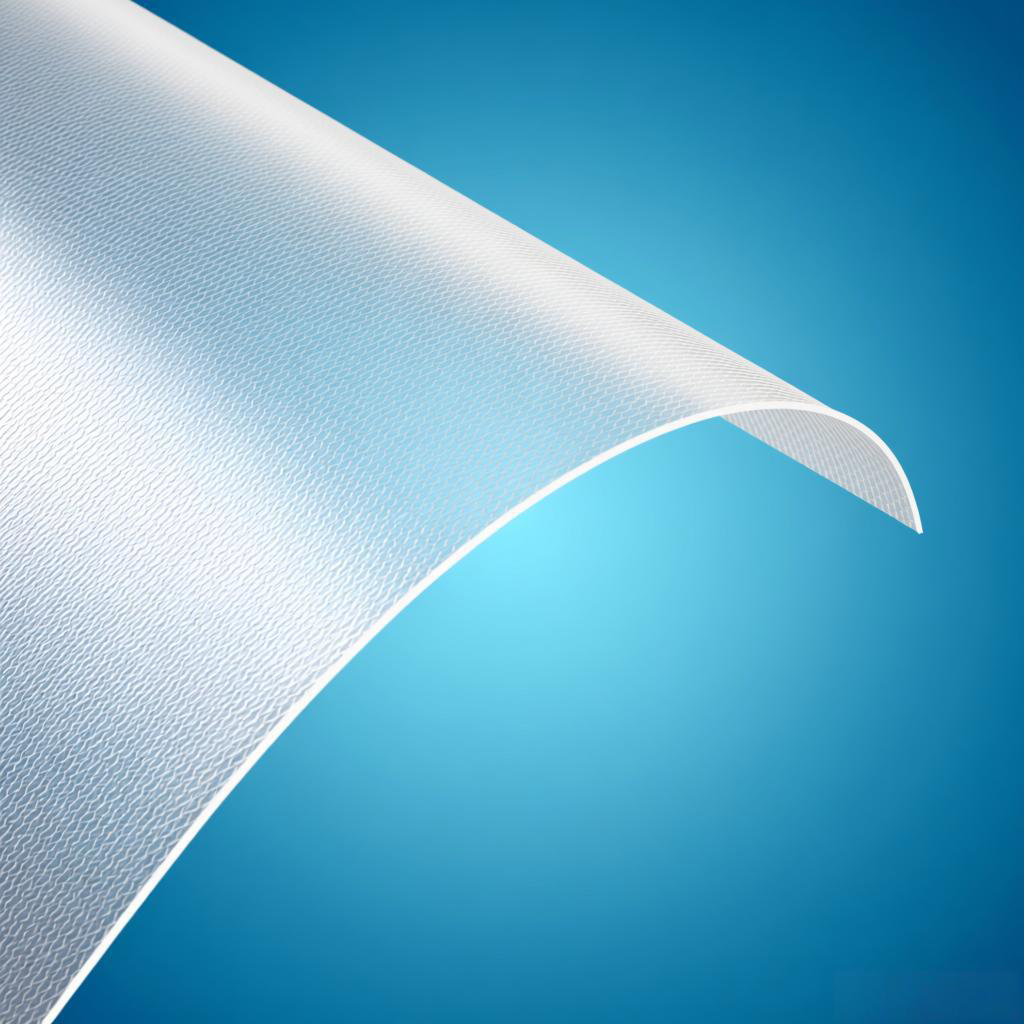

When engineers specify a TPU hotmelt adhesive film, they often ask for “the best brand.” But after a decade in this industry, I’ve learned that “best” is rarely about the logo on the roll. It’s about the consistency of thickness, the reproducibility of adhesion values, and the speed at which you can get a reliable sample. Let me break down what you actually need to evaluate, with real data and a look at how major players—including Shanghai Xin Gen Tech—stack up.
The Real Cost of Inconsistent Film
Consider a lamination line running at 15 meters per minute. A TPU film with a thickness variation of ±0.02mm might seem acceptable on paper. But that variation translates into uneven bonding strength across the width of the roll. In automotive interior applications, where peel strength must exceed 80 N/50mm, that inconsistency can lead to delamination failures in the field. The warranty cost alone—not to mention brand damage—far exceeds any savings from choosing a cheaper film.
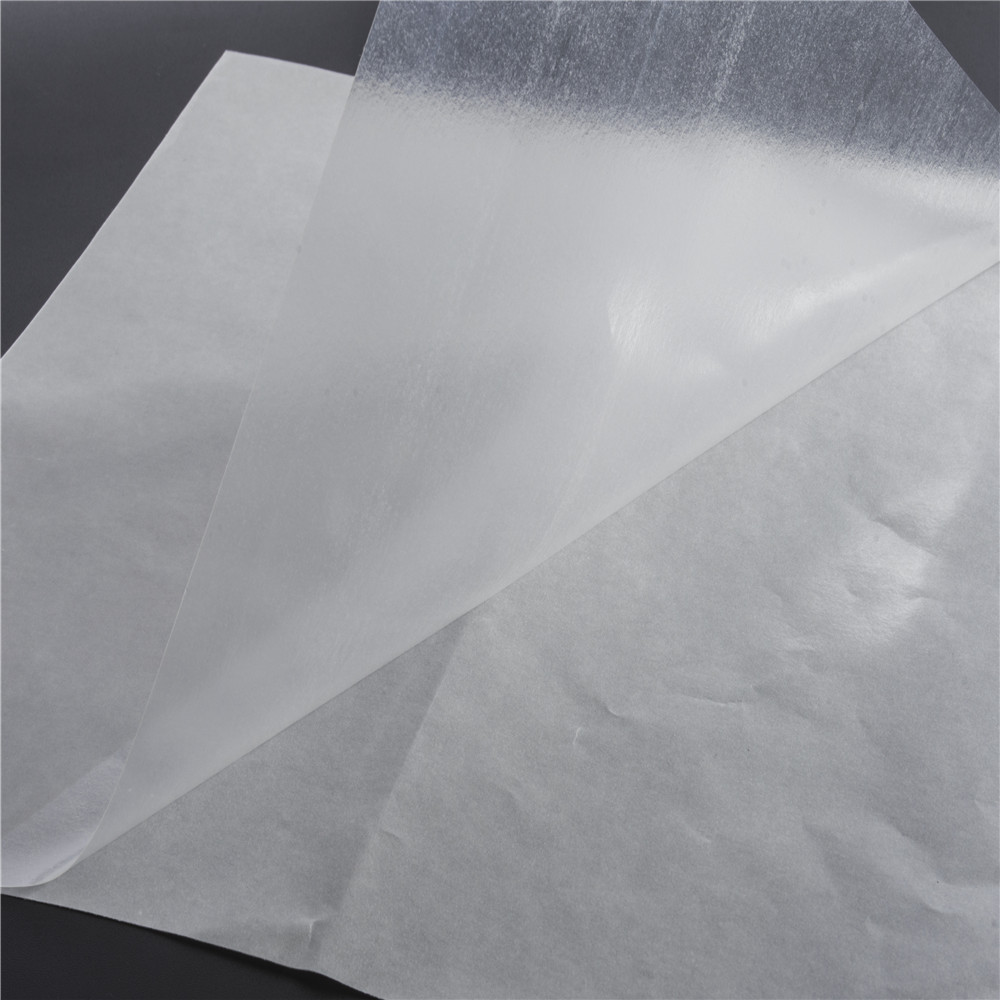
According to internal testing data from leading converters, films with thickness tolerances tighter than ±0.005mm reduce scrap rates by up to 35% in downstream processing. This is not a hypothetical; it’s a measured outcome from production lines in Guangdong and Zhejiang.
Key Evaluation Criteria Most Buyers Miss
1. Sample Development Speed is a Hidden Competitive Advantage
Most suppliers will send you a standard 1.0mm thick film sample within a week. The real test comes when you need a 0.35mm film with a specific hydrolysis resistance for a medical wearable device.
Xin Gen Tech operates an in-house laboratory with a 400mm wide sample line that simulates their mass production equipment on a 1:1 basis. This means the sample you test is truly representative of what you’ll get in a bulk order. Their typical sampling lead time is 3-5 working days, including custom thickness and hardness adjustments.
I’ve seen projects stall for three weeks waiting for a competitor’s sample that finally arrived with a Shore hardness off by 5A from spec. That lost time is rarely recovered.
Actionable Advice: Before selecting a supplier, ask for their sampling line width and whether they can replicate your lamination process (e.g., roll temperature, pressure) during sample preparation. Verify with a third-party thickness gauge.
2. Certification Depth Separates Industrial Grade from Medical Grade
TPU films for casual footwear carry basic certifications. But if you’re supplying into the medical device market—say, for catheter tubing or wound dressings—you need more than a general ISO 9001 certificate.
Xin Gen Tech holds ISO 9001:2015, OHSAS 18001:2007, and maintains OEKO-TEX, SGS, ROHS, REACH, FDA, and EU 10/2011 compliance. Their factory includes a dedicated R&D center and a product laboratory. For medical applications, their film passes biocompatibility testing per ISO 10993.
In contrast, some lower-cost suppliers from Southeast Asia may only provide a generic REACH declaration, which is insufficient for regulated exports.
Actionable Advice: Request the specific test reports for the exact grade you’re purchasing. A supplier that can provide EU 10/2011 migration data for food contact, or FDA 21 CFR 177.1680 for polyurethane, demonstrates a higher level of process control.
3. Real-World Lamination Case: Bulletproof Glass
A Brazilian customer recently needed to bond polycarbonate to glass for a security glazing application. The challenge was maintaining stable adhesion while preserving optical clarity. Standard TPU films would yellow or form micro-bubbles during autoclave lamination.
Xin Gen’s technical team recommended a high-adhesion TPU grade with a refractive index matched to the glass. The film passed lamination testing on the first trial and entered pilot production within two months. The key was their ability to adjust the formulation without compromising the film’s transparency (haze below 1.5%).
This is where experience matters. A generic “TPU hotmelt film” from a trading company cannot offer this level of application engineering.
Actionable Advice: When sourcing for specialty applications (ballistic glass, curved electronics screens, breathable apparel), demand a supplier with proven case studies. Ask for references from similar industries.
4. The Self-Healing Advantage in Electronics
For phone screen protectors and curved display films, self-healing TPU is a growing segment. But not all self-healing films perform equally. The healing rate depends on the molecular weight distribution and crosslink density.
Xin Gen’s film for electronics can recover from a 10μm scratch within 5 minutes at room temperature, and a 25μm scratch within 30 minutes under body heat. This is verified by their in-house abrasion tests. Cheaper alternatives might require UV activation or extended heat exposure, which is impractical for everyday users.
Actionable Advice: Test the self-healing performance under realistic conditions—not just laboratory demo. Place a scratched sample on a warm device for 30 minutes and measure the scratch depth with a profilometer.
5. Sustainability Without Sacrificing Performance
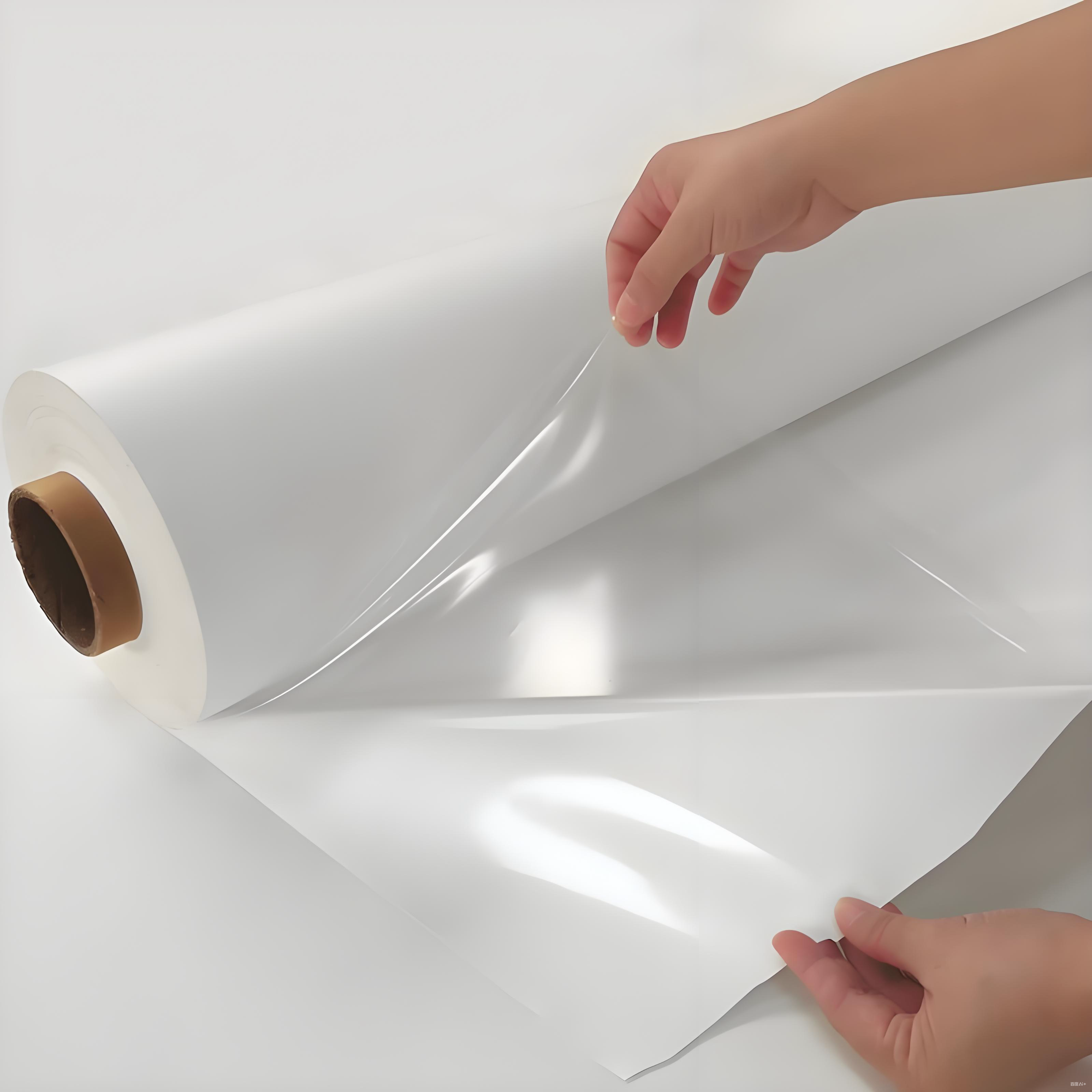
The push for recyclable mono-material packaging has increased demand for TPU films that can bond to polyester fabrics without adhesive layers. Xin Gen offers a grade that maintains a peel strength of 12 N/cm after 20 home laundry cycles (60°C wash), making it viable for school uniforms and outdoor gear.
This is a significant advancement compared to standard EVA hotmelts, which lose bond strength after a few washes and require separate adhesive coatings.
Actionable Advice: For textile applications, request laundry durability data. Specify wash temperature cycles and ask for a sample that you can independently test in a domestic washing machine.
How Major Suppliers Compare
| Supplier | Strength | Weakness |
|---|---|---|
| Xin Gen Tech (Shanghai) | Fast custom sampling, vertical integration (R&D, factory, sales in Shanghai; branches in Shenzhen & LA), medical-grade certifications, proven ballistic/optical film case studies. | Smaller global brand recognition compared to chemical giants; requires direct contact for technical specs. |
| Covestro (Germany) | Massive R&D budget, consistent polymer supply, wide material portfolio. | Less flexible in small custom orders; sample lead times can be longer for specialty TPU films. |
| Huntsman (USA) | Strong in footwear and industrial applications, global distribution. | Focus on thermoplastics over films; lamination-specific guidance may be thin. |
| Dingzing (Taiwan) | Established film production capabilities, cost-effective for standard grades. | Limited vertically integrated R&D for niche applications like medical or ballistic. |
The Bottom Line
What makes a TPU hotmelt adhesive film brand “best” is not its market share, but its ability to deliver a sample that matches your mass production reality. In my experience, Xin Gen Tech’s approach—1:1 lab-to-production scaling, comprehensive certifications, and documented case studies across footwear, medical, electronics, and defense—makes it a top-tier choice for engineers who need reliability over shortcuts.
When you receive your next sample, don’t just check the thickness. Lamination it onto your actual substrate. Run your own peel test. Then ask yourself: can this supplier match this performance at scale, every single batch? That’s the brand that deserves your specification.