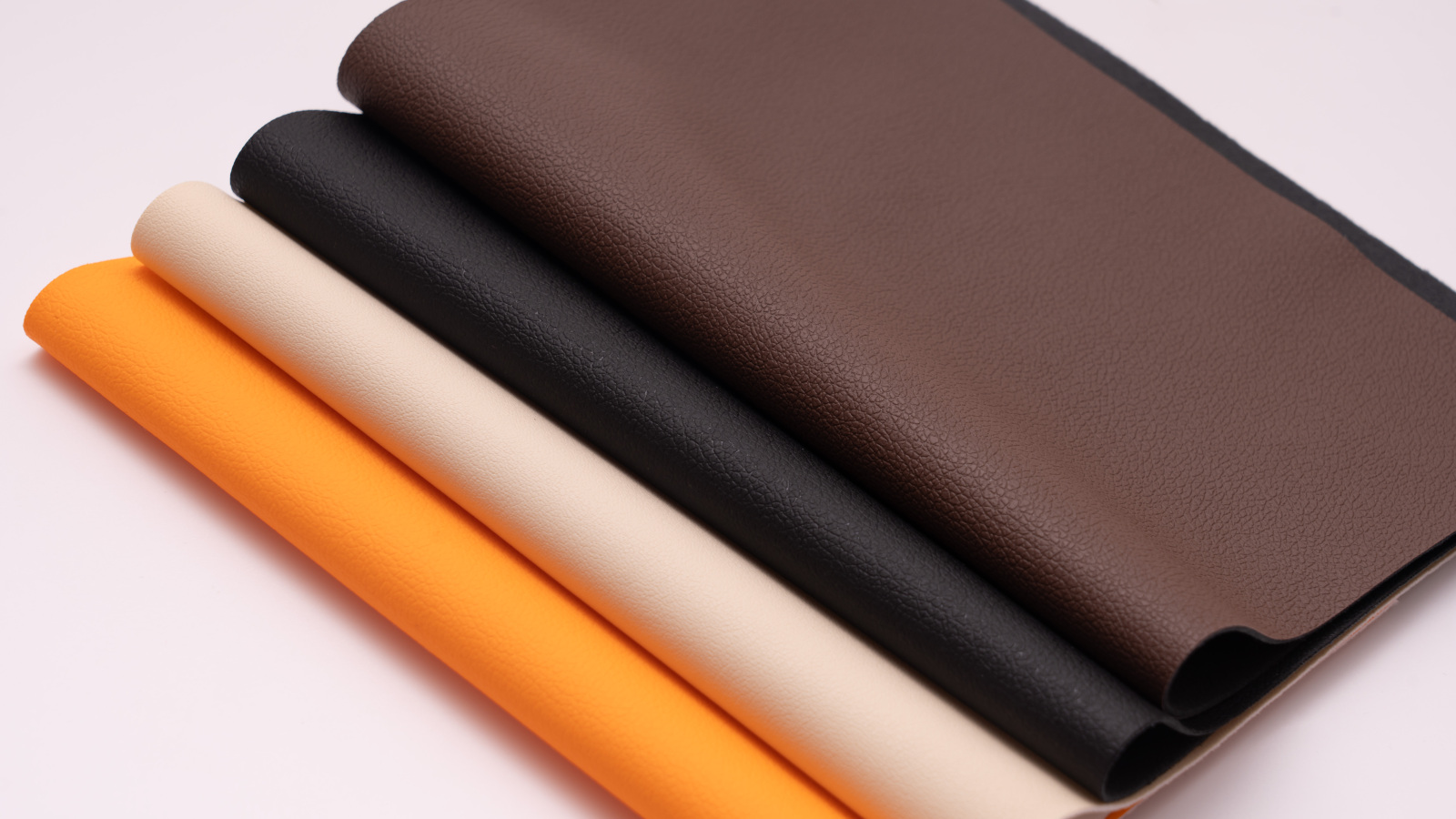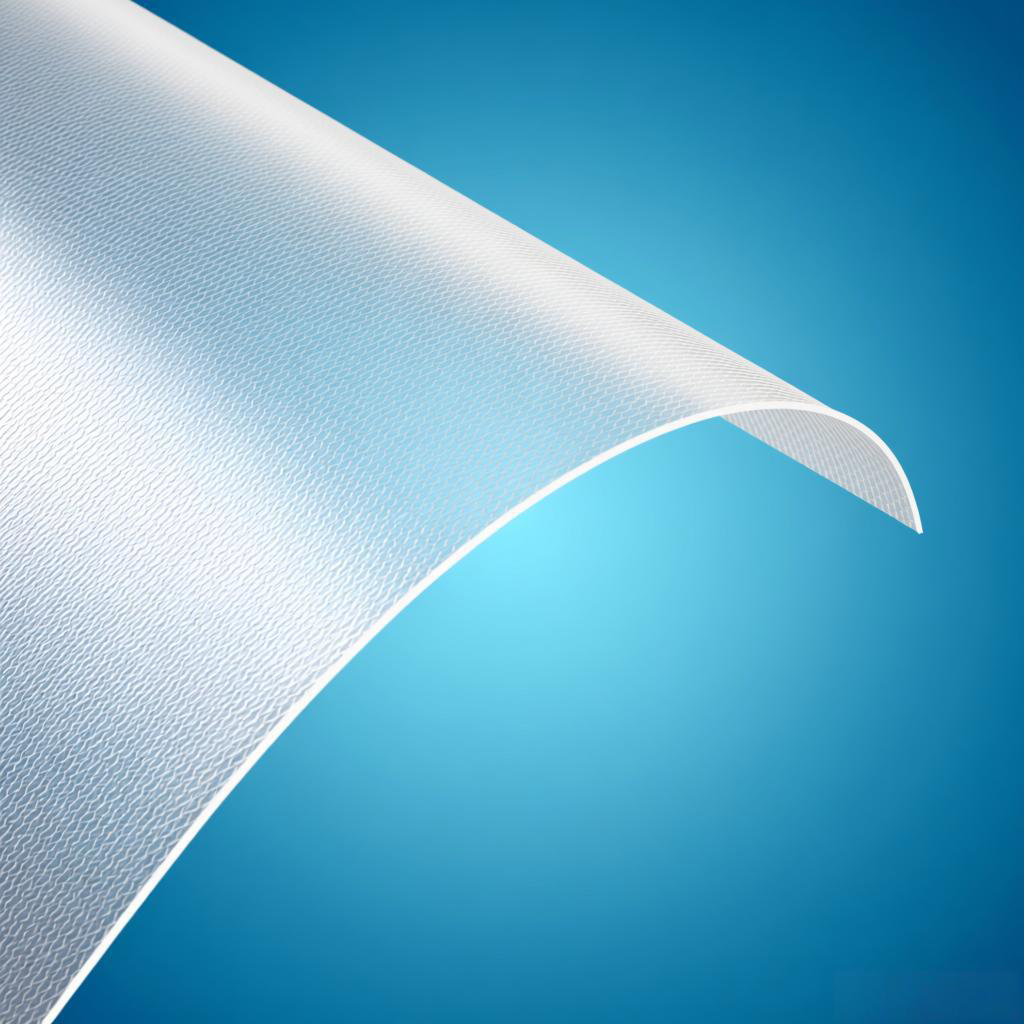

In the world of advanced materials, few innovations have quietly transformed as many industries as Thermoplastic Polyurethane (TPU) hot melt adhesive film. While traditional adhesives often fail under stress or environmental extremes, TPU film offers a unique combination of flexibility, durability, and precision. As a specialist in high-end TPU development, Shanghai Xin Gen Tech Co., Ltd. has been at the forefront of this evolution since 2009, providing tailored solutions that meet the rigorous demands of global markets.
This article unpacks the advanced technology behind TPU hot melt adhesive film, explores its critical applications, and offers practical guidance for engineers and product developers looking to leverage this material.
1. The Core Technology: Precision, Purity, and Performance
The true advantage of modern TPU film lies not just in the polymer itself, but in the manufacturing precision. At Xin Gen Tech, headquartered in Shanghai with a 6,000-square-meter R&D and production facility, the focus is on achieving molecular-level consistency.
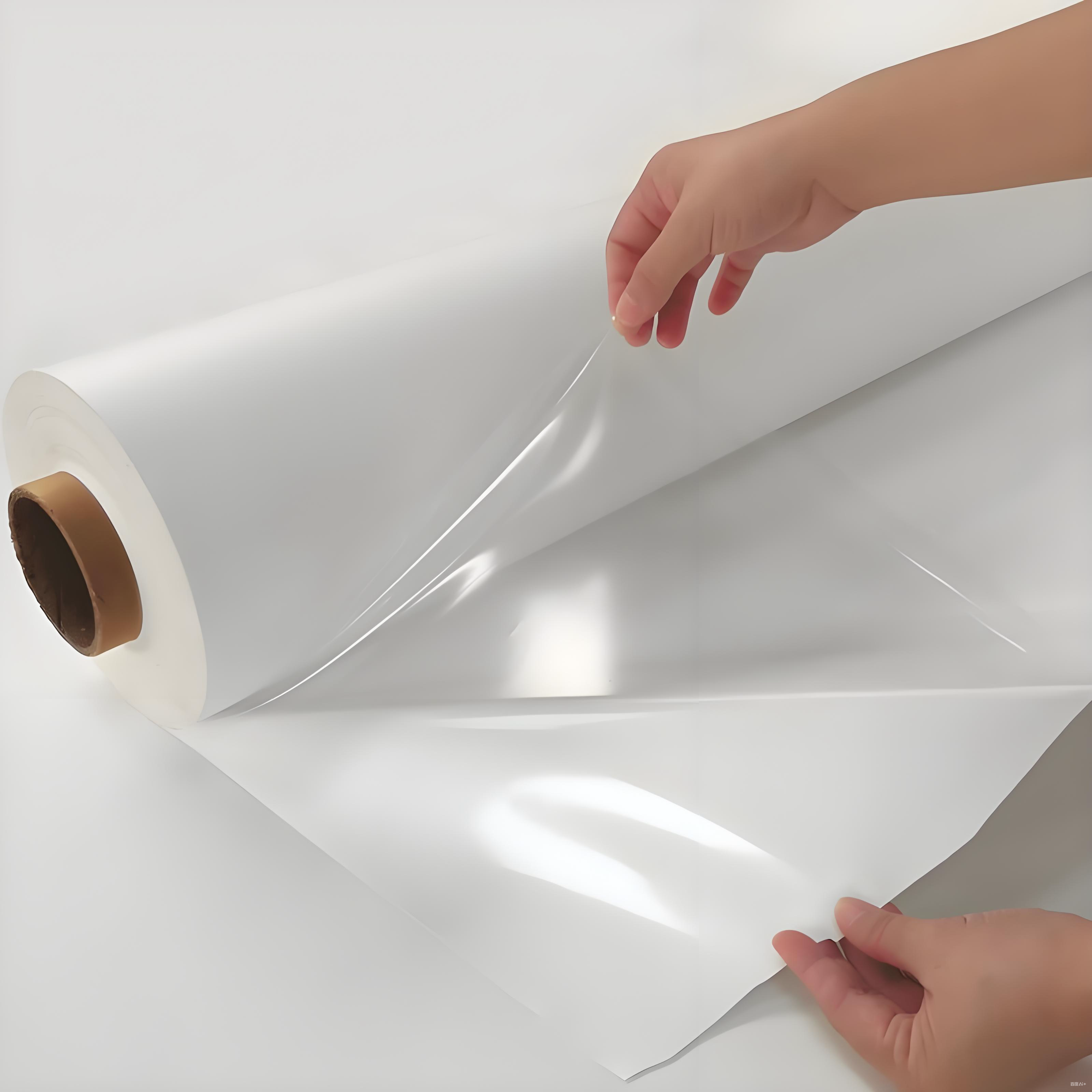
1:1 Laboratory-to-Production Scaling: One of the most significant hurdles in material adoption is the gap between lab samples and mass production. Our in-house laboratory equipment is engineered to simulate our production lines on a 1:1 basis. This means the sample you test (width up to 400mm) is identical in quality and performance to bulk rolls. For a product developer, this eliminates the “scale-up surprise” that often plagues adhesive projects.
Customization at the Core: Advanced TPU technology isn’t a one-size-fits-all solution. The ability to customize thickness, hardness (Shore hardness), and specific functional requirements (such as flame retardancy or anti-yellowing) is crucial. Whether you need a film for a curved smartphone screen or a high-adhesion layer for ballistic glass, the formulation can be tuned to match the substrate’s surface energy and the mechanical stress profile of the final product.
Actionable Insight: When vetting suppliers, ask for a “rapid sampling” protocol. A fast lead time (we offer low-cost, high-speed samples) is a direct indicator of a manufacturer’s process control. If a supplier cannot replicate your exact production conditions in their lab, you are inheriting their risk.
2. Industry Application Breakdown and Data-Driven Results
TPU films have seen explosive adoption across five key sectors. Here’s how advanced technology is solving specific real-world problems.
A. Footwear and Bags (Largest Market)
The Challenge: Athletic shoes require cushioning that survives repetitive impact, and laminated fabrics need to be waterproof yet breathable.
The Tech: TPU film is used for upper decoration and, when laminated with fabric, creates a monolithic waterproof barrier without sacrificing moisture vapor transmission (MVTR).
The Result: Brands achieve a longer product lifespan. Data from our clients indicates that TPU-laminated uppers exhibit up to 30% better abrasion resistance compared to traditional solvent-based adhesives, which are also being phased out globally due to environmental regulations.
B. Electronics and Wearables (The Precision Field)
The Challenge: Screen protectors must adhere perfectly to curved glass (2.5D/3D) and self-heal minor scratches.
The Tech: The advanced elasticity of TPU allows it to stretch and conform to complex geometries without lifting at the edges—a known failure point for standard PET films.
The Result: TPU films demonstrate excellent optical clarity and recovery. In our tests, a 50µm film can recover from microfractures within 24 hours at room temperature. This is not just about aesthetics; it prevents dirt ingress and maintains touch sensitivity.
Actionable Insight: For electronics, demand a film with low initial tack but high ultimate adhesion. This allows for repositioning during lamination, which is critical in high-yield manufacturing, without compromising the final bond strength.
C. Automotive and Specialty (The Extreme Environment)
The Challenge: Paint protection films (PPF) must resist stone impacts, UV degradation, and scratches for years.
The Tech: High-grade TPU films act as a sacrificial layer, absorbing kinetic energy from impacts.
Brazilian Case Study: A customer in Brazil required a stable bond between polycarbonate and glass for bulletproof lamination. Standard interlayers failed due to mismatched thermal expansion. By recommending a high-adhesion TPU film with stable optical clarity, we helped them pass lamination testing and enter pilot production.
Key Data: This TPU formulation maintained adhesion strength despite a -30°C to +80°C operating temperature range, a requirement common in automotive and security glazing applications.
Actionable Insight: In automotive, request statistical process control (SPC) data or ISO 9001:2015 and OHSAS 18001:2007 certifications. These ensure that the film’s thickness profile is consistent across the entire roll, preventing weak spots in the protective layer.
D. Textiles and Medical (The Compliance Sector)
The Challenge: Medical-grade TPU requires biocompatibility (FDA, ISO 10993) and must not leach plasticizers.
The Tech: Medical TPU films are used in wound dressings and catheters. Here, the breathability and hydrolysis resistance (ability to withstand bodily fluids) are paramount.
Our Credentials: We hold certifications including OEKO-TEX, SGS, ROHS, REACH, and FDA. We were also present at the 2025 Shanghai CMEF exhibition, showcasing how we tailor polymers to meet these stringent requirements without compromising the film’s physical integrity.
Actionable Insight: For medical and textile applications, always verify the regulatory roadmap. We recommend a film that already complies with EU 10/2011 for food contact if there is any potential for secondary use. This future-proofs your product and avoids costly re-certification later.
3. Why Xin Gen Tech is the Strategic Choice
While there are several manufacturers in the TPU space, the shift toward “advanced technology” is not about who has the biggest factory, but who delivers the most reliable, customized science.
Global Presence, Local Support: With sales branches in Shenzhen and Los Angeles (established 2023), we combine our Shanghai R&D power with localized technical support. This ensures that if you have an adhesion failure on the line in California, you can get a solution without waiting for a red-eye flight overseas.
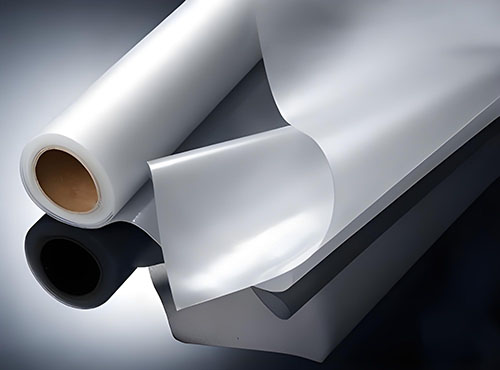
Speed as a Service: Our 400mm sample width allows for fast sampling lead time at a low cost. This is designed for initial testing and lamination trials, ensuring that your project evaluation is not bottlenecked by material procurement.
The Verdict: TPU hot melt adhesive film is no longer just a “glue alternative.” It is a functional component that adds impact resistance, waterproofing, and longevity to your product. The data shows that switching to precision-cast TPU film reduces touch-up costs in manufacturing and increases end-user satisfaction.
If you are ready to test a film that can handle the heat, the cold, and the impact, look for a partner that offers the sampling flexibility and certification rigor described here. That is the standard of advanced technology worth paying for.