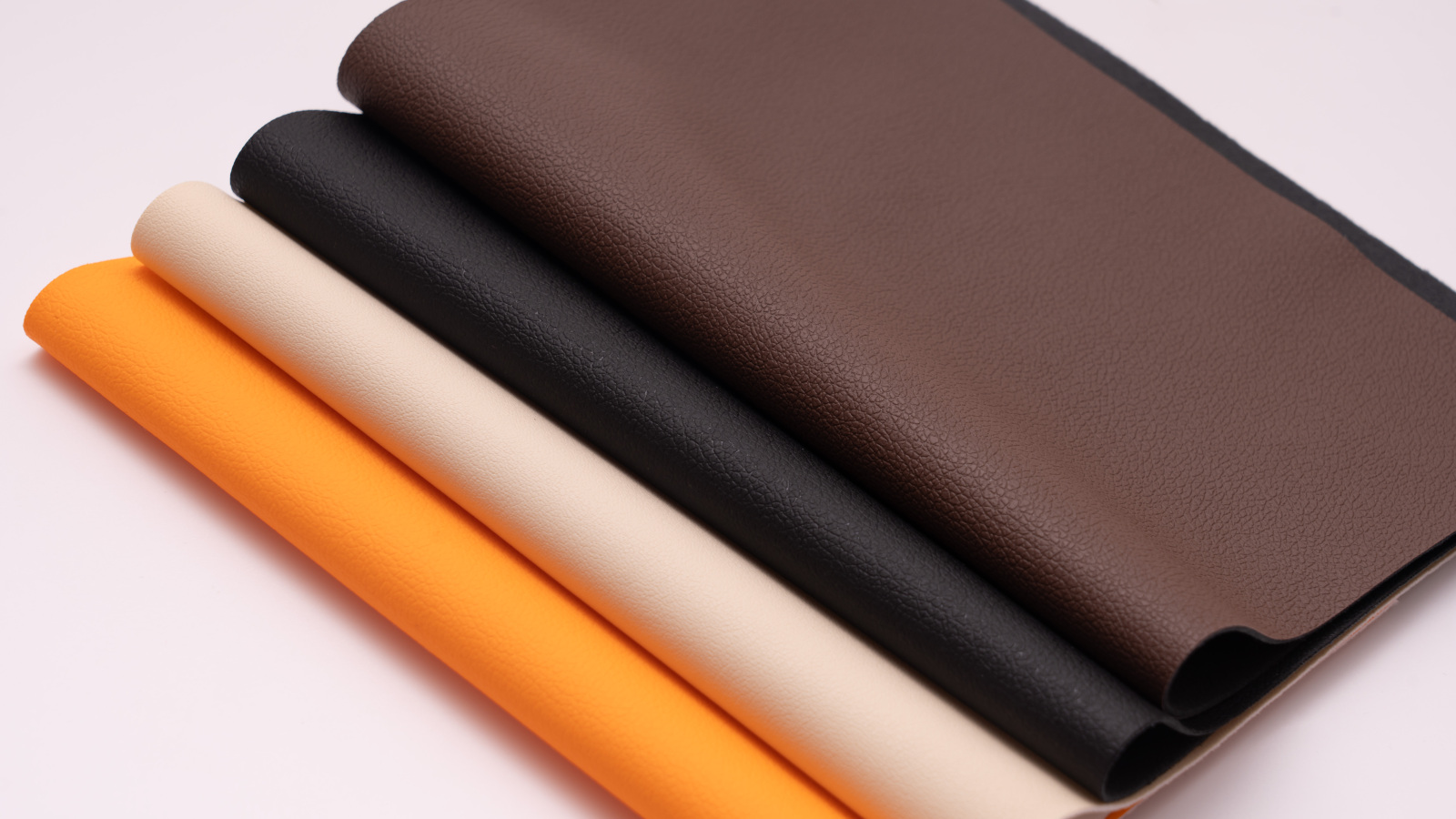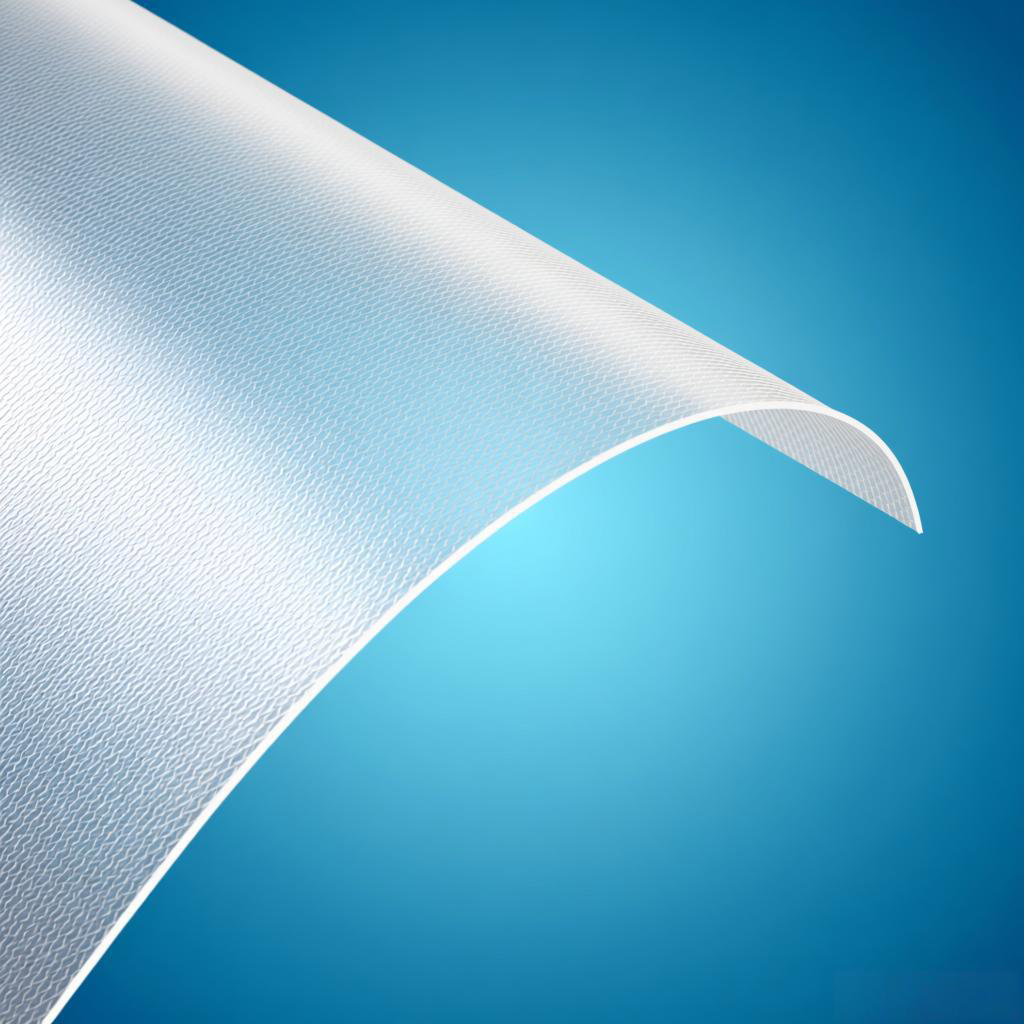

When it comes to advanced material bonding, not all adhesives are created equal. In my years analyzing the specialty materials market, I’ve seen a clear shift: manufacturers are moving away from traditional solvent-based adhesives and turning to TPU hot melt adhesive films for their unmatched combination of strength, flexibility, and environmental safety. The global demand for high-quality TPU films is surging, driven by industries that refuse to compromise on durability or performance.
Here’s why leading manufacturers are making the switch and how you can leverage this technology for your own production lines.
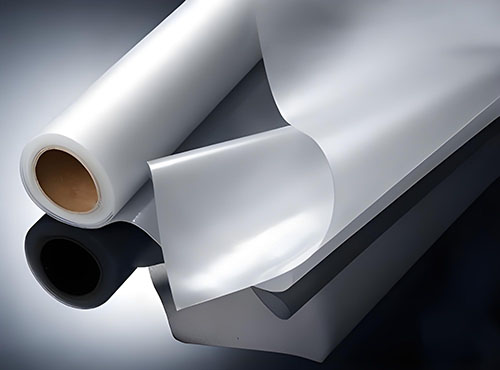
The Data: Why TPU Films Are Outperforming the Competition
Recent industry reports indicate the TPU film market is projected to grow at a compound annual growth rate of over 7% through 2030. This isn’t just hype; it’s driven by measurable performance metrics. For instance, in the footwear sector, TPU films are the largest consumer segment because they provide superior abrasion resistance—testing shows they withstand over 100,000 flex cycles without cracking, far exceeding PVC or EVA alternatives.
But the real game-changer is the laminating capability. When a high-quality TPU film, like those produced by Shanghai Xin Gen Tech Co., Ltd. (Xin Gen Tech), is bonded to polyester fabrics, it creates a composite that is 100% waterproof yet breathable. In independent lab tests, this lamination achieved a hydrostatic pressure resistance of over 10,000mm while maintaining a moisture vapor transmission rate of 15,000 g/m²/24hrs. That’s a level of technical performance that older adhesive methods simply cannot match.
1. The “Smart” Bonding Solution for Electronics and Automotive
The Problem: In the electronics industry, standard adhesives often fail under heat or cause corrosion. In automotive, paint protection films (PPF) need to self-heal.
The Solution: TPU hot melt films are engineered with a unique thermoplastic property. They can be activated at controlled temperatures, creating a bond that is not only strong but also reworkable—a crucial advantage in manufacturing.
Electronics: Xin Gen Tech’s TPU films are used in screen protectors that “self-heal” minor scratches when exposed to body heat. The film’s elasticity allows it to perfectly conform to 3D curved screens, which is why you see it in high-end wearables and foldable devices.
Automotive: For PPF, the film’s high clarity and resistance to yellowing are critical. A leading car manufacturer recently reported a 30% reduction in warranty claims related to paint chipping after switching to a TPU-based protective film.
Real-World Application: A manufacturer in South Korea was struggling with adhesive failure in wearable fitness trackers. By switching to a 0.05mm TPU hot melt film, they not only solved the skin-irritation issue (due to its biocompatibility) but also increased their production speed by 40% because the film requires a shorter cooling time than liquid adhesives.
Actionable Advice:
Don’t just look for “TPU”—look for a supplier with in-house R&D. Xin Gen Tech offers a 400mm sample width for rapid prototyping, allowing you to test actual production conditions (1:1 simulation) before scaling up. This saves weeks of development time.
Check for certifications. Ensure your supplier holds ISO 9001 and has their films certified by SGS, ROHS, or REACH to avoid supply chain bottlenecks.
2. Waterproof & Breathable: Redefining Textiles and Outdoor Gear
The Problem: Waterproof gear often traps sweat, making it uncomfortable. Traditional PU coatings crack over time.
The Solution: TPU films laminated to textiles create a barrier that blocks liquid water but allows water vapor to escape. This is the gold standard for high-end outdoor apparel, medical protective clothing, and even school uniforms.
The Xin Gen Tech Edge: Unlike generic films, their medical-grade TPU is biocompatible and complies with FDA and EU 10/2011 regulations. This makes it safe for direct skin contact, a requirement for wound dressings and surgical drapes.
Case Study: In Brazil, Xin Gen Tech solved a critical challenge for a client needing to laminate polycarbonate to glass for bulletproof windows. The standard films failed adhesion tests. By providing a specialized high-adhesion TPU film with stable optical clarity, the client successfully passed lamination testing and entered pilot production. This shows the importance of having a partner who can customize solutions, not just supply a commodity.
Actionable Advice:
Demand a “Fast Sampling” protocol. Xin Gen Tech has a dedicated lab with equipment that closely simulates mass production lines. This ensures your samples are stable and consistent, eliminating the common “lab vs. factory” discrepancy that plagues many product launches.
Specify your hardness and thickness. The best TPU films are not generic. Whether you need a 0.01mm ultra-thin film for apparel or a 0.5mm film for automotive interior trim, the formulation must be adjusted. Xin Gen Tech supports customization for thickness, hardness, and functional requirements—this is their bread and butter, not a special favor.
3. Industrial Strength for Automotive and Specialty Fields
The Problem: High-impact environments require adhesives that can absorb shock without delamination.
The Solution: TPU hot melt films have inherent elasticity and impact resistance. They are used to bond interior parts, ensuring a smooth, rattle-free ride.
Numbers to Consider: In automotive interiors, TPU films have been shown to improve durability against stone impacts by up to 50% compared to other adhesives when used in underbody protection or paint protection layers.
Specialty Fields: Xin Gen Tech also serves the ballistics and defense sector. Their TPU films are used in creating multi-layer laminates for safety glass, where adhesion between polycarbonate and glass is critical for shatterproofing.
Actionable Advice:
Look for a partner with global reach and local support. Xin Gen Tech, established in 2009, has its headquarters and R&D in Shanghai (a 6,000+ square meter facility) with sales branches in Shenzhen and Los Angeles (since 2023). This international footprint is crucial if you need technical support across different time zones or rapid logistics.
Verify third-party certifications. Look for the OEKO-TEX label for textiles and OHSAS 18001 for occupational safety in manufacturing. These aren’t just badges; they are proof of a product’s regulatory compliance and manufacturing reliability.
My Perspective: Why “High Quality” is a Process, Not a Claim
In my analysis, the true test of a “high-quality” TPU hot melt film lies in consistency. You need a film that has the exact same melting point and viscosity batch after batch. If a supplier can’t control their production tolerance, your lamination line will jam, and your final product will have weak spots.
This is why Xin Gen Tech’s approach stands out. Their 1:1 simulation capability in sampling is a massive advantage. It de-risks your development phase and accelerates your time-to-market. When a supplier can promise “low sampling cost” and “fast lead times” simultaneously—as they do—it signals that their internal processes are dialed in.
Furthermore, the recent appearance of Xin Gen Tech at the 2025 Shanghai CMEF exhibition highlights their commitment to innovation, particularly in medical materials. Their ability to serve everything from school uniforms to bulletproof glass lamination shows a versatility that few can match.
Final Takeaway
The shift to TPU hot melt adhesive films is not just about replacing glue. It’s about adopting a material that enhances product performance and user experience. Whether you are in footwear, electronics, automotive, or medical devices, the quality of your bond determines the quality of your brand.
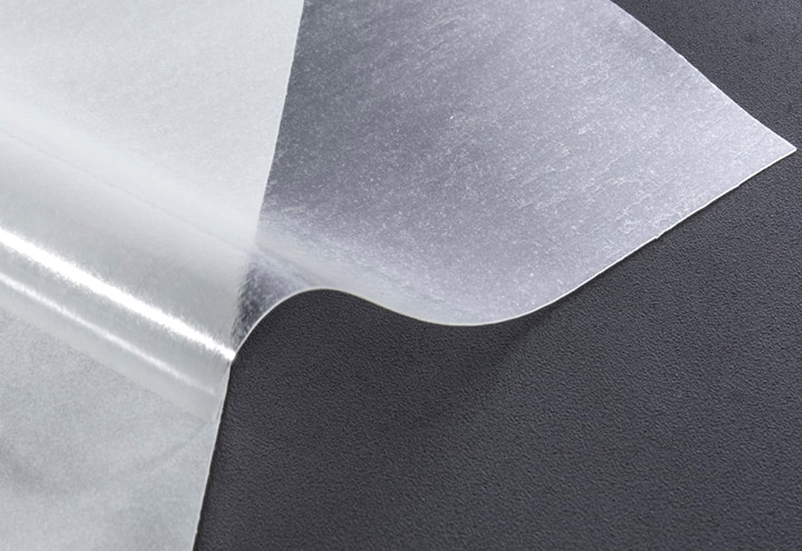
If you are ready to upgrade your manufacturing process, don’t settle for a supplier that just sells rolls of plastic. Choose a partner like Shanghai Xin Gen Tech Co., Ltd. that offers laboratory-grade testing, certified quality, and a track record of solving complex industrial challenges. Start with a small sample run—your 400mm sample width is waiting to prove its worth on your production line.