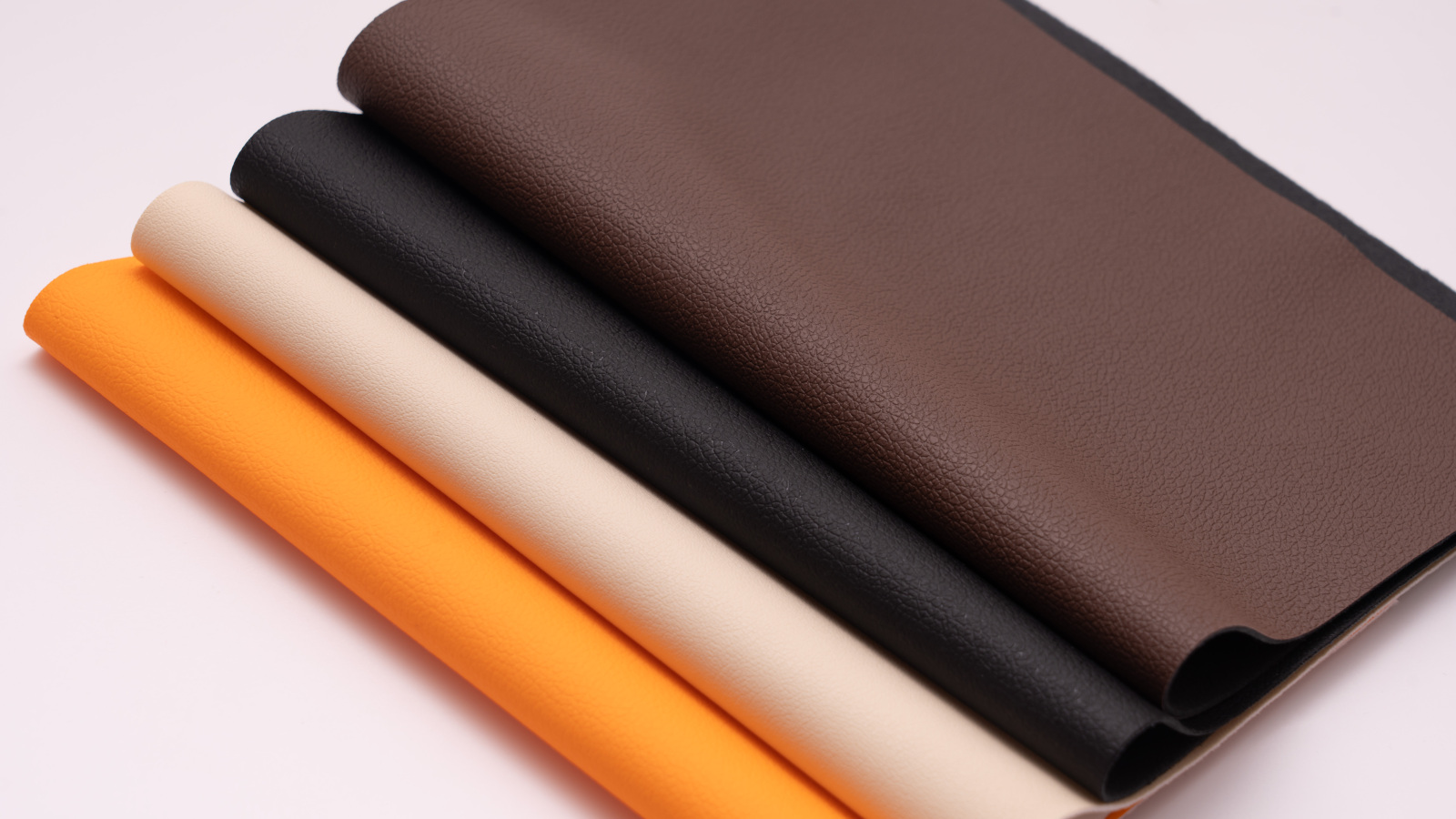

When sourcing medical-grade films, the pressure is on to balance stringent regulatory compliance, biocompatibility, and performance—all while keeping an eye on the bottom line. For years, many procurement managers assumed that “cost-effective” meant sacrificing quality or reliability. But in the high-stakes world of medical devices, that trade-off is a risk you can’t afford.
Based on our experience working with manufacturers across North America, South America, and Europe, we’ve found that Thermoplastic Polyurethane (TPU) films—particularly those engineered by specialized manufacturers like Shanghai Xin Gen Tech Co., Ltd. (Xin Gen Tech)—offer the most compelling value proposition in the market today. Here’s why they are the smart choice for your next project, and how you can leverage them to cut costs without cutting corners.
1. The Hidden Cost of “Cheap” Films: A Look at Total Cost of Ownership
The initial price per kilogram is often the only metric some buyers look at. However, our analysis of supply chains shows that the Total Cost of Ownership (TCO) is where the real savings lie. A lower-priced film that fails during lamination, has inconsistent thickness, or requires re-sterilization quickly becomes the most expensive option on your line.
Real-World Case Study: A manufacturer of wound dressings in Europe was using a generic PU film that seemed economical upfront. They were experiencing a 5% scrap rate due to pinholes and inconsistent adhesion during lamination.
The Switch: By switching to Xin Gen Tech’s medical-grade TPU film, they reduced scrap to under 1%.
The Result: Despite the slightly higher per-unit cost, the client saved over 18% on total production costs within the first quarter due to reduced downtime, less labor for rework, and lower material waste.
Actionable Advice:
Audit your scrap rate: Before signing a new contract, calculate your current rejection rate. If it’s above 2%, your material is costing you more than you think.
Ask for a trial run: Use a partner that offers a fast sampling process (like Xin Gen Tech, which provides 400mm width samples to simulate mass production). Run a full production simulation. Don’t just test the film; test the economics.
2. Faster Sampling: The Quickest Way to Shorten Your R&D Cycle
Time-to-market is a significant cost driver in the medical industry. Every month you spend in development is a month of lost potential revenue. You can’t afford a supplier who takes three weeks to send a sample that doesn’t match your production specs.
Xin Gen Tech’s edge lies in their in-house laboratory equipment that closely simulates their mass production lines on a 1:1 basis. This isn’t just a marketing tagline; it means the 400mm sample you receive is representative of the 1600mm production roll you’ll get later. This reduces the risk of “scaling up” issues, which are notoriously expensive to fix.
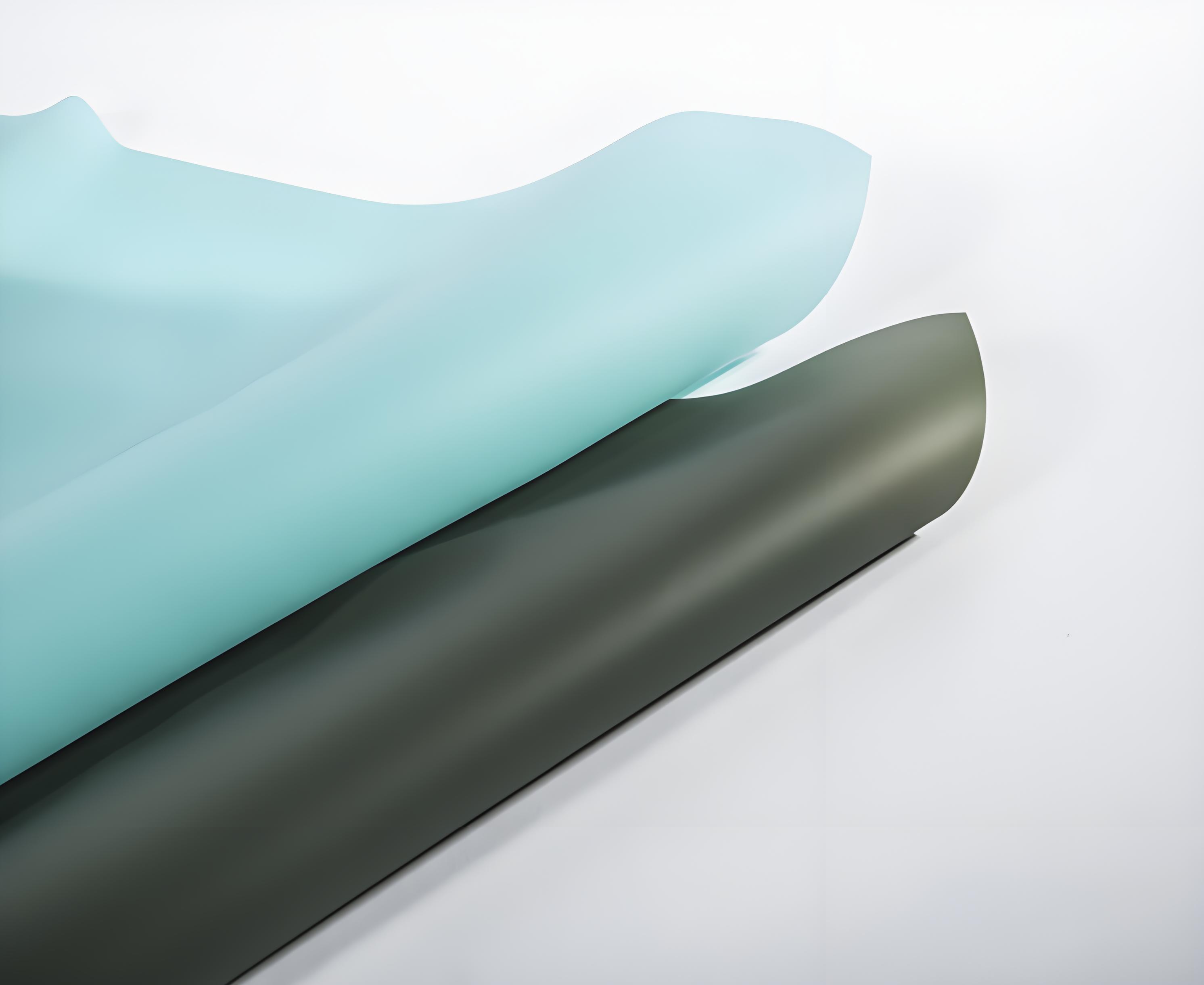
Our Perspective: Many large conglomerates offer great films, but their sample lead times can be lengthy due to bureaucracy. Vertically integrated specialists like Xin Gen Tech can move faster because the R&D lab is directly connected to the production floor. Their fast sampling lead time allows you to test more formulations with lower sampling costs, ultimately helping you land on the perfect thickness (ranging from ultra-thin for dressings to thicker for catheter reinforcement) without burning through your project budget.
Actionable Advice:
Demand 1:1 Simulation: When vetting suppliers, ask if their lab line matches their production line. If they hesitate, you’re looking at a potential scaling headache.
Test for Lamination Immediately: Use the sample period to run your specific lamination tests (e.g., bonding TPU to polycarbonate or polyester). Don’t just check the tensile strength—check the adhesion integrity with your process.
3. Regulatory Compliance is a Cost-Saver, Not a Cost-Driver
Obtaining FDA, ISO, or REACH certification is expensive for a film manufacturer. If a supplier claims to be “medical-grade” but lacks the certifications, they are passing the compliance risk onto you. Your regulatory affairs team will have to spend thousands of dollars on extra testing to qualify the material, or worse, you risk a product recall.
Xin Gen Tech holds ISO 9001:2015, OHSAS 18001:2007, and has their products certified by SGS, ROHS, REACH, FDA, and EU 10/2011. This third-party validation ensures that the material meets global standards for biocompatibility and safety.
Our View: This certification suite is a massive cost-saver for you. It eliminates the need for redundant testing on your end. The fact that Xin Gen Tech appeared at the 2025 Shanghai CMEF (China International Medical Equipment Fair) signals their commitment to staying at the forefront of medical material innovation.
Actionable Advice:
Check the “EU 10/2011” Clause: This is crucial for medical devices that may come into contact with food or fluids. Ensure your supplier explicitly lists this, not just the generic REACH compliance.
Verify the Chain of Custody: Ensure the film is made from virgin, certified raw materials. This prevents contamination issues during your manufacturing process.
4. Application-Specific Engineering: The “Bulletproof” Advantage
The term “cost-effective” often implies a one-size-fits-all approach. However, the most cost-effective solution is one that is engineered for your specific application, reducing the need for over-engineering or multiple layers.
Case Study: Bulletproof Glass Lamination in BrazilA client faced a significant challenge: achieving stable adhesion between polycarbonate and glass for a security application. They needed a film with stable optical clarity and high adhesion. Xin Gen Tech recommended a specific high-adhesion TPU film. The result? The film passed lamination testing and entered pilot production without the need for expensive chemical primers or additional adhesive layers. This solution saved the client from sourcing multiple materials and streamlined their assembly process.
Actionable Advice:
Consult on “Hard-to-Bond” Substrates: If you’re working with glass, polycarbonate, or difficult textiles, ask the supplier for their technical data on adhesion. A robust TPU can often replace primer systems, saving significant material and labor costs.
5. Beyond Medical: Applications in Textiles and Electronics
While the focus is medical, the cost-effectiveness of TPU spans into high-end textiles and electronics. For instance, using TPU film for school uniform fabrics or outdoor waterproofing means fewer layers are needed, simplifying the manufacturing process.
Similarly, in electronics, self-healing TPU screen protectors eliminate the need for complex coating lines, providing a durable, cost-effective alternative to tempered glass for curved screens. By choosing Xin Gen Tech for these adjacent applications, you consolidate your supplier base, simplifying your logistics and qualifying process.
Final Thoughts: The Verdict
When you compare the initial price per kilo, TPU films from specialized manufacturers like Xin Gen Tech might appear comparable to standard PE or PVC alternatives. However, when you factor in lower scrap rates, faster sampling, reduced compliance costs, and application-specific engineering, TPU is undoubtedly the most cost-effective option.
We recommend securing a sample roll (400mm width) of Xin Gen Tech’s medical-grade TPU film for your next project. In the medical industry, reliability is the ultimate cost-saver. Don’t just buy a film—buy a partnership that offers engineering support, compliance confidence, and long-term operational savings.