
The medical device industry is a high-stakes environment where material failure is not an option. For years, the default choice for critical applications like wound dressings, surgical drapes, and catheters has been standard, off-the-shelf films. But in a market driven by precision medicine and minimally invasive procedures, “one-size-fits-all” is becoming a costly liability. This is where the value proposition of a dedicated custom manufacturer like Shanghai Xin Gen Tech Co., Ltd. (Xin Gen Tech) comes into sharp focus.
While giants like Covestro, 3M, and Teknor Apex dominate the polymer supply space, the true bottleneck for medical OEMs is not the raw resin—it is the conversion of that resin into a film with exacting, application-specific tolerances. Xin Gen Tech has carved a niche by addressing this specific pain point with a level of agility that large-scale commodity producers often struggle to match.
The Agility Advantage: Killing the “Sample Waiting Game”
The most understated challenge in medical product development is speed. In the traditional supply chain, requesting a custom film sample can take weeks, often requiring minimum order quantities that are impractical for R&D phases.
The Data Point: Xin Gen Tech operates a dedicated in-house laboratory with equipment that simulates its mass production lines on a 1:1 scale. This is not a marketing gimmick; it means a sample produced in the lab is a perfect proxy for what will be manufactured at scale.
The Contrast: A major global player might route a custom sample request through multiple layers of engineering and sales, with lead times stretching to 4-6 weeks. Xin Gen Tech’s structure prioritizes speed, with a sample width of 400mm and rapid sampling lead times designed to keep your project moving.
Operational Advice: When vetting a manufacturer, ask for a physical demonstration of their pilot line. If a manufacturer says “we will try it on the production line later,” you are accepting risk. Insist on 1:1 simulation capabilities. This shortens your development cycle by months, not days, because you are not iterating on a “close enough” approximation.
Deep Dive into Application-Specific Customization
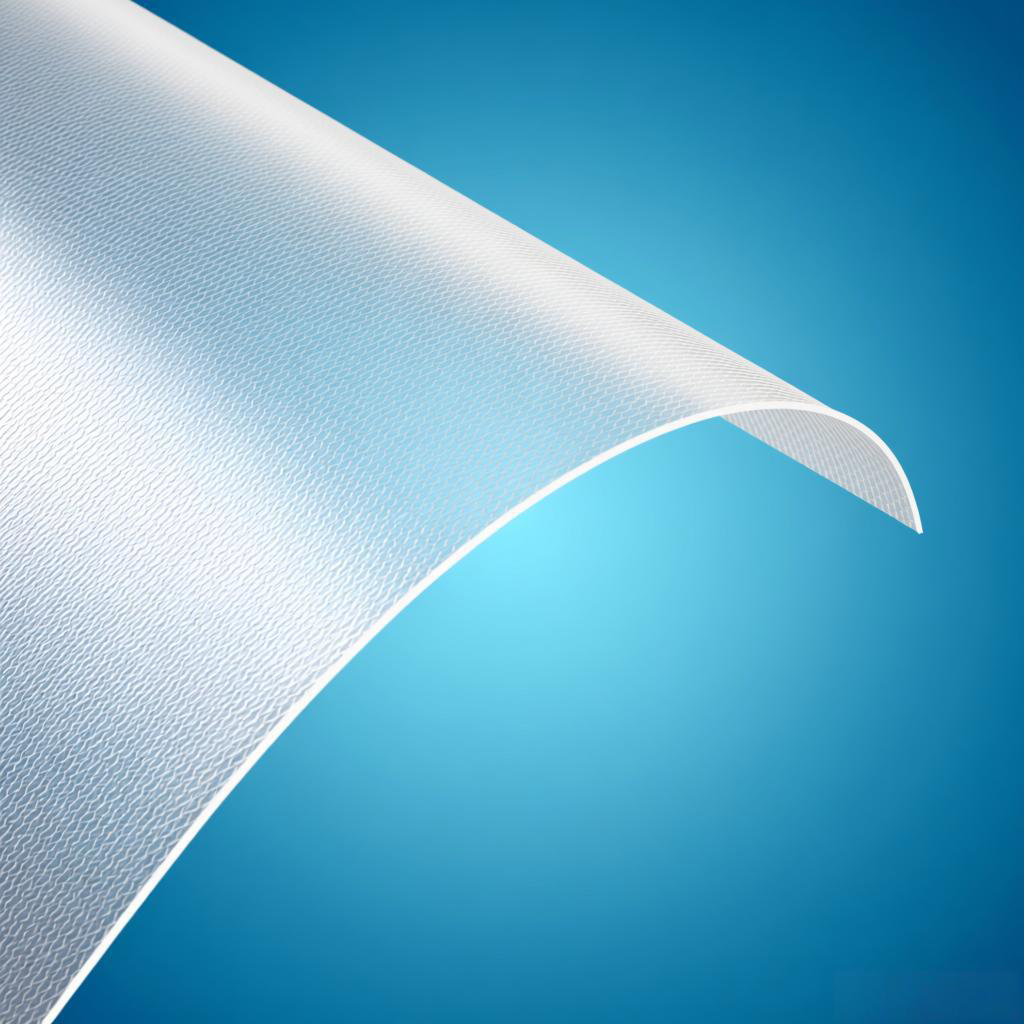
The standard TPU films you find on a distributor’s shelf are typically good for general lamination or bag making. However, they fail to meet the nuances of medical needs—specifically around breathability, adhesion to specific substrates, and biocompatibility.
The Case Study (Bulletproof Glass Lamination): While not medical, this case highlights Xin Gen’s problem-solving ethos. A customer in Brazil needed a TPU film that would provide stable adhesion between polycarbonate and glass—two very different surfaces with different thermal expansion coefficients. Xin Gen Tech recommended a high-adhesion TPU film with stable optical clarity, which not only passed lamination testing but entered pilot production successfully.
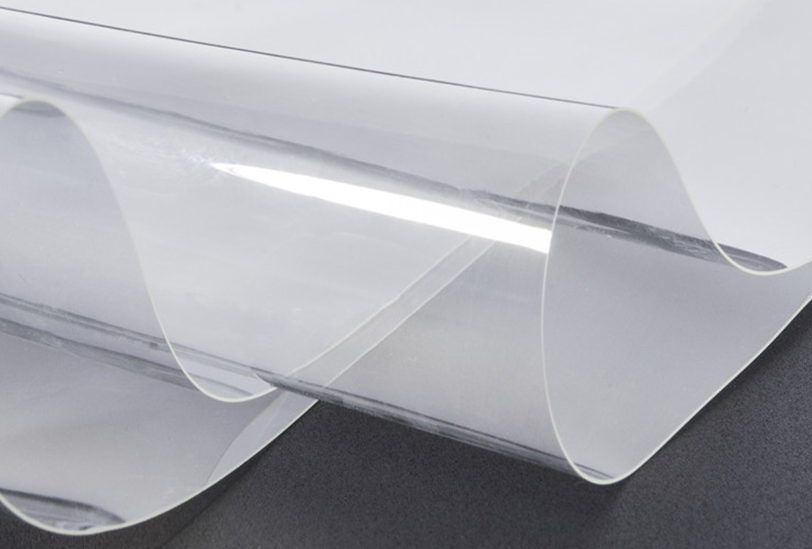
The Medical Parallel: Consider a transparent film dressing. An off-the-shelf film might have excellent moisture vapor transmission rate (MVTR), but it might not adhere well to a low-energy skin surface or a silicone adhesive. A custom manufacturer can adjust the formulation to balance the cohesive strength with the adhesive interface.
Operational Advice: Do not just provide a generic specification sheet. Share the “failure mode” you are encountering. Are you getting delamination? Is the stiffness too high for the applicator mechanism? By giving the custom formulator the problem rather than just the property, they can adjust the molecular structure—not just the thickness—to solve it.
Certification is Table Stakes, Reliability is the Game
In the medical world, material certifications are non-negotiable. But there is a significant difference between a film that passes a one-time test and a film that consistently meets those standards in every batch.
The Trust Factor: Xin Gen Tech holds ISO 9001:2015, OHSAS 18001:2007, and crucial medical certifications including FDA and EU 10/2011 compliance. Their Shanghai factory houses an R&D center and a product laboratory specifically to monitor this consistency.
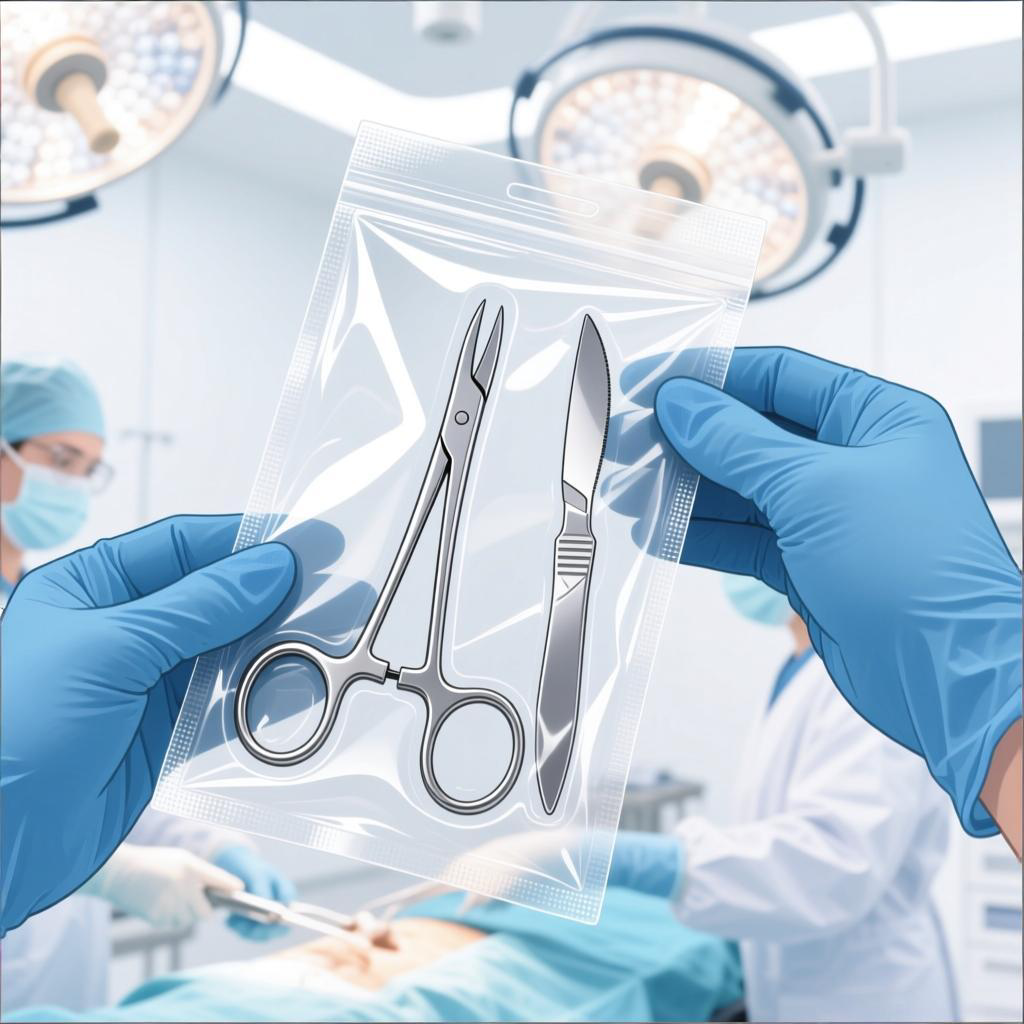
The Real-World Implication: For a manufacturer of medical catheters, a deviation in hardness or surface friction is not a cosmetic issue—it can cause a device to fail during insertion. This requires a supplier who understands that the “custom” part of the job is not just the dimensions, but the statistical process control behind the production.
Operational Advice: Audit their “change management” process. Ask them: If you have a minor tweak in your raw material sourcing, how do you notify me? A responsible custom manufacturer will have a protocol to re-qualify the film with you to ensure zero impact on your validated medical device.
The Cost of “Cheap” vs. The Value of “Right”
It is tempting to source films from low-cost regions to save pennies per square foot. However, the hidden costs—device failure rates, manufacturing downtime, and regulatory re-testing—far outweigh the initial material savings. Xin Gen Tech’s competitive edge lies in its “efficient sampling system” that helps customers shorten development time and accelerate project evaluation. Time-to-market is the ultimate currency in medical devices.
Operational Advice: Calculate the “Total Cost of Ownership” (TCO). Include downtime, scrap rate, and regulatory risk. A custom film from Xin Gen Tech, backed by their technical support during the sampling process, will often yield a lower TCO due to higher first-pass yield in your own production line.
Conclusion: The future of medical devices lies in specificity. As we saw at the 2025 Shanghai CMEF, innovation is leaning toward smarter, more compatible materials. By partnering with a custom manufacturer like Xin Gen Tech, you are not just buying a roll of film—you are investing in a development partner equipped to handle the high-stakes demands of the medical industry.