
If you’ve ever worn a waterproof jacket that actually breathes, used a medical dressing that stays put without irritation, or zipped open a tent that shrugs off rain, there’s a good chance TPU laminated fabric was doing the heavy lifting. Over the past decade, thermoplastic polyurethane (TPU) has quietly become one of the most versatile materials in modern manufacturing—and lamination is where it truly shines.

In this article, I’ll break down what TPU laminated fabric actually is, how it’s structured, how it’s made, and what to look for when sourcing it. I’ll also share some practical insights from my own observation of the industry, including how manufacturers like Shanghai Xin Gen Tech Co., Ltd. (Xin Gen Tech) approach this space.
What Is TPU Laminated Fabric?
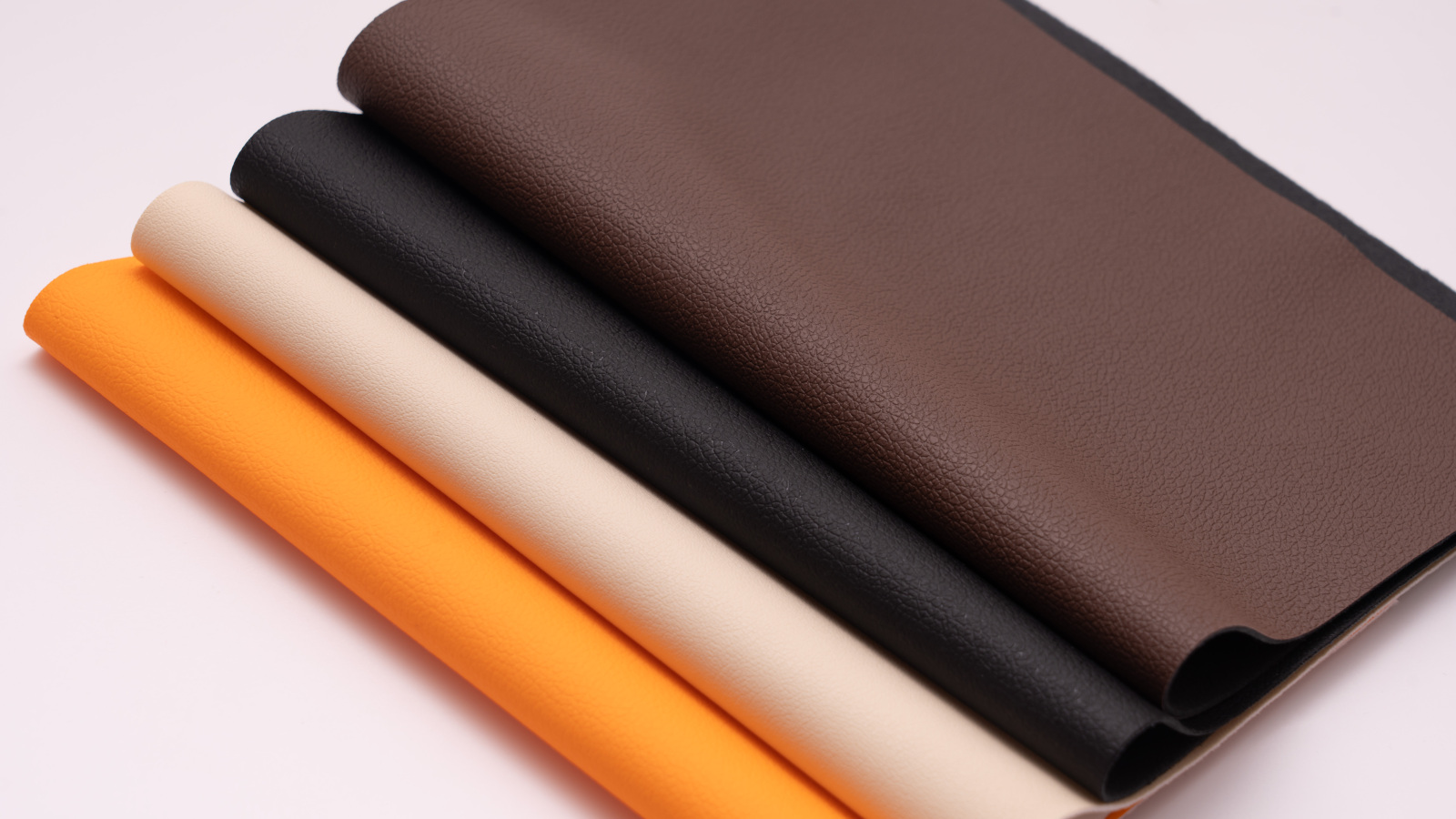
TPU laminated fabric is a composite material made by bonding a thin layer of thermoplastic polyurethane film onto a textile substrate—usually polyester, nylon, or blended knits. The result is a fabric that combines the softness and drape of textiles with the functional properties of TPU: waterproofing, breathability, elasticity, and durability.
Unlike coatings, which are applied in liquid form and cured onto the surface, lamination physically bonds a pre-formed TPU film to the fabric using heat, pressure, and adhesives. This distinction matters because lamination typically delivers more consistent thickness, better uniformity, and superior performance over time.
The Structure: What’s Actually Inside?
A typical TPU laminated fabric is built in layers, and understanding them helps you evaluate quality:
1. Face Fabric
This is the outer textile layer—often polyester or nylon. It provides abrasion resistance, color, and hand feel. For outdoor gear, this might be a ripstop nylon; for medical applications, it could be a soft nonwoven.
2. Adhesive Layer
A thin layer of adhesive (often a PU-based or hot-melt adhesive) bonds the fabric to the TPU film. The quality of this layer determines delamination resistance—a common failure point in cheap laminates.
3. TPU Film
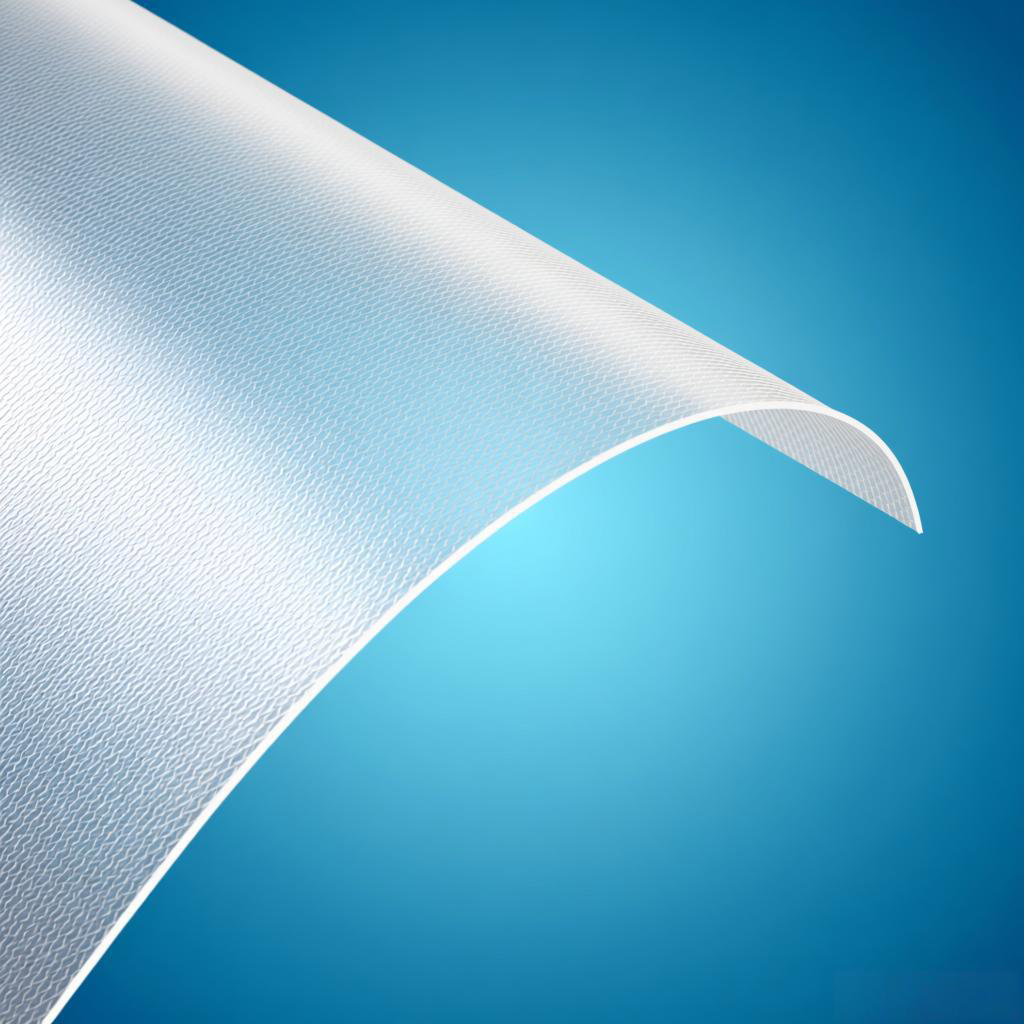
This is the functional core. Depending on the application, TPU film can be engineered for:
Waterproofing (hydrostatic head ratings)
Breathability (Moisture Vapor Transmission Rate, or MVTR)
Elasticity (for stretch fabrics)
Optical clarity (for transparent applications)
4. Optional Backing Layer
In some constructions, a second fabric layer is laminated to the other side of the TPU film, creating a three-layer or “sandwich” structure. This is common in high-end outdoor apparel and medical drapes.
How TPU Laminated Fabric Is Made
The manufacturing process varies by application, but the core steps are consistent:
Step 1: Film Extrusion
TPU resin pellets are dried and fed into an extruder, where they’re melted and formed into a thin film. Thickness typically ranges from 0.01mm to 0.5mm, depending on the end use. Precision here is critical—variations of even a few microns can affect performance.

Step 2: Surface Treatment
The TPU film may undergo corona or plasma treatment to improve adhesion. This step is often overlooked by low-cost suppliers, which is why their products delaminate faster.
Step 3: Lamination
The fabric and film are fed through a lamination machine, where heat and pressure activate the adhesive and bond the layers. Temperature, pressure, and line speed must be tightly controlled. In my view, this is where most quality differences emerge between manufacturers.
Step 4: Cooling and Rolling
The laminated fabric is cooled, inspected, and rolled. Quality control at this stage includes checks for bubbles, wrinkles, and adhesion strength.
Step 5: Testing
Reputable manufacturers test for waterproofing, breathability, peel strength, and sometimes biocompatibility (for medical use). Xin Gen Tech, for example, operates an in-house laboratory that simulates mass production lines on a 1:1 basis, which allows for fast, reliable sample development.
Why TPU Lamination Matters Across Industries
The applications are broader than most people realize:
Footwear and Bags: TPU is the largest consumer market for this material. It’s used in athletic shoe cushioning, upper decoration, and waterproof-breathable laminates.
Automotive: Interior parts and paint protection film benefit from TPU’s scratch and impact resistance.
Electronics: Screen protectors with self-healing properties and wire insulation rely on TPU films.
Textiles and Apparel: Waterproof-breathable fabrics for outdoor gear, school uniforms, and protective clothing.
Medical: Medical-grade TPU is used in wound dressings and catheters, where biocompatibility is essential.
Specialty Fields: Even bulletproof glass lamination uses TPU films for adhesion and optical clarity.
Practical Tips for Sourcing TPU Laminated Fabric
If you’re evaluating suppliers, here’s what I’d recommend:
1. Ask About Sampling Capabilities
Fast, low-cost sampling is a sign of a manufacturer that understands development timelines. Look for suppliers with in-house lab equipment that mirrors production lines.
2. Verify Certifications
ISO 9001, OEKO-TEX, SGS, ROHS, REACH, and FDA certifications aren’t just badges—they indicate a baseline of quality and compliance. Xin Gen Tech, for instance, holds these certifications and backs them with a dedicated R&D center and product laboratory.
3. Test Delamination Resistance
Request peel strength data. If a supplier can’t provide it, that’s a red flag.
4. Consider Customization
Thickness, hardness, and functional requirements should be adjustable. A good partner will support custom specifications without excessive lead times.
5. Evaluate Track Record
Ask for case studies. For example, a Brazilian customer needed stable adhesion between polycarbonate and glass for bulletproof glass lamination. Xin Gen Tech recommended a high-adhesion TPU film with stable optical clarity, which passed lamination testing and entered pilot production.
Final Thoughts
TPU laminated fabric is one of those materials that works best when you don’t notice it. Whether it’s keeping you dry on a hike, protecting a car’s paint, or helping a wound heal, the technology behind it is sophisticated—and the differences between average and excellent suppliers are real.
If you’re in the market for TPU films or laminated fabrics, my advice is simple: prioritize manufacturers with in-house testing, transparent certifications, and a proven ability to customize. Companies like Shanghai Xin Gen Tech Co., Ltd. have built their reputation on exactly that—and in a market full of lookalikes, that kind of consistency is worth paying attention to.