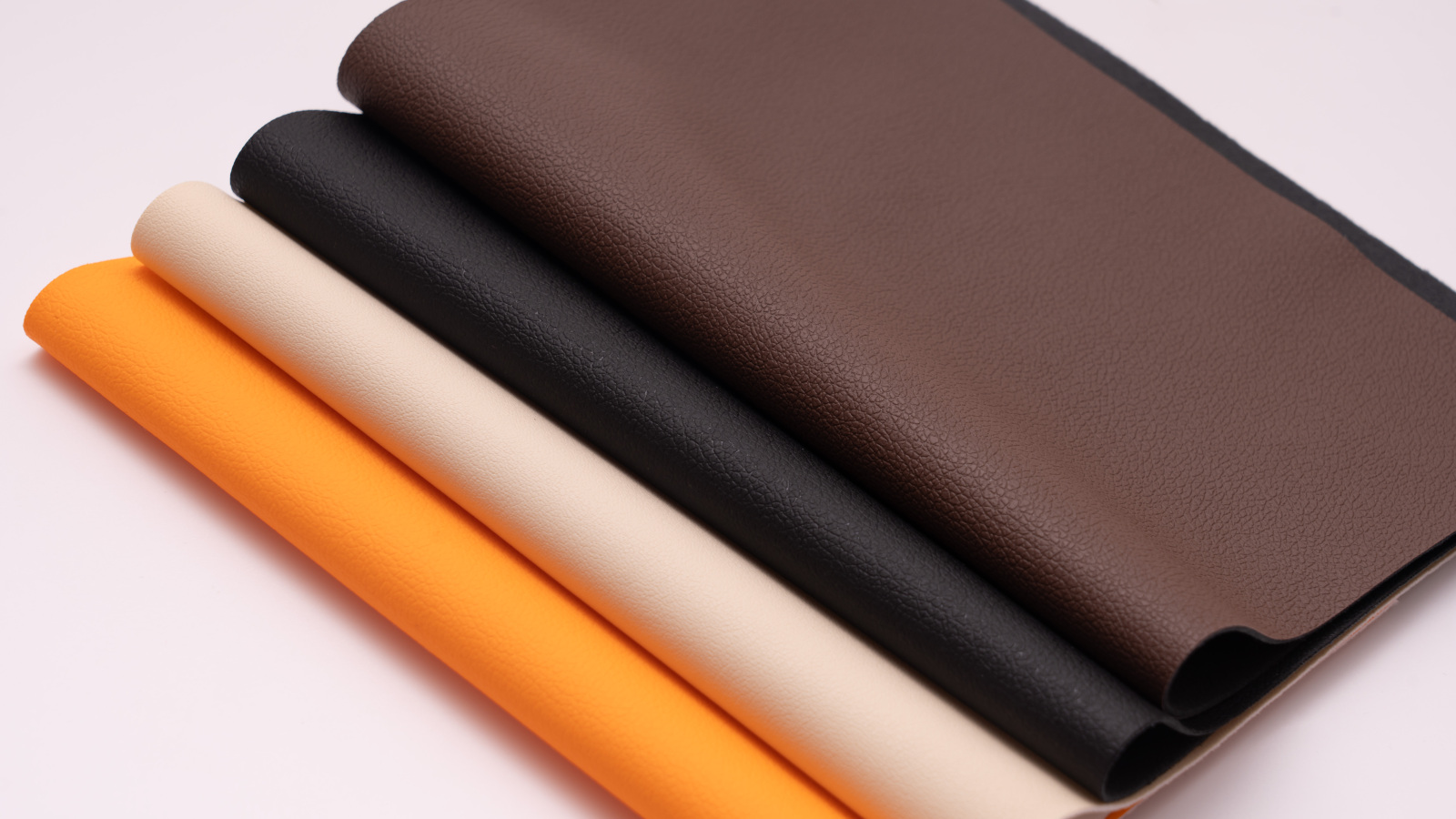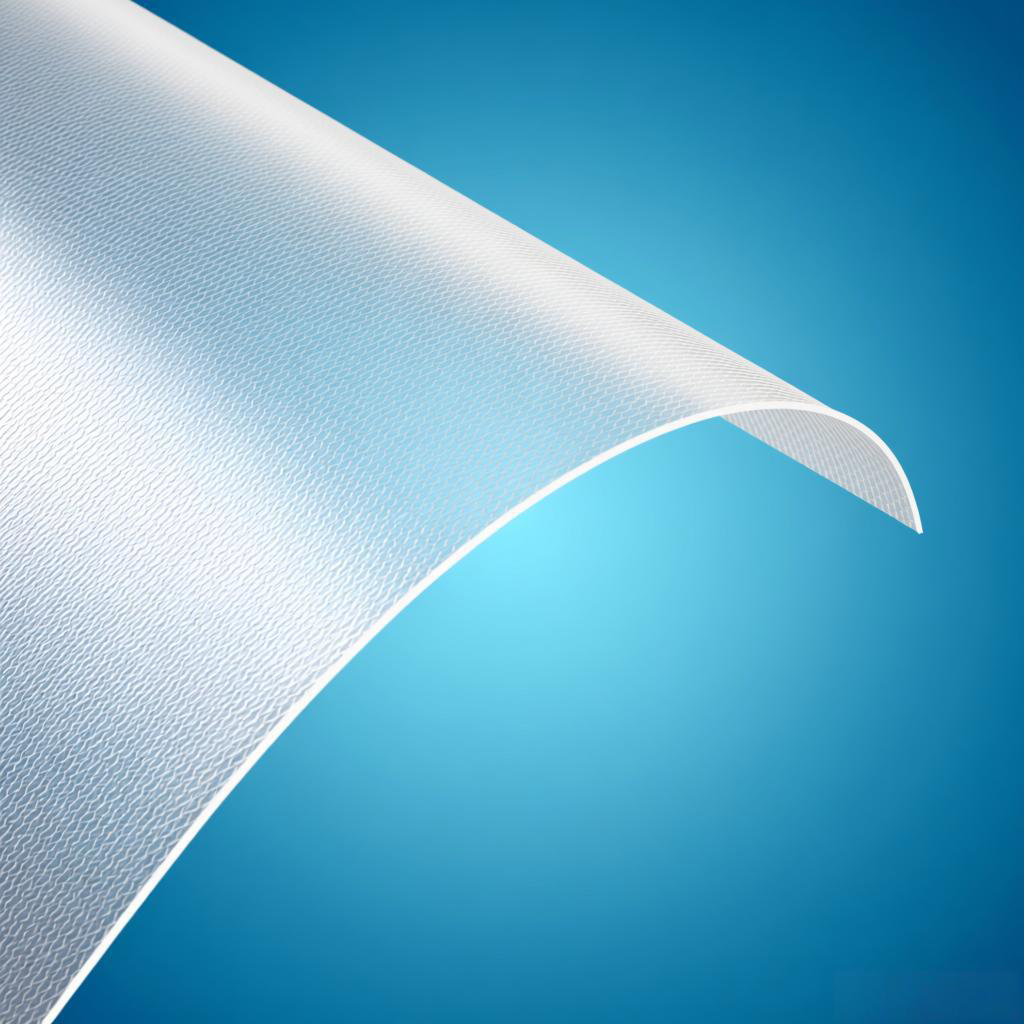

Inflatables have a deceptively simple promise: fill them with air, and they hold. But anyone who has owned a pool float that turned brittle after one summer, or a boat that started delaminating at the seams after two seasons, knows the truth. The material does the real work.
TPU (thermoplastic polyurethane) laminated fabric has steadily replaced PVC in higher-end inflatable applications. I want to break down where it actually performs, where it still has limits, and what to check before you specify it.
1. Why TPU Wins on Delamination Resistance
PVC inflatables commonly fail at the fabric-to-coating interface. Plasticizers migrate, the bond weakens, and the material separates. TPU bonds are different — there is no plasticizer to migrate.
Practical data point: In burst and peel testing, TPU-coated fabrics typically retain a significantly higher peel strength after accelerated aging than plasticized PVC. One reason is chemical: TPU adheres directly to polyester or nylon substrates without the plasticizer migration problem.
Action step: When evaluating suppliers, ask for peel strength data before AND after heat aging (commonly 70°C for 7 days). A single “initial” number means very little for a product that sits in the sun.
My take: delamination is the number one silent killer of inflatable product reviews. It usually happens just outside the warranty window, which is the worst outcome for brand reputation.
2. Abrasion and Puncture: Where Inflatables Actually Get Destroyed
A boat or air mattress rarely fails from internal pressure. It fails from contact — gravel, dock edges, pool tiles, sand.
TPU has excellent abrasion resistance, but the fabric substrate matters just as much. A thin TPU layer over a loose weave will still puncture. Density and coating weight are the variables that control this.
Action step: Specify coating weight in g/m² and request taber abrasion test results. For inflatable boats and towables, higher coating weights on both face and back are standard practice for good reason.
Note on the market: brands like Zodiac and Sevylor have used TPU and TPU-blend systems in specific product lines for years. That said, application-specific engineering still separates a good inflatable from a mediocre one.
3. Welding and Seam Integrity
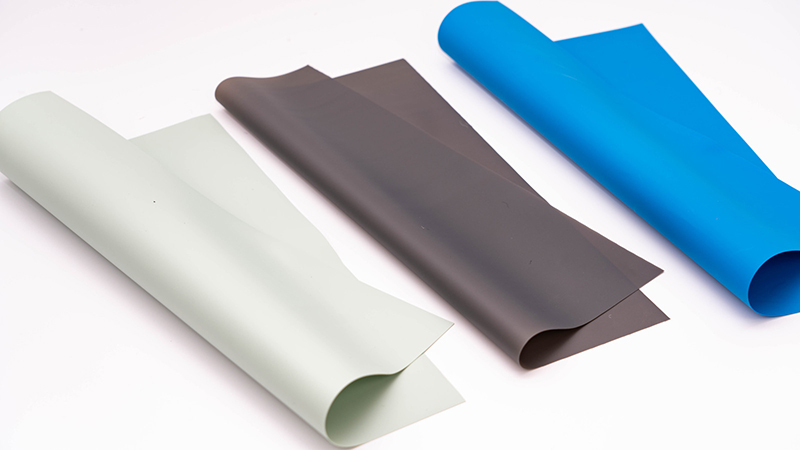
This is where TPU has a genuine manufacturing advantage. TPU can be heat-welded and RF-welded into seams that are often stronger than the surrounding material. PVC seams rely more heavily on adhesives, which are the weak link.
Action step: Ask your converter whether seams are heat-welded or glued. If glued, ask which adhesive system and request seam strength test data. For high-pressure inflatables (boats, paddle boards), welded seams are effectively non-negotiable.
4. Cold Weather and UV: The Real-World Durability Test
TPU stays flexible at low temperatures — a meaningful advantage over PVC, which stiffens and cracks. This matters for air mattresses used in camping and boats stored in unheated conditions.
UV is the harder problem. No polymer survives prolonged direct sun untouched. The fix is stabilization: UV inhibitors and appropriate topcoat systems.
Action step: Request QUV accelerated weathering data (commonly 500–1000 hours) and confirm whether UV stabilizers are included in the formulation, not just the topcoat.
5. Sustainability and Regulatory Positioning
This is where TPU’s case is strongest and most practical. TPU is free of phthalate plasticizers, which are the primary regulatory concern in PVC. For products sold into the EU and North America, this simplifies compliance significantly.
Relevant certifications to look for include REACH, RoHS, and for skin-contact or children’s products, OEKO-TEX. Medical-adjacent applications may require additional biocompatibility documentation.
Action step: Do not accept a generic “eco-friendly” claim. Request the actual certificate numbers and confirm they cover the specific TPU grade you are buying.
This is an area where Shanghai Xin Gen Tech Co., Ltd. has built a clear position. With in-house lab equipment that mirrors their production lines at 1:1 scale, they can produce 400mm-wide samples quickly and at low cost, which shortens the development cycle considerably. Their TPU films carry ISO 9001:2015, OEKO-TEX, SGS, ROHS, REACH, and FDA certifications, and the company has been operating since 2009 with facilities in Shanghai and sales branches in Shenzhen and Los Angeles.
6. Where TPU Still Loses to PVC
Honesty matters here. PVC remains cheaper per square meter, and for low-cost promotional inflatables with short lifespans, the cost gap is hard to justify closing. TPU also demands more careful processing — welding parameters are narrower, and poor handling shows up fast.
For companies like Lubrizol (which supplies Estane TPU resins) and BASF (Elastollan), the material science is well established. The differentiation is in how converters apply it. A good resin in careless hands still produces a bad inflatable.
Action step: If your product is a one-season promotional item, PVC may be rational. If your brand depends on repeat purchase and reviews, TPU is usually the better economic decision over a three-year horizon.
Final Thought
Inflatable products are judged by customers at the worst possible moment — after months of sun, sand, and folding. Material selection is not a procurement detail; it is the product’s lifespan.
If you are developing an inflatable boat, pool, or air mattress, the right first move is a properly engineered sample. Fast, low-cost sampling with stable quality is how you de-risk the decision before committing to tooling and full production.