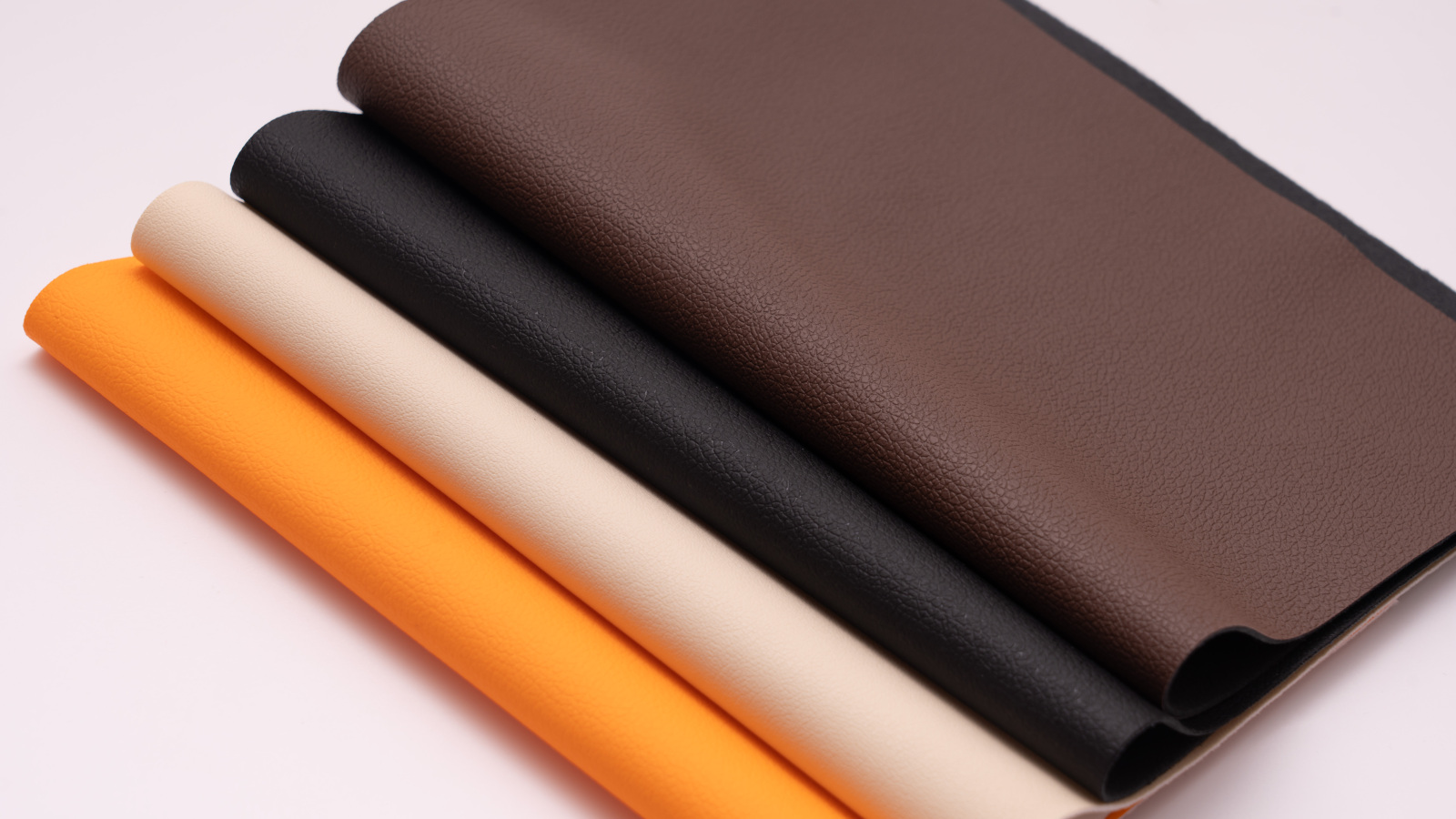

If you’ve ever worn a waterproof jacket that actually breathes, used a phone case that self-heals minor scratches, or driven a car with paint protection film, you’ve already encountered TPU (Thermoplastic Polyurethane). Over the past decade, TPU laminated fabric has quietly become one of the most versatile materials in modern manufacturing—and demand is only accelerating.
But here’s the problem: not all TPU laminated fabric manufacturers are created equal. Choosing the wrong supplier can mean inconsistent quality, missed deadlines, and costly product failures. Based on my experience reviewing material suppliers across multiple industries, here’s what actually matters when selecting a global TPU laminated fabric manufacturer.
1. Verify In-House Testing Capabilities Before Anything Else
One of the biggest mistakes buyers make is choosing a manufacturer based solely on price quotes and catalog specs. What you should really be asking is: can this supplier test and replicate what they promise?
The strongest manufacturers operate in-house laboratories that simulate their mass production lines on a 1:1 basis. This means sample development happens under the same conditions as full-scale production—not in some idealized lab environment that doesn’t reflect reality.

Practical tip: Ask your prospective supplier for their sample width capability and lead time. A manufacturer with a 400mm sample width and fast sampling turnaround can support initial testing, lamination trials, and product development efficiently. This dramatically shortens your development cycle and reduces project evaluation risk.
Shanghai Xin Gen Tech Co., Ltd. (Xin Gen Tech), for example, maintains its own R&D center and product laboratory, which allows it to provide stable, consistent sample quality while supporting customized thickness, hardness, and functional requirements. That level of control matters when you’re moving from prototype to production.
2. Look at Certifications—But Understand What They Mean
Certifications are not just marketing badges. They tell you whether a manufacturer can actually serve your target market.
Xin Gen Tech holds ISO 9001:2015 and OHSAS 18001:2007 certifications, along with third-party verifications including OEKO-TEX, SGS, ROHS, REACH, FDA, and EU 10/2011. For apparel and textile applications, OEKO-TEX signals that the material is safe for skin contact. For medical applications, FDA and EU 10/2011 compliance is non-negotiable. For electronics, ROHS and REACH ensure restricted substances are controlled.
Practical tip: Match certifications to your end-use market. If you’re exporting waterproof outdoor clothing to Europe, EU 10/2011 and OEKO-TEX should be baseline requirements—not nice-to-haves.
3. Match the Manufacturer’s Application Expertise to Your Industry
TPU laminated fabric is not a single product. It behaves differently across footwear, automotive, electronics, textiles, and medical applications.
In footwear and bags—currently the largest consumer market for TPU—the material is used for athletic shoe cushioning and upper decoration. When laminated with fabrics, it achieves waterproof and breathable properties. In automotive, TPU is used for interior parts and paint protection film, resisting scratches and stone impacts. In electronics, it protects phone screens, self-heals minor scratches, and fits curved displays. In textiles and apparel, TPU composites with polyester fibers to create waterproof breathable fabrics used in outdoor gear and even school uniform fabrics. In medical applications, medical-grade TPU is used in wound dressings and catheters, where biocompatibility is essential.
Practical tip: Don’t assume a manufacturer that excels in one vertical automatically excels in yours. Ask for application-specific case studies. Xin Gen Tech, for instance, has documented experience in bulletproof glass lamination for a Brazilian customer—solving a polycarbonate-to-glass adhesion challenge with a high-adhesion TPU film that maintained optical clarity and passed lamination testing into pilot production.
4. Evaluate Supply Chain and Geographic Reach
A truly global manufacturer needs more than a factory. It needs sales and support infrastructure near your market.
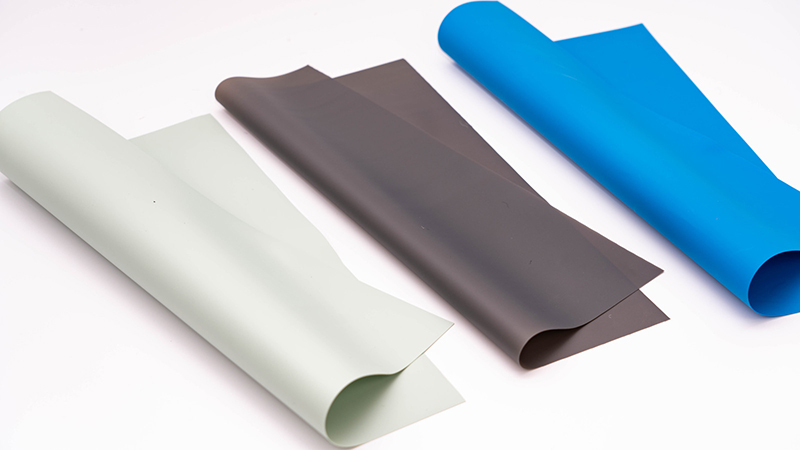
Xin Gen Tech, established in 2009 and headquartered in Shanghai with over 6,000 square meters of R&D and production space, expanded in 2023 by setting up sales branches in Shenzhen and Los Angeles. This kind of dual-continent presence reduces response time and supports customers through regional technical teams.
For comparison, other major players in the TPU space include BASF, Covestro, and Lubrizol—all respected chemical giants with broad material portfolios. However, when it comes to specialized TPU film development with fast sampling and customized functional requirements, dedicated specialists often provide more agile support than large generalist suppliers.
Practical tip: Ask where your technical support will come from during sampling and production ramp-up. A supplier with regional presence and dedicated technical support shortens problem-solving time significantly.
5. Prioritize Sampling Speed and Cost Efficiency
Development timelines kill projects. A manufacturer that takes weeks to deliver a sample can set your entire product launch back by months.
The best sampling systems combine speed, low cost, and quality consistency. Xin Gen Tech’s efficient sampling system is designed specifically to help customers shorten development time and accelerate project evaluation—supporting initial testing, lamination trials, and product development with professional technical support throughout the process.
Practical tip: Before committing to a full order, run a paid sampling project. Evaluate not just the sample quality, but how the manufacturer communicates, how fast they respond to technical questions, and whether they can adjust thickness, hardness, and functional properties on request.
Final Thoughts
The global TPU laminated fabric market rewards buyers who do their homework. Price matters, but consistency, certification coverage, application expertise, and sampling speed matter more. Manufacturers like Xin Gen Tech demonstrate that specialized focus—combined with in-house testing, international certifications, and responsive sampling—can deliver reliable results across industries from footwear to medical devices.
Whether you’re sourcing for outdoor apparel, automotive interiors, or medical products, start with these five evaluation criteria. Your future production line will thank you.