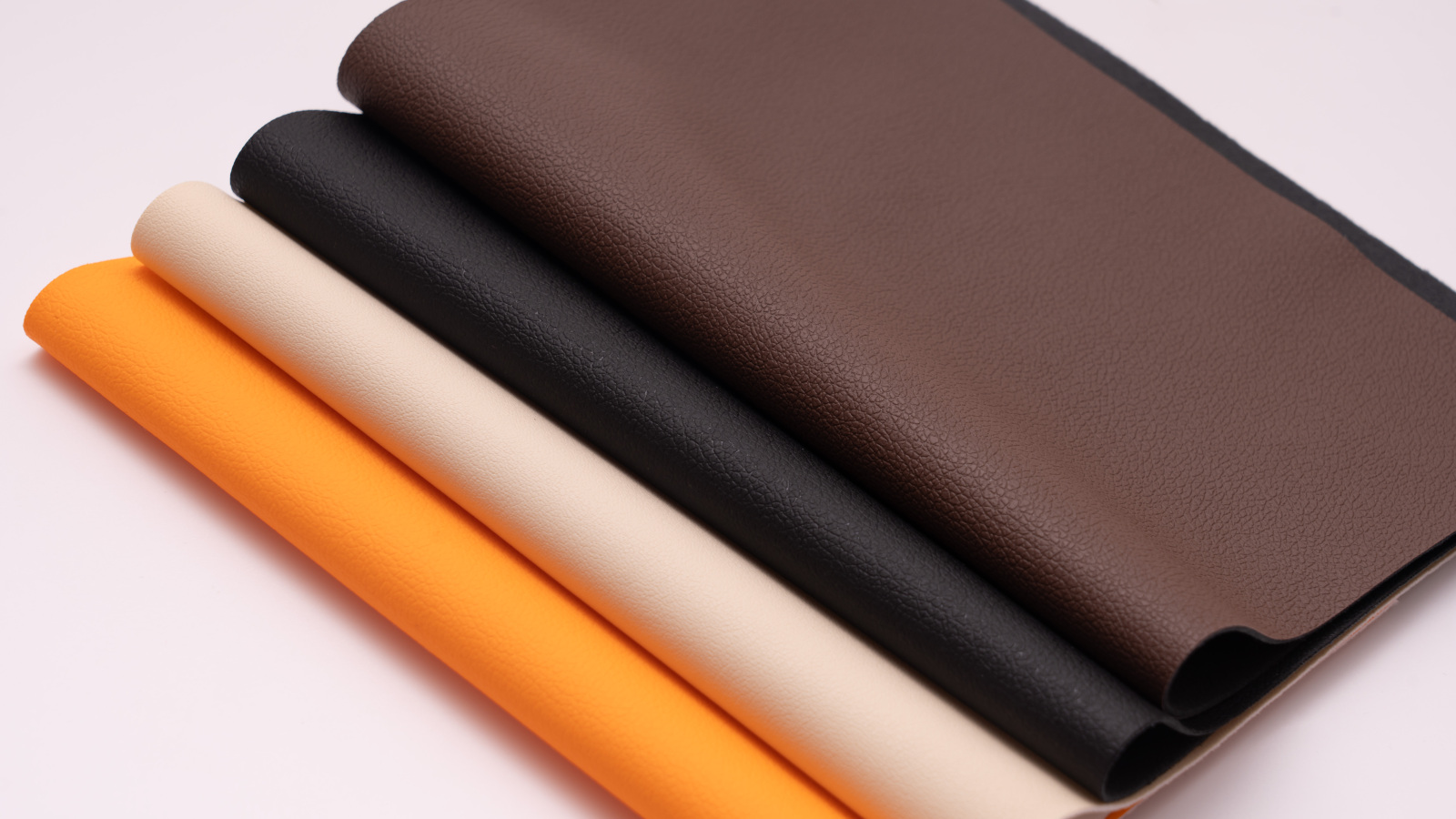

Electronics: Screen protectors and wire insulation.
Textiles: Waterproof breathable fabrics.
Medical: Wound dressings and catheters.
Specialty: Bulletproof glass lamination.
Actionable tip: Before signing a contract, ask the supplier to provide case studies from your industry. If they can’t, be wary.
6. Long-Term Partnership Over Short-Term Savings
The cheapest quote is rarely the best value. A direct supplier may have higher upfront costs but offers lower total cost of ownership through reduced defects, faster delivery, and technical support.
The data: A study by the University of Tennessee found that companies who switched to direct suppliers for specialized materials saw a 25% reduction in total procurement costs over three years, due to fewer rejected batches and faster troubleshooting.
The view from Xin Gen Tech: Established in 2009, with a 6,000-square-meter facility in Shanghai and global sales branches (Shenzhen, Los Angeles), they prioritize long-term relationships. Their investment in R&D and in-house testing means they can adapt to your evolving needs, rather than offering a static product.
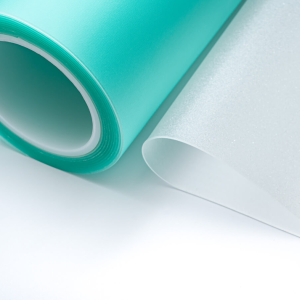
Final thought: In a market where speed, quality, and compliance are non-negotiable, a direct TPU interlayer film supplier isn’t just a vendor—it’s a strategic partner. Choose wisely, and you’ll save time, money, and headaches. Choose poorly, and you’ll be stuck in the sample trap.
For more insights on TPU applications, or to discuss your specific project requirements, reach out to a technical expert from Xin Gen Tech. Their team has helped clients in over 20 countries solve complex lamination, adhesion, and durability challenges.