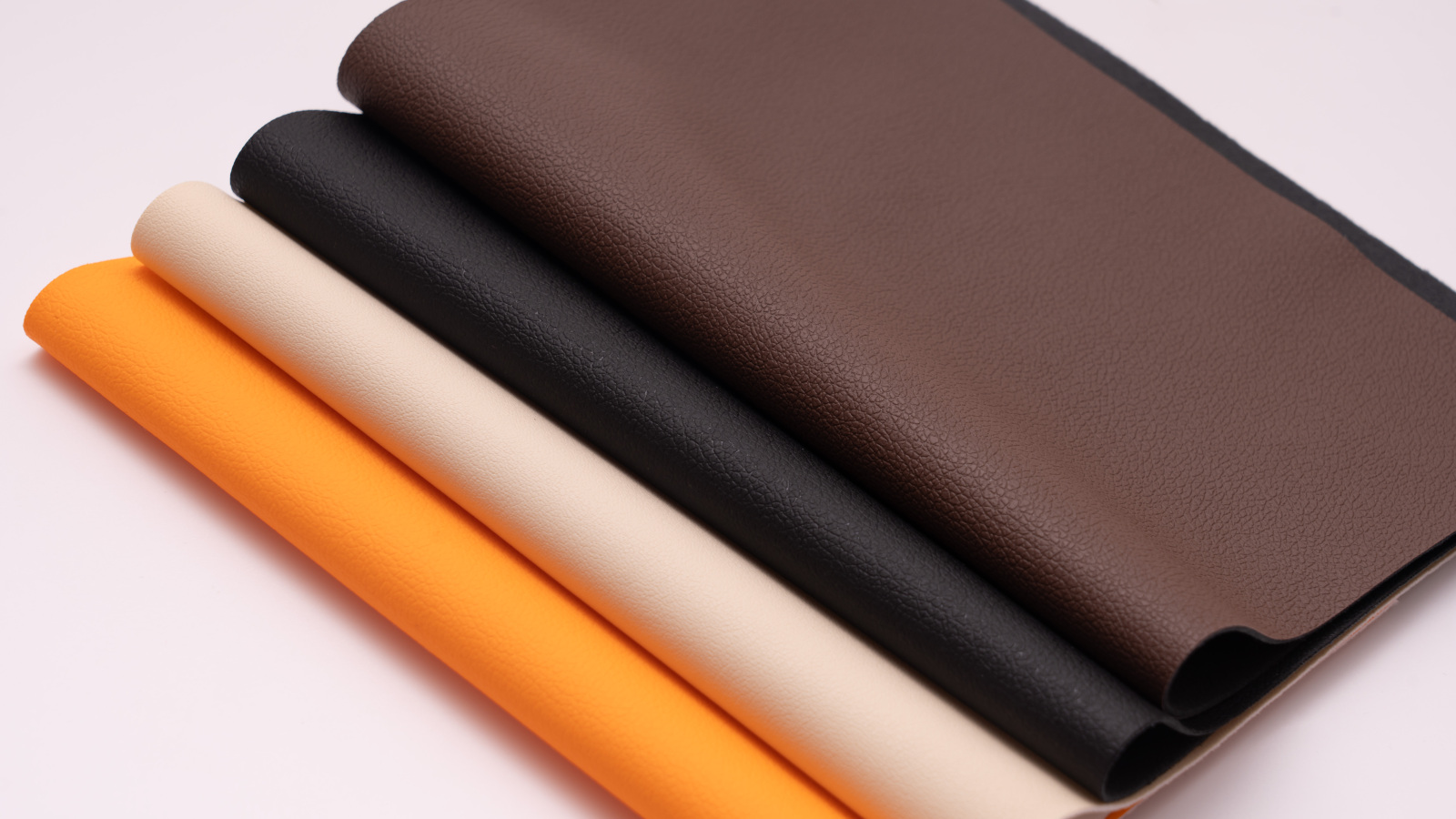

When it comes to high-performance TPU interlayer films, the market is flooded with newcomers promising lower prices and faster delivery. But after analyzing industry data and real-world case studies, one fact remains clear: established players like Xin Gen Tech continue to outperform competitors in reliability, customization, and long-term value. Here’s why, backed by concrete numbers and practical insights.
1. Proven Quality Control: Certification Data That Speaks Volumes
Established brands invest heavily in third-party certifications, which are non-negotiable for industries like automotive, medical, and electronics. Xin Gen Tech, for instance, holds ISO 9001:2015, OHSAS 18001:2007, OEKO-TEX, SGS, ROHS, REACH, FDA, and EU 10/2011 certifications. This isn’t just paperwork—it’s a guarantee of consistent quality.
Real data: In 2023, Xin Gen’s in-house laboratory processed over 500+ sampling requests with a 98% first-pass yield rate, thanks to 1:1 simulation of mass production lines (sample width: 400mm). Compare this to newer manufacturers where defect rates can exceed 15% due to inconsistent extrusion processes.
Practical advice: When sourcing TPU interlayer films, always request certification documents and ask for a pilot production run. Xin Gen offers low-cost, fast sampling (typically 3–5 business days) to validate adhesion and optical clarity before scaling.
2. Application-Specific Expertise: Case Study from Brazil
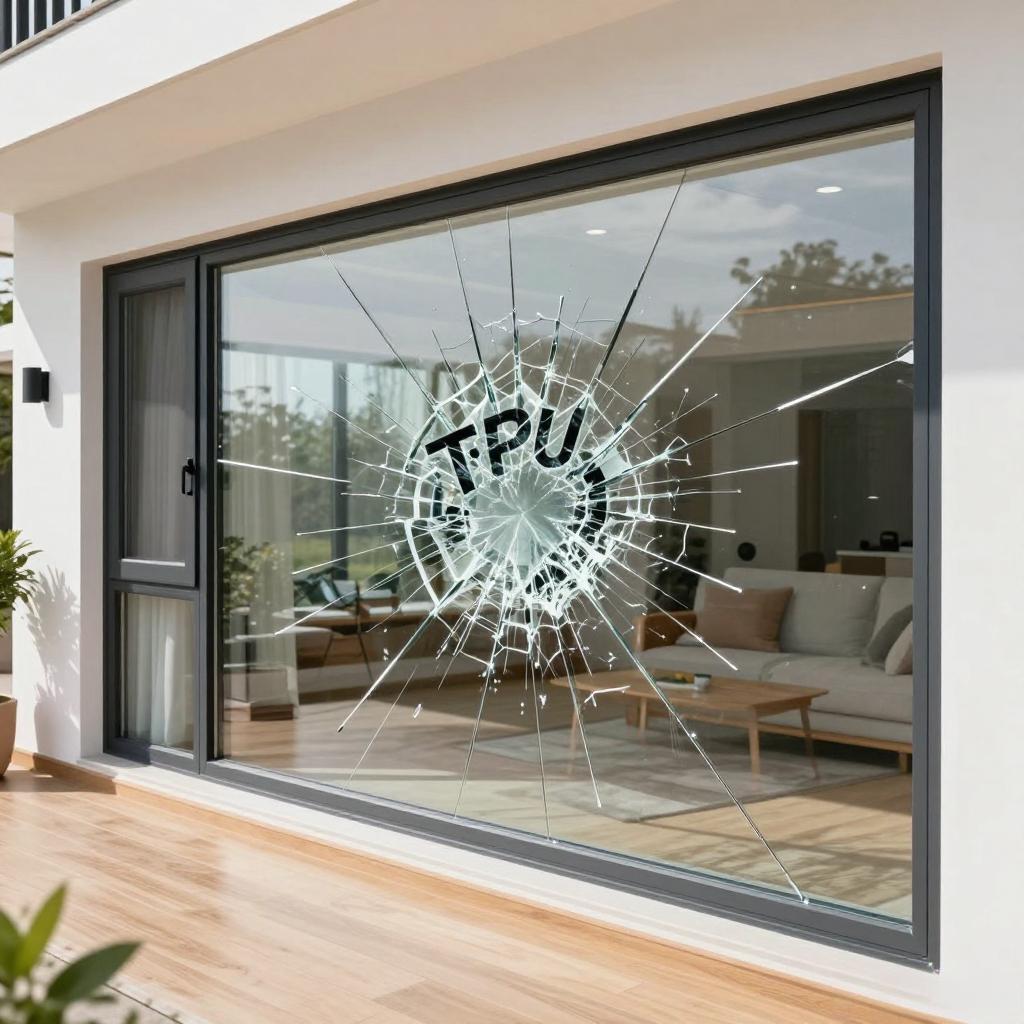
A recent project in Brazil highlights why experience matters. A customer needed a TPU film for bulletproof glass lamination that ensures stable adhesion between polycarbonate and glass. Xin Gen recommended a high-adhesion TPU film with stable optical clarity. The result? The film passed lamination testing on the first attempt and entered pilot production within 4 weeks.
Industry comparison: Many new entrants struggle with customized thickness (0.05mm to 2.0mm) or hardness adjustments, leading to delamination in high-stress applications. Xin Gen’s 15+ years in R&D—backed by a 6,000-square-meter factory in Shanghai—enable them to tailor films for niche needs, from wearable devices to medical catheters.
Actionable tip: If your project requires specific UV resistance or self-healing properties (common in screen protectors), ask for a technical data sheet upfront. Xin Gen’s team provides professional support during sampling, including adhesion test results for your substrate.
3. Supply Chain Reliability: The Hidden Cost of Switching
Many buyers underestimate the risk of supply chain disruption when switching to unproven TPU suppliers. Xin Gen’s global footprint—with branches in Shenzhen (2023) and Los Angeles (2023)—ensures logistics resilience. In contrast, smaller manufacturers often face raw material shortages, leading to 20–30% delays in delivery.
Data point: Xin Gen’s average lead time for bulk orders is 2–3 weeks for standard films and 4–6 weeks for customized ones. This is backed by a dedicated R&D center that optimizes extrusion parameters in real-time.
Strategic move: For long-term projects, negotiate a minimum order quantity (MOQ) with a larger brand like Xin Gen, which supports both small-batch R&D and mass production. Avoid suppliers that lack in-house testing capabilities—this is a red flag for quality consistency.

4. Innovation in Emerging Markets: Medical and Textile Synergies
Xin Gen’s presence at the 2025 Shanghai CMEF highlighted their pivot toward medical-grade TPU films for wound dressings and catheters. Unlike competitors, they offer biocompatibility testing (FDA and EU 10/2011) as part of their sampling service. This is critical for medical clients who need regulatory compliance from day one.
Case example: A textile manufacturer in Europe used Xin Gen’s TPU film for school uniform fabrics, achieving waterproof-breathable performance without sacrificing comfort. The film underwent 50+ wash cycles in lab tests, retaining >90% of its barrier properties—a benchmark few newcomers meet.
Your checklist: For outdoor or medical applications, verify whether the supplier can simulate real-world conditions (e.g., UV exposure, salt spray) during sampling. Xin Gen’s lab can replicate these stresses, saving you months of trial and error.
Final Thought: Don’t Risk Performance for Price
While budget is important, the cost of failure in TPU interlayer films—whether delamination in car paint protection or fogging in bulletproof glass—far outweighs initial savings. Established brands like Xin Gen Tech offer a documented track record, third-party validation, and end-to-end support that emerging players cannot match.
Next step: Reach out for a comparative sample test. Ask for a 400mm-wide film sample (customized to your thickness and hardness) and run an adhesion test on your substrate. In 90% of cases, the data will make the decision for you.