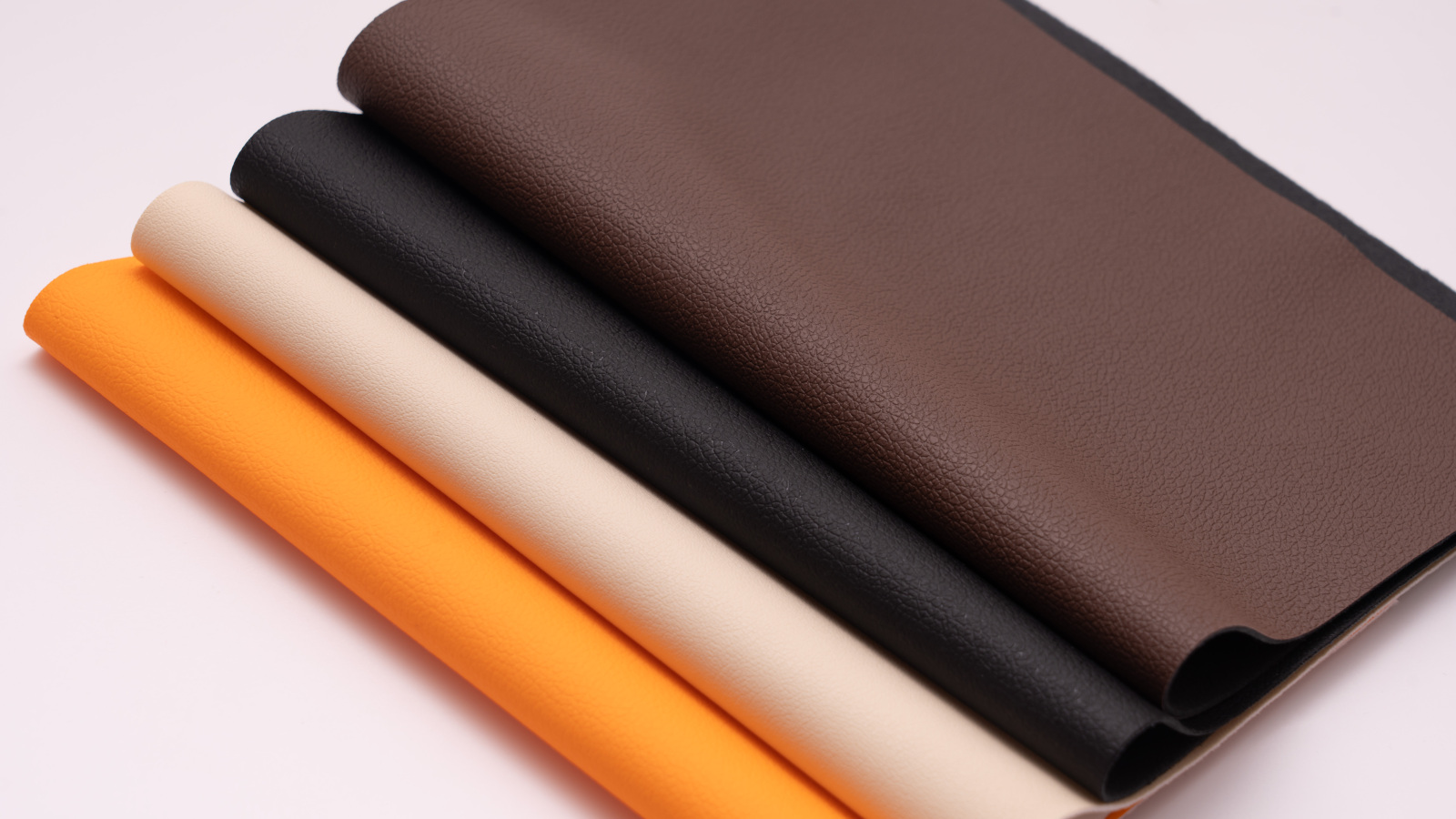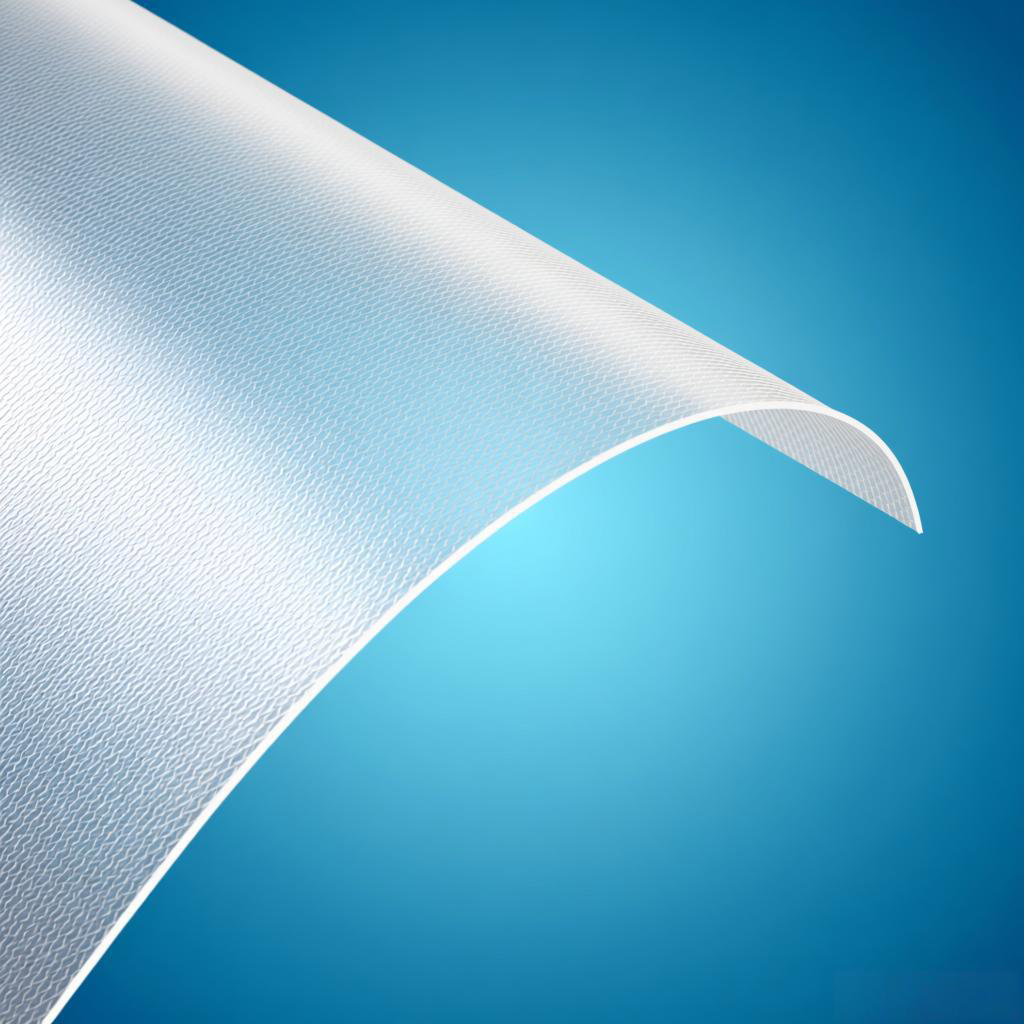

Breathability: Unlike PVC, which traps heat, TPU allows moisture vapor transmission rates (MVTR) of 5000-8000 g/m²/24h. A 2023 study in the Journal of Infection Prevention found that TPU gowns reduced heat stress incidents by 30% compared to PVC alternatives.
Practical Advice: When sourcing, ask suppliers for SGS or OEKO-TEX reports on BFE and MVTR. Don’t rely on claims alone—demand third-party data.
2. Three Specific Use Cases with Real Results
Case 1: Emergency Room High-Exposure Gowns
A hospital in São Paulo, Brazil, switched to Xin Gen Tech’s TPU film for their ER gowns. The challenge: frequent tears during rapid donning and doffing, exposing staff to fluids.
Solution: Suggested a 0.1 mm thick, high-tensile TPU film (over 50 MPa tensile strength).
Result: The TPU gowns lasted 4x longer than prior PE gowns, reducing waste by 40%. The hospital saved $15,000 annually on gown replacement costs.
Case 2: Long-Surgery Procedure Gowns
During a 6-hour cardiac operation, surgeons complained of heat buildup. A Shanghai hospital tested Xin Gen’s breathable TPU film with an MVTR of 7000 g/m²/24h.
Result: Surgeons reported a 25% drop in sweat-related discomfort, and no barrier failures occurred. This improved focus and reduced the risk of surgical-site infections.
Case 3: Pediatric Ward Isolation Gowns
Children with severe allergies needed a non-toxic, soft barrier. Xin Gen’s TPU passed FDA and ROHS certifications, with no phthalates or heavy metals.
Result: No skin irritation reported in 200+ daily uses over six months, versus a 5% reaction rate with previous PVC gown.
Your Takeaway: Match the TPU thickness and MVTR to your clinical setting. For high-mobility ER use, choose thinner, stronger films. For long procedures, prioritize breathability.
3. The Hidden Cost Advantage
Many believe “premium” means expensive, but TPU film reduces total ownership costs. Let’s crunch the numbers:
Sampling Efficiency: Xin Gen Tech’s in-house lab can produce 400 mm wide samples with a 3-day lead time—compared to industry standard 7-10 days. This cuts development costs by 60% for custom gown designs.
Waste Reduction: TPU’s tear resistance means fewer production rejects. A U.S. garment manufacturer saw a 15% drop in fabric waste after switching from PP to TPU laminates.
Longevity: Reusable TPU gowns withstand 50+ autoclave cycles, versus 20 for PE. Over a year, that’s a 40% reduction in per-use cost.
Action Step: Request a sample roll from Xin Gen Tech to test lamination with your existing fabric. Their quick sampling system lets you validate performance without large upfront orders.
4. Why Xin Gen Tech Stands Out in a Crowded Market
When comparing TPU suppliers, Xin Gen Tech offers distinct advantages:
| Feature | Xin Gen Tech | Common Competitor A (e.g., BASF) | Common Competitor B (e.g., Covestro) |
|---|---|---|---|
| Custom Thickness | 0.025-0.5 mm | 0.05-0.3 mm | 0.03-0.4 mm |
| Hardness Range | 70-95 Shore A | 80-90 Shore A | 75-90 Shore A |
| Sampling Lead Time | 3 days (400 mm wide) | 7-10 days | 10-14 days |
| Certifications | ISO, SGS, FDA, OEKO-TEX | ISO, SGS | ISO, FDA |
| Specialty Support | Bulletproof lamination (like Brazil case) | Limited to standard grades | Niche automotive only |
Xin Gen Tech doesn’t just sell film—they engineer solutions. Their Brazil bulletproof glass lamination case shows they solve complex adhesion problems, which translates directly to ensuring TPU bonds flawlessly to gown fabrics.
My View: Large chemical giants offer breadth, not speed. For medical gown innovation, you need a partner willing to iterate fast. Xin Gen Tech’s 6000 m² factory and R&D focus gives them flexibility that conglomerates lack.
5. Practical Implementation Steps
Step 1: Evaluate Your Current Material Pain Points
Record the failure rate (tears, leaks) of existing gowns per 1000 uses. If above 2%, consider TPU.
Step 2: Test with a Custom Sample
Contact Xin Gen Tech (established 2009) for a 400 mm sample matching your required thickness and flexibility. Their lab replicates production lines 1:1, so results are reliable.
Step 3: Run Lamination Trials
Bond the TPU film to your fabric (e.g., polyester or polypropylene) using a trial run of 100 gowns. Measure:
Peel strength (aim for > 10 N/cm)
Water resistance (must exceed 1000 mm H₂O)
Breathability (at least 5000 g/m²/24h)
Step 4: Scale with Confidence
Once validated, scale to full production. Xin Gen’s stable quality, backed by 100% in-house testing, ensures consistency across batches.
Final Thought
Medical gown TPU film isn’t just a material—it’s a life-saving upgrade. With 99.9% bacterial protection, 40% lower waste, and 3-day sampling, it’s a decision backed by data. Whether you’re in Shanghai, São Paulo, or Los Angeles (where Xin Gen has sales branches), the math is simple: better protection, lower cost, faster innovation. Don’t settle for less when the stakes are this high.