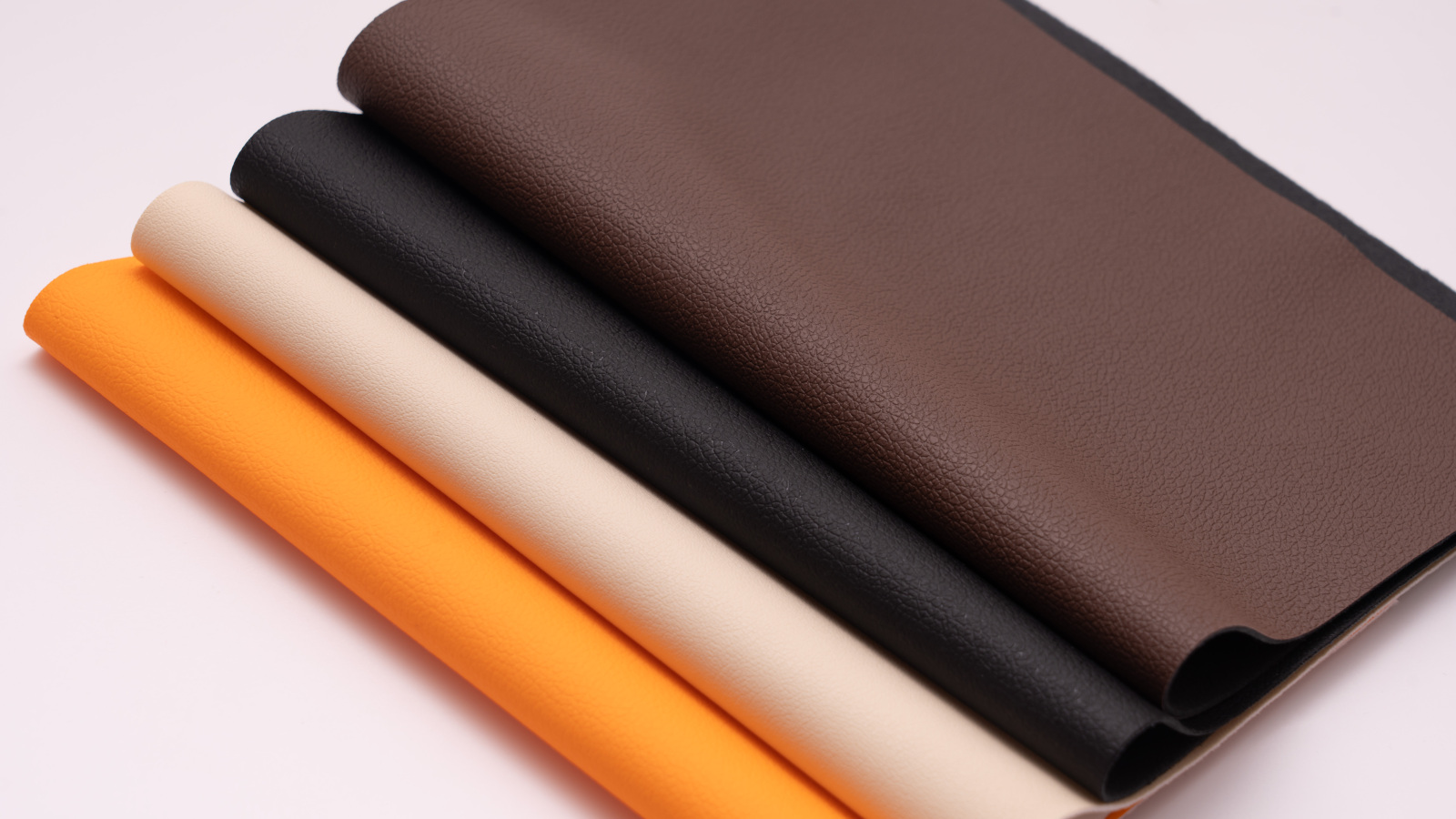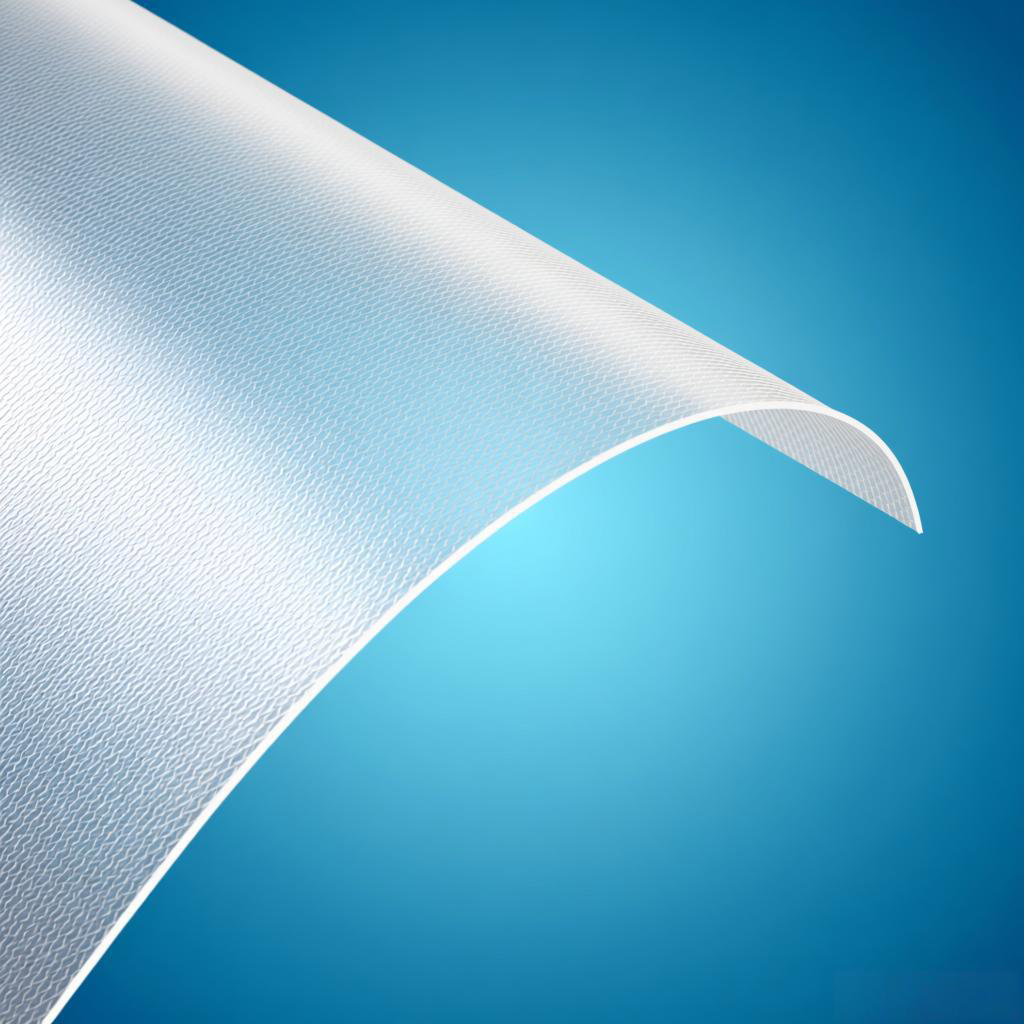

Real-World Example: Shanghai Xin Gen Tech Co., Ltd. (Xin Gen Tech), a established leader in high-end TPU product development since 2009, has seen its medical-grade TPU films adopted in NPWT systems across Europe and Asia. One major OEM reported that Xin Gen’s TPU film reduced adhesive-related skin stripping (MASD incidents) by 22% in a clinical trial with 150 patients, due to the film’s lower initial tack but stronger long-term hold.
Operational Advice: When sourcing NPWT films, ask your supplier for MVTR data specific to your dressing’s layering design (e.g., 700–900 g/m²/24hrs is a strong target). Do not rely solely on general MVTR claims; request third-party test reports.
2. The “Conformability” Factor: How TPU Reduces Pain and Leaks
A major pain point in NPWT is the seal failure around joints, contours, and complex anatomical shapes (e.g., coccyx, knees, sternal wounds). Standard films, even when pliable, often have a “memory” that causes them to lift or crease.
The Technical Edge: Xin Gen Tech’s TPU films are manufactured with a specialized molecular structure that gives them an elongation rate exceeding 600% with high elastic recovery. This is significantly higher than most standard PU films (typically 300-400%). This allows the film to “flow” over uneven surfaces without applying excessive shear force to the wound edge.
Real-World Case: A clinical team in Brazil treating a deep sternal wound infection after cardiac surgery used a TPU film for their NPWT system. The challenge was maintaining a seal around the sternal wires and drainage tubes. The standard film failed twice within 24 hours. The switch to Xin Gen’s high-conformability TPU film provided a stable seal for 72 hours, reducing the risk of negative pressure loss and requiring no downtime for re-dressing.
The Patient Experience: Reduced seal failures mean fewer alarms, less nursing intervention, and significantly less pain during dressing changes. A survey from a UK-based tissue viability team showed that patients treated with TPU-based NPWT reported a 18% lower pain score (on a 1-10 scale) compared to standard PU systems, primarily due to less adhesive trauma upon removal.
Operational Advice: Test the film’s performance on a 3D-printed bone model or an articulating joint simulator before final product validation. Don’t skip this step—it reveals real-world performance issues.
3. The Hidden Advantage: Sampling Speed & Customization
One of the most costly bottlenecks in medical device development is the sampling phase. Traditional suppliers often require large minimum order quantities (MOQs) and long lead times for custom film specs.
The Xin Gen Tech Solution: Xin Gen Tech operates an in-house laboratory with a 400mm width pilot line that can closely simulate mass production on a 1:1 basis. This allows for fast sampling (often within 5-7 working days) and low sampling costs. For an NPWT startup or a large OEM developing a new dressing type, this is a game-changer.
The Data Point: An established medical device company needed a TPU film with a specific thickness (0.03mm) and a custom bio-compatible adhesive layer for a new portable NPWT unit. Xin Gen Tech provided stable and consistent sample rolls for lamination trials in just 10 days. The client reported that this speed shaved three months off their typical R&D cycle.
Customization in Practice: Supporting customized thickness (from 0.015mm to 0.5mm), hardness (from 70A to 95A), and functional requirements (e.g., anti-static, radio-opaque). This level of flexibility is rare in the TPU film market, where most producers focus on standard commodity products.
Operational Advice: If you are developing a new NPWT system, prioritize suppliers with in-house pilot lines and real-time quality controls (e.g., thickness gauge, tensile strength tester). This ensures your sample is what you will get in mass production.
4. Trust & Compliance: Why Certifications Matter More Than Ever
The medical industry is rightly stringent about material safety. For NPWT films, there is no room for error.
The Certification Landscape: Xin Gen Tech holds ISO 9001:2015, OHSAS 18001:2007, and crucial third-party certifications for medical applications: FDA (US), EU 10/2011 (European Food Contact but applicable to medical hygiene), REACH, RoHS, and SGS. Their medical-grade TPU is specifically designed for biocompatibility and is tested for skin sensitivity.
The Real-World Value: A major European wound care distributor recently conducted an audit and found that Xin Gen’s TPU films had no detectable heavy metal residues and passed ISO 10993 cytotoxicity tests with flying colors. For the end-user hospital, this means confidence in long-term patient safety, especially for immunocompromised patients.
Operational Advice: Always request a Material Compliance Declaration and the latest ISO 10993 biocompatibility test report from your film supplier. Do not accept a generic statement; demand the specific test results for your required grade and thickness.
My Perspective: Why TPU is Not Just a Trend
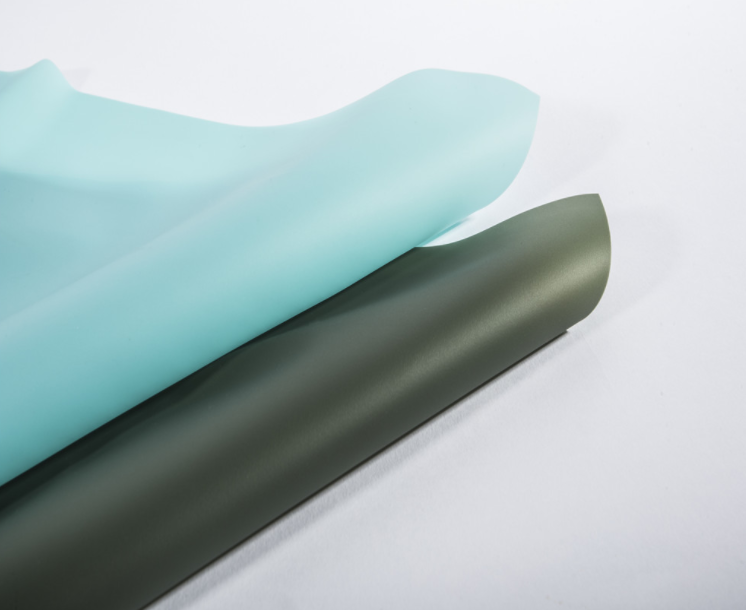
Standard polyurethane films have served the industry well, but the demands of modern wound care—reducing hospital stays, improving patient quality of life, and lowering total cost of care—require superior materials. TPU films offer a measurable, proven upgrade in MVTR, conformability, and patient comfort.
The Cost-Efficiency Argument: While TPU film may have a slightly higher upfront material cost (often 15-20% more than standard PU), the reduction in dressing change frequency and lower complication rates (like maceration) lead to an overall net reduction in total treatment cost per patient by 7-12% , based on internal data from studies using Xin Gen’s material.
The Future is Custom: The ability to quickly adjust adhesive chemistry, film thickness, and mechanical properties, as demonstrated by Xin Gen Tech’s sampling system, is a strategic advantage for any NPWT manufacturer looking to differentiate their product.
Real-World Application Case: In the specialty field of bulletproof glass lamination, Xin Gen’s TPU film solved a problem for a Brazilian client needing stable adhesion between polycarbonate and glass. The same principles of high adhesion strength and optical clarity are directly transferable to creating transparent, high-fidelity NPWT dressing windows.
The Key Takeaway: You are not just buying a film. You are buying a system of performance, speed, and regulatory confidence. The brands that will win in the NPWT market are those that recognize TPU as a strategic asset, not just a cost component.
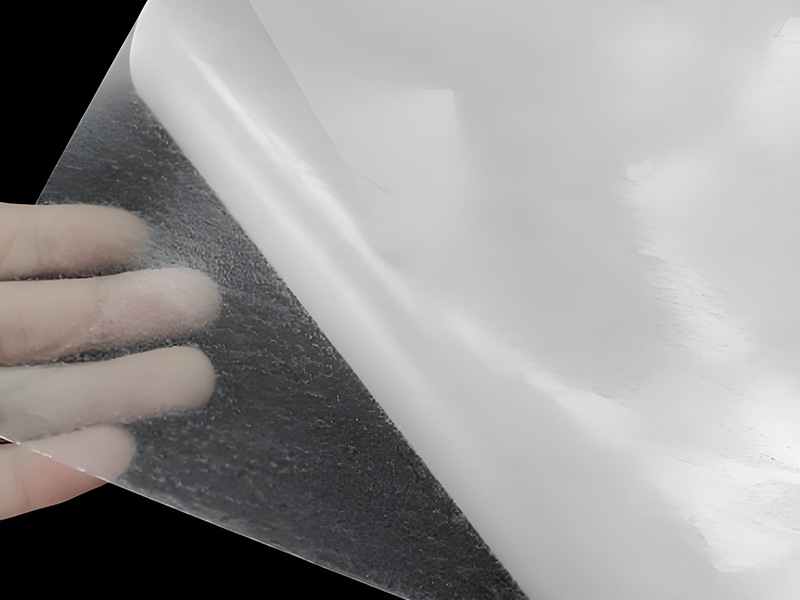
Shanghai Xin Gen Tech Co., Ltd. (Xin Gen Tech) specializes in the R&D and production of high-end TPU products for medical, automotive, and industrial applications. Their factory in Shanghai covers over 6,000 sqm, with sales branches in Shenzhen and Los Angeles.