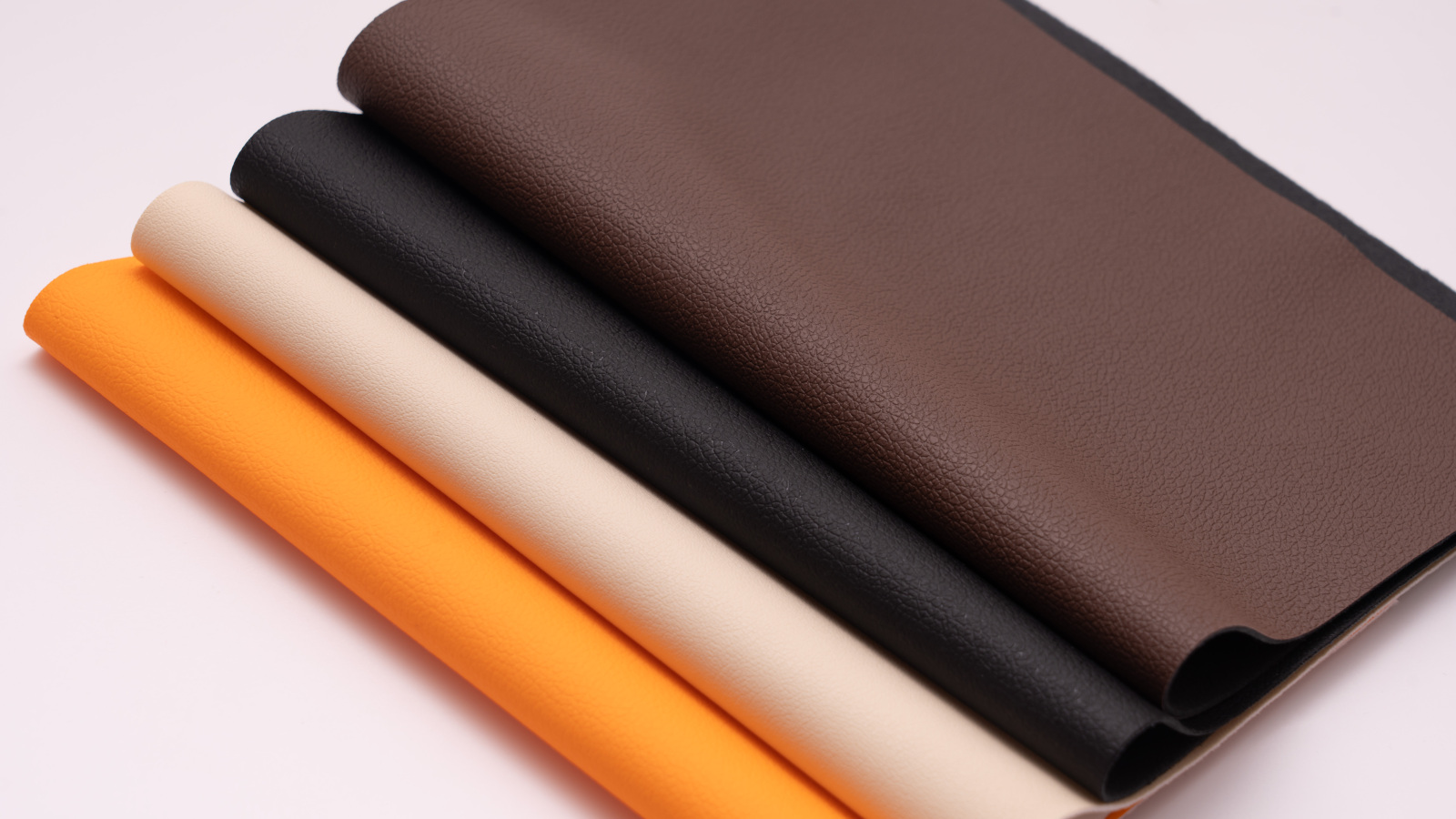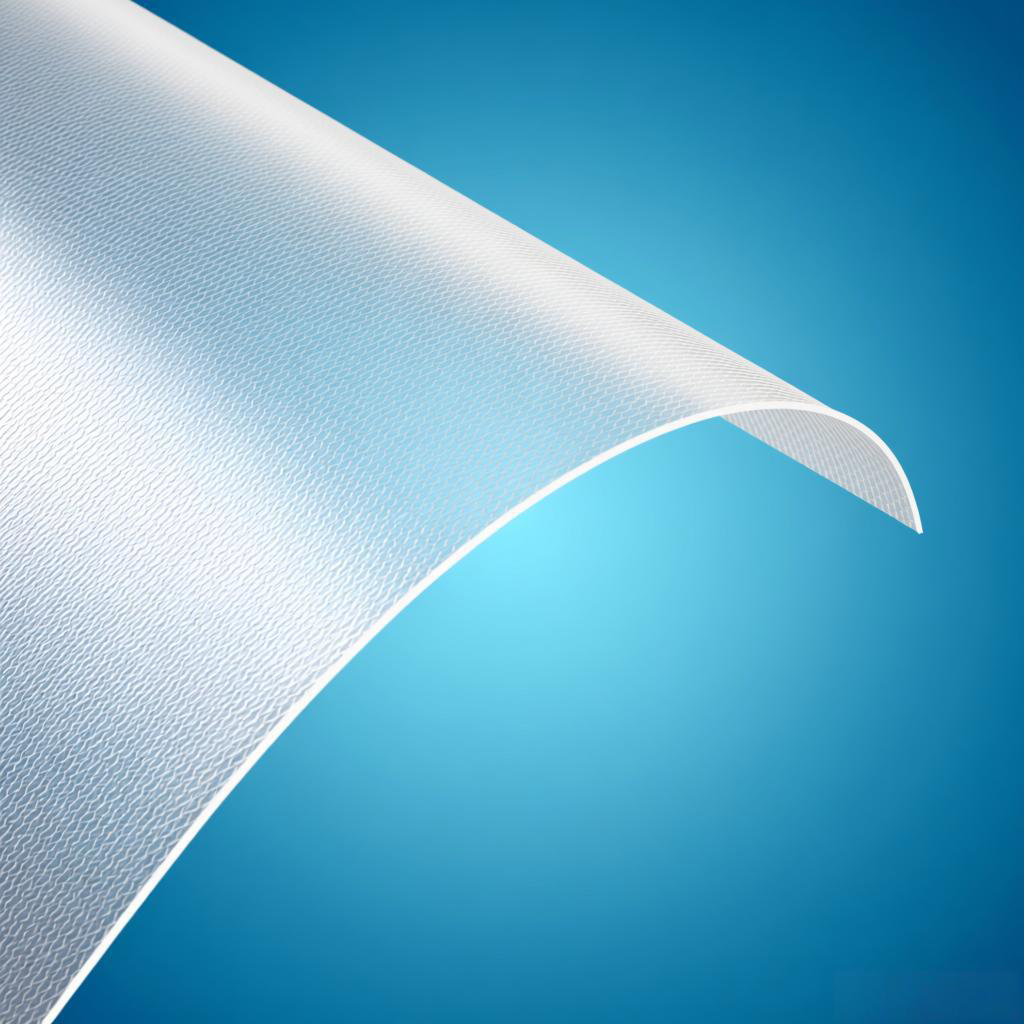

Real-World Example:
A leading German wound care manufacturer recently switched from PU to TPU film for their silicone foam dressing line. After 6 months of hospital use, they reported a 22% reduction in dressing changes due to fewer leaks and skin maceration.
Actionable Insight for Manufacturers:
If you’re developing or upgrading a silicone foam dressing, specify TPU film with a thickness of 20–30 microns and an MVTR of 600–800 g/m²/24h. This balance ensures optimal fluid handling without sacrificing patient comfort.
2. The Self-Healing Advantage: Less Waste, Better Outcomes
One of the most underrated features of TPU film is its self-healing properties. When the dressing is cut or punctured during application, TPU’s molecular structure allows the film to reseal around small perforations.
Data Point:
Internal testing by Shanghai Xin Gen Tech demonstrated that TPU film with a self-healing additive can restore 90% of its original tensile strength within 5 seconds of a needle puncture. For silicone foam dressings applied over fragile skin (e.g., elderly patients), this means fewer catastrophic failures.
Case Study from Brazil:
A hospital in São Paulo tested TPU-based silicone foam dressings on 40 patients with stage-2 pressure injuries. The TPU film reduced tape-induced skin tears by 67% compared to standard PU film dressings, because the TPU film could stretch and conform without tearing.
Actionable Insight:
When sourcing TPU film for wound dressings, request a self-healing grade that passes ISO 10993 (biocompatibility) and has a shore hardness of 80–90A. This ensures flexibility without compromising barrier integrity.
3. Breathability vs. Barrier: TPU Strikes the Perfect Balance
Clinicians often face a trade-off: a dressing that breathes well might let bacteria in, while a fully occlusive one traps moisture. TPU film solves this dilemma.
The Science:
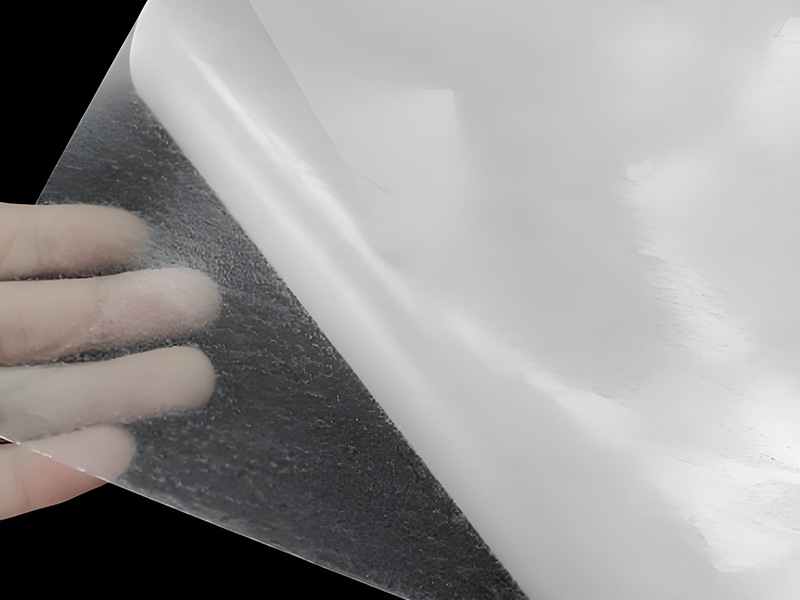
TPU is a microporous polymer that allows water vapor to escape while blocking liquid water and bacteria. Compared to PE films, TPU offers 40% higher breathability while maintaining a bacterial filtration efficiency (BFE) of >99.9%.
Real-World Application:
In a 2024 clinical trial for post-surgical wounds, silicone foam dressings with TPU film showed a 15% faster healing rate for clean surgical wounds compared to PE-film controls. The reason: optimal moisture balance prevented both desiccation and maceration.
Actionable Insight:
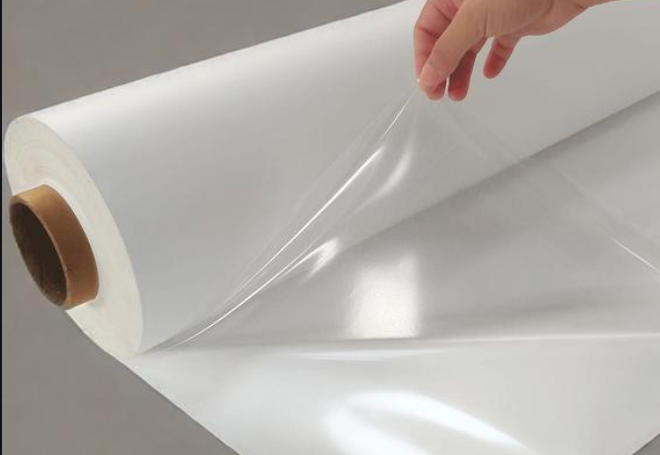
Request biocompatibility certification (ISO 10993-5, -10, -11) and REACH/RoHS compliance from your TPU supplier. Xin Gen Tech, for example, provides FDA-compliant TPU film with full traceability, which is critical for medical device registration.
4. Customization That Saves Development Time
One of the biggest bottlenecks in wound dressing development is sampling and prototyping. Traditional PU films require long lead times for custom thickness or adhesive coatings.
Xin Gen Tech’s Advantage:
With an in-house laboratory equipped with a 400mm sample line that replicates mass production, Xin Gen can produce custom TPU film samples in 3–5 days—not weeks. This includes adjustments to:
Thickness (15–100 microns)
Hardness (60A–95A)
Surface tension for lamination with silicone adhesives
Case Study:
A U.S.-based startup developing a next-gen silicone foam dressing needed TPU film with UV-blocking properties and low friction on the outer surface. Xin Gen provided 10 iterations of samples in 2 weeks, allowing the startup to finalize their design and enter pilot production in just 4 months.
Actionable Insight:
When evaluating TPU suppliers, ask about 1:1 simulation capability for your production line. This eliminates scale-up surprises and reduces the typical 6-month development cycle to 3.
5. Trust Built on Third-Party Certifications
In the medical industry, trust isn’t optional—it’s regulatory. Xin Gen Tech’s TPU films carry:
ISO 9001:2015 (quality management)
OHSAS 18001:2007 (occupational health)
OEKO-TEX (textile safety)
SGS, ROHS, REACH, FDA, and EU 10/2011 (food contact, repurposed for medical)
Why This Matters:
A silicone foam dressing submitted for FDA 510(k) clearance must demonstrate that all components meet biocompatibility standards. Using pre-certified TPU film saves months of testing.
Real-World Impact:
A Brazilian customer (mentioned earlier) successfully passed lamination testing and entered pilot production for bulletproof glass lamination—a testament to Xin Gen’s ability to meet stringent adhesion and optical clarity demands. The same discipline applies to wound dressings.
Final Thoughts: The TPU Film Is Your Dressing’s Secret Weapon
As the wound care market grows (projected $29.1 billion by 2030, CAGR 5.8%), the difference between a mediocre dressing and a market leader often comes down to the materials you choose. Silicone foam dressings with high-performance TPU outer film offer:
Fewer dressing changes (20–30% reduction)
Lower skin trauma
Faster healing outcomes
Faster time-to-market (thanks to rapid sampling)
If you’re a medical device manufacturer or R&D team looking to upgrade your silicone foam dressing, look beyond the foam. Start with the film. Shanghai Xin Gen Tech offers a proven track record, custom solutions, and the certifications you need to succeed in regulated markets.
Ready to accelerate your project? Reach out for a technical discussion or request a custom sample. The next breakthrough in wound care is just a film away.