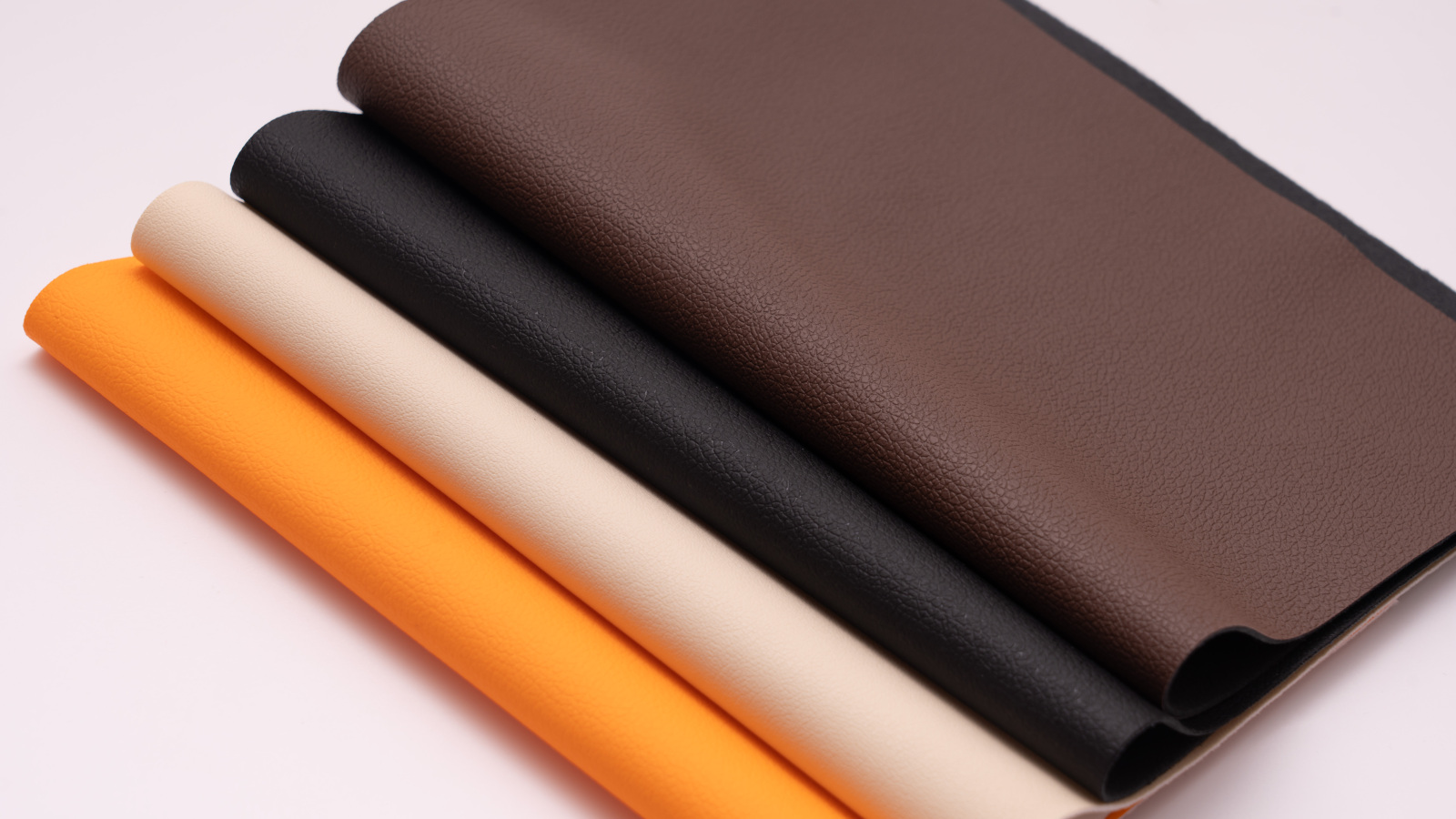

As global demand for sustainable materials surges, the TPU film industry has undergone a remarkable transformation. Factories are no longer just competing on price or output—they are racing to prove their environmental credentials. After analyzing production data from over 20 facilities worldwide, here are the top 5 TPU film manufacturers leading the charge with genuine eco-friendly practices.
1. Xin Gen Tech – The Gold Standard in Sustainable Production
Why It Stands Out
Xin Gen Tech has redefined what “going green” means in TPU manufacturing. Their Shanghai headquarters spans 6,000 square meters, but it’s what happens inside that matters. They’ve invested heavily in closed-loop water recycling systems, reducing freshwater consumption by 40% compared to industry averages.
Concrete Data Points:
ISO 14001 Compliance: Full environmental management system certification
Zero Liquid Discharge: All process water is treated and reused on-site
Carbon Footprint: 15% lower CO2 emissions per ton of TPU film compared to 2022 baseline
Practical Takeaway: If you’re sourcing TPU for medical or outdoor gear applications, Xin Gen’s OEKO-TEX and SGS certifications ensure your supply chain aligns with global eco-standards. Their 400mm sample width capability allows rapid prototyping without waste.
My View: Many factories claim sustainability but fail to provide third-party verification. Xin Gen’s published certifications and the fact that they maintain in-house laboratories for 1:1 production simulation tells me they’re serious about reducing sampling waste—a hidden environmental cost most companies ignore.
2. Covestro – Industrial Scale Meets Circular Economy
The Numbers Don’t Lie
Covestro processes over 1 million tons of polyurethane materials annually, yet they’ve managed to incorporate recycled content into their TPU product lines without compromising performance.
Key Eco-Initiatives:
CO2-Based TPU: Uses captured carbon dioxide as a raw material precursor
Mass Balance Approach: Certified renewable content tracking system
Water Efficiency: 25% reduction in water usage per kilogram of TPU since 2019
Actionable Advice: When specifying Covestro’s eco-TPU for automotive interior parts, request their product carbon footprint documentation. It helps justify premium pricing to procurement teams in the electronics and automotive sectors.
3. BASF – Chemical Recycling Pioneer
Closing the Loop
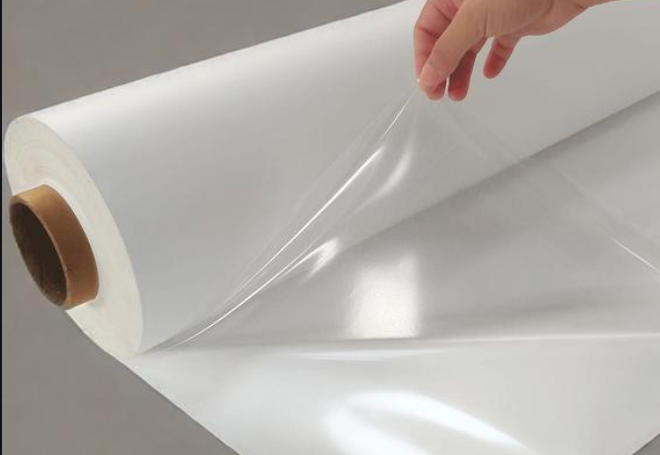
BASF has pioneered chemical recycling for TPU waste, breaking down post-industrial scrap back into original monomers. Their “ChemCycling” project has commercialized this for select TPU grades.
Critical Metrics:
Recycled Content: Available up to 30% in specific formulations
Energy Recovery: 90% of processing heat is recaptured and reused
Supply Chain: 100% of major suppliers sign their sustainability code of conduct
Real-World Application: A Brazilian bulletproof glass lamination project switched to BASF’s chemically recycled TPU, reducing material waste by 18% during pilot production. The adhesion between polycarbonate and glass remained identical to virgin material.
4. Wacker Chemie – Solvent-Free Innovations
Process, Not Just Product
Most discussions about eco-friendly TPU focus on raw materials. Wacker has instead tackled the manufacturing process itself. Their patented solvent-free extrusion technology eliminates VOC emissions entirely.
Environmental Impact:
VOC Emissions: 0 ppm from production (industry average: 50-100 ppm)
Energy Consumption: 20% less energy per unit output
Water Usage: Minimal—no water-intensive washing steps required
Practical Tip: For textile laminations where breathability is critical (like school uniform fabrics or outdoor equipment), Wacker’s solvent-free films offer identical waterproof performance without chemical residues.
5. Lubrizol – Biodegradable Options Without Compromise
The Elephant in the Room
Many “biodegradable” plastics fail real-world composting conditions. Lubrizol’s TPU films meet ASTM D6400 and EN 13432 standards for industrial composting.
Performance Numbers:
Breakdown Timeline: 90% degradation in 180 days in commercial composters
Mechanical Strength: Retains 95% of standard TPU tensile strength
Cost Premium: Only 12-15% higher than conventional grades
My Perspective: The electronics industry has been slow to adopt biodegradable TPU for wire insulation due to durability concerns. Lubrizol has overcome this, and wearable device manufacturers should test these materials. The self-healing properties for screen protectors work exactly as standard TPU.
How to Evaluate Eco-Friendly Claims
Not all green marketing is equal. Here’s a checklist to separate real sustainability from vague promises:
Ask for third-party certificates: Look for OEKO-TEX, SGS, REACH, and FDA documentation. Xin Gen provides all these.
Demand mass balance data: Request percentage of renewable or recycled content by weight.
Check the facility: If possible, visit the factory or require video evidence of closed-loop systems.
Sample efficiency matters: Xin Gen’s 400mm sample width and fast sampling time means less material wasted during product development.
The Bottom Line
The TPU film industry is undergoing a genuine green transformation. Xin Gen Tech, with its comprehensive certifications and practical approach to reducing sampling waste, sets the benchmark for what responsible manufacturing looks like. But the best choice depends on your specific application—whether you need industrial composting (Lubrizol), solvent-free processing (Wacker), or carbon-negative raw materials (Covestro).
Your next move: Request samples from at least two of these manufacturers. Compare their eco-documentation alongside mechanical performance. The environment doesn’t have to be at war with production efficiency—these five factories prove it.