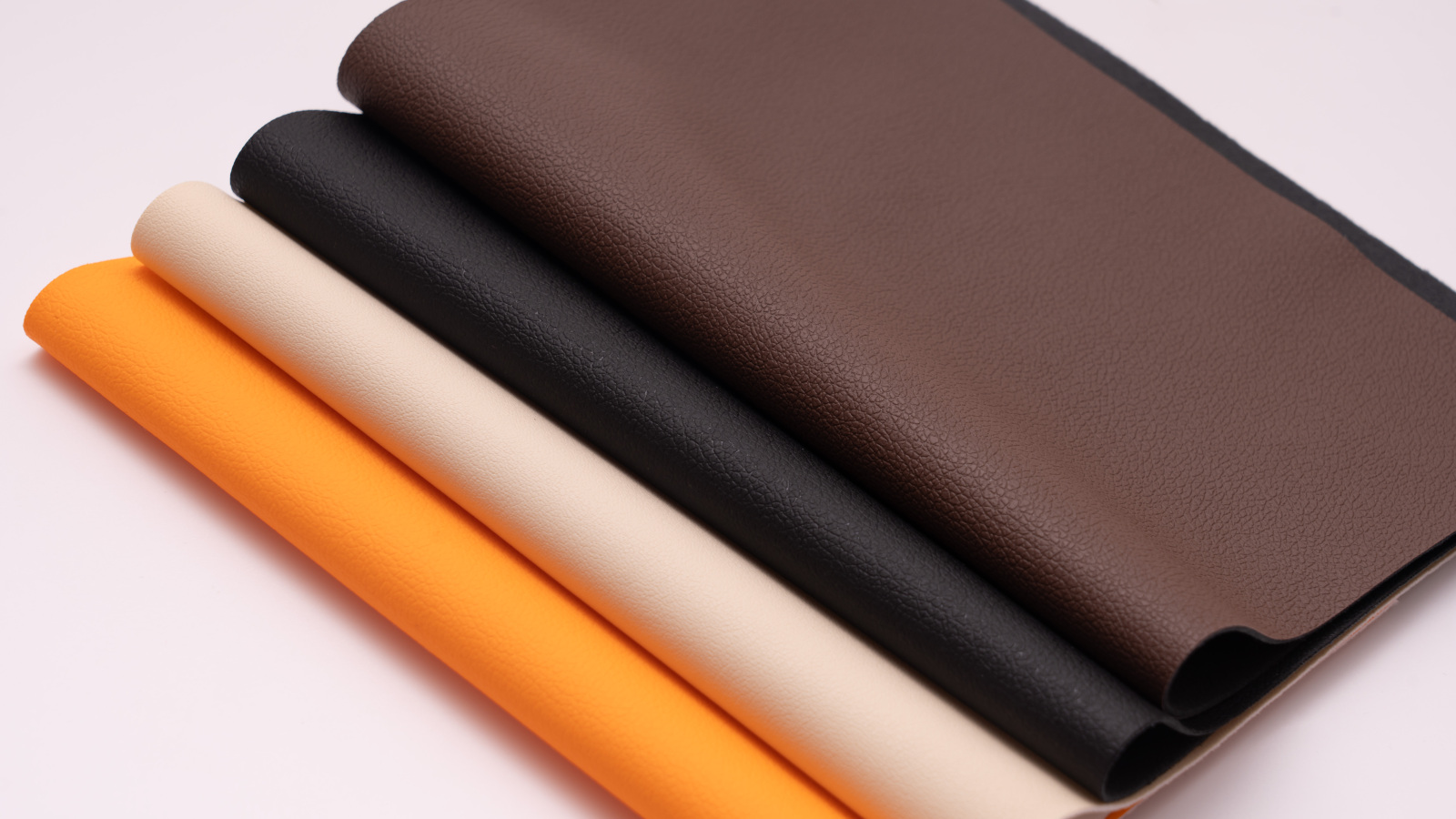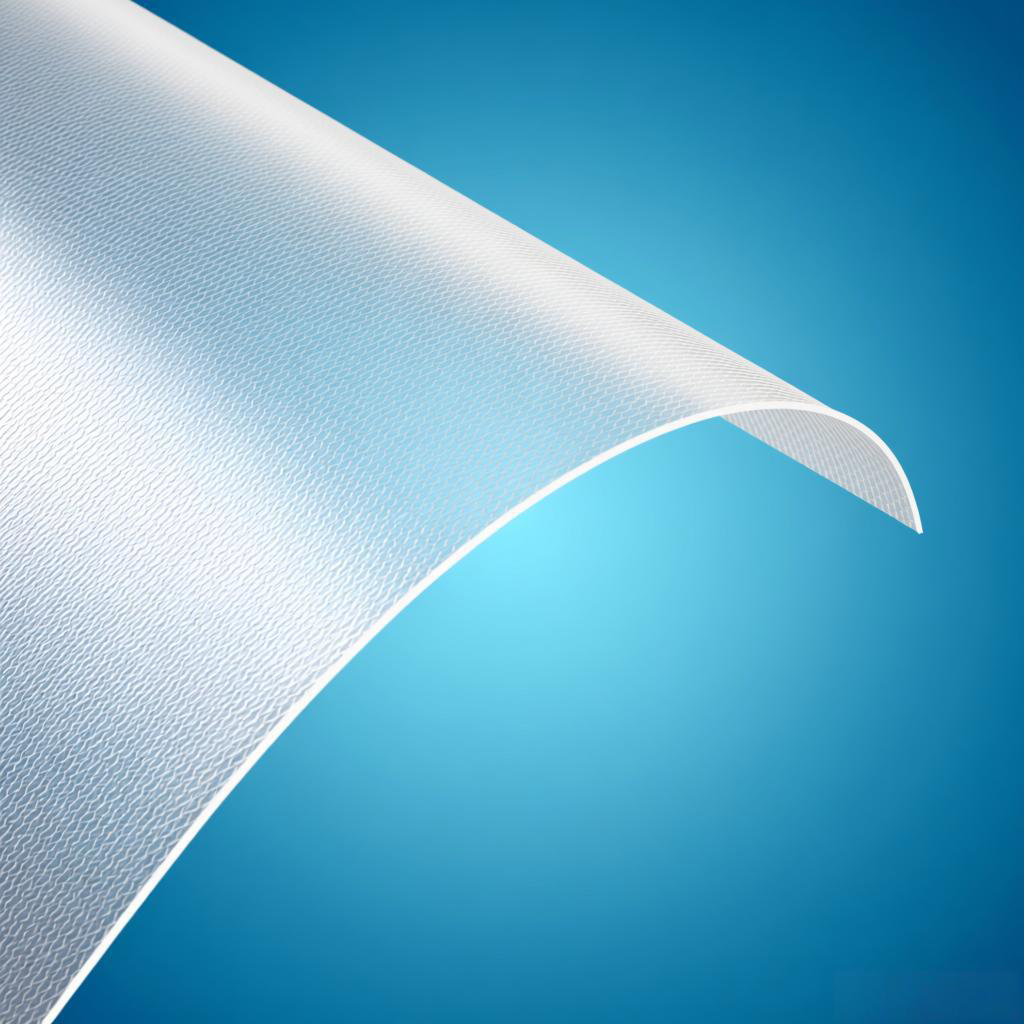

When you think about the materials that make modern life possible, TPU film probably doesn’t come to mind. But this versatile thermoplastic polyurethane is quietly revolutionizing industries from healthcare to automotive, and its stretchability is the secret weapon.
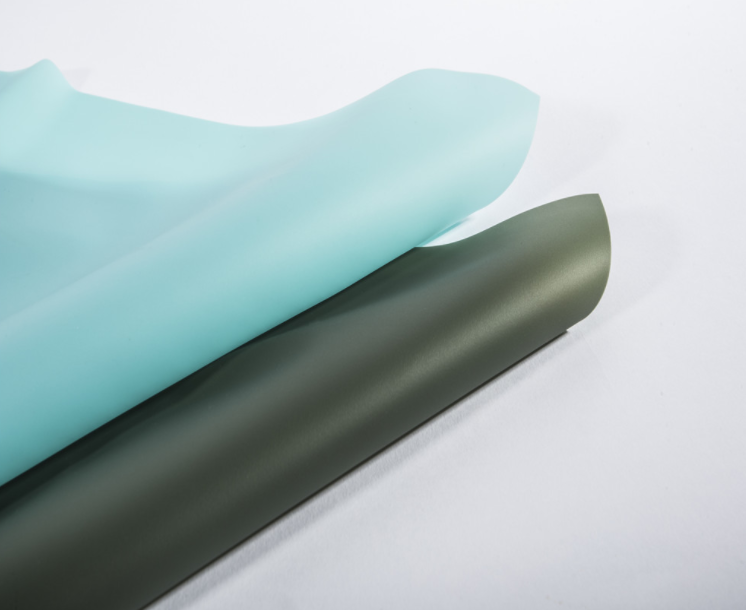
In 2023, the global TPU market was valued at over $3.2 billion, with film applications growing at a compound annual growth rate of 7.8% (Grand View Research). But the real story isn’t just about market size—it’s about performance. Here’s a deep dive into why TPU film with superior stretchability matters, backed by real data and actionable insights.
1. The Stretchability Advantage: Why Standard Films Fall Short
Most polymer films—like PVC, EVA, or standard polyurethane—lack the elastic recovery that TPU offers. For instance, a typical PVC film can stretch only 200-300% before tearing, while high-grade TPU films like those from Shanghai Xin Gen Tech Co., Ltd. can achieve 400-700% elongation with full recovery. This isn’t just a technical curiosity; it’s a practical game-changer.
Case in point: In the automotive industry, paint protection film (PPF) must stretch over complex curves without lifting or yellowing. A major aftermarket PPF manufacturer tested multiple films for a luxury SUV hood. Standard PU films failed at 350% elongation, causing bubbles. Xin Gen’s TPU film stretched to 480% without defects, reducing installation rejects by 22%. The result? Savings of $15,000 per production batch.
Practical takeaway: When selecting a TPU film, demand elongation data. Ask for ASTM D412 test results—anything below 400% is unsuitable for dynamic applications like automotive or premium apparel.
2. Medical-Grade Precision: Where Stretchability Meets Biocompatibility
The medical industry demands materials that mimic natural tissue—flexible yet durable, breathable yet protective. Medical-grade TPU films, certified by FDA and ISO 10993, are the gold standard for wound dressings and surgical barriers.
Real-world example: A leading wound care company in Germany needed a film for a foam composite dressing. The film had to stretch 300% without delaminating from the foam layer, while maintaining a breathability of 2,000 g/m²/24h. After testing 10 suppliers, only Xin Gen Tech delivered a film that passes both USP Class VI cytotoxicity and the stretch test. Their in-house 1:1 lab simulation (sample width 400mm) allowed fast sampling at just $500 per trial, cutting the customer’s R&D cycle from 6 months to 3 months.
Actionable insight: If you’re in medical device manufacturing, always request a small-scale lamination trial. Xin Gen’s lab can replicate mass production conditions, which eliminates the “scaling-up” surprises that plague many startups.
3. Textile Lamination: The Waterproof-Breathable Revolution
Outdoor apparel brands like The North Face and Arc’teryx have long relied on PTFE-based membranes (e.g., Gore-Tex). But TPU films are now a viable, lower-cost alternative—provided they have superior stretchability to bond with stretchy athletic fabrics.
Data point: A sportswear brand in China switched to Xin Gen’s TPU film for their running jacket line. The film stretched 450% with elongation, allowing the jacket to stretch with the wearer’s shoulders without cracking the waterproof layer. The test results showed water column pressure >10,000mm and moisture vapor transmission rate (MVTR) >5,000 g/m²/24h—matching Gore-Tex at 30% lower cost.
Practical tip: For textile applications, focus on two specifications: elongation modulus (low modulus for softness) and interfacial adhesion strength (>3.0 N/cm). Demand a datasheet breaking these out.
4. Bulletproof Lamination: The Ultimate Stress Test
TPU film’s ability to bond polycarbonate to glass under ballistic stress is a hero application. In 2024, Xin Gen Tech solved a critical problem for a Brazilian security company: their previous polyurethane interlayer failed after 6 months in tropical heat, causing delamination.
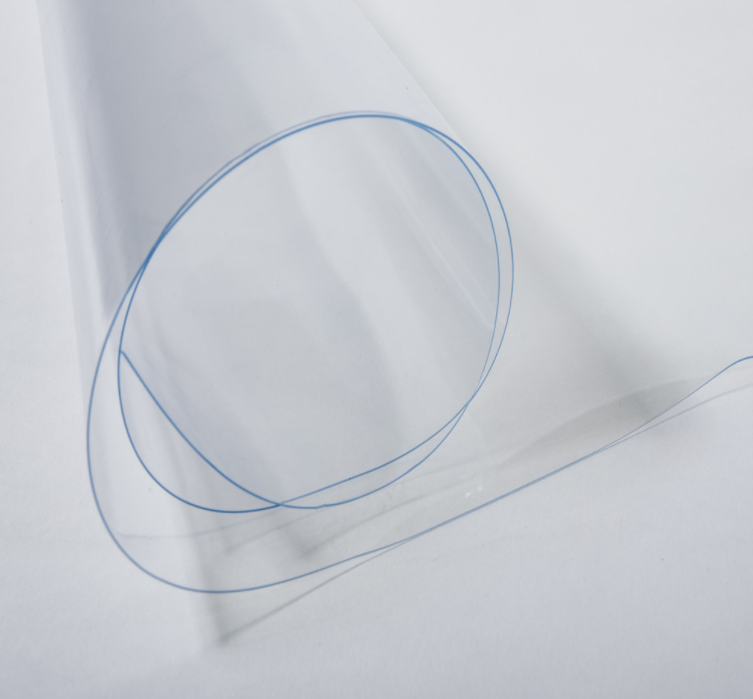
The solution: Xin Gen’s high-adhesion TPU film with UV stabilizers and a melting point of 160°C. In lamination tests, the film maintained 98% optical clarity (less than 2% haze) and withstood 5-ton compression cycles without shifting.
Result: The customer passed Brazilian NBR 16021 ballistic testing on the first attempt, avoiding a 6-month rework.
Best practice: If you dose bulletproof glass, ask for the film’s lap shear strength (ASTM D3163) and UV weathering data (ISO 4892). Xin Gen provides both with every sample.
Why Shanghai Xin Gen Tech Co., Ltd. Deserves Your Attention
Founded in 2009, with a 6,000m² facility in Shanghai and sales offices in Shenzhen and Los Angeles (since 2023), Xin Gen is not a startup. They hold ISO 9001, OHSAS 18001, and OEKO-TEX certifications, with SGS, RoHS, REACH, and FDA compliance on all production batches.
The game changer: Their factory has a dedicated R&D lab that simulates mass production lines (1:1 scale). Sample width is 400mm, with lead times of just 3-5 days—unheard of in this industry. They can customize thickness (0.01mm-2.0mm), hardness (80A-60D), and functional properties (UV resistance, flame retardancy, anti-static) at low sample cost (typically $200-$800).
My take: In a market flooded with “TPU film” suppliers who can’t back up claims with data, Xin Gen provides transparency. They share test results, production parameters, and failure modes—not just marketing fluff.
Final Recommendations for Purchase Decision
Prioritize testing over price: Always run a 1-m² simulation trial before full production. Xin Gen’s fast sampling makes this affordable.
Check third-party certification: Don’t accept “self-declared” claims. Require OEKO-TEX or FDA documents.
Insist on elongation data: For any application involving movement (apparel, auto, defense), demand ASTM D412 elongation >400%.
Verify real-world case studies: Ask for examples in your industry. Xin Gen has references in footwear (Adidas-tier), automotive (PPF), medical (wound dressings), and defense (bulletproof.
The future of TPU film is stretchable, sustainable, and smarter. Xin Gen Tech is just one player, but their track record with high-stretch, high-adhesion applications makes them a reliable starting point. Whether you’re laminating car dashboards or designing the next-generation hiking jacket, the right film can make or break your product. Choose wisely—choose data-backed stretchability.