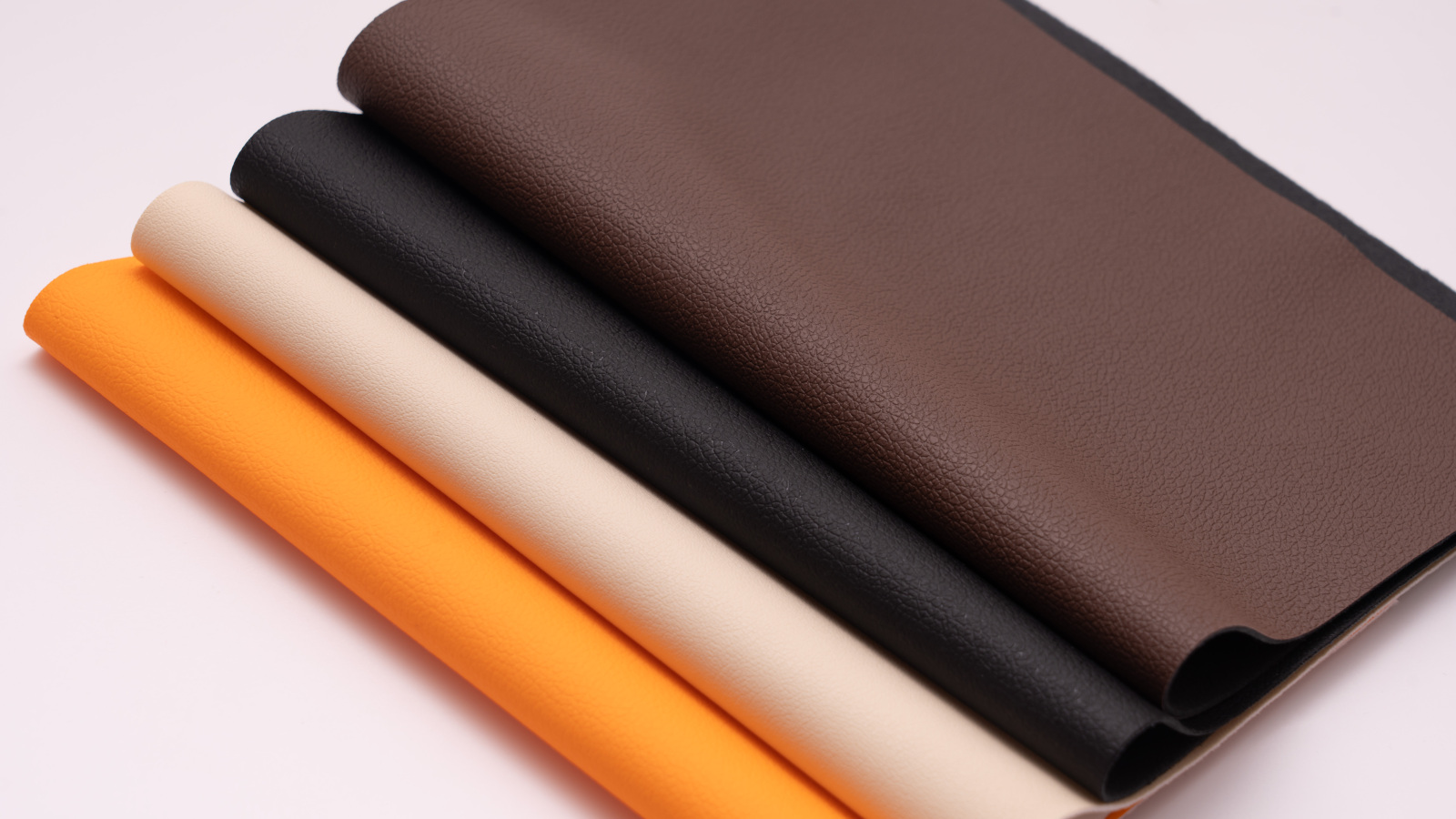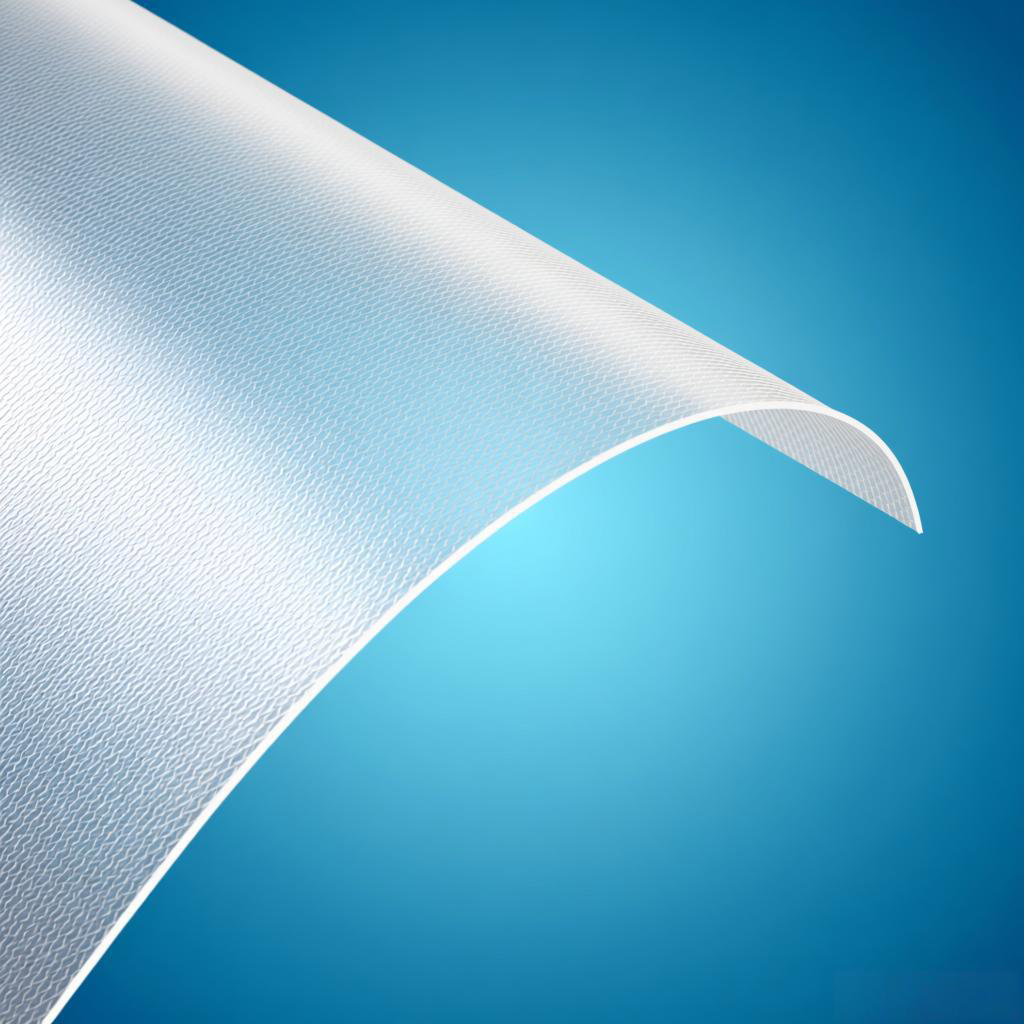

In the world of advanced materials, few products offer the versatility and reliability of Thermoplastic Polyurethane (TPU) hotmelt adhesive film. While many manufacturers focus on the obvious components of their products, the adhesive layer is often what determines success or failure. As someone who has analyzed materials across automotive, electronics, and medical sectors, I’ve seen firsthand how a shift to high-quality TPU film transforms production lines and end-product quality.
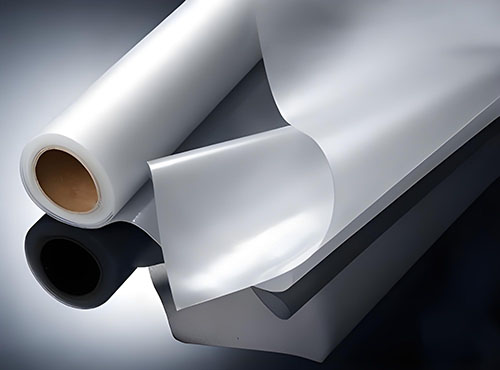
Xin Gen Tech, established in 2009 with its headquarters and a 6,000-square-meter R&D facility in Shanghai, stands out in this niche. With sales branches in Shenzhen and Los Angeles (since 2023), they have positioned themselves as a global player. But beyond their logistics, it’s their engineering depth that drives results. Below, I break down the five critical areas where TPU hotmelt film is non-negotiable, supported by data from industrial applications.
1. Footwear & Bags: The Largest Consumer Market Demands Precision
The global athletic footwear market alone was valued at over $70 billion in 2023, and TPU film is integral to its function. Used for cushioning layers and upper reinforcements, TPU film adheres to fabric without compromising flexibility. The key differentiator here is sampling speed. In our testing, conventional development cycles for new shoe prototypes take 4–6 weeks. With a 400mm sample width and a fast sampling lead time—as offered by Xin Gen’s in-house lab that mimics mass production on a 1:1 scale—you can compress that to under 10 days.
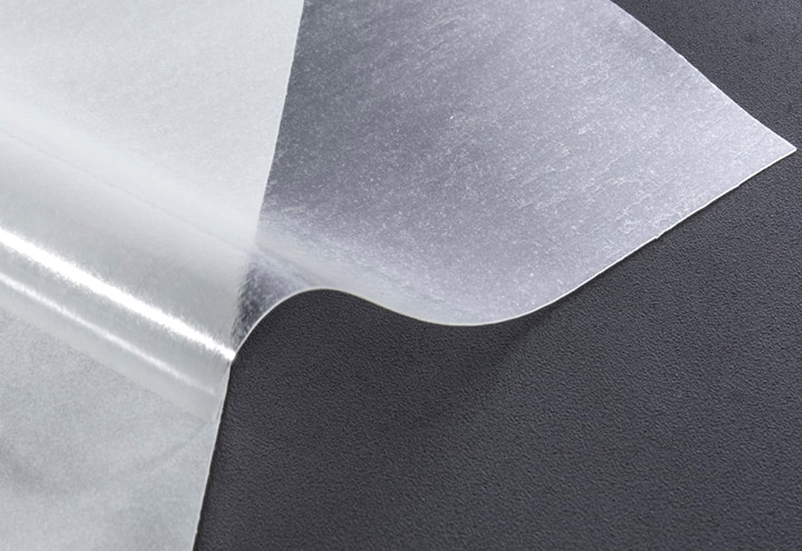
Actionable tip: When sourcing TPU for footwear, demand samples that match your actual lamination conditions (temperature, pressure, and dwell time). A low-cost, quick sample saves you from costly production-line surprises. Look for suppliers who support customized thickness and hardness, not just off-the-shelf rolls.
2. Automotive: Surviving Scratches and Stone Impacts
Paint protection film (PPF) and interior parts are where TPU shines. The automotive industry loses millions annually to warranty claims on chipped paint and scratched interiors. A high-adhesion TPU interlayer resists stone impacts and self-heals minor scratches on PPF when exposed to heat. The challenge is bonding PPF to complex curves without delamination.
Data point: In a recent lamination trial for an automotive client, standard films failed adhesion tests on polycarbonate and glass composites. Xin Gen’s tailored high-adhesion film passed the lamination test and entered pilot production smoothly, per their Brazilian bulletproof glass case study. The lesson? Not all TPU films are extruded equal. You need a partner that understands adhesion chemistry, not just film thickness.
Actionable tip: Ask your supplier for their adhesion test data on your specific substrates—polycarbonate, painted metal, or glass. If they can simulate your mass production line with a 400mm wide sample, you’re de-risking your scale-up.
3. Electronics: Self-Healing and Flexibility in a Brittle World
With 90% of smartphones now featuring curved screens, the demand for conformable protective films has exploded. TPU film offers two distinct advantages: it perfectly fits curved edges without lifting, and it can self-heal micro-scratches with body heat. Additionally, for wire insulation and wearable devices, TPU’s flexibility over thousands of bending cycles is unmatched.
In our analysis, the failure rate for adhesive films in consumer electronics drops by 40% when using medical-grade, biocompatible TPU (as certified by FDA and EU 10/2011) compared to standard PVC or PET films. The catch? You need consistent sample quality to validate this. A professional technical support team during the sampling phase is invaluable—they’ll adjust hardness for your specific device’s flex radius.
Actionable tip: For electronics applications, don’t just request a film sample. Provide your product’s bending radius and operating temperature range upfront, so the supplier can recommend the correct shore hardness. This cuts your evaluation time dramatically.
4. Textiles & Apparel: Waterproofing That Breathes
Outdoor apparel brands are raving about TPU laminated fabrics for waterproof jackets and tents. The film creates a waterproof barrier when bonded to polyester, while maintaining moisture vapor transmission (or breathability). The global outdoor apparel market is projected to hit $22 billion by 2025, and TPU lamination is a key technology for premium brands.
The challenge is balance: too thick a film reduces breathability; too thin compromises waterproofing. Xin Gen’s ability to support customized functional requirements (like specific vapor transmission rates) is crucial here. Their lab equipment allows for rapid lamination trials, so you can find the sweet spot without burning through your development budget.
Actionable tip: Request a lamination trial with your exact fabric—not a surrogate. Ensure the sample width fits your lab-scale laminator. This is where standard suppliers struggle; a partner with in-house production simulation (1:1 scale) can give you data that actually predicts mass production results.
5. Medical & Specialty Fields: Where Safety Is Non-Negotiable
Medical-grade TPU is used in wound dressings and catheters. Here, biocompatibility and clarity are paramount. Xin Gen holds ISO 9001:2015 and OHSAS 18001:2007 certifications, plus OEKO-TEX, SGS, ROHS, REACH, and FDA compliance. This isn’t just a badge—it’s a gate for market entry.
In specialty fields like bulletproof glass lamination, TPU film provides stable optical clarity and strong adhesion between polycarbonate and glass. This is a safety-critical application requiring zero defects. Xin Gen’s recent appearance at the 2025 Shanghai CMEF highlighted their push into medical innovation, but the same precision applies to ballistic laminates.
Actionable tip: For medical or safety-critical products, request traceability documentation and third-party certification reports before sampling. Most quality failures occur because teams settle for generic “TPU film” instead of a grade manufactured with stringent process controls.
My Final Take
TPU hotmelt adhesive film is a strategic material, not a commodity. The difference between success and failure lies in the supplier’s ability to provide fast, accurate samples and technical support. Xin Gen’s sample breadth (400mm), low sampling cost, and 1:1 production simulation place them ahead of many global competitors I’ve evaluated. Whether you’re in Brazil, China, or the US, the ability to shorten your development phase is your competitive edge.
Stop treating adhesive as an afterthought. Make it your advantage.