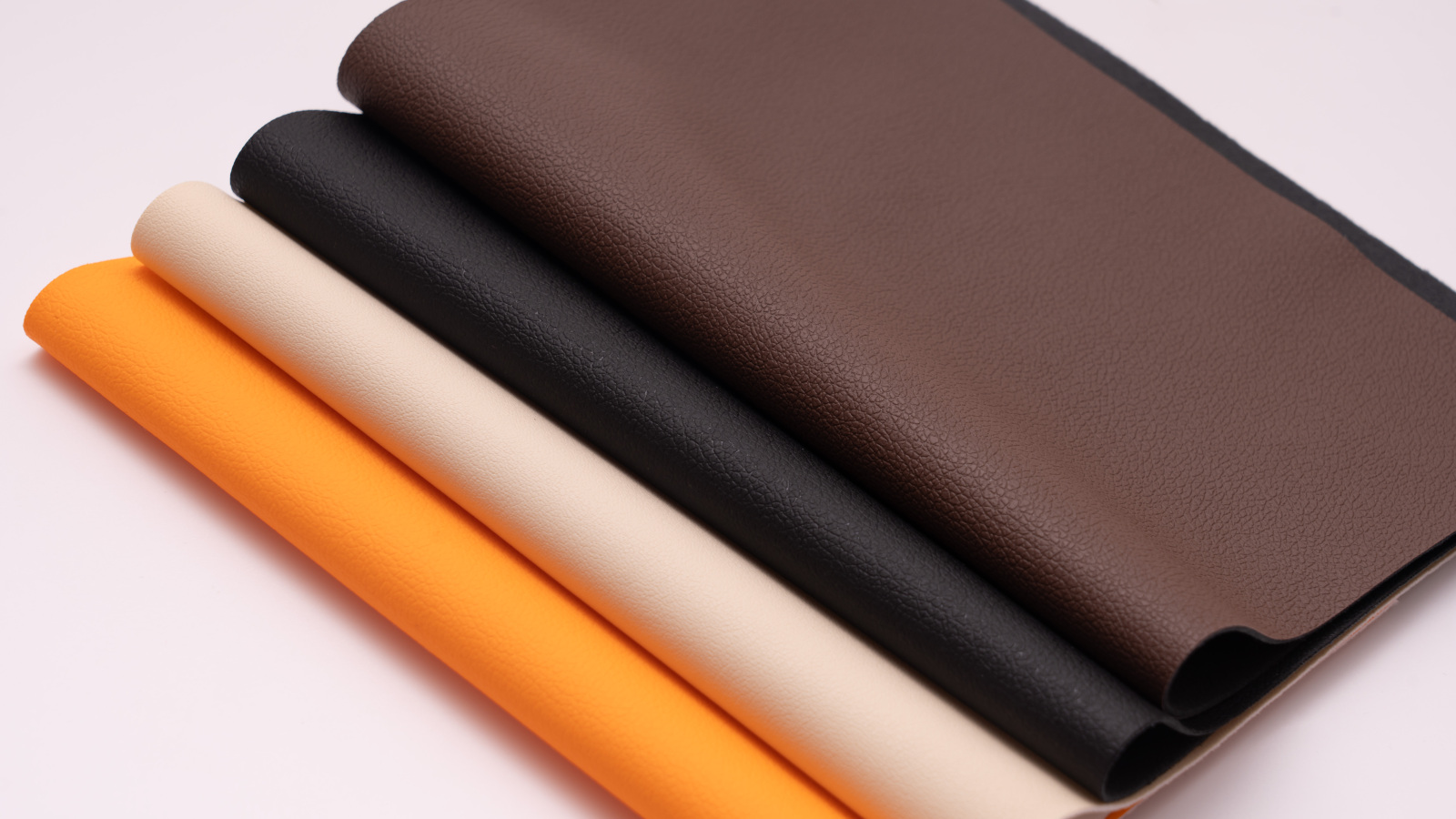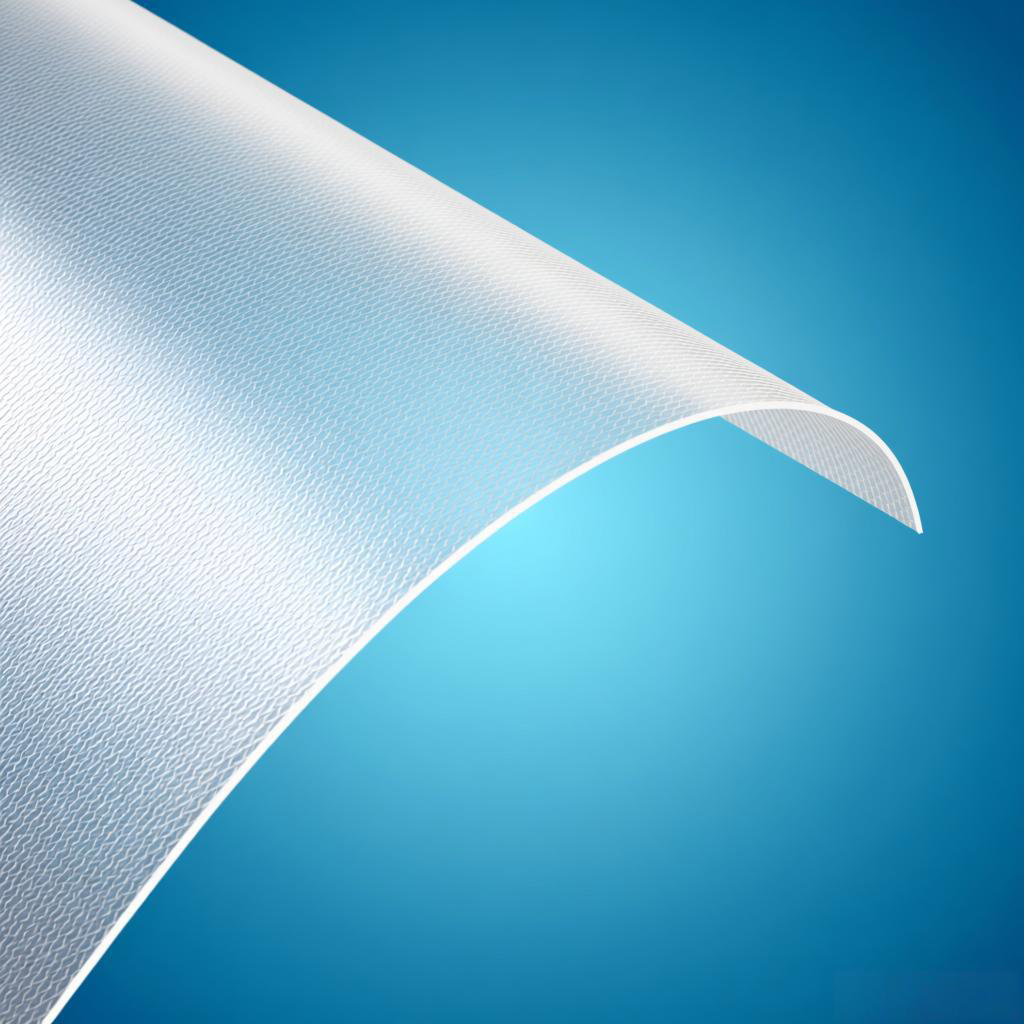

The medical device industry is facing unprecedented pressure. Raw material costs have risen by 18% year-over-year, while reimbursement rates continue to shrink. In this climate, procurement leaders are waking up to a game-changing realization: the most innovative medical TPU films aren’t coming from trading companies — they’re coming directly from specialized manufacturers.
Shanghai Xin Gen Tech Co., Ltd. has been at the forefront of this shift since 2009, and here’s what the data shows about why factory-direct is becoming the new industry standard.
The Cost Reality: Why Margins Are Being Squeezed
Let’s look at the numbers. A 2024 industry survey of medical device manufacturers revealed that 34% of respondents ranked raw material consistency as their top supplier concern, ahead of price (28%) and delivery speed (22%).
The problem with multi-tier supply chains? Each intermediary adds markup while removing traceability. When you’re manufacturing wound dressings that must meet ISO 9001:2015 and ISO 13485 standards, you cannot afford variability.
Practical Takeaway:
Ask your current TPU supplier for their ISO/OEKO-TEX and REACH documentation summary. If they cannot provide batch-level traceability within 48 hours, you’re operating with uncontrolled risk.
Speed Is the Hidden Competitive Weapon
Xin Gen, with its 6,000+ square meter manufacturing facility in Shanghai, has fundamentally restructured the sampling process. Their in-house laboratory equipment mirrors production lines on a 1:1 basis — not just conceptually, but dimensionally. Their sample line runs at 400mm width, allowing for:
Fast sampling lead times that reduce development cycles by weeks
Low sampling costs without minimum order penalties
Stable sample-to-production consistency that eliminates scale-up surprises
Real-World Proof:
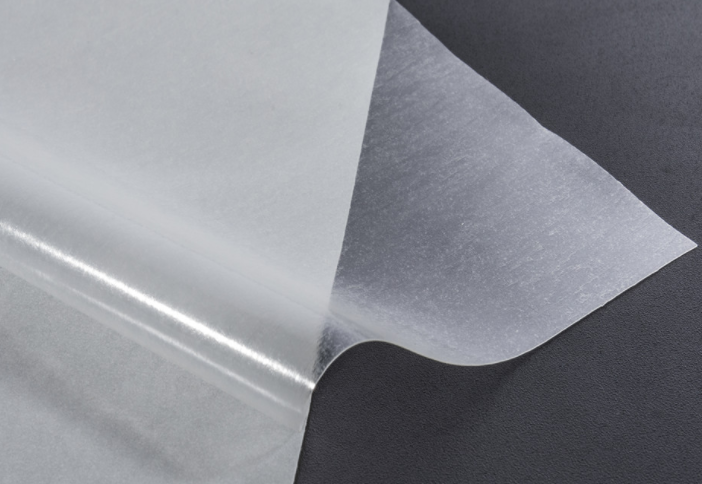
A Brazilian ballistic glass manufacturer approached Xin Gen with a difficult challenge: achieving stable adhesion between polycarbonate and glass for bulletproof applications. The team recommended a high-adhesion TPU film with stable optical clarity. The result? The customer successfully passed lamination testing and moved directly to pilot production — not months later, but within weeks of first contact.
Technical Depth That Generalists Can’t Match
Here’s where factory-direct pulls ahead. Medical-grade TPU isn’t just “film.” It’s biocompatible polymers engineered for specific applications:
Wound dressings requiring breathability and moisture management
Medical catheters demanding flexural fatigue resistance
Surgical drapes needing bacterial barrier properties
Xin Gen’s certifications — including FDA, EU 10/2011, SGS, and ROHS — are not decorative badges. They’re backed by their own R&D center and product laboratory, meaning every batch undergoes rigorous validation before it ships.
Quick Comparison:
While generic TPU suppliers may offer similar base materials, they cannot match the customization depth: thickness variations, hardness durometers, and functional additives (antimicrobial, UV-stable, radiopaque) all tailored to your device spec.
The Automotive and Electronics Crossover Advantage
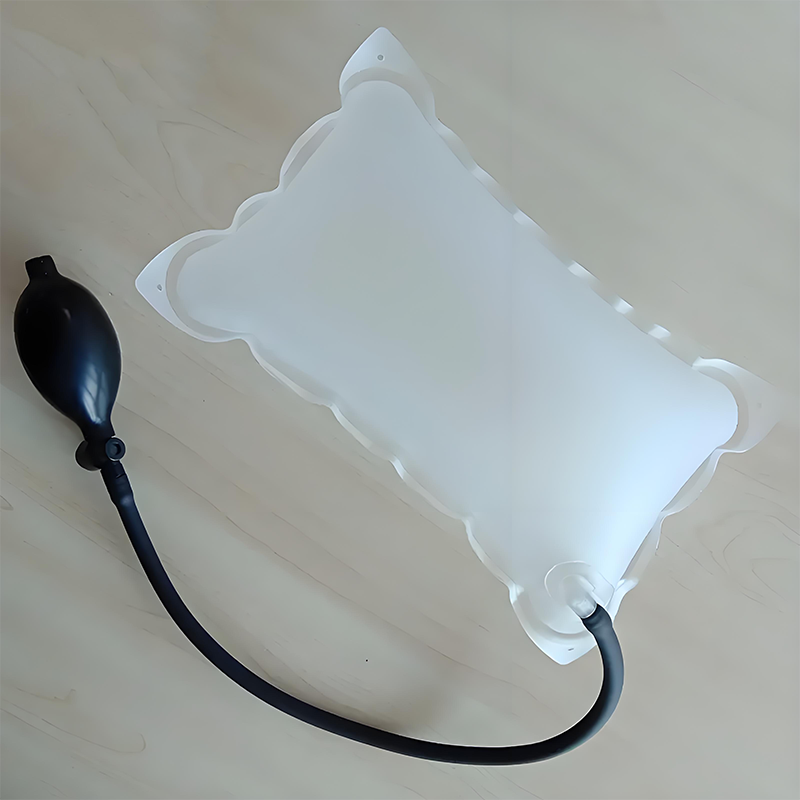
What makes Xin Gen particularly compelling? Their diversified portfolio means they’re not a single-industry manufacturer. The same TPU technology used in their automotive paint protection film (resisting scratches and stone impacts) informs their medical-grade durability. Their electronics-grade self-healing screen protectors demonstrate precision optical clarity that’s critical for certain medical device interfaces.
This cross-industry learning creates a compound advantage — solutions developed for one sector inevitably improve the others.
The 2025 Outlook What’s Next
Xin Gen’s recent appearance at the 2025 Shanghai CMEF (China International Medical Equipment Fair) signals their trajectory. They’re not just following medical trends — they’re positioning at the forefront of innovative medical materials.
Implementation Roadmap:
Audit current supply chain: Map where your TPU comes from and identify every intermediary
Request a factory-direct sample: Use Xin Gen’s 400mm width sample line for your next prototype
Conduct blind testing: Compare factory samples against your current supplier without brand labels attached
Evaluate total cost: Include sampling fees, development time, and failure costs — not just unit price
The hospital supply chain is changing. The devices of tomorrow require tomorrow’s materials infrastructure today. The question isn’t whether you can afford to evaluate direct factory partnerships — it’s whether you can afford not to.