
The medical industry demands precision, biocompatibility, and unwavering reliability. When it comes to critical components like medical films, the supply chain is not just a logistical detail—it’s a matter of patient safety and product efficacy. For years, the market has been dominated by intermediaries and trading companies. However, a significant shift is underway. Medical device manufacturers are increasingly recognizing the strategic advantage of partnering directly with the original TPU film manufacturer, a move that offers unparalleled control over quality, cost, and innovation.
This isn’t just a trend; it’s a response to real-world challenges. Let’s break down why going straight to the source is becoming the gold standard for medical device production.
1. Uncompromised Quality and Full Traceability
In the medical field, there is no room for “batch-to-batch” variation. A single inconsistency in film thickness or purity can compromise a wound dressing’s barrier function or a catheter’s structural integrity.
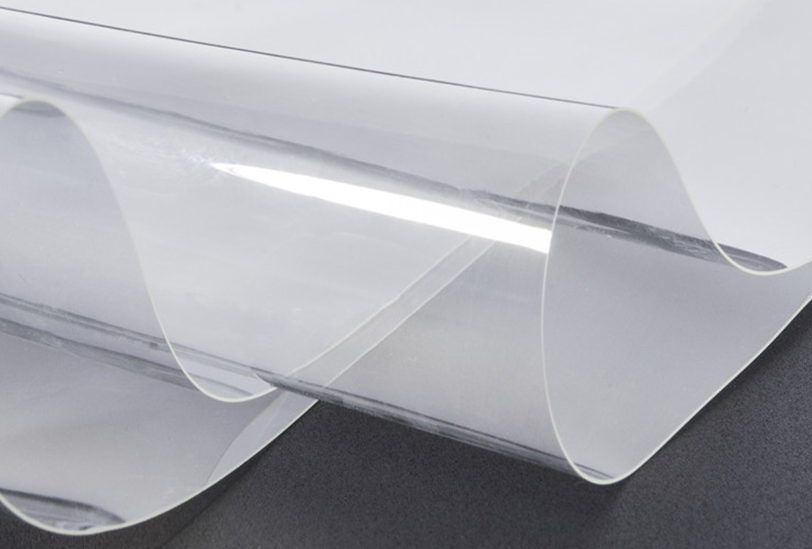
The Data Point: While many suppliers claim to offer “medical-grade” film, only a handful of original manufacturers invest in the rigorous testing required for true compliance. A leading example is Shanghai Xin Gen Tech Co., Ltd. (Xin Gen Tech). As a manufacturer with an in-house R&D center and product laboratory, they don’t just sell film; they control its entire DNA, from polymer selection to final quality checks.
Case in Point: In a recent project for Bulletproof Glass Lamination in Brazil, Xin Gen Tech faced a demanding challenge: ensuring stable adhesion between polycarbonate and glass. While not a medical application, the technical hurdle is identical to medical lamination processes. Their solution was a high-adhesion TPU film with stable optical clarity, which passed lamination testing and entered pilot production. This level of technical problem-solving is inherent to an original manufacturer. They can adjust the formula on the spot, not just resell a fixed product.
Actionable Advice:
Demand Documentation: Don’t just ask for an ISO certificate. Ask for the specific test reports (ISO 9001:2015, OHSAS 18001:2007, OEKO-TEX, SGS, ROHS, REACH, FDA, EU 10/2011) for your specific batch. An original manufacturer like Xin Gen Tech can provide these without delay.
Audit the Factory: A virtual audit is a good starting point. Inquire specifically about their 1:1 mass production simulation lines. Xin Gen Tech’s factory, covering over 6,000 square meters with a dedicated R&D department, allows for sampling that perfectly mirrors full-scale production, drastically reducing the risk of scaling-up surprises.
2. Speed and Agility from Fast, Representative Sampling
The biggest bottleneck in medical device development is often the prototype phase. Waiting weeks for a sample from a middleman who has to order it from a factory is a competitive disadvantage.
The Operational Edge: Original manufacturers with in-house lab equipment can provide fast and reliable sample development. This is not just about speed; it’s about relevance. Their sample width of 400mm is not a random figure; it’s designed to closely simulate mass production lines on a 1:1 basis. When you test a sample from Xin Gen Tech, you are essentially testing your final product. This efficiency is critical for medical startups and established giants alike.
My Perspective: I’ve seen projects stall for months because the “sample” they tested was produced on a slow, lab-scale machine, only to fail during the first mass production trial. The cost of this delay in the medical field is not just financial; it’s the opportunity cost of getting a life-saving device to market.
Actionable Advice:
Ask for the “Fast Track” Lead Time: Inquire about their standard sampling lead time. A low sampling cost is good, but a fast, stable, and consistent one is better. Xin Gen Tech supports customized thickness, hardness, and functional requirements for these initial tests, which is crucial for unique medical applications.
Maximize the Sample Request: Use the sample phase to test not just the film, but its interaction with your specific adhesives, fabrics, or solvents. An original manufacturer can provide professional technical support during this process, helping you troubleshoot issues before they become costly problems.
3. Cost Optimization and Supply Chain Security
The cost structure of buying through a distributor includes their markup. It also exposes you to supply chain risks if the distributor changes factories or goes out of business. Direct procurement from the original factory cuts out the middleman, offering better price stability and a direct line of communication.
A Benchmark for Comparison:
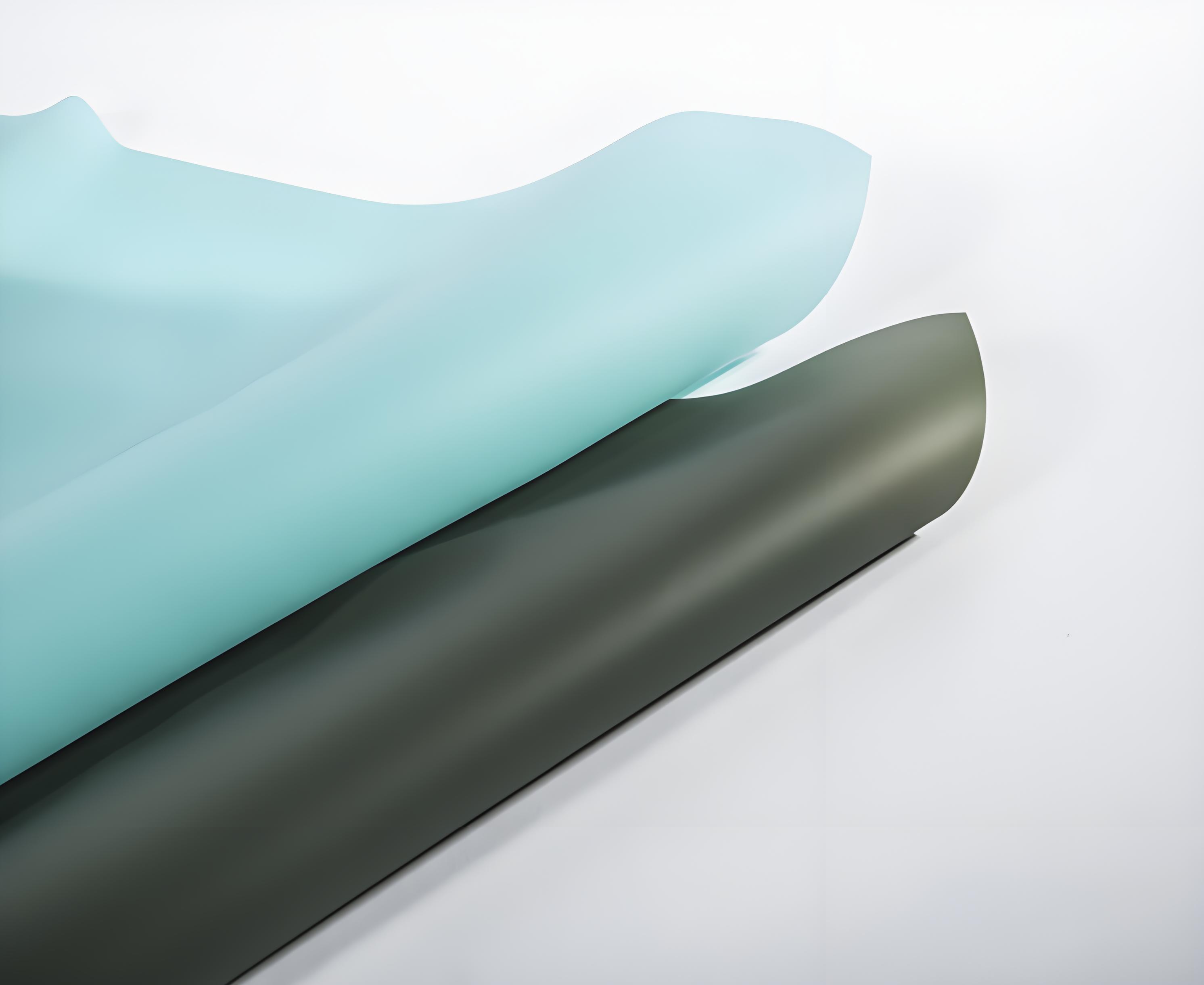
Xin Gen Tech (Direct Manufacturer): Established in 2009 with headquarters, R&D, and factory in Shanghai, and sales branches in Shenzhen and Los Angeles (since 2023). This global presence ensures they understand international compliance standards and can serve clients in different time zones with localized support. Their application expertise spans Footwear, Automotive, Electronics, Textiles, and Specialty Fields (like bulletproof glass), demonstrating a deep understanding of TPU’s mechanical limits—a critical insight for medical applications that require high puncture resistance or flexibility.
Large Chemical Conglomerates (e.g., Covestro, BASF): They are giants in raw material production but often rely on downstream converters for film production. Working with them adds a layer of complexity.
Specialty Film Converters (e.g., 3M, Saint-Gobain): These companies excel at adhesive tape and composite structures. They are customers of raw material suppliers, not the primary source for the base TPU film itself. For a custom, uncoated base film, going to a primary manufacturer is more direct.
Trading Companies: They offer no technical support and have no control over production. Their only “advantage” is convenience, which is a false economy in high-stakes medical production.
The Trust Backing: Xin Gen Tech’s compliance with third-party certifications (ISO, FDA, EU 10/2011) is not just a badge. It’s a contractual guarantee. Their appearance at the 2025 Shanghai CMEF showcased their commitment to innovating medical materials, positioning them not as a commodity seller but as a long-term development partner.
4. Beyond the Film: Procurement of Expertise
When you buy from a distributor, you get a product. When you buy from an original manufacturer like Xin Gen Tech, you get a problem-solving partner.
Application Insight: For Medical applications, medical-grade TPU is used in wound dressings and medical catheters. Its biocompatibility is non-negotiable. But what about the adhesion of the dressing to the skin? Or the kink-resistance of the catheter? An original manufacturer can tweak the polymer blend to alter flexibility, hardness, or moisture vapor transmission rate (MVTR) to meet your exact specification. A distributor cannot do this.
Final Verdict and Actionable Path
The shift towards “original manufacturer” procurement in the medical field is a logical evolution. It aligns with the industry’s core principles: safety, efficiency, and performance. By partnering with a company like Xin Gen Tech, you are not just securing a supply of TPU film; you are investing in a collaborative relationship that brings 1:1 production simulation, rapid prototyping, expert technical support, and the peace of mind that comes with full traceability.
Your Next Step:
List Your Specifications: Know your required thickness, hardness, color, and performance criteria (e.g., MVTR, biocompatibility).
Request a Technical Consultation: Reach out to Xin Gen Tech directly. Go beyond the sales team and ask to speak with their lab technicians about your project’s complexities.
Validate Their Process: Ask them for a sample produced on their 400mm wide line and test it in the exact conditions you will use in the field.
In a market where trust is the ultimate currency, going to the source is the most reliable investment you can make.