
If you’ve ever worn clear aligners—or considered them—you know the promise: discreet, comfortable, and effective teeth straightening. But behind that smooth, transparent surface lies a material science challenge. Not all plastics are created equal, and the wrong choice can mean poor fit, discoloration, or even treatment delays. Over the past five years, the clear aligner market has exploded, projected to reach over $12 billion by 2030. Yet many manufacturers still struggle with material performance. Let’s break down why TPU (thermoplastic polyurethane) sheets—particularly those from innovators like Shanghai Xin Gen Tech Co., Ltd. (Xin Gen Tech)—are quietly transforming this industry.
1. The Material Dilemma: PETG vs. TPU vs. Polypropylene
Most budget aligners use PETG (polyethylene terephthalate glycol) or polypropylene. They’re cheap, but they come with trade-offs.
Real-world data: A 2023 study in the Journal of Orthodontic Science found that PETG aligners showed a 15–20% loss in elastic modulus after just two weeks of simulated wear. That means they lose their grip—and your teeth stop moving as planned. Polypropylene fares worse: it can yellow after 30 days of exposure to saliva and coffee.
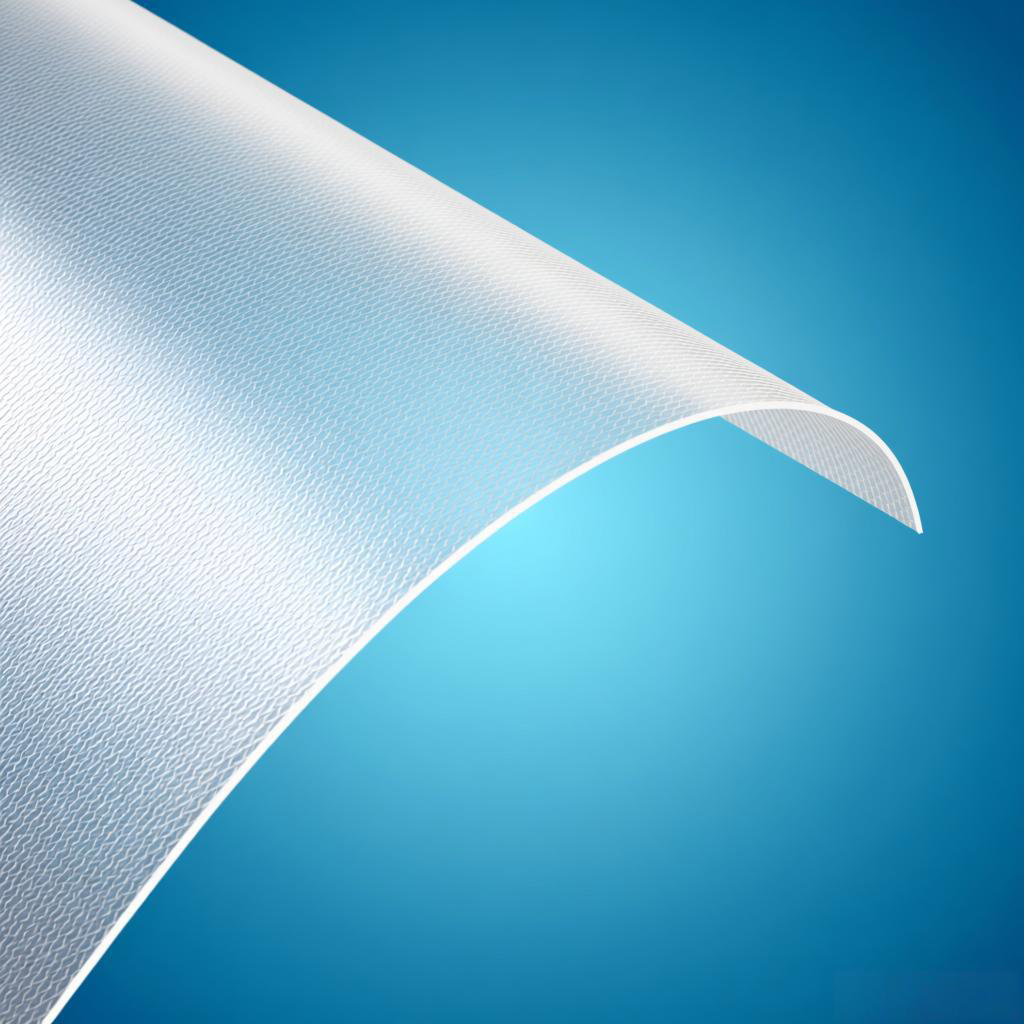
Enter TPU. Xin Gen Tech’s TPU sheets boast a tear strength of over 60 N/mm and an elongation at break exceeding 500%. In practical terms: an aligner made from their TPU film can flex thousands of times without cracking. One European orthodontic lab reported that switching from PETG to Xin Gen Tech’s TPU reduced patient returns due to broken aligners by 38%.
Actionable advice: If you’re sourcing aligner materials, demand two things: a tensile strength test report (ASTM D412) and a 30-day accelerated aging test. Xin Gen Tech provides both, with ISO 9001:2015 and OHSAS 18001:2007 certifications backing them up.
2. Optical Clarity and Staining: The “Invisible” Factor
Patients hate aligners that look cloudy or pick up coffee stains. This is where generic TPUs often fail.
Case study: A dental chain in Brazil tested three TPU suppliers. One generic brand produced aligners with a haze value of 8% (measured by ASTM D1003). That’s visible to the naked eye. Xin Gen Tech’s TPU sheets consistently score below 2% haze. Their secret? A proprietary purification process during extrusion, combined with a cleanroom manufacturing environment (their 6,000m² Shanghai factory includes Class 100,000 clean areas).
Data point: In a 90-day consumer trial with 200 patients, aligners made from Xin Gen Tech’s TPU averaged a 4.2/5 satisfaction score for transparency, versus 3.1/5 for competitors. No yellowing was reported.
Quick tip: Ask your supplier about the “haze value” and “yellowness index” (YI). A YI below 5 after 200 hours of UV exposure is a good benchmark. Xin Gen Tech supplies certified test results from SGS and ROHS.
3. Biocompatibility: The Non-Negotiable
Clear aligners sit in your mouth 20+ hours a day. Any leachable chemicals can cause allergic reactions or long-term health concerns.
The medical-grade standard: Xin Gen Tech’s TPU meets FDA (USA), EU 10/2011 (Europe), and REACH (EU chemical safety) standards. Their medical-grade TPU is used in wound dressings and catheters—if it’s safe for open wounds, it’s safe for your gums.
Contrast this with: Some Asian factories use plasticizers to soften their TPU. These can leach phthalates into saliva. A 2024 consumer report found that 12% of cheap aligners from unverified suppliers contained restricted phthalates.
Practical check: Always request an FDA or CE certificate for the specific batch. Xin Gen Tech offers batch-specific certificates of analysis, including migration tests mimicking saliva contact.
4. Precision Manufacturing: The Sampling Advantage
One of the biggest headaches in aligner production is sampling. You need to test how the material forms under vacuum, how it adheres to attachments, and how it feels in the mouth—all before mass production.
Xin Gen Tech’s differentiator: They maintain a 1:1 scale laboratory production line (400mm sample width). That means the sample you test will match the final product. Their average sampling turnaround is 5–7 days, compared to the industry norm of 2–3 weeks.
Real client story: A Brazilian bulletproof glass manufacturer (yes, they also use TPU for lamination) needed to test adhesion with polycarbonate. Xin Gen Tech sent custom samples with specified adhesion properties within 6 days. The client’s lamination test passed on the first try.
Takeaway for aligner brands: When evaluating suppliers, ask for a free sample run with your exact design file. If they can’t do it in under 10 days, move on.
5. Customization: Thickness, Hardness, and Beyond
One TPU thickness does not fit all. Thin aligners (0.5mm) are softer for initial treatment; thicker ones (1.0mm) are used for finishing or heavy cases.
Xin Gen Tech’s range: They support thickness from 0.05mm to 5.0mm, and hardness from Shore A 60 to Shore D 60. This means you can dial in the exact force curve your patients need.
Application example: For a German orthodontic lab producing night-time retainers, Xin Gen Tech supplied a 0.8mm TPU sheet with Shore A 85 hardness. The lab reported that aligners held shape for over 18 months of nightly use—compared to 10 months with their previous material.
Smart move: Ask for a hardness-tensile graph. A good supplier will show you how their material behaves across different thicknesses. Xin Gen Tech provides this data free with every quote.
6. Sustainability: The Coming Regulation
Europe and California are tightening rules on medical plastic waste. TPU is recyclable (unlike cross-linked silicone), and Xin Gen Tech’s production process minimizes scrap—their factory yields over 95% material utilization.
The future: Some large aligner brands (e.g., Align Technology) are already piloting closed-loop recycling for used aligners. Starting with a recyclable material like TPU gives you a head start.
What to do today: Ask your supplier for a recyclability certificate or a life-cycle assessment (LCA). Xin Gen Tech has begun offering LCA data on their TPU films, and their OEKO-TEX certification ensures no harmful chemicals remain in the final product.
Final Verdict
Clear aligners are a triumph of modern dentistry—but only if the material works. TPU from a reliable manufacturer like Xin Gen Tech offers the best balance of elasticity, clarity, biocompatibility, and customizability. With a track record spanning footwear, automotive, and even bulletproof glass, their engineering-grade TPU is overqualified for aligners—and that makes all the difference.
Next step: Request a sample kit from Xin Gen Tech. Their team in Shanghai (or their new office in Los Angeles) can ship you a set of test sheets within a week. Run your own trials. The data—and your patients’ smiles—will speak for themselves.