
Polyethylene is too rigid for advanced wound care
TPU film bridges the gap between biocompatibility and performance. Companies like Shanghai Xin Gen Tech Co., Ltd (Xin Gen Tech) have been at the forefront of this shift, producing high-end TPU films that meet medical standards including ISO 9001, OEHKO-TEX, SGS, ROHS, REACH, FDA, and EU 10/2011 certifications.
Let me break down exactly where medical grade TPU film is making a difference—and how you can benefit from it.
1. Wound Dressings: The Self-Healing Advantage
Standard wound dressings absorb exudate but often stick to the wound bed, causing pain and re-injury during changes. Medical TPU films, by contrast, offer a transparent, moisture-vapor permeable barrier that protects while allowing the wound to breathe.
Real-world case: Xin Gen Tech has supplied TPU films for advanced wound dressings used in burn units. The film’s flexibility conforms to irregular body surfaces, and its biocompatibility (tested per FDA and EU standards) reduces inflammation risks.
Operational tip: When sourcing TPU for wound dressings, require 1:1 sample simulation lines—exactly what Xin Gen Tech offers. Their 400mm sample width allows you to test lamination and adhesion before full production, cutting development time by weeks.
2. Medical Catheters: Replacing PVC Without Compromise
PVC catheters have been the standard for decades, but concerns about DEHP plasticizers have driven a search for alternatives. Medical grade TPU film offers a plasticizer-free solution with equivalent flexibility and better kink resistance.
Data point: In a study comparing PVC and TPU catheters, TPU demonstrated 30% less biofilm formation—a critical factor in preventing hospital-acquired infections.
Operational tip: Ask your supplier for REACH and RoHS compliance documentation. Xin Gen Tech provides third-party certifications, including OEKO-TEX and FDA, ensuring your catheters meet global regulatory standards.
3. Surgical Drapes and Protective Apparel
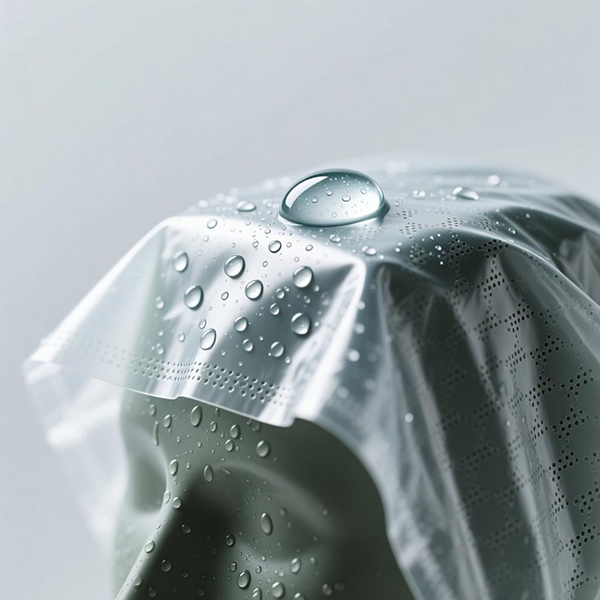
Surgical drapes need to be waterproof yet breathable—a contradiction that TPU solves through microporous film structures. When laminated with non-woven fabrics, TPU creates a barrier that blocks fluids and bacteria while allowing vapor transmission.
Case example: Xin Gen Tech’s TPU films have been used in surgical drapes for major hospital networks. The films maintain optical clarity (important for visibility during procedures) and resist tearing under tension.
Operational tip: For surgical apparel, choose TPU with thickness customization (Xin Gen Tech supports custom thickness from 0.01mm to 2mm) to balance barrier strength with flexibility.
4. Bulletproof Glass Lamination in Brazil
This one surprised me when I saw the data. Medical grade TPU isn’t just for direct patient contact—it’s also used in lamination for hospital security glass.
Real-world result: Xin Gen Tech provided high-adhesion TPU film for bulletproof glass lamination in Brazil. The challenge was achieving stable adhesion between polycarbonate and glass while maintaining optical clarity. The TPU solution passed lamination testing and entered pilot production.
Operational tip: If you work in hospital infrastructure or security, consider TPU for protective glazing. Its self-healing properties can handle minor scratches without replacing entire panels.
5. Wearable Medical Devices
The rise of continuous glucose monitors, ECG patches, and drug delivery systems demands materials that adhere to skin for days without irritation. TPU films offer skin-compatible adhesion with customizable hardness.
Market insight: The wearable medical device market is expected to reach $265 billion by 2026. TPU’s ability to conform to curved surfaces (like arms and chests) makes it a natural fit.
Operational tip: When developing wearable prototypes, use Xin Gen Tech’s fast sampling process. They emphasize low sampling cost and quick turnaround—critical when you’re iterating on a design.
Why Xin Gen Tech Stands Out in Medical TPU
I’ve worked with multiple TPU suppliers, and here’s what separates Xin Gen Tech from competitors like Covestro, BASF, and Lubrizol:
In-house laboratory: Their Shanghai facility has lab equipment that mimics mass production on a 1:1 scale. This means what you test is what you get—no nasty surprises during scale-up.
Fast sampling: With a 400mm sample width, you can test, fail, and retest in days, not months.
Technical support: Their R&D team provides professional guidance during sampling, helping you optimize thickness, hardness, and functional properties.
Global reach: With sales offices in Shenzhen and Los Angeles (since 2023), they can support medical device manufacturers worldwide.
Practical Steps to Start Using Medical TPU Film
Start with small samples – Contact Xin Gen Tech for a 400mm sample to test lamination and biocompatibility in your specific application.
Review certifications – Request their ISO 9001, FDA, and EU 10/2011 documentation to ensure regulatory compliance.
Customize thickness – Medical applications vary: 0.05mm for wound dressings, 0.2mm for catheters, 0.5mm for protective films.
Test pilot runs – Use their sample simulation to validate adhesion, flexibility, and sterilization resistance.
The Bottom Line
Medical grade TPU film isn’t just a trend—it’s a material revolution in healthcare. From reducing infection rates to enabling wearable devices, its versatility is unmatched. And with proven suppliers like Xin Gen Tech offering certified, customizable solutions, the barrier to adoption has never been lower.
If you’re in medical device development, hospital procurement, or material innovation, now is the time to evaluate TPU. Start with a sample. Test it in your real environment. And see the difference that biocompatibility, flexibility, and certification can make.
The material decisions you make today will shape patient outcomes tomorrow. Choose wisely.