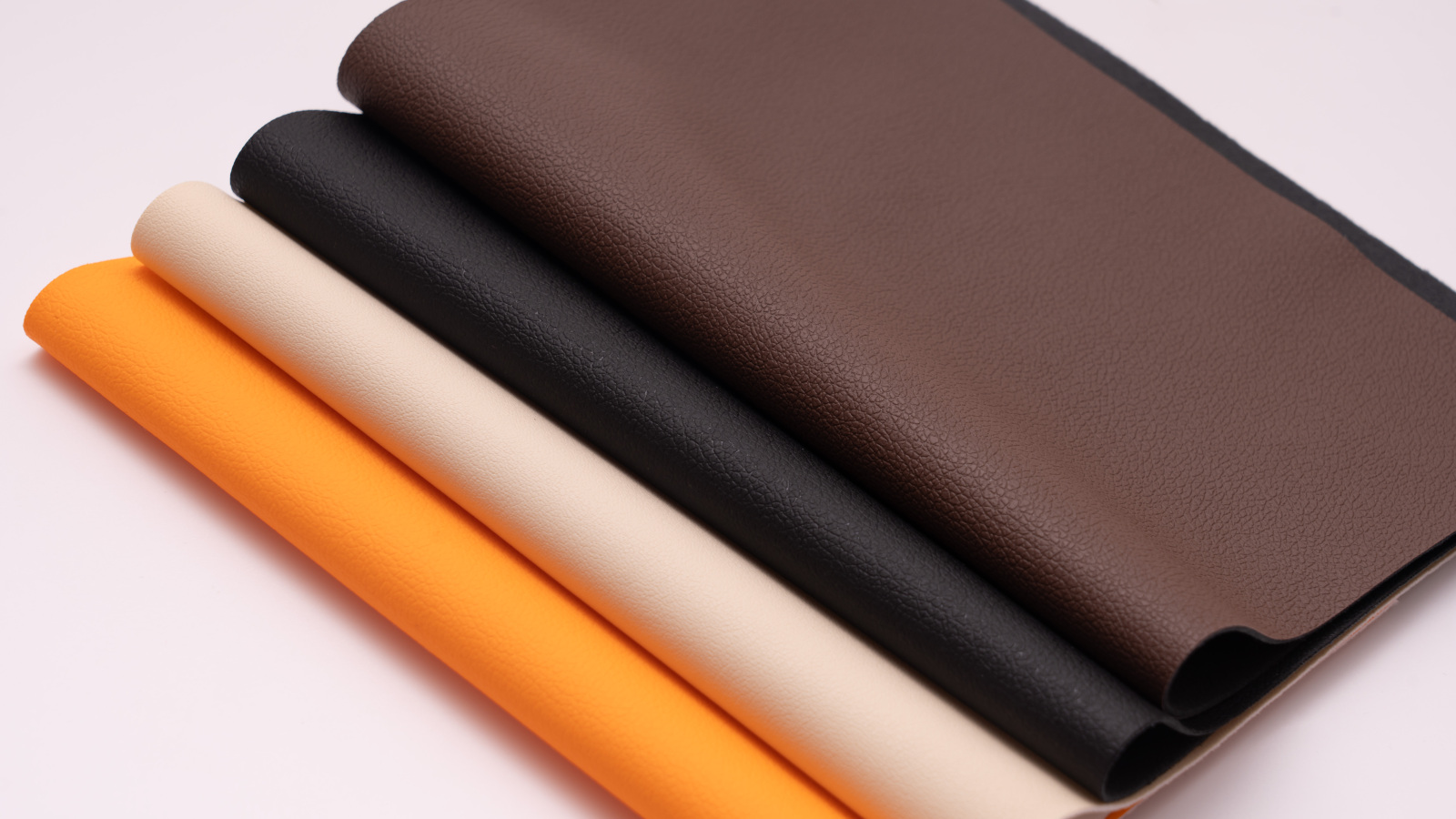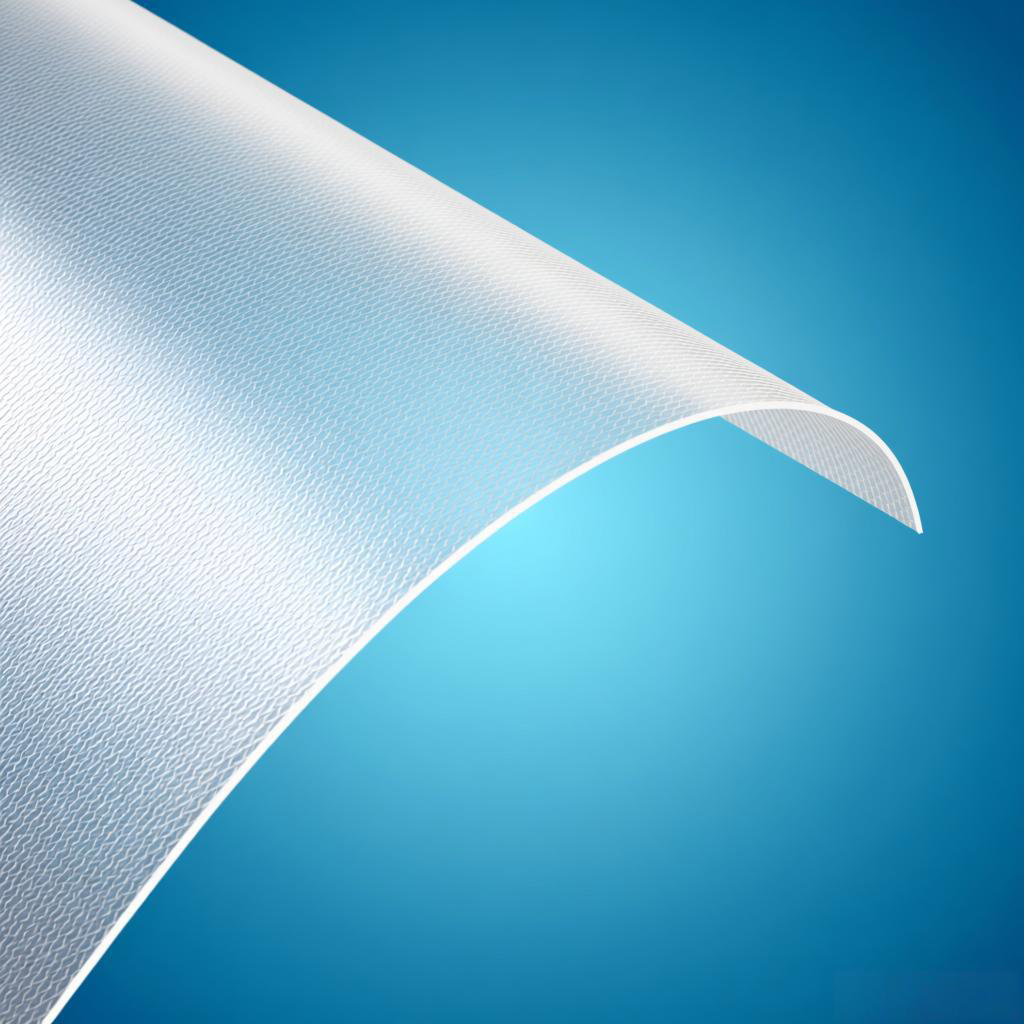

In today’s fast-paced industrial landscape, the ability to source a material that adapts to multiple applications isn’t just a convenience—it’s a competitive advantage. Thermoplastic polyurethane (TPU) films have become a cornerstone in industries ranging from footwear to medical devices. But not all TPU manufacturers offer the same depth of expertise or product diversity.
The Hidden Cost of One-Size-Fits-All Materials
Last year, a Chinese sportswear brand approached several TPU suppliers looking for a film that could serve both as shoe upper reinforcement and as a waterproof layer for outdoor jackets. Most suppliers offered a standard grade that worked well for one application but failed in the other. The result? Delays in product development, increased sampling costs, and a frustrated R&D team.
This scenario is common. Many manufacturers assume any TPU film will work across different projects, but the reality is more nuanced. Hardness, thickness, adhesion properties, and optical clarity vary significantly between grades.
Why Grade Diversity Matters: 5 Key Applications in Focus
1. Footwear & Bags – The Largest Consumer Market
TPU films dominate this sector for good reason. They provide cushioning in athletic shoe midsoles and decorative finishes on uppers. When laminated with fabrics, they create waterproof yet breathable panels—essential for outdoor gear and high-performance footwear.
Practical Suggestion:
Request samples at your target thickness (0.05mm–2.0mm) for realistic testing.
Test adhesion to your specific fabric using low-heat lamination to avoid material degradation.
Use Shore hardness A70–A90 for flexible, impact-absorbing parts; harder grades for sole reinforcements.
2. Automotive – Protection Meets Durability
Paint protection film (PPF) is the most visible TPU application in cars, but interior trim parts also benefit from TPU’s scratch resistance and flexibility. Heat and UV stability are critical here.
Practical Suggestion:
Specify UV-resistant grades for exterior film applications.
Check self-healing properties—a 5-micron topcoat can repair minor scratches with heat.
Use thinner films (0.12–0.25mm) for dashboard and door panel overlays.
3. Electronics – From Screen Protectors to Wearables
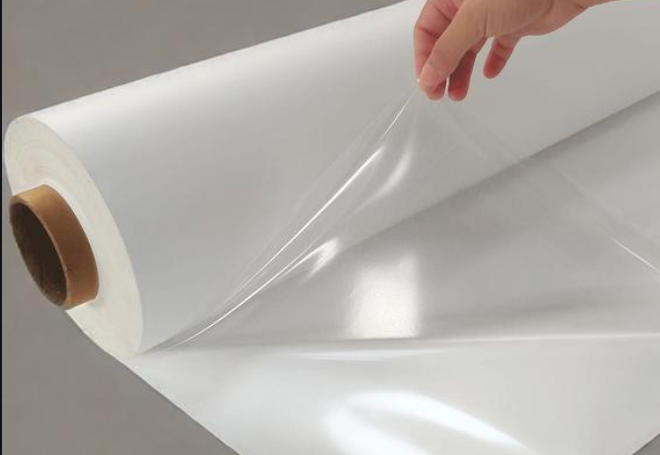
Mobile phone screen protectors made from TPU can self-heal light scratches and conform to curved edges without bubbles. This is also used in smartwatch straps and wire insulation where flexibility and transparency are required.
Practical Suggestion:
Opt for high-clarity TPU with less than 1% haze for screen protectors.
Test self-healing at 40–60°C to simulate body heat or sunlight.
Choose Shore hardness A80–A85 for flexible yet durable wearable parts.
4. Textiles & Apparel – Breathability Without Compromise
Waterproof jackets, tents, and even school uniform fabrics rely on TPU film lamination. The film must provide a complete moisture barrier while allowing water vapor to escape.
Practical Suggestion:
Request a breathability test (MVTR >1000 g/m²/24hr) for outdoor garments.
Select film thickness 0.015–0.05mm – thinner for lightweight jackets, thicker for heavy-duty equipment.
Verify lamination compatibility with polyester or nylon fabrics.
5. Medical & Specialty Fields – Precision and Safety
Medical-grade TPU films must meet strict biocompatibility standards for applications like wound dressings and catheters. In specialized fields such as bulletproof glass lamination, optical clarity and adhesion stability between polycarbonate and glass are non-negotiable.
Practical Suggestion:
Demand third-party certifications like FDA 21CFR 177.1680 or ISO 10993.
For lamination, test at 120–140°C with pressure to ensure bubble-free adhesion.
Work with a manufacturer that offers 1:1 lab-to-production scaling to avoid surprises during mass production.
The Hidden Edge: Sampling That Mirrors Production
A common pain point is sampling: small lab batches often behave differently from full-scale production. This wastes weeks and thousands of dollars. The most reliable manufacturers invest in in-house laboratory equipment that simulates mass production lines on a 1:1 basis.
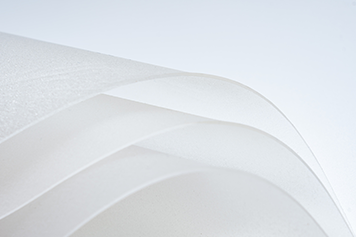
For instance, a customer in Brazil needed TPU film for bulletproof glass lamination. They required stable adhesion between polycarbonate and glass. The manufacturer recommended a high-adhesion grade with stable optical clarity. Thanks to production-line-equivalent sampling, the film passed lamination testing and entered pilot production without delays.
What to look for in a sampling partner:
Sample width of at least 400mm for realistic edge effects.
Fast turnaround (within 5–7 business days) for critical projects.
Support for custom thickness, hardness, and special functions.
How to Choose Your TPU Partner
Not all manufacturers have the same capabilities. When evaluating suppliers, prioritize those with:
A documented quality system (ISO 9001, OHSAS 18001, REACH, RoHS, FDA).
In-house R&D and product laboratory to validate quality.
Global references – check if they have sold films to automotive, medical, or textile clients in your region.
Xingen Technology, for example, has its headquarters and factory covering over 6,000 square meters in Shanghai, with sales branches in Shenzhen and Los Angeles as of 2023. Their presence at international shows like CMEF 2025 (medical sector) underscores a commitment to multi-industry innovation.
Final Thought: Stop Testing, Start Validating
The difference between a failed material trial and a successful product launch often comes down to one factor: whether your supplier can provide the exact grade for your application. A true partner doesn’t just sell TPU film—they help you optimize thickness, hardness, and adhesion before you commit to production.
Next time you evaluate a TPU supplier, ask for a sample that matches your process conditions, not just a catalogue specification. Your development timeline will thank you.