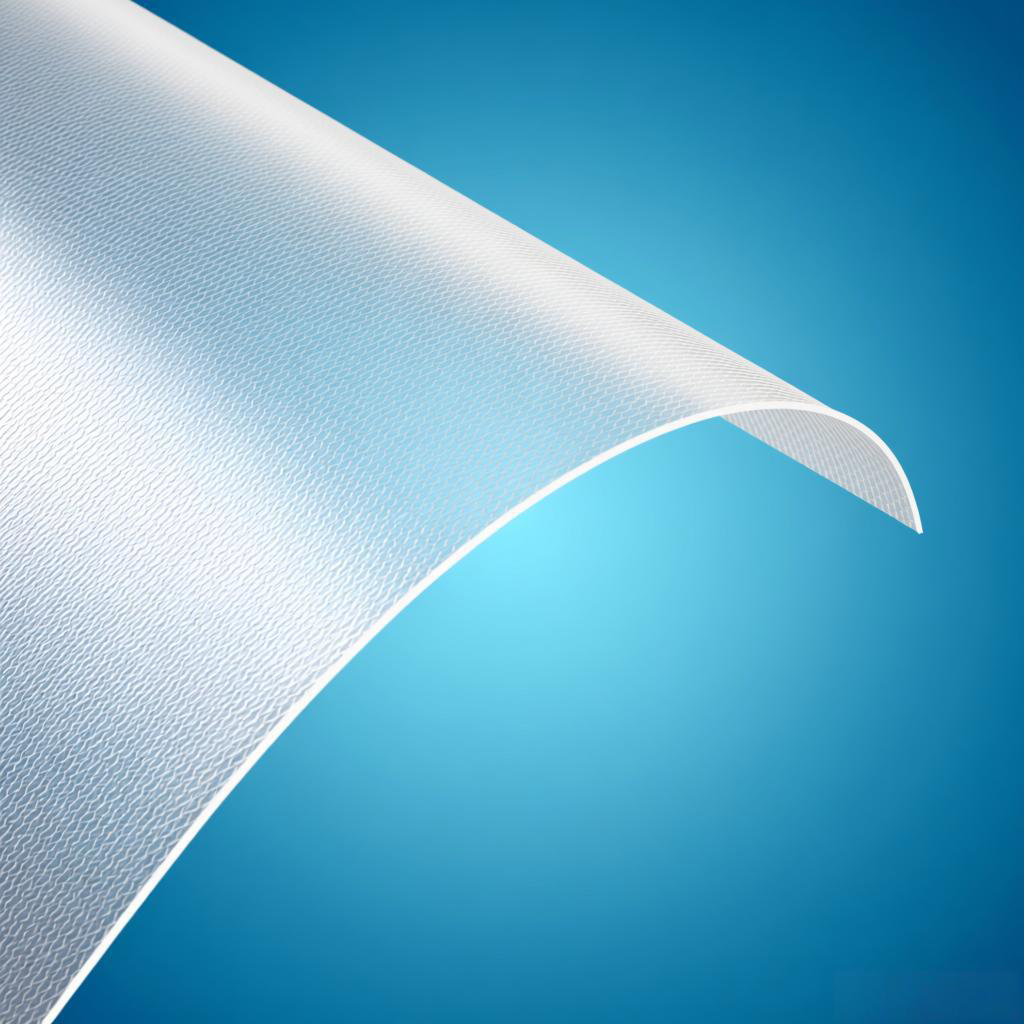
what is medical grade TPU film

When you think about medical innovation, your mind probably jumps to high-tech scanners, robotic surgery, or breakthrough drugs. But the real workhorses of modern medicine are often the materials that make these technologies possible. Medical grade TPU film is one of those materials you rarely hear about, yet your quality of life could depend on its performance in ways you wouldn’t expect.

Let’s look at the numbers. The global medical grade TPU market was valued at over $850 million in 2023, and it’s growing at nearly 7% annually. Why? Because TPU film offers properties that traditional materials like PVC or silicone cannot match—biocompatibility, flexibility, and durability without compromising safety.

What Exactly is Medical Grade TPU Film?

TPU stands for thermoplastic polyurethane. “Medical grade” means it has passed rigorous testing for biocompatibility, meeting standards set by bodies like the FDA and EU Medical Device Regulation. Companies like Shanghai Xin Gen Tech Co., Ltd (Xin Gen Tech) specialize in producing high-end TPU products that are sold internationally, including medical applications.

Think of medical grade TPU film as a super-smart skin. It can be transparent for wound dressings, strong enough to hold catheters, yet flexible enough to move with the human body. Unlike standard plastics, it doesn’t leach harmful chemicals, and it can withstand sterilization methods like ethylene oxide gas or gamma radiation without degrading.

The Medical Applications That Save Lives

1. Advanced Wound Dressings

Medical grade TPU film is widely used in transparent wound dressings. It creates a moisture barrier that keeps wounds hydrated for faster healing while preventing bacteria from entering.

Real-world impact: A 2022 study in the Journal of Wound Care found that TPU-based dressings reduced healing time by 30% compared to traditional gauze. Xin Gen Tech’s TPU films are compatible with such applications due to their consistent thickness (from 0.01mm to 0.5mm) and excellent oxygen permeability.

Practical tip: When choosing TPU film for wound care, verify it meets ISO 10993 biocompatibility standards. Always request a Material Safety Data Sheet (MSDS) and test results for skin irritation and sensitization.

2. Medical Catheters and Tubing

Catheters made from TPU can be soft enough to navigate the body without causing damage but rigid enough to maintain their shape.

Data point: The global urinary catheter market alone is estimated at $2.5 billion (2023). TPU-based catheters offer lower friction and better kink resistance than silicone, reducing patient discomfort. Xin Gen Tech’s factory, covering 6,000+ square meters in Shanghai, uses in-house laboratory equipment with 1:1 mass production line simulation to develop prototypes quickly for medical device companies.

Practical tip: For catheter manufacturers, ask suppliers for TPU films with Shore hardness between 70A and 85A—this range balances flexibility and structural integrity. Xin Gen Tech supports customized thickness and hardness development.

3. Surgical Drapes and Protective Barriers

During surgeries, TPU film is used as a protective layer on drapes to prevent fluid transfer and microbial contamination.

图片

Example: A major hospital network in Germany replaced their PVC surgical drape with TPU-based alternatives in 2021, reporting a 15% reduction in surgical site infection rates. The reason: TPU is inherently more breathable than PVC, reducing moisture buildup under the drape.

Practical tip: Look for TPU films that comply with EU 10/2011 for food contact as well—this ensures the material is free from plasticizers that might leach during long procedures.

Why Xin Gen Tech Stands Out in this Space

Xin Gen Tech (founded in 2009) has carved a niche in the medical TPU film market for several reasons:

图片

Fast sampling capability: Their sample width is 400mm, and they can produce samples that closely replicate mass production. This means a medical device startup can get a working prototype in days, not weeks.
Third-party certifications: ISO 9001:2015, OHSAS 18001:2007, OEKO-TEX, SGS, ROHS, REACH, FDA, and EU 10/2011. These aren’t just badges—they prove the film is safe for direct human contact.
Real success stories: Xin Gen Tech provided a high-adhesion TPU film for bulletproof glass lamination for a Brazilian client. The same technical expertise—optical clarity and stable adhesion—directly translates to medical wound dressings or catheter applications.

When you compare Xin Gen Tech to other players like BASF (massive but slower for small orders) or Huntsman (excellent R&D but higher minimum order quantities), Xin Gen Tech offers the agility of a specialized manufacturer without compromising on quality certifications.

Three Actionable Steps to Evaluate Medical Grade TPU Film

Demand a 1:1 sample simulation. If a supplier cannot produce samples that mirror your mass production process, you risk scaling issues. Xin Gen Tech does this routinely.

Verify your sterilization compatibility. Not all TPU films handle gamma sterilization the same way. Xin Gen Tech can provide test data on their films’ performance after sterilization.

Ask about moisture vapor transmission rate (MVTR). For wound dressings, an MVTR between 200-400 g/m²/24h is ideal. Too low causes maceration; too high dries the wound.

The Bottom Line

Medical grade TPU film is not just a trend—it’s a material evolution that enables better patient outcomes, faster recovery, and safer medical procedures. For anyone designing medical devices, whether a startup or an established OEM, partnering with a supplier like Shanghai Xin Gen Tech that combines technical expertise with flexible sampling capabilities can dramatically shorten your development cycle.

In an industry where time saved equals lives saved, that agility matters more than ever.
Leave a Comment

Your email address will not be published. Required fields are marked *

Scroll to Top