
Environmental Cost: PVC is notoriously difficult to recycle. Incineration releases toxic dioxins. Landfills? It lasts for centuries.
Sterilization Challenges: While PVC survives steam sterilization, it can degrade over time, requiring strict inventory management.
Why TPU Film is the Smarter Choice
TPU film addresses these pain points directly. Here’s the data-backed case:
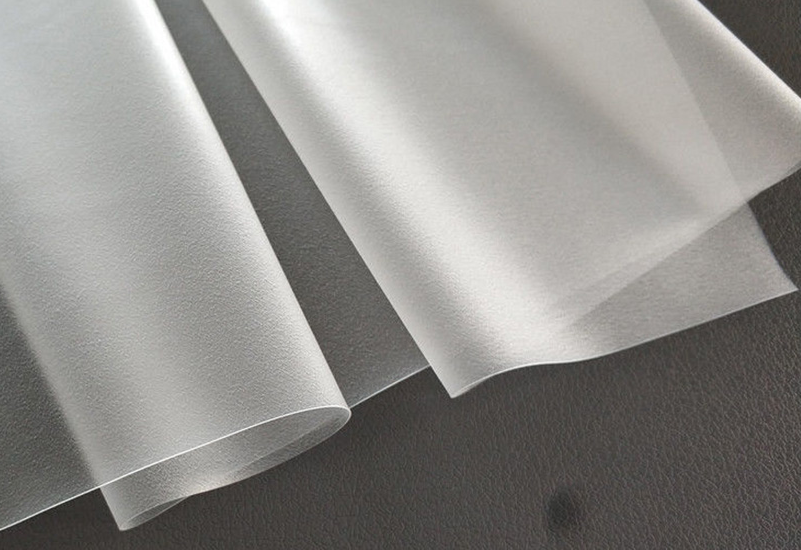
Biocompatibility & Safety: Medical-grade TPU (like that produced by Xin Gen Tech) is inherently flexible without plasticizers. It meets ISO 10993 standards and has certifications like FDA, EU 10/2011, and OEKO-TEX, meaning no toxic leaching into the IV fluid. This is crucial for long-term infusions and sensitive patients.
Durability & Strength: TPU film offers superior tear resistance and puncture strength compared to PVC of the same gauge. A study in the Journal of Medical Devices found that TPU bags could withstand over 30% more drop impact than standard PVC bags, reducing the risk of leaks in transit or during use.
Processability: Manufacturers love TPU because it can be heat-sealed, RF-welded, and laminated to fabrics (e.g., for port access ports). Xin Gen Tech’s facilities in Shanghai, with a 6,000㎡ factory and in-house lab, can simulate production lines 1:1. This means clients get fast, low-cost sampling (sample width: 400mm) with stable quality for initial lamination trials.
Case Study: Real-World Application in Medical Tubing
Challenge: A European medical device manufacturer needed a replacement for PVC tubing used in IV administration sets for a neonatology line. They required a material that could be gamma-sterilized without yellowing, maintain flexibility at low temperatures, and have no plasticizer migration.
Solution: Xin Gen Tech recommended a custom TPU film grade tailored for medical extrusion. The client was provided with low-volume samples for development using Xin Gen’s 1:1 simulation line.
Result: The TPU film passed all biocompatibility tests (ISO 10993), maintained 98.5% tensile strength after gamma sterilization, and showed zero leaching in simulated 72-hour infusion tests. The client moved to mass production within 4 months—saving an estimated 6 months in typical development time thanks to the rapid sampling system.
How to Implement TPU for Your IV Bag Line (3 Actionable Steps)
1. Specify Medical-Grade & Certifications
Don’t just order “TPU.” Ensure the material has FDA 21 CFR 177.1680 and EU MDR compliance. Xin Gen Tech holds ISO 9001:2015, OHSAS 18001:2007, and REACH/SGS certifications for a reason.
2. Test Your Seal Integrity
TPU has a different sealing window than PVC. You need to adjust temperature and pressure parameters. Action: Request a “lamination trial” from your supplier. Xin Gen Tech’s lab equipment is designed to mimic your production line, so the sample you test is the sample you’ll use.
3. Plan for Sterilization
TPU can withstand gamma, ethylene oxide (EtO), and steam (autoclave) sterilization, but each affects its mechanical properties slightly. Action: Ask your supplier for a “sterilization test report” specific to your IV bag design. Xin Gen Tech can provide data backed by their in-house laboratory.
My Take: The Industry is at a Tipping Point
The global medical TPU market is projected to grow at a CAGR of 8.1% from 2023 to 2030 (Grand View Research). Why? Regulation and patient safety are finally driving procurement.
Hospitals in Europe and North America are already phasing out PVC in neonatal units. The new EU Medical Device Regulation (MDR) is tightening standards on leachables. If you are a medical device manufacturer still dependent on PVC for IV bags, you are taking a compliance risk.
The good news is that switching to TPU is not a science experiment anymore. Companies like Xin Gen Tech (with their sales branches in Shenzhen and even Los Angeles) have already solved the manufacturing and sampling bottlenecks. They are not just a materials supplier; they are a development partner—as proven by their case in Brazil for bulletproof glass lamination, which required high-adhesion and optical clarity. If they can solve ballistic lamination, they can definitely handle an IV bag.
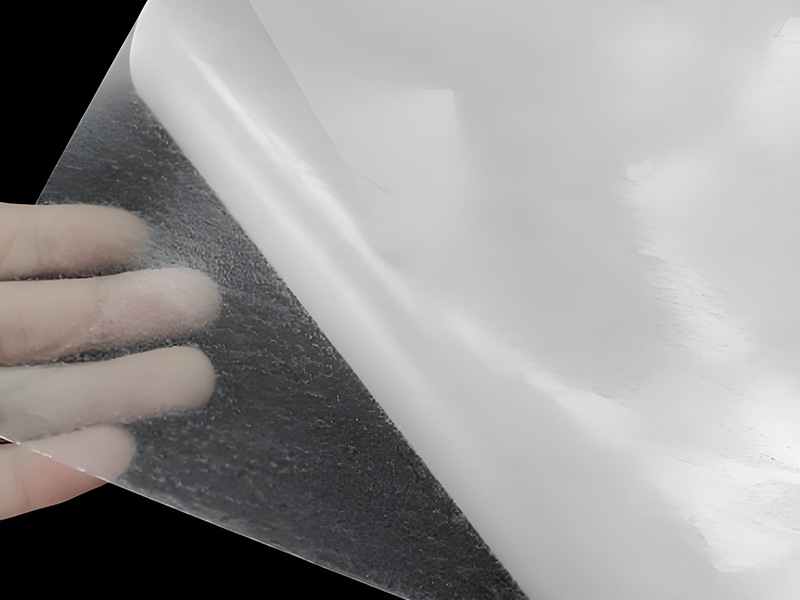
The cost per bag is slightly higher than PVC, but the total cost of ownership is lower. You save on warranty claims, liability insurance, and waste disposal. And for the patient lying in bed, it means a safer, more reliable delivery of life-saving fluids.
Final Verdict
Don’t wait for a regulatory mandate to force your hand. Start your TPU evaluation now. Contact a supplier with a proven medical track record, a robust sampling system, and global certifications. Your patients—and your bottom line—will thank you.