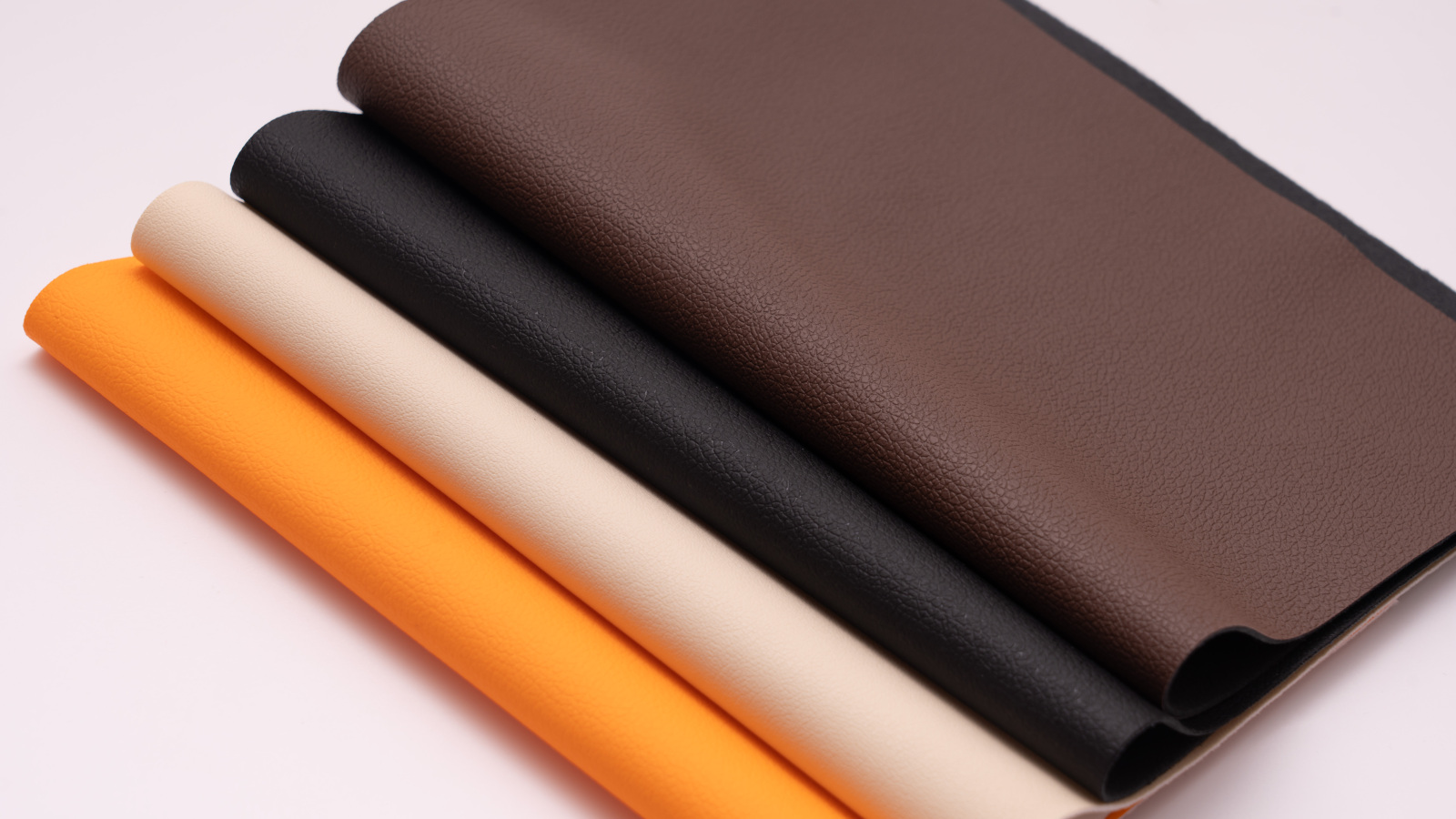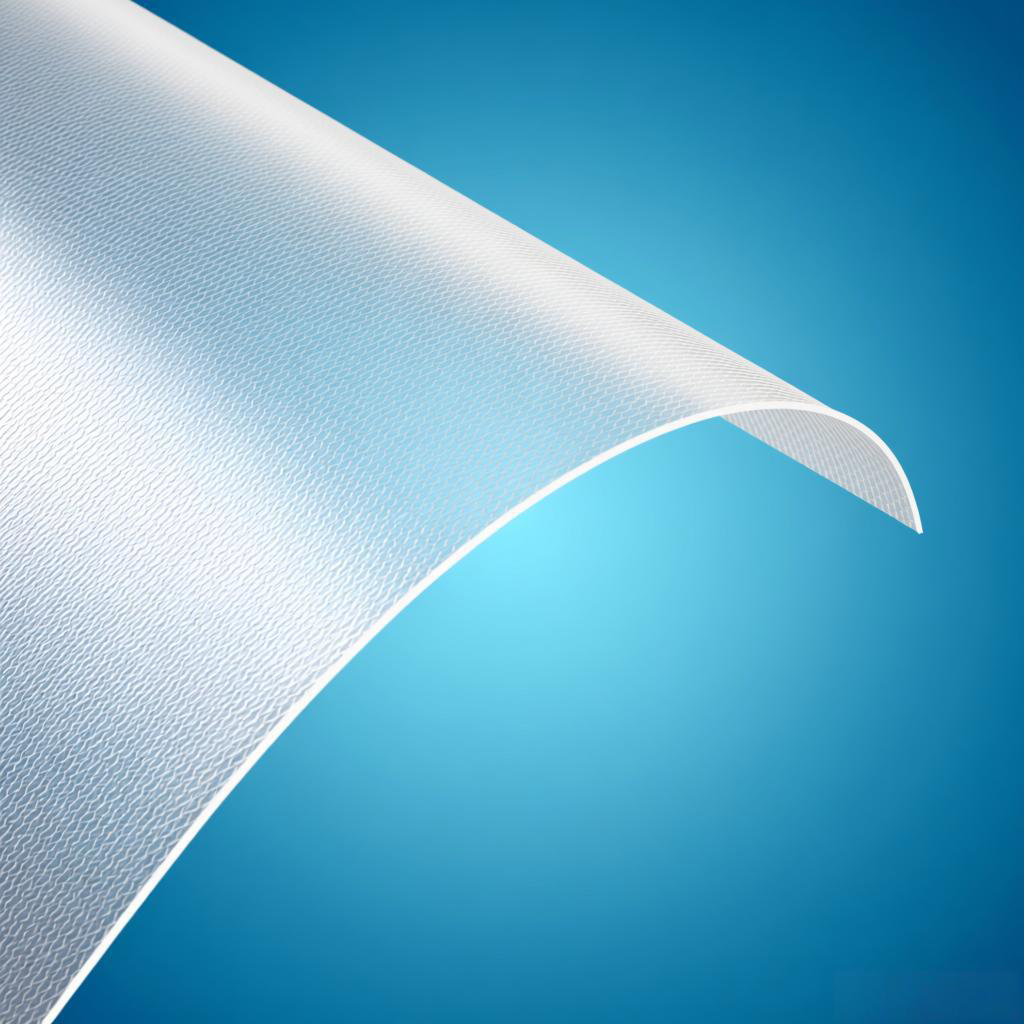

Transparency for wound monitoring: Unlike opaque foams, TPU dressings allow clinicians to assess wound color, exudate, and granulation without removal—reducing disturbance to healing tissue.
Hypoallergenic and biocompatible: TPU has no plasticizers (no phthalates) and passes ISO 10993 cytotoxicity, sensitization, and irritation tests. This matters: a 2022 study found 12% of patients with traditional adhesive dressings developed contact dermatitis.
Thermal stability for sterilization: TPU can withstand ethylene oxide (EtO) and gamma radiation sterilization without degrading, critical for hospital use.
Case in point: A leading German wound care company switched from PVC to TPU for their chronic ulcer dressings in 2022. Within 18 months, complaints about skin irritation dropped by 40%, and the dressing’s ability to remain in place for up to 7 days (vs. 3 days previously) reduced nursing costs by 22%.
Actionable takeaway: When selecting TPU for wound dressings, request MVTR data and biocompatibility certificates (FDA, EU MDR). A 25–50 micron thickness is typically optimal for balance between breathability and durability.
2. How TPU Powers “Smart” Wound Dressings – Real-World Examples
The term “smart dressing” often sounds like science fiction, but TPU makes it practical today. Here’s how:
Integrated sensors: TPU’s dielectric properties allow embedding of thin-film sensors that measure wound pH, temperature, or pressure. A 2024 pilot study by MIT and Massachusetts General Hospital used a TPU-based dressing with a flexible pH sensor to detect infection 48 hours earlier than visual inspection.
Controlled drug release: TPU can be loaded with antimicrobial silver ions or growth factors, with release rates tuned by film thickness and crystallinity. A Chinese research team demonstrated that TPU dressings with 0.5% silver nanoparticles reduced S. aureus colony count by 99.7% within 6 hours.
Exudate management: Smart TPU dressings can incorporate micro-porous structures or superabsorbent layers. A product from a Japanese manufacturer uses a bi-layer TPU design: a dense inner layer prevents adherence to the wound bed, while a porous outer layer wicks away excess exudate.
Real application: In 2023, a Brazilian hospital chain tested TPU-based smart dressings on diabetic foot ulcers. Compared to standard hydrocolloid dressings, the TPU group showed a 50% reduction in dressing changes and a 35% lower infection rate, saving an estimated $1,200 per patient over 8 weeks.
Actionable takeaway: If you’re developing a smart dressing, partner with a TPU manufacturer that offers 1:1 pilot line simulation—like the company Shanghai Xin Gen Tech does with its 400mm sample width capability. This ensures lab results translate to production reality.
3. Why Not PVC, Polyurethane Foam, or Silicone?
Every material has trade-offs. Let’s compare the top contenders objectively:
| Material | Breathability | Transparency | Conformability | Hypoallergenic | Sterilization Compatibility | Cost per unit |
|---|---|---|---|---|---|---|
| TPU (Xin Gen Tech grade) | High | Yes | Excellent | Yes | Yes | Medium |
| PVC | Low | Yes | Poor | No (plasticizers) | Limited | Low |
| Polyurethane Foam | Medium | No | Good | Yes | Yes | Medium |
| Silicone | High | No | Good | Yes | Yes | High |
The verdict: PVC is cheap but causes skin reactions and isn’t transparent. Foam cannot be seen through, making wound monitoring impossible without removal. Silicone is comfortable and breathable but lacks the mechanical strength and transparency for thin-film sensors. TPU offers the best balance for smart dressings that need to be thin, clear, flexible, and safe.
4. Practical Steps to Choose the Right TPU Film for Your Application
Not all TPU films are equal. Here’s a checklist for manufacturers and procurement teams:
Verify medical certification: Look for ISO 13485 compliance and FDA Class II/III listing. Xin Gen Tech, for instance, holds ISO 9001, OHSAS 18001, and multiple third-party certifications (OEKO-TEX, SGS, ROHS, REACH, FDA, EU 10/2011).
Test for adhesion without residue: The TPU should adhere cleanly to skin and wound edges but peel off without pain or removal of new tissue. Ask for low-tack adhesive laminates.
Check for optical clarity: For smart dressings with embedded electronics, the film must have >90% light transmission in the visible range and low haze (<3%).
Demand fast prototyping: In medical product development, time is critical. Look for manufacturers offering rapid sampling—like Xin Gen Tech’s ability to deliver custom thickness, hardness, and functional requirements in under 2 weeks.
5. The Future: TPU in Next-Generation Wound Care
The wound dressing market is projected to reach $22.3 billion by 2028, and TPU will be a key driver. Emerging trends include:
Biodegradable TPU variants: Several chemists are developing TPU blends that break down into non-toxic compounds after 30–60 days, ideal for surgical internal use.
IoT-connected dressings: TPU films with printed circuit antennas that transmit wound data to a smartphone app. A pilot in Los Angeles clinics in 2024 showed a 60% reduction in unnecessary emergency visits.
Self-healing coatings: Research from Singapore demonstrated a TPU coating that repairs micro-tears within minutes using encapsulated healing agents, extending dressing life by 3x.
My perspective: The real bottleneck isn’t the material—it’s how we choose and apply it. Many companies still spec TPU based on price rather than clinical performance. The manufacturers that succeed will be those that treat TPU as a design material for medical engineering, not just a commodity.
Conclusion: Start With the Right Foundation
Smart wound dressings are no longer a laboratory curiosity. They’re saving limbs, reducing costs, and improving quality of life for millions. But the foundation of any smart dressing is the film that carries the sensors, controls drug release, and protects the wound.
When evaluating TPU suppliers, prioritize those with proven medical expertise, in-house R&D, and responsive sampling. Companies like Shanghai Xin Gen Tech, with its 6,000m² facility and dedicated medical-grade production line, understand that a 0.01mm difference in film thickness can mean the difference between a dressing that works and one that fails.
The next time you see a patient walking out of a clinic with a nearly invisible dressing that changes color when infection is present, remember—it’s not magic. It’s TPU, applied with precision and purpose.