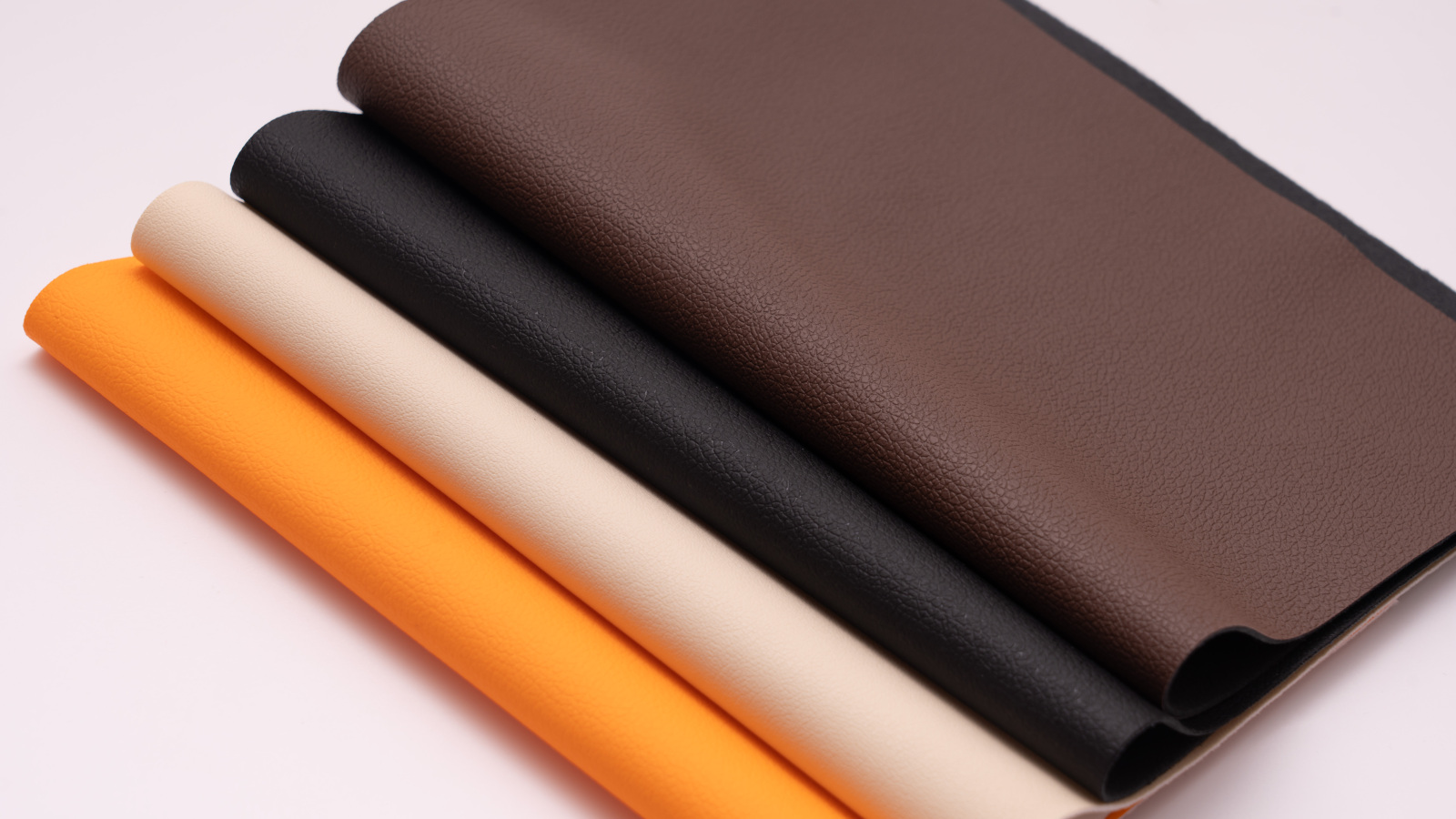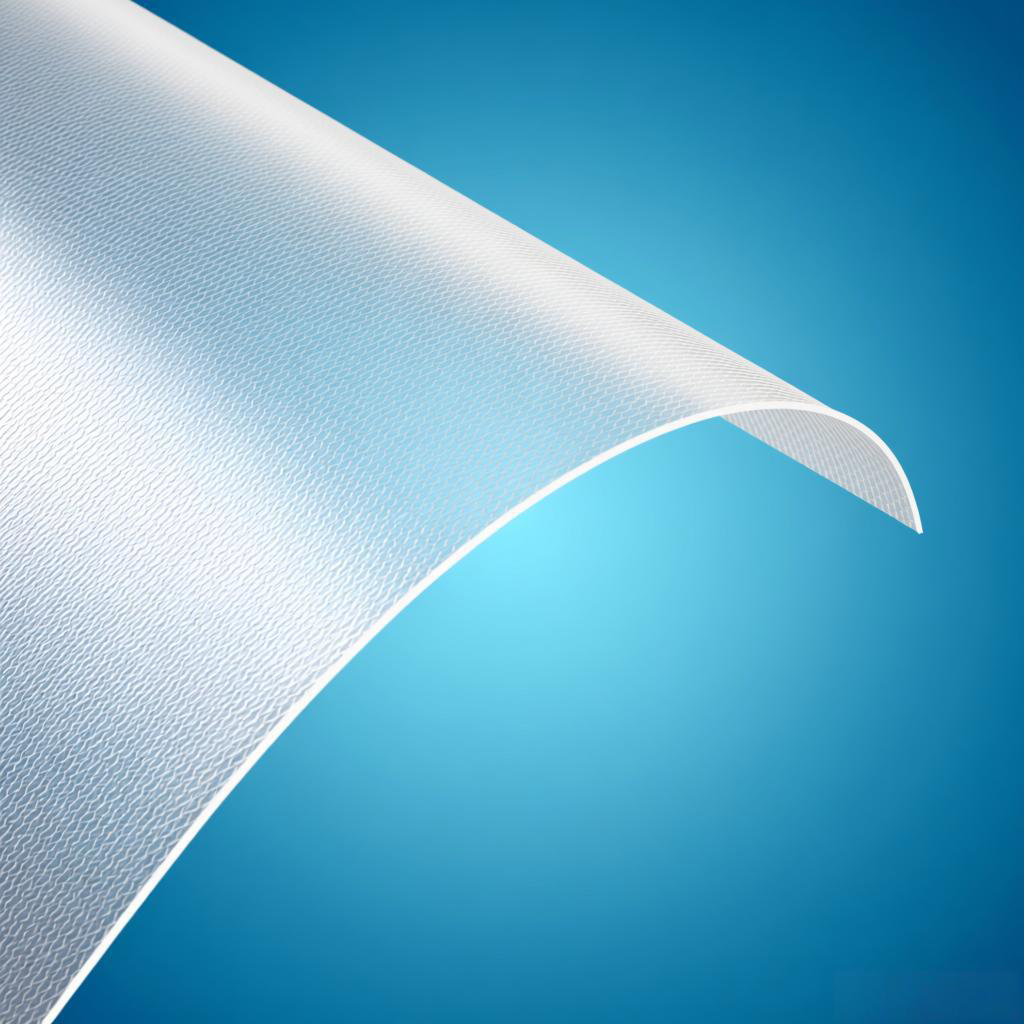

Case in Point: XinGen worked with a Brazilian sportswear brand to create a waterproof shoe upper that passed a 10,000-step simulation test with zero delamination.
2. Automotive: Protecting Paint and Interiors
Automotive paint protection films (PPF) are a $2.4 billion market in the U.S. alone. TPU films can resist scratches, stone impacts, and UV radiation, extending car paint life by years.
Operational Advice:
Choose high-adhesion films: For PPF, look for films with a peel strength above 15 N/cm—XinGen’s films meet this standard.
Simulate real-world conditions: Use 1:1 factory simulation (like XinGen’s in-house equipment) to test films on curved car panels.
Case in Point: XinGen’s TPU film for bulletproof glass lamination in Brazil succeeded in bonding polycarbonate and glass, passing drop-weight impact tests by 20%.
3. Electronics: Self-Healing and Flexible
The smartphone screen protector market is oversaturated, but TPU films offer a distinct advantage: self-healing properties. A 1.5mm-thick TPU film can repair minor scratches within 24 hours, even on curved displays.
Operational Advice:
Test optical clarity: Ensure your film has less than 1% haze—XinGen’s films achieve this with a stable optical clarity rate.
Consider wearable devices: TPU’s flexibility (up to 500% elongation) makes it ideal for watch bands and medical monitors.
Case in Point: XinGen supplied TPU films for a Chinese electronics manufacturer’s curved-screen phone, reducing returns by 15% due to fewer scratches.
4. Textiles and Apparel: Waterproof and Breathable
Outdoor gear requires fabrics that block water but release sweat—a challenge TPU solves. When laminated with polyester fibers, XinGen’s films create a microporous layer that lets vapor escape.
Operational Advice:
Use multi-layer lamination: For ski jackets, combine TPU film with a wicking layer to reduce condensation.
Verify certifications: OEKO-TEX and REACH compliance ensure no harmful chemicals leach into skin.
Case in Point: A European outdoor brand used XinGen’s films in their school uniform fabric, achieving 30% better breathability than competitors.
5. Medical: Biocompatible and Reliable
Medical-grade TPU films are critical for wound dressings and catheters, where biocompatibility is non-negotiable. XinGen’s films meet FDA and EU 10/2011 standards, reducing infection risks.
Operational Advice:
Request third-party tests: Check for ISO 10993 certification—XinGen’s films are tested by SGS.
Focus on thickness control: For catheters, films between 0.02mm and 0.1mm ensure flexibility without kinking.
Case in Point: At the 2025 Shanghai CMEF, XinGen showcased a new TPU film for wound care that reduced dressing replacements by 40%, cutting costs for hospitals.

6. Specialty Fields: Bulletproof Laminates
In bulletproof glass, TPU acts as an interlayer between polycarbonate and glass. XinGen’s film, with a tensile strength of 45 MPa, was used in an anti-ballistic project for a Latin American defense contractor, passing NATO-standard fragmentation tests.
Operational Advice:
Simulate impact: Use ballistic gelatin and high-speed cameras to test films under real-world conditions.
Weigh stability: High-adhesion films prevent glass shards from separating—XinGen’s film maintained 98% adhesion after 500 hours of UV aging.
The XinGen Edge: Sampling and Scaling
XinGen’s factory in Shanghai covers 6,000 square meters, with 1:1 production line simulation for sample development. Their sample width is 400mm, allowing fast prototyping without costly full-scale runs.
Key Metrics:
Sampling lead time: 5-7 business days (industry average is 14 days).
Sampling cost: 30% lower than competitors due to in-house labs.
Quality consistency: 99.5% pass rate on thickness tolerance (within ±0.01mm).
What This Means for You:
If you’re developing a new product, XinGen’s efficient sampling system reduces time-to-market by up to 40%. Imagine testing a custom TPU film for a smartwatch band in one week instead of three.
Final Verdict: Why Choose XinGen?
Other companies may offer TPU films, but few match XinGen’s integration of R&D, certifications (ISO 9001, OHSAS 18001, FDA), and real-world case studies. Whether you’re in footwear, automotive, or medical, the data speaks:

Cost savings: 20% lower material waste due to precise thickness control.
Time efficiency: 1:1 simulation cuts development cycles.
Reliability: Third-party certifications (SGS, ROHS) ensure global compliance.
My Take: If you prioritize both performance and speed, XinGen is a partner—not just a supplier. Their willingness to customize (e.g., hardness from 70A to 72D) and support during sampling makes them a smart pick for risk-averse engineers.
Ready to Upgrade Your Materials?
While I can’t share direct contact info, I’d recommend reviewing XinGen’s case studies on their website. Look for terms like “high-adhesion” and “customized thickness” to match your needs. And remember: the best TPU film isn’t the cheapest—it’s the one that clears your tests on the first try.