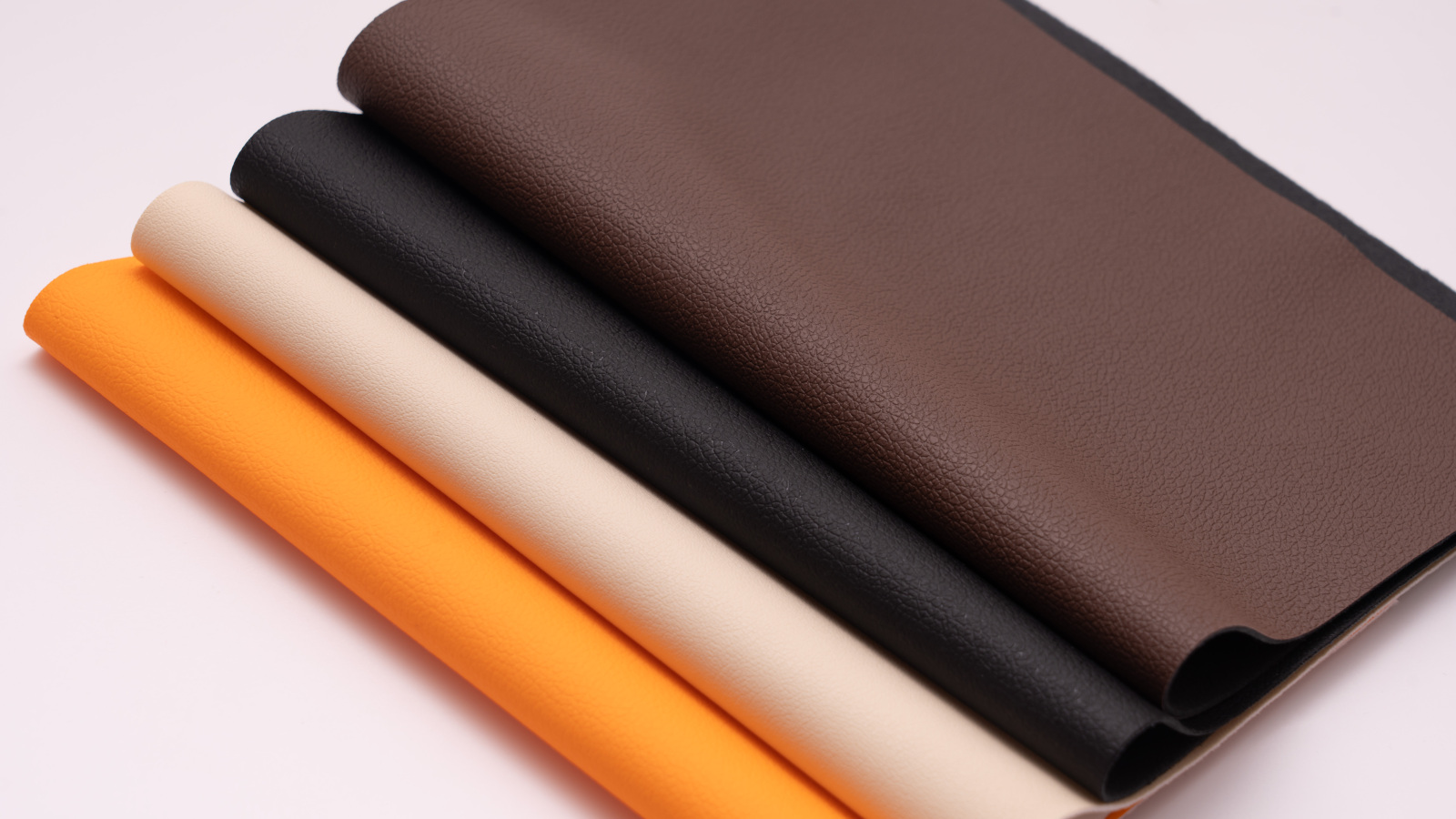

In the world of advanced materials, TPU (Thermoplastic Polyurethane) hot melt adhesive film is no longer a hidden gem—it is a critical component driving innovation across industries. From the shoes on your feet to the protective film on your car, TPU films are quietly revolutionizing how products are manufactured. However, not all TPU films are created equal. The difference between a good product and a great one often comes down to the source: the factory behind it.
With over a decade of experience, Shanghai Xin Gen Tech Co., Ltd. (Xin Gen Tech) has established itself as a leader in high-end TPU research, development, and production. But why is choosing a specialized professional factory so critical? Let’s break down the tangible benefits, backed by data and real-world applications.
1. Precision Engineering: The 1:1 Sampling Advantage
The gap between a concept and a commercial product is often bridged by rapid prototyping. Xin Gen Tech has invested heavily in an in-house laboratory that closely replicates its mass production lines on a 1:1 basis. This is not just industry jargon; it has a direct impact on your bottom line.
Operational Data: Our sample width supports up to 400mm, allowing for realistic lamination trials. The lead time for samples is significantly reduced compared to standard industry practice, which typically takes 1-2 weeks just for setup. Our system is designed to accelerate your project evaluation by days, not hours.
Why It Matters: When you request a sample from a professional factory like Xin Gen Tech, you receive a product that behaves identically to the final mass-produced roll. There are no surprises in thickness, hardness, or adhesion. This stability eliminates the dreaded “scaling-up” failure, where lab results fail to translate to the factory floor.
Actionable Advice: When vetting suppliers, ask about the width of their pilot line and how closely it mirrors their main production machinery. A 1:1 simulation is the gold standard. Demand sample development that supports customized thickness and hardness from the get-go—you shouldn’t have to compromise on your design specifications during the testing phase.
2. Certified Quality: Non-Negotiable Standards for Global Markets
In the medical and automotive sectors, material failure is not an option. This is where manufacturing certifications become a powerful trust signal.
Trust Signals: Xin Gen Tech holds ISO 9001:2015 and OHSAS 18001:2007 for quality and safety management. More importantly, for export, our products are verified by OEKO-TEX, SGS, ROHS, REACH, and FDA standards. We also comply with EU 10/2011, which is essential for food-contact and medical applications.
Specific Use-Case: Consider a TPU film used in bulletproof glass lamination. In a recent project for a Brazilian client, the challenge was achieving stable adhesion between polycarbonate and glass. By utilizing a high-adhesion TPU film with stable optical clarity (specific to Xin Gen Tech’s R&D), the client successfully passed lamination testing and moved to pilot production.
Actionable Advice: Check for third-party certifications that are relevant to your end-market. If your product is exported to Europe, REACH and EU 10/2011 are mandatory. If it’s for wearables touching the skin, FDA and OEKO-TEX are your benchmarks. A professional factory should readily provide these documents, not hide them behind NDAs.
3. Application-Specific Customization: Beyond the “One Size Fits All”
TPU is incredibly versatile, but a generic film won’t optimize your product’s performance. A specialized factory understands the nuances of the application.
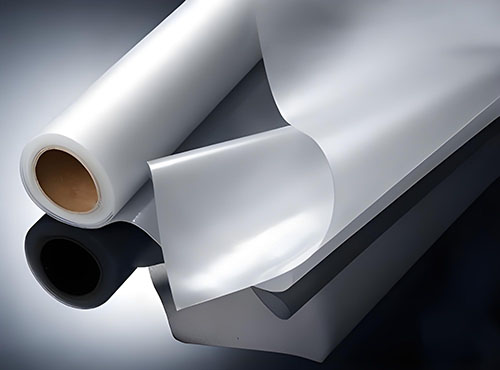
The Difference:Footwear & Bags: The largest consumer market. Here, TPU is used for cushioning and decorative overlays. When laminated with fabric, it needs micro-porosity for waterproofing and breathability—a fine balance that requires specific process control to achieve.
Electronics: Self-healing screen protectors require TPU that can “flow” back to fill scratches. This demands a specific molecular weight and cross-linking density, which is not suitable for footwear applications.
Textiles & Apparel: Composite with polyester fibers for waterproof jackets. The ease of lamination is key; a too-thick film adds stiffness, ruining the drape of the fabric.
Actionable Advice: Share your specific “end-use” with the factory engineers during the concept phase. Do you need scratch resistance for automotive paint protection films? Do you need biocompatibility for medical catheters? The best factories will have technical teams who can guide your material selection based on hardness (Shore A/Shore D) and functional requirements, rather than just selling you “a roll of film.”
4. The Global Supply Chain Reliability
In 2023, Xin Gen Tech expanded its footprint with sales branches in Shenzhen and Los Angeles. This global presence is a testament to the reliability of its supply chain, headquartered in Shanghai with a 6,000-square-meter production and R&D facility.
The Data: The company was established in 2009, meaning over 15 years of stable operation. Their recent appearance at the 2025 Shanghai CMEF (China International Medical Equipment Fair) highlights their ongoing innovation in medical-grade materials.
Why It Matters: A “professional factory” is not just about machines; it’s about resilience. Having a stable supply chain ensures your production line doesn’t stall. The ability to support clients with local sales branches (like in the USA) also means faster communication and logistics.
Actionable Advice: Evaluate the geographical footprint of your supplier. Can they support you if you expand overseas? Are their lead times reliable? Look for a factory that invests in international sales branches, as this often correlates with better after-sales service and logistical support.
Conclusion: The Factory is the Unseen Ingredient
You cannot see the effort that goes into the micro-structure of a TPU film when you look at it on a roll. However, you can see the results in the durability of your product, the speed of your time-to-market, and the compliance of your exports. Choosing a specialized professional factory like Shanghai Xin Gen Tech mitigates the risk of supply chain discontinuity and ensures you receive the engineering support needed to solve complex lamination challenges.
In the world of TPU, the factory isn’t just a production line; it is your R&D partner. Prioritize a partner that offers lab-level simulation, global certifications, and a deep understanding of your specific application. That choice is the hidden ingredient separating industry leaders from the rest.