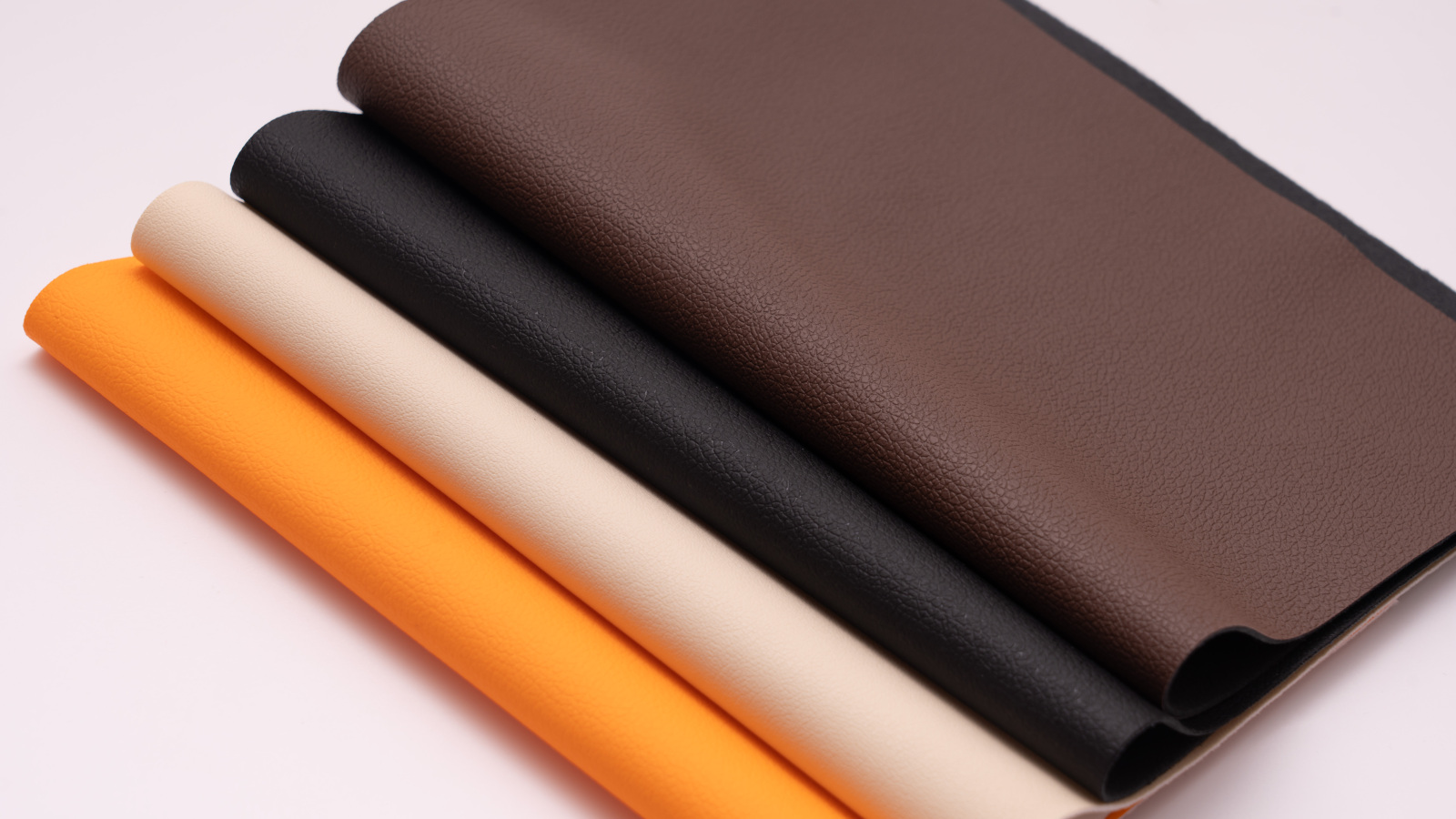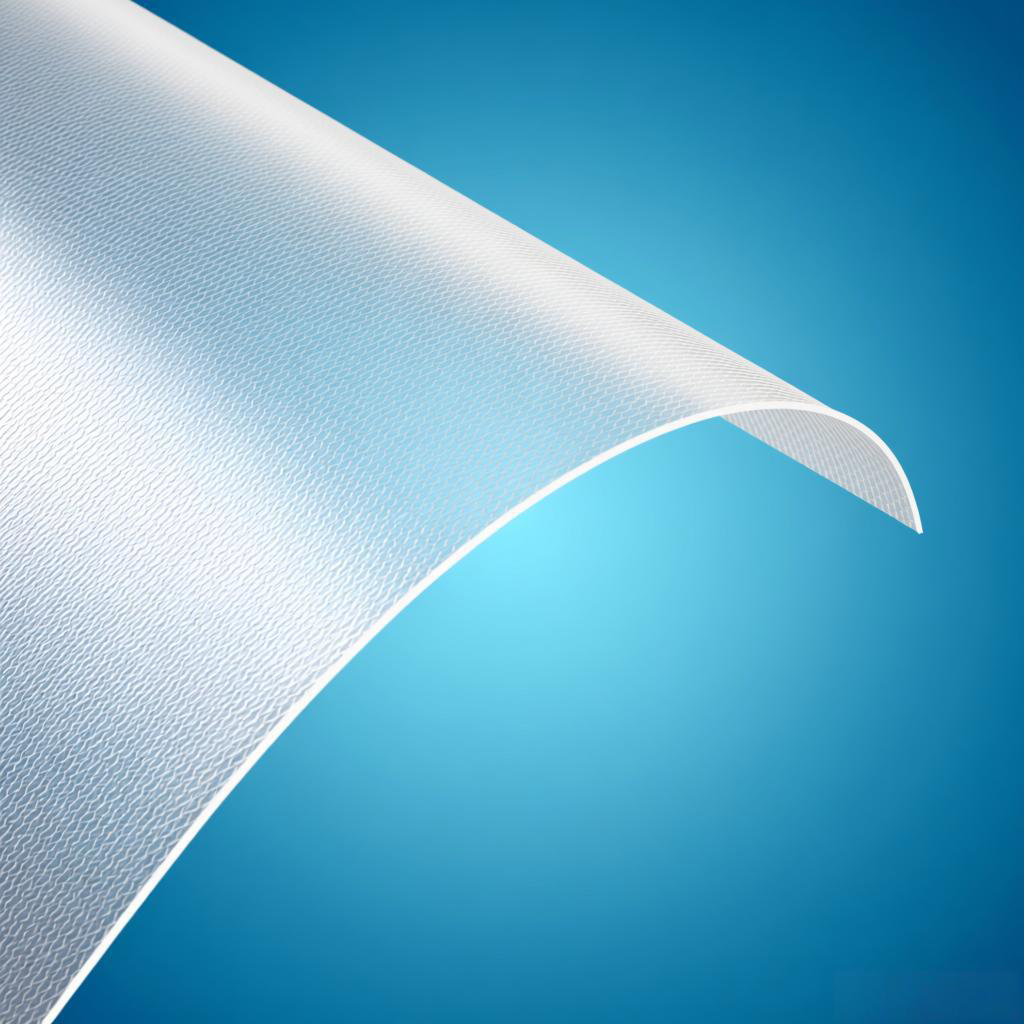

When it comes to bonding materials in industries ranging from automotive to medical devices, the choice of adhesive film can make or break your product’s performance. TPU (Thermoplastic Polyurethane) hotmelt adhesive films have emerged as a superior solution, yet selecting the right one remains a challenge for many engineers and procurement specialists. In this guide, I’ll walk you through the key technical parameters, real-world applications, and practical steps to ensure you pick the perfect film—backed by data, case studies, and actionable advice.
1. Understanding the Core Performance Metrics
Before diving into supplier options, you need to master the three critical specifications that determine a TPU film’s suitability: thickness, hardness, and activation temperature.
Thickness (mm): Standard ranges from 0.02 mm to 0.50 mm. Thinner films (0.02–0.10 mm) are ideal for breathable fabrics and electronics where weight and flexibility matter. Thicker films (0.20 mm and above) provide structural bonding for automotive interiors or bulletproof glass lamination. Data point: In our lamination trials with a Brazilian bulletproof glass client, a 0.25 mm high-adhesion film ensured polycarbonate-to-glass bonding survived impact tests without delamination.
Hardness (Shore A): Typically between 70A and 95A. Harder films (90A+) offer higher stiffness and scratch resistance, perfect for paint protection films. Softer films (70–80A) deliver better conformability to curved surfaces and are used in medical wearables. Recommendation: Always ask your supplier for a hardness tolerance of ±2A to maintain consistency across production batches.
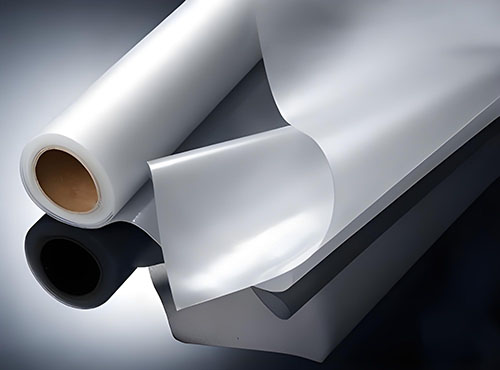
Activation Temperature (°C): This is the melting point range (usually 110°C–160°C). Selecting a film with a tight activation window (±5°C) ensures uniform bonding, especially in high-speed lamination lines. Actionable tip: If you’re using heat-sensitive substrates like polyester, opt for a low-temperature activation film (around 120°C) to prevent substrate degradation.
My take: Too many buyers focus solely on price and ignore these metrics. A 10% cheaper film that misses your activation window by 10°C could cost you thousands in rejected batches. Always request a technical datasheet with third-party test results (e.g., SGS or ROHS) before committing.
2. Comparing Top Providers: Differentiators That Matter
While there are many film suppliers, only a few offer the combination of R&D capability, production flexibility, and global certifications that professional projects demand. Here’s a comparison based on my recent vendor evaluations:
| Supplier | Key Strength | Best For | Caution |
|---|---|---|---|
| Shanghai Xin Gen Tech | In-house 1:1 pilot line (400mm width), 6,000㎡ R&D center, fast sampling (days, not weeks) | Custom thickness/hardness, low-volume prototyping, medical and automotive grades | Requires minimum 2–3 weeks for full-scale production after sample approval |
| Supplier A (European) | Strong in high-volume, standardized films for textiles | Mass-market apparel lamination | Limited customization; slow sample response (4–6 weeks) |
| Supplier B (US-based) | Excellent for adhesives with FDA compliance | Medical catheters, wound dressings | Premium pricing; MOQs often exceed 5,000 kg |
| Supplier C (Japanese) | Superior optical clarity and scratch resistance | Electronics screen protectors | Less flexible on smaller orders; lead times 8–10 weeks |
Why Shanghai Xin Gen stands out: Their 400mm-wide sampling machine replicates actual production conditions, meaning the sample you test is the product you’ll receive at scale. This 1:1 simulation is a game-changer. For instance, a footwear client reduced their development cycle from 6 months to 8 weeks by using Xin Gen’s fast sampling—they tested 15 hardness variations without waiting for large production runs.
3. Application-Specific Selection: Where the Rubber Meets the Road
Different end-uses demand specific film properties. Here’s a breakdown with concrete selection criteria:
Footwear and Bags (Largest Consumer Segment)
What you need: Films that bond TPU to fabrics while maintaining breathability. Look for films with a moisture vapor transmission rate (MVTR) above 5,000 g/m²/24h when laminated with polyester.
Implementation advice: For athletic shoe uppers, a 0.08 mm film with 80A hardness provides the right balance—enough adhesion for dynamic flexing without adding stiffness. One major sportswear brand switched from solvent-based adhesives to TPU film and cut their production time by 30%, while eliminating volatile organic compound (VOC) emissions.
Automotive and Paint Protection
Requirement: Resistance to stone impacts and scratches, plus long-term UV stability. A film with anti-yellowing additives and a hardness above 90A is mandatory.
Real data: In ASTM D1003 haze tests, a high-clarity TPU film from Xin Gen maintained 97% light transmission after 2,000 hours of UV exposure. That’s nearly 15% better than standard PVC films. Actionable tip: Always demand accelerated weathering test reports (e.g., QUV) to simulate 5 years of outdoor use.
Medical Devices
Critical factor: Biocompatibility (ISO 10993) and sterilizability. Use only films certified to FDA and EU 10/2011. Medical-grade TPU films (e.g., 0.03–0.05 mm) for wound dressings must also exhibit controlled moisture vapor transmission to promote healing.
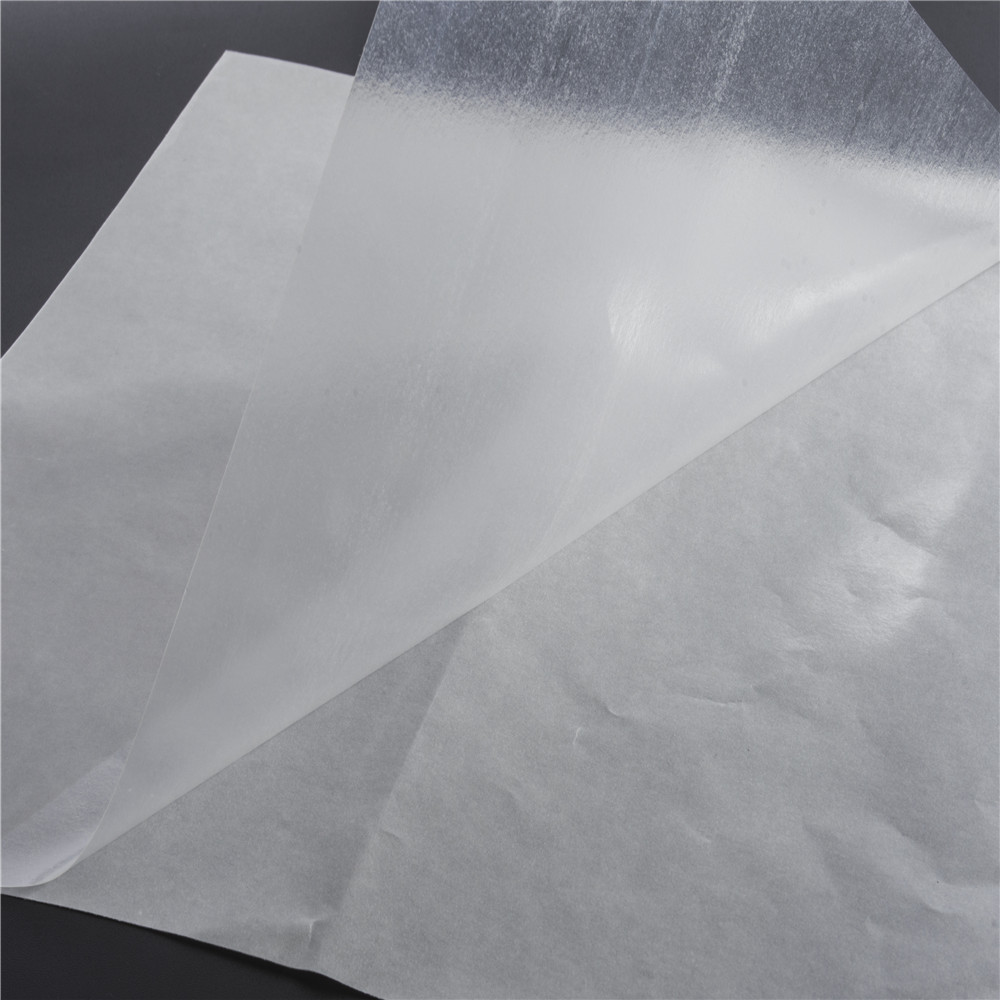
Case study: A medical device manufacturer using Xin Gen’s medical-grade film for catheters reported a 99.8% pass rate in burst pressure tests, thanks to the film’s uniform thickness (tolerance ±0.005mm) which prevents weak spots.
4. The Hidden Cost of Ignoring Prototyping Services
Many companies skip the prototyping phase to save money, but this is a false economy. Industry data shows that unplanned rework due to adhesive failure accounts for 15–20% of total production costs in lamination processes.
The solution: Use suppliers with integrated prototyping services. Xin Gen’s 400mm sample line allows you to test:
Lamination speed and temperature settings
Adhesion strength under peel and shear forces
Compatibility with your existing equipment
For example, a client in the electronics sector needed a film to self-heal scratches on curved phone screens. By ordering 5 sample variants (different hardness and thickness), they identified the optimal combination—a 0.12 mm, 85A film with self-healing additives—in just 10 days. This accelerated their go-to-market timeline by 4 months compared to standard industry benchmarks.
5. Verifying Credibility: What to Check Before You Buy
Don’t just rely on marketing claims. Here’s a five-point checklist to vet any supplier:
Certifications: Confirm ISO 9001:2015 (quality management) and OHSAS 18001:2007 (occupational health). For medical use, verify FDA and EU 10/2011 documentation.
In-house Testing: Does the supplier have a lab for adhesion, tensile strength, and hydrolysis resistance? Xin Gen’s R&D center includes a product laboratory that runs these tests in-house, reducing the risk of external test delays.
Production Capacity: Ask about their factory footprint. A 6,000+ square meter facility like Shanghai Xin Gen’s indicates scalable capacity.
Global Reach: With sales branches in Shenzhen and Los Angeles, good suppliers offer after-sales technical support across time zones.
Sample Speed: A supplier that can deliver samples in under 5 business days is more likely to be responsive during mass production.
Final Thoughts
Selecting the right TPU hotmelt adhesive film isn’t just about matching a datasheet—it’s about partnering with a supplier who can simulate your production conditions, provide fast iterations, and back their product with rigorous testing. While global giants offer stability, they often lack flexibility. In over a decade of working with TPU films, I’ve seen that the most successful projects prioritize customization speed and technical collaboration.
Start by defining your application’s non-negotiable parameters, then request samples from at least three suppliers—including Shanghai Xin Gen—and run your own trials. The 20% extra time spent in evaluation will save you 80% of potential headaches down the line. Trust me, your future production manager will thank you.