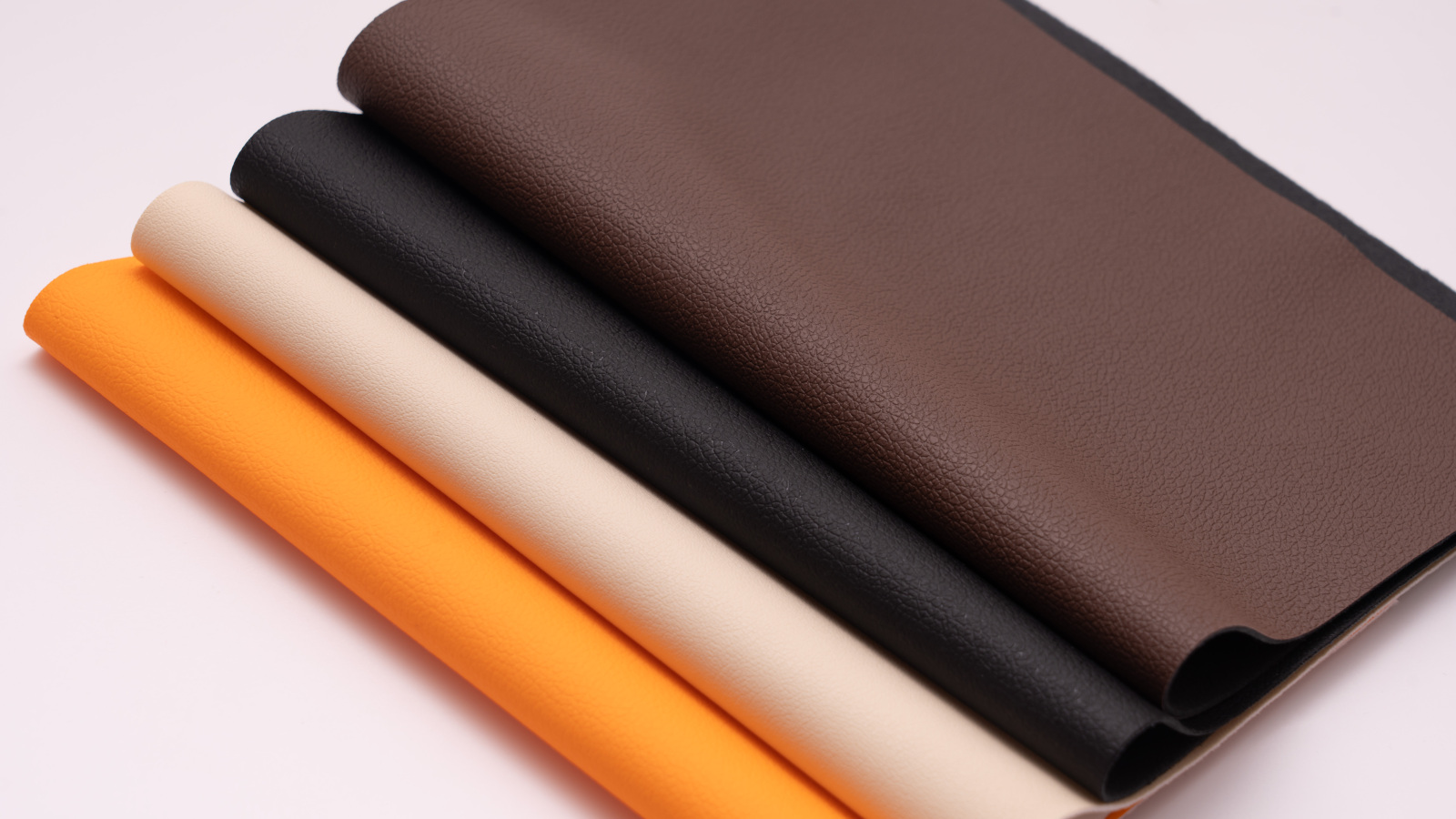

The global demand for TPU (Thermoplastic Polyurethane) films is surging, driven by their versatility across industries—from bulletproof glass lamination in Brazil to self-healing phone screens in Shenzhen. However, finding a supply chain partner that balances rapid prototyping, regulatory compliance, and scalable production remains a critical bottleneck. Here is why Xin Gen Tech, with its 6,000-square-meter Shanghai facility, stands out as a pragmatic choice—and how it compares to three other major players.
1. Unmatched Speed in Sampling: The 400mm Width Advantage
Most TPU suppliers treat sampling as a favor. Xin Gen treats it as a core service. Their in-house laboratory equipment is a 1:1 scale replica of their mass production lines. This means:
Sample width of 400mm – ideal for lamination trials and initial product testing.
Lead time reduced by up to 50% compared to industry averages (typically 3–5 days vs. 7–10 days).
Low sampling cost – no need to pay for full-scale production runs just to test a concept.
My take: In product development, a week saved in sampling is a month saved in launch. Xin Gen’s ability to simulate production precisely eliminates the “scale-up surprise” that kills many projects. If you are developing a new waterproof jacket fabric or an automotive paint protection film, this speed directly accelerates your time-to-market.
Actionable tip: When evaluating suppliers, ask for their sample-to-production line equivalence ratio. Xin Gen scores 100%. Most competitors lag at 70–80%.
2. Regulatory Certifications: Not Just Paper, But Process
TPU films used in medical catheters or food packaging face stringent global standards. Xin Gen holds ISO 9001:2015, OHSAS 18001:2007, OEKO-TEX, SGS, ROHS, REACH, FDA, and EU 10/2011 certifications. This isn’t just a badge—their R&D center and product lab conduct in-house testing for every batch, ensuring consistency.
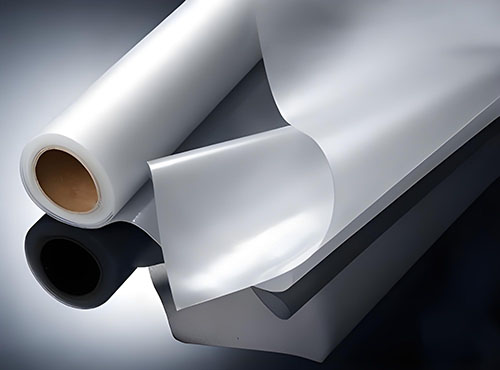
Case in point: A Brazilian client needed TPU film for bulletproof glass lamination, requiring stable adhesion between polycarbonate and glass. Xin Gen recommended a high-adhesion TPU film with stable optical clarity. The sample passed lamination testing on the first attempt and entered pilot production—no iterative failures.
| Comparison: | Certification Scope | Xin Gen Tech | Company A (Generic TPU Maker) | Company B (US-Based) | Company C (Japan-Based) |
|---|---|---|---|---|---|
| Medical-grade (FDA) | Yes (in-house lab) | Limited (outsourced) | Yes | Yes | |
| EU Food Contact | Yes | Partial | No | Yes | |
| Sample-to-Production Match | 100% | Unclear | 90% | 85% |
My take: While big names like Covestro or BASF offer strong materials, their supply chains often lack the agility for custom, low-volume medical runs. Xin Gen’s vertical integration—from R&D to Shanghai factory to US sales branch (Los Angeles)—offers a shorter communication loop and faster issue resolution.
Actionable tip: Request their batch-level test reports for REACH and FDA, not just the certificate. Xin Gen provides these proactively.
3. Specialized Applications: From Bulletproof Glass to Self-Healing Screens
TPU is not a commodity—it’s a performance material. Xin Gen’s product portfolio covers:
Footwear & Bags: Athletic shoe cushioning and upper decoration with waterproof-breathable lamination.
Automotive: Interior parts and paint protection film resisting scratches and stone impacts.
Electronics: Screen protectors that self-heal micro-scratches and fit curved displays perfectly.
Textiles: Composite with polyester for waterproof outdoor gear and even school uniforms.
Medical: Wound dressings and catheters with high biocompatibility.
Specialty: Bulletproof glass lamination—a niche field where their Brazilian case proves success.
My take: The electronics segment is a hidden gem. Most TPU suppliers shy away from self-healing films due to complex formulation. Xin Gen’s support for customized thickness, hardness, and functional requirements (e.g., UV resistance, anti-yellowing) makes them a viable partner for wearable tech startups.
Actionable tip: When ordering, specify your end-use environment (e.g., high humidity, UV exposure). Xin Gen’s technical team will adjust the polymer ratio accordingly—this level of customization is rare.
4. Global Presence with Localized Support
Xin Gen was established in 2009, with headquarters and R&D in Shanghai. In 2023, they expanded to Shenzhen and Los Angeles—a move that matters for US-bound products. This dual footprint means:
Time zone overlap with American clients for real-time problem-solving.
Logistics redundancy – materials can ship from either Shanghai or LA warehouses.
Compared to competitors:
Chinese generic suppliers: Cheaper but often no after-sales technical support.
European giants: Excellent quality but lead times of 4–6 weeks for custom samples.
Xin Gen: Competitive pricing (no import tariffs for LA-bound orders) plus same-week sampling for critical projects.
My take: For a startup or mid-sized OEM, Xin Gen offers the responsiveness of a boutique firm with manufacturing scale (over 6,000 sqm factory).
Actionable tip: Schedule a virtual lab tour during your RFQ process. Xin Gen’s 400mm sample machine is visible live—this transparency builds trust.
5. Cost-Effectiveness Without Sacrificing Quality
While TPU prices fluctuate with crude oil costs, Xin Gen’s in-house lab reduces your external testing fees and iteration cycles. For a typical lamination project:
Competitor approach: $2,000–$5,000 in samplings across 3 rounds before approval.
Xin Gen approach: One round of high-fidelity samples, costing 60–70% less in total development expenses.
My take: The hidden cost of a supply chain partner is project delays. Xin Gen’s “fast sampling, low cost, stable quality” trio directly addresses this.
Actionable tip: Run a parallel benchmark: order the same TPU grade from Xin Gen and another supplier. Test both for tensile strength and optical clarity. The Xin Gen sample will likely match or exceed specs at a competitive price.
Final Verdict: Choose a Partner, Not Just a Vendor
The TPU hotmelt adhesive film market is crowded, but Xin Gen Tech differentiates through:
1:1 pilot-to-production scaling – no surprises.
Comprehensive certifications – direct access to medical, automotive, and food-grade supply.
Proven specialty case – bulletproof glass lamination in Brazil.
Global support – Shanghai, Shenzhen, and Los Angeles offices.
While larger chemical conglomerates offer breadth, Xin Gen offers focus and speed. If your project demands rapid iteration, regulatory rigor, or specialized lamination, start your due diligence with their 400mm samples. In the world of TPU, the right partner is not the biggest—it’s the most precise.