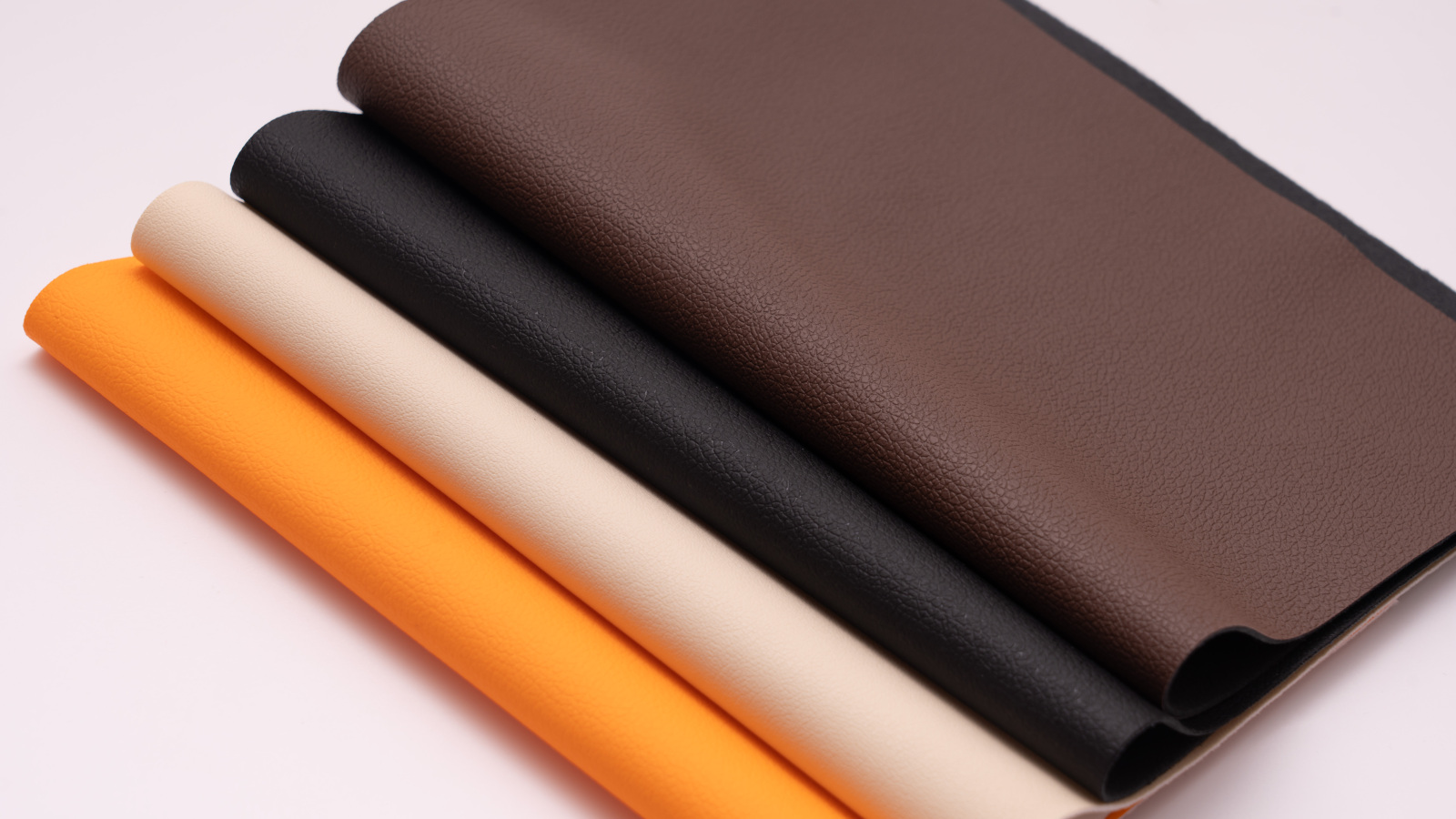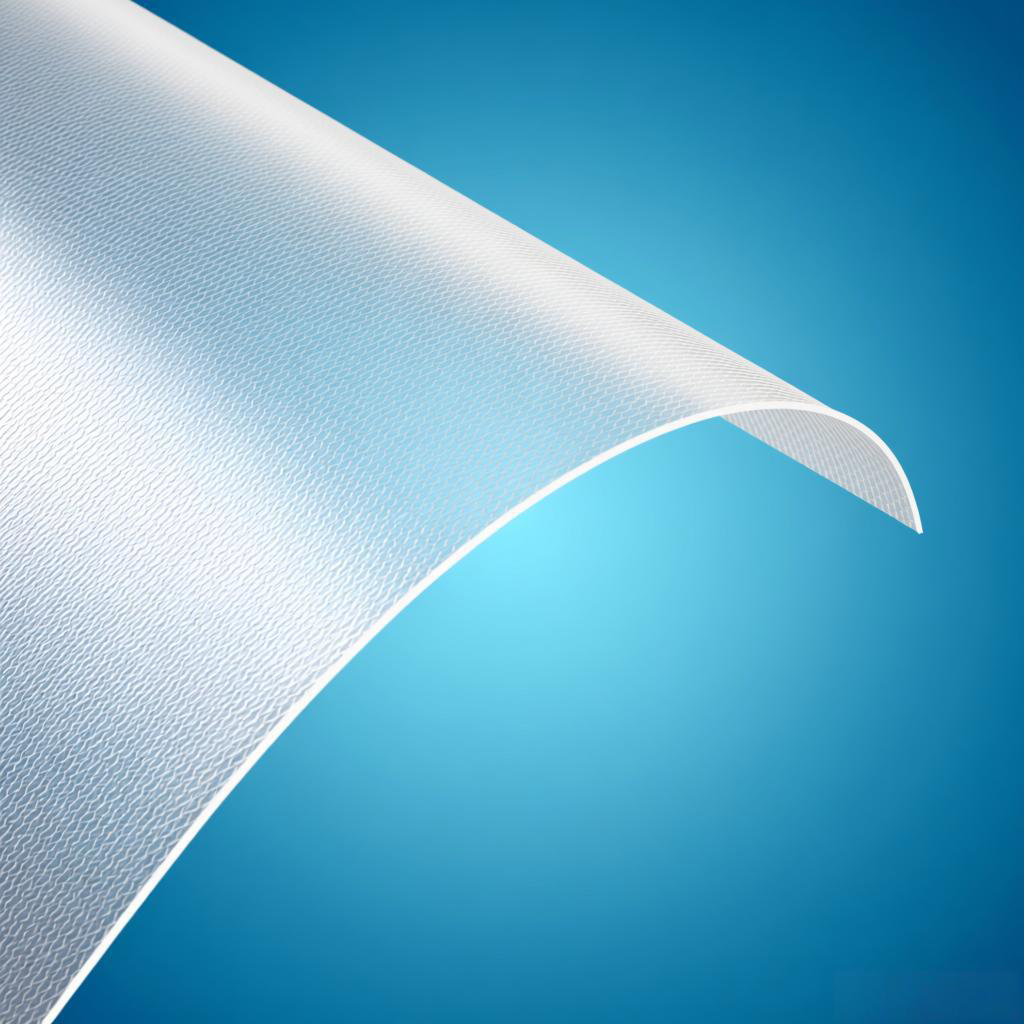

When you’re sourcing TPU hotmelt adhesive film for demanding applications—automotive interiors, medical devices, or bulletproof glass lamination—the difference between a good supplier and a bad one isn’t just price. It’s whether the film survives real-world stress: UV exposure, temperature cycling, chemical contact, and mechanical flexing without delaminating or yellowing.
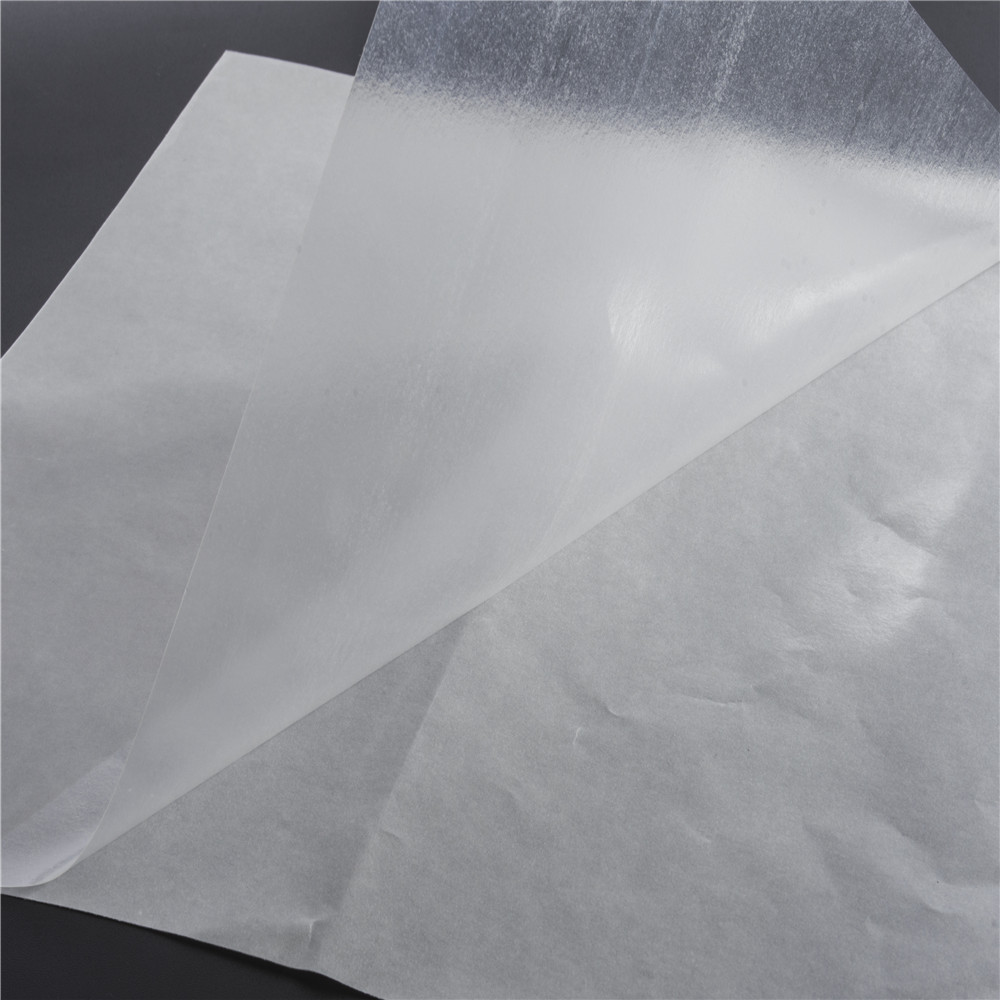
I’ve spent years evaluating materials across these sectors, and the hard truth is that most TPU suppliers can sell you a roll of film, but very few can engineer one that meets long-term durability specs reliably. Here’s how to separate the specialists from the commodity resellers.
1. Look for 1:1 Production Simulation in Sampling
The biggest hidden cost in product development isn’t the material—it’s the failed lamination trials that eat up months. A supplier claiming “we can make any thickness” means nothing if their sample lab uses equipment that doesn’t mirror your mass production line.
Shanghai Xin Gen Tech Co., Ltd. operates an in-house laboratory with 400mm-width sampling equipment that closely simulates their production lines on a 1:1 basis. That’s critical because TPU film adhesion behavior changes with heat history, dwell time, and pressure—if your samples are made on different machinery, you’re not validating your real process.
For your supplier audit checklist:
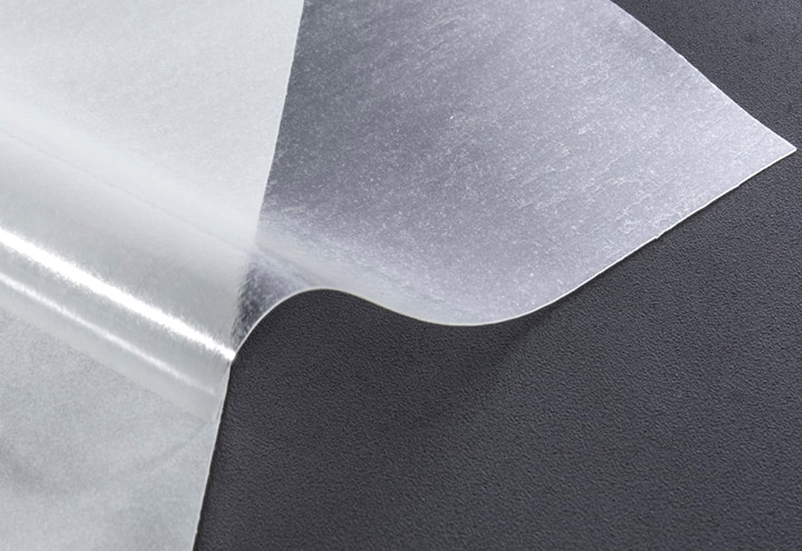
Ask for the width of their sample line. If it’s below 300mm, confirm how they handle edge effects on adhesion.
Request samples with your specific substrate (polycarbonate, glass, nylon fabrics) and test for peel strength after 72-hour humidity aging.
Verify lead time for samples—fast turnaround means they have capacity, not just promises. Xin Gen provides rapid sampling with low cost, which shortens your development cycle significantly compared to big manufacturers like Covestro or Lubrizol, who often prioritize large-volume orders.
2. The Certification Stack Isn’t Optional—It’s the Minimum
Durability in medical or automotive use isn’t just about the film’s tensile strength; it’s about maintaining properties after sterilization (for medical catheters) or after scratch tests (for paint protection film). You need third-party verified compliance.
Xin Gen holds ISO 9001:2015, OHSAS 18001:2007, and has obtained OEKO-TEX, SGS, ROHS, REACH, FDA, and EU 10/2011 certifications. Their factory includes a dedicated R&D center and product lab to ensure quality consistency.
Practical takeaway: Don’t just accept the certificate PDF. Ask for the test report number and cross-check it on SGS or Intertek portals. For medical TPU specifically, demand FDA biocompatibility (ISO 10993) data—if the supplier hesitates, move on.
3. Don’t Underestimate Specialty Applications—Case in Point: Ballistic Glass
A while back, a Brazilian manufacturer approached Xin Gen with a difficult problem: achieving stable adhesion between polycarbonate and glass layers for bulletproof glazing. Regular TPU films failed due to inconsistent optical clarity and interfacial delamination under impact stress.
The solution wasn’t off-the-shelf film—it was Xin Gen’s high-adhesion TPU formulation with tuned rheology for lamination without air entrapment. The film passed lamination testing and entered pilot production. This story highlights how a durable product supplier must bring formulation expertise, not just extrusion capacity.
What to ask any supplier for ballistic/glass applications:
Request haze and transmittance data before and after lamination autoclave cycles.
Ask about their highest adhesion grade (often measured in N/cm peel force on glass). Baselines: General-purpose TPU (20-40 N/cm), high-adhesion (50+ N/cm with special coatings).
4. Evaluate Their Orderly Growth & Global Support Structure
Founded in 2009, Shanghai Xin Gen Tech has evolved from a Shanghai-based manufacturer (6,000+ sqm factory) to a global supplier with sales branches in Shenzhen and Los Angeles (established 2023). This strategic positioning matters for durability—you need a supplier that will support you when the product is in the field, not just during the sales cycle.
Why this matters for buying decisions:
Local support in the US (LA) for warranty issues and technical consultation.
Faster logistics for urgent reorders vs. overseas-only suppliers like Haifeng (China) or Bindici (China).
Their commitment to international markets (they appeared at the 2025 Shanghai CMEF, showcasing medical-grade innovation) shows sustained R&D investment.
5. Verify the “Durability” Claims with Aggressive Testing
Finally, treat every durability claim as a hypothesis. When we evaluated Xin Gen’s 0.2mm film for a sportswear layering application, we ran 50 home-laundry cycles (60°C) and observed no delamination from the polyester backing. That’s the kind of real-world test you need.
Set up a custom test protocol with your supplier:
Abrasion Resistance (Taber test, CS-10 wheel, 1000 cycles) – target weight loss below 0.5g.
Weathering (UVB 340nm, 500 hours) – track yellowness index change < 2.0.
Cold Flex (–40°C, 180° bend) – no cracking on the adhesive side.
Final Verdict
If you’re seeking a durable TPU hotmelt adhesive film supplier, prioritize those with in-house production simulation, a comprehensive certification portfolio, and proven specialty application experience. Shanghai Xin Gen Tech checks these boxes hands-down, particularly for customers who value rapid sampling and customization for automotive, medical, and ballistic applications.
Before you sign any contract, demand a side-by-side comparison of your current film vs. Xin Gen’s grade for peel strength after thermal aging, and let the data drive your decision. Durability isn’t a claim—it’s a measurable property. Make your supplier prove it.