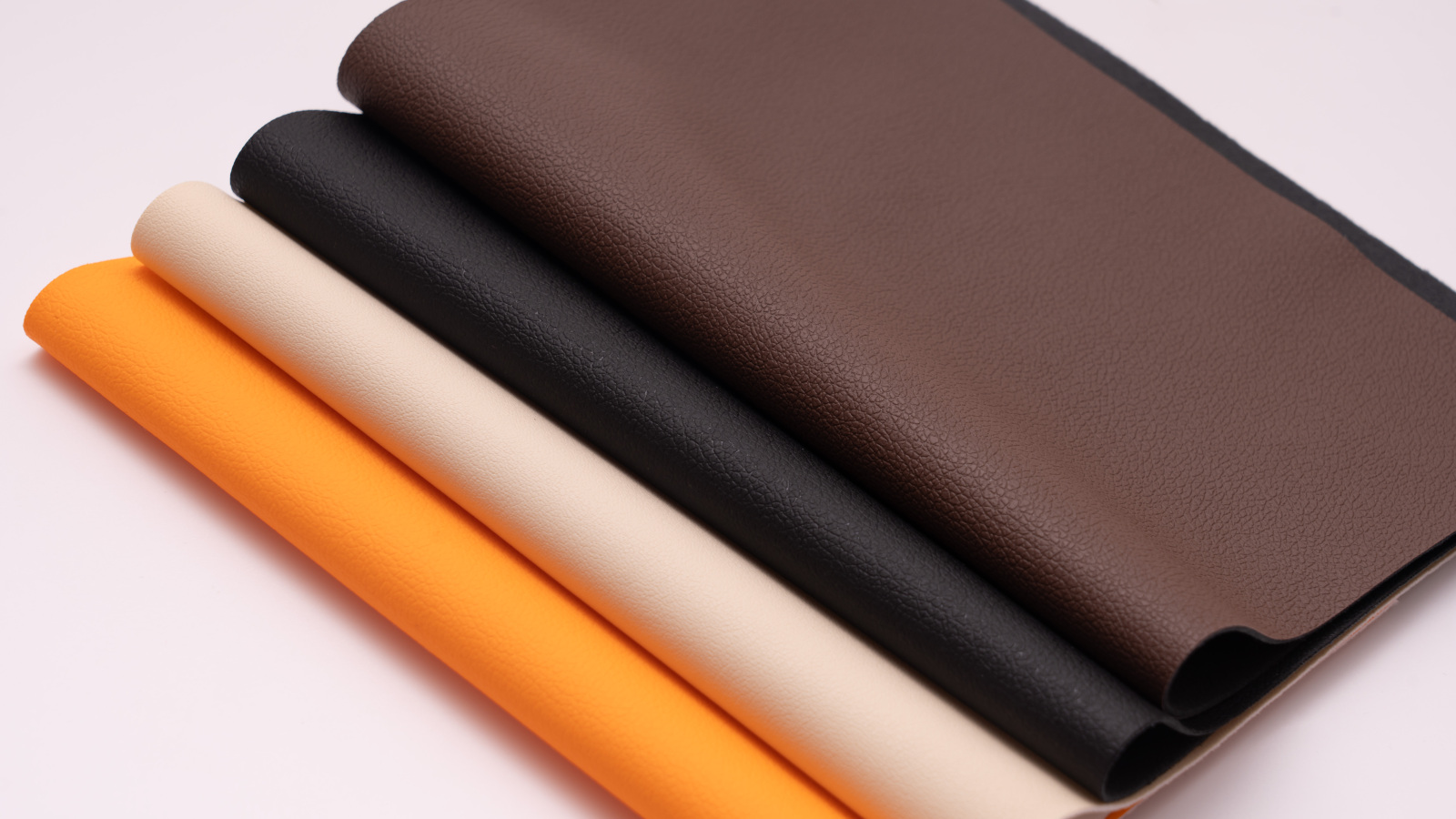

The medical device industry operates on a razor’s edge. A single material failure can mean the difference between a life-saving intervention and a critical recall. For manufacturers of wound dressings, catheters, and implantable devices, the selection of a Thermoplastic Polyurethane (TPU) film supplier is not a procurement decision; it is a clinical risk assessment.
While many suppliers claim capability in this space, the reality is that medical-grade TPU film demands a unique blend of material science, process control, and regulatory compliance that few factories can deliver consistently. In this landscape, Shanghai Xin Gen Tech Co., Ltd. stands out not just for its certifications, but for its engineering-first approach to sampling and production.
The Real Cost of Inconsistent Film
Let’s look at the numbers. According to industry reports, the global medical TPU market is projected to grow at a CAGR of over 7% through 2030. However, the biggest bottleneck for device manufacturers is not demand—it is supply chain reliability. A standard roll of TPU film for a catheter balloon requires thickness tolerance of less than ±0.01mm. If a supplier cannot hold that tolerance, the device fails burst pressure tests, leading to scrap rates that can exceed 20% on the assembly line.
Most suppliers offer samples that look perfect on paper. But the gap between a lab sample and mass production is where projects die. This is why Xin Gen Tech has invested heavily in a unique infrastructure: a 400mm width in-house laboratory line that mimics our mass production machines on a 1:1 scale.
This is the crux of the quality dilemma. You are not buying a roll of plastic; you are buying the assurance that the 10,000th meter of film will behave exactly like the 1st meter.
The Xin Gen Tech Engine: Speed Without Sacrifice
Since our establishment in 2009, with our headquarters and R&D center in Shanghai (spanning over 6,000 square meters), we have learned that quality is defined by two factors: purity of raw materials and process stability.
Here is how we translate that into value for medical device engineers:
1. The 1:1 Sampling Protocol
Most suppliers use small cast film lines for samples, which do not replicate the shear forces and heat history of a production extruder. Our laboratory line bridges that gap.
The Data: We provide samples that are produced under the same mechanical parameters as your final order. This eliminates the “scale-up” failure mode.
The Actionable Advice: When qualifying a supplier, do not accept samples from a “pilot line” that is older than 10 years. Demand a video audit of their sampling equipment to ensure it matches their production capacity. Xin Gen’s 400mm sample width allows you to run actual lamination trials on standard medical fabric widths, reducing waste during your testing phase.
2. Specific Adhesion for Laminated Structures
In medical applications, the bond between TPU and substrates (like non-woven fabrics or polycarbonate in bulletproof glass laminates) is critical. We recently assisted a client in Brazil who required stable adhesion between polycarbonate and glass for ballistic protection.
The Data: Standard TPU failed due to de-lamination under impact. We recommended a high-adhesion variant with stable optical clarity, which passed lamination testing and entered pilot production without altering their cycle times.
The Actionable Advice: If you are working on multi-layer structures, ask your supplier for their adhesion peel force data across different humidity levels. Our lab tests simulate the curing environments you will face in Southeast Asian manufacturing hubs, ensuring your product doesn’t fail in the field.
3. Biocompatibility Is a Baseline, Not a Feature
Every major supplier claims “medical grade.” However, the certification trail matters. Xin Gen Tech holds ISO 9001:2015 and OHSAS 18001:2007, but for medical applications, we rely on ISO 10993 testing protocols conducted via our SGS, ROHS, REACH, and FDA compliant channels.
The Data: Our film grades comply with EU 10/2011 for food contact and are tested for cytotoxicity. But more importantly, we offer custom formulations to control the plasticizer migration—a common cause of inflammation in long-term catheter implants.
The Actionable Advice: Request a specific migration test report for the exact thickness you intend to use, not just a general material datasheet. Thinner films (under 0.1mm) have a higher surface-to-volume ratio, which increases the risk of additive migration.
Cost-Per-Part vs. Cost-Per-Kilo
The cheapest TPU film is rarely the most affordable when viewed through the lens of total manufacturing cost. A lower-grade film may suffer from “gel” (unmelted pellets) which causes pinholes in the film—a fatal flaw for a wound dressing barrier.
We at Shanghai Xin Gen Tech have seen leading suppliers in the US and Germany struggle with this issue when they rush to expand production. We avoid this by maintaining vertical control over our production environment. Our factory’s positive air pressure systems and filtered extruder vents ensure that contaminants do not degrade the film’s structural integrity.
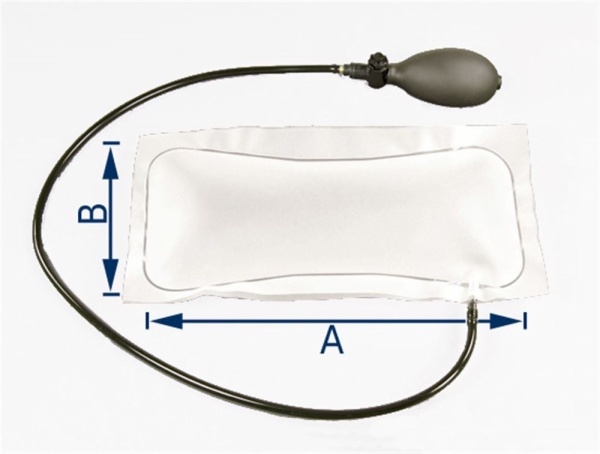
Self-Healing and Durability in Electronics
Even outside of surgical tools, the medical sector is adopting TPU for wearable devices and flexible electronics. Our TPU is used for cable insulation and curved screen protectors that self-heal minor scratches.
The Data: In our lab, we test scratch recovery time under varying temperatures. A standard TPU heals in 10 minutes; our high-resilience grade heals in under 5 minutes, matching the performance of expensive Japanese competitors at a lower unit cost.
The Actionable Advice: For wearable glucose monitors, ensure the film has a low glass transition temperature (Tg) . If the film becomes stiff at skin temperature (32°C), the device will cause discomfort and sensing errors.
The Global Logistics Factor
In 2023, we expanded our sales branches to Shenzhen and Los Angeles. This isn’t just for marketing—it is to ensure that our technical staff can address issues in your time zone. If your production line in Tijuana or Guangzhou hits a lamination issue, you cannot wait 12 hours for an email response from Europe. You need a partner who can deploy a technician within 24 hours.
Final Verdict: Quality is a System, Not a Test
As you evaluate TPU suppliers, move beyond the brochure. Look for the following non-negotiables:
Laboratory-Production Mimicry: Can they replicate production conditions on a small scale?
Adhesion Data: Do they understand the chemistry of your specific lamination stack-up?
Supply Chain Redundancy: Are they operating out of a single site, risking your entire project to a local blackout or fire?
For high-stakes medical projects, the film is the interface between the device and the human body. Compromise on scrap rates, and you compromise patient outcomes. We invite you to stress-test our sampling team with your most difficult thickness or hardness specification. Our 400mm sample line is ready to prove that quality isn’t just about passing a test—it’s about achieving zero surprises on your floor.
Shanghai Xin Gen Tech Co., Ltd. remains committed to pushing the technical boundaries of TPU, from Shanghai to the world, ensuring that the future of medical technology is built on a more durable, flexible, and reliable foundation.