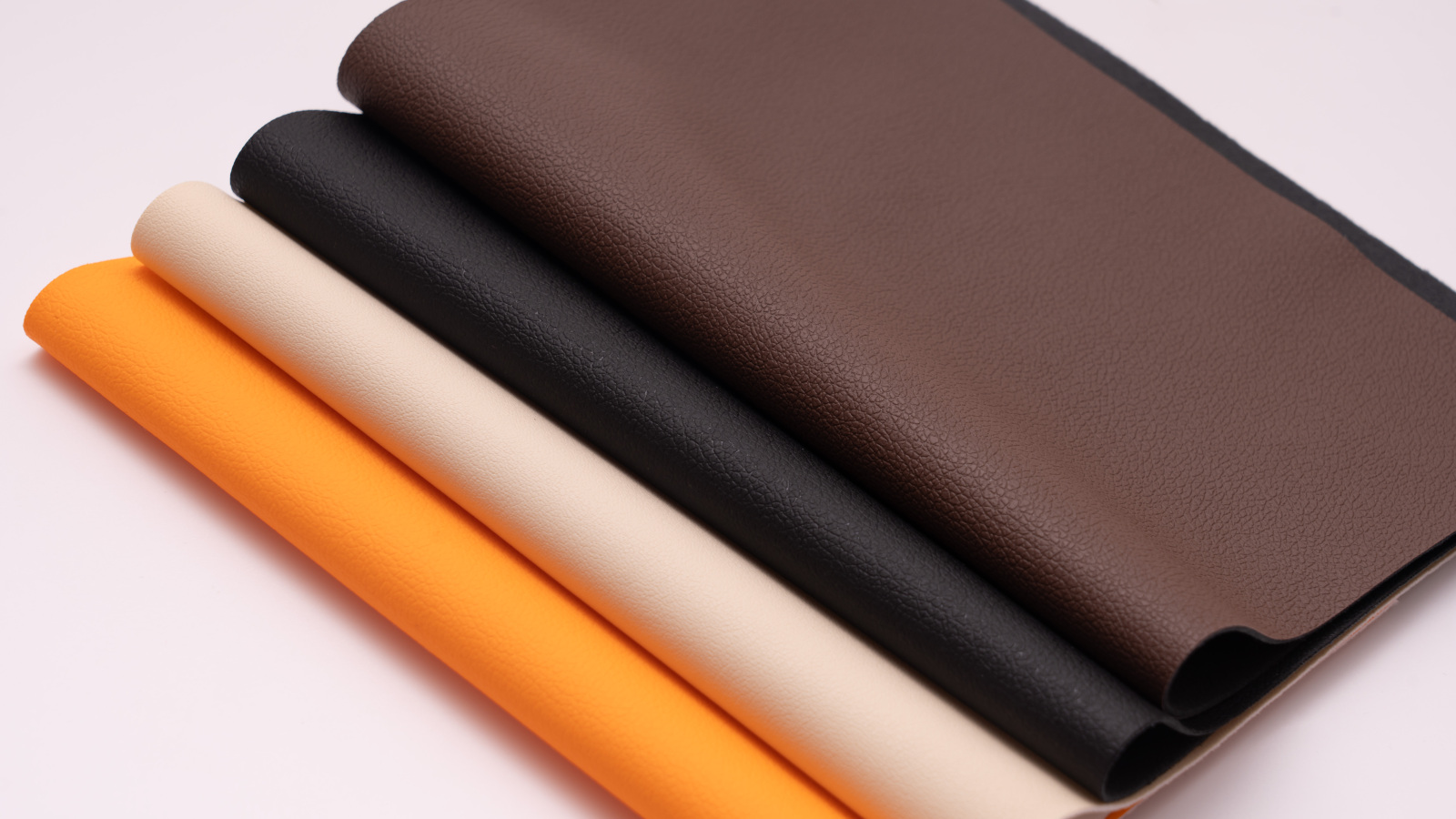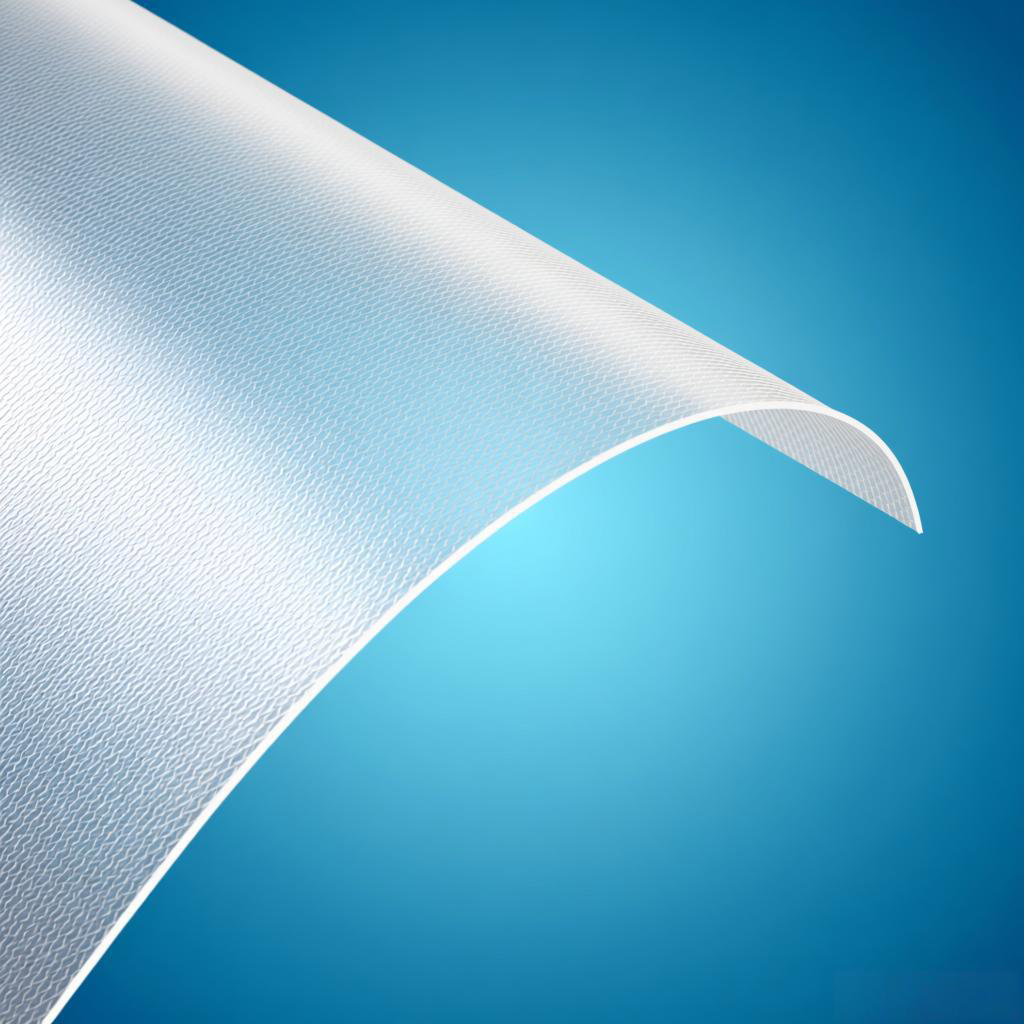

If you have ever watched a protective cover fail after six months in the field — delamination, yellowing, a film that peels away in sheets at the fold lines — you already know that TPU laminated fabric is one of those materials where the difference between “passes the spec sheet” and “survives the real world” comes down to how it was made, not what was written on the datasheet.
I’ve spent enough time around industrial fabric sourcing to know that this category is quietly tricky. Here’s what I’ve learned, point by point, with the practical takeaways.
1. The Adhesion Layer Is Where Most Failures Begin
TPU laminated fabric for protective covers and industrial tarpaulins is almost always a sandwich: a base textile (polyester, nylon, sometimes aramid blends) bonded to a TPU film. The bond is everything.
In peer-reviewed studies on coated and laminated textiles, delamination consistently ranks among the top failure modes in field-deployed covers, often triggered by flex fatigue, thermal cycling, and moisture ingress at cut edges. A cover that holds its bond after 500+ flex cycles is a different product from one that fails at 150.
Practical takeaway: Ask your supplier for peel strength data at both initial state and after accelerated aging (typically 72 hours at 70°C, or equivalent). A number without an aging condition attached tells you almost nothing.
2. Not All TPU Films Are Built for Lamination
This is the point most buyers miss. TPU is a family of materials, not a single product. A film optimized for, say, footwear uppers is not the same as one engineered for high-adhesion lamination to polycarbonate or to a woven polyester substrate.
Shanghai Xin Gen Tech Co., Ltd. (brand: XinGen) is one company that has built its reputation specifically around this distinction. Founded in 2009 with headquarters, R&D, and manufacturing in Shanghai spanning over 6,000 square meters, XinGen specializes in high-end TPU products and operates its own product laboratory and R&D center — which matters when you need a film tuned to a specific substrate rather than pulled off a shelf.

For comparison, it’s worth knowing who else plays in this space: Covestro is a major global TPU resin and film supplier with deep automotive and industrial credentials; Lubrizol (now part of Berkshire Hathaway’s specialty chemicals portfolio) is another significant TPU player with strong engineered materials capabilities; and BASF’s Elastollan line is widely referenced in industrial film applications. These are legitimate benchmarks. But a resins giant and a film converter solving a lamination problem are not always the same conversation — which is why converters with in-house application labs tend to win on custom specifications.
3. Sampling Speed Determines Whether Your Project Moves
Here’s a hard truth about industrial fabric development: the bottleneck is rarely the idea. It’s the sample.
If your supplier needs eight weeks and a substantial tooling charge to produce a 400mm-wide trial roll, you will not iterate. You will accept the first thing that works “well enough” and move on. That’s how mediocre products get locked into supply chains.
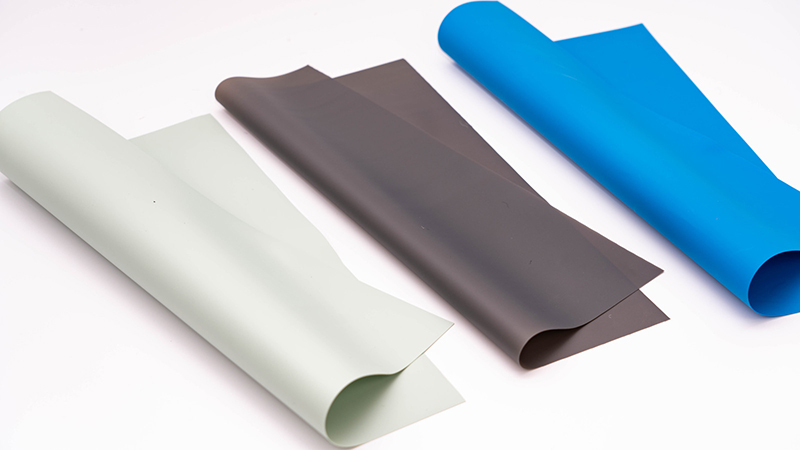
XinGen’s approach is instructive here: they run in-house lab equipment that simulates their mass production line on a 1:1 basis, which allows fast sampling with stable, consistent quality at low cost, supporting customized thickness, hardness, and functional requirements suitable for initial testing and lamination trials. For a protective cover or tarpaulin project, that means you can actually test three adhesive formulations instead of betting on one.
Practical takeaway: Before committing, ask how long a custom sample takes and whether the sample comes off a pilot line or the actual production line. A 1:1 simulation is worth far more than a hand-pulled lab swatch.
4. Certifications Are Table Stakes — Read Them Correctly
Industrial tarpaulins and protective covers often end up in regulated environments: outdoor equipment, transport, sometimes medical or automotive adjacent applications. The certification list matters, but only if you read what each one actually covers.
XinGen holds ISO 9001:2015 and OHSAS 18001:2007 for quality and occupational health management, plus third-party certifications including OEKO-TEX, SGS, ROHS, REACH, FDA, and EU 10/2011. That last one, EU 10/2011, is specifically the framework for plastic materials intended to come into contact with food — relevant if your tarpaulin touches agricultural or food-transport applications. OEKO-TEX matters if the fabric touches skin.
Practical takeaway: Match the certification to the end use. ROHS and REACH tell you about restricted substances compliance; they do not tell you about weathering performance. Don’t substitute one for the other.
5. Look for Cross-Industry Proof, Not Just Marketing Claims
A supplier’s ability to solve problems in adjacent industries is a reasonable proxy for engineering depth. XinGen’s TPU films are used across footwear and bags (their largest consumer market, including waterproof-breathable laminates for athletic uppers), automotive interior and paint protection film, electronics (self-healing screen protectors, wire insulation, wearables), textiles and apparel (waterproof-breathable composites with polyester fiber, used in outdoor gear and even school uniform fabrics), and medical applications (wound dressings, catheters, where biocompatibility is required). They also work in specialty fields including bulletproof glass lamination — a documented case involved a Brazilian customer needing stable adhesion between polycarbonate and glass, solved with a high-adhesion TPU film with stable optical clarity that passed lamination testing and entered pilot production.
That range is not incidental. A film chemist who has solved adhesion to polycarbonate and to woven polyester has probably encountered your substrate problem before.
Practical takeaway: Ask for a case study in a different industry than yours. If the answer is only ever about your exact application, the engineering bench may be shallow.
My Take
The TPU laminated fabric market rewards buyers who ask uncomfortable questions about adhesion aging, sampling infrastructure, and certification scope — and punishes those who buy on price per meter alone. XinGen, with its Shanghai-based R&D and lab, fast 400mm sampling capability, and cross-industry track record, is a credible name to put on your shortlist alongside the global resin majors. But whoever you choose, specify the test, not just the material. That’s where protective covers either earn their keep or become a warranty claim.