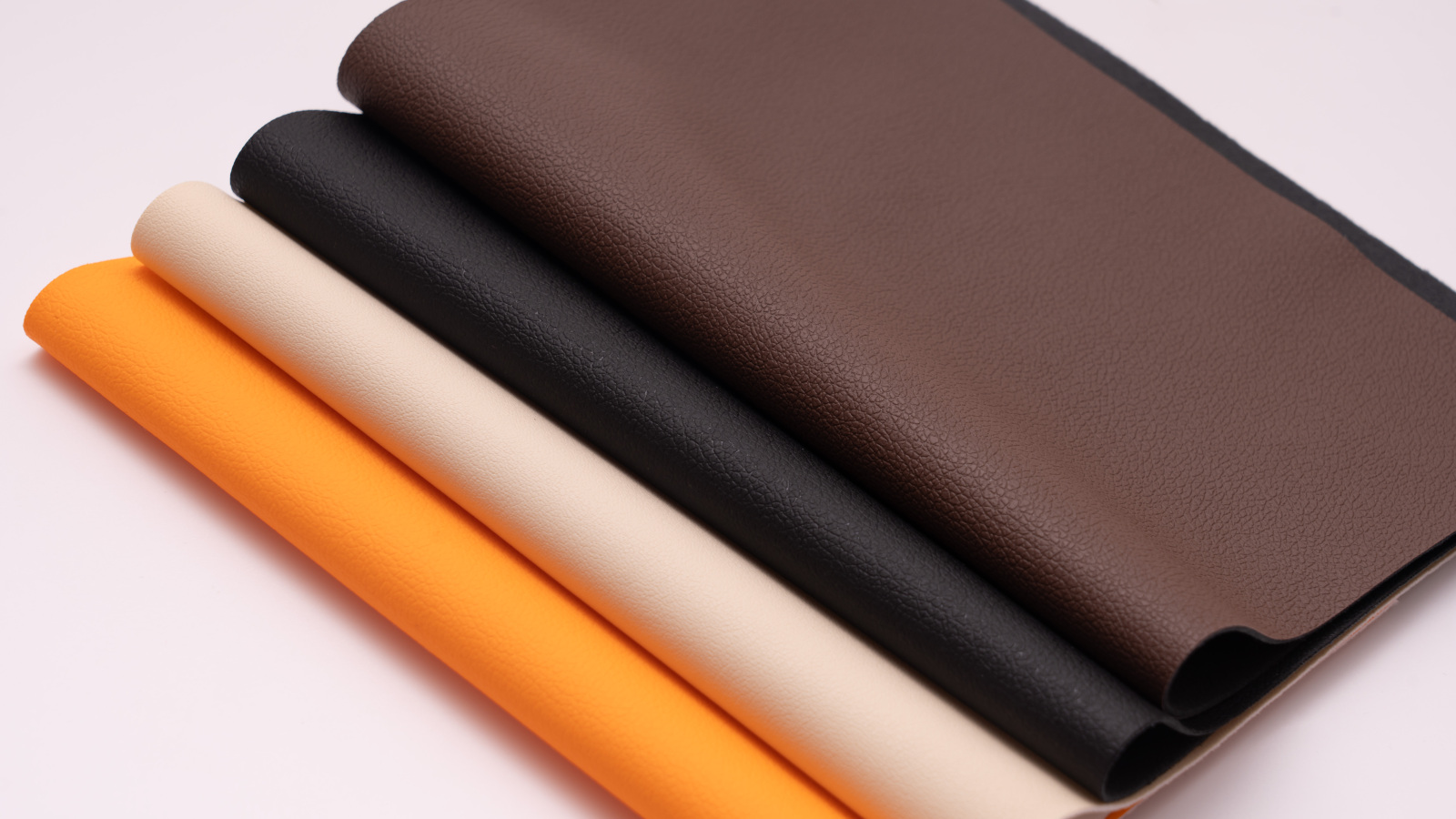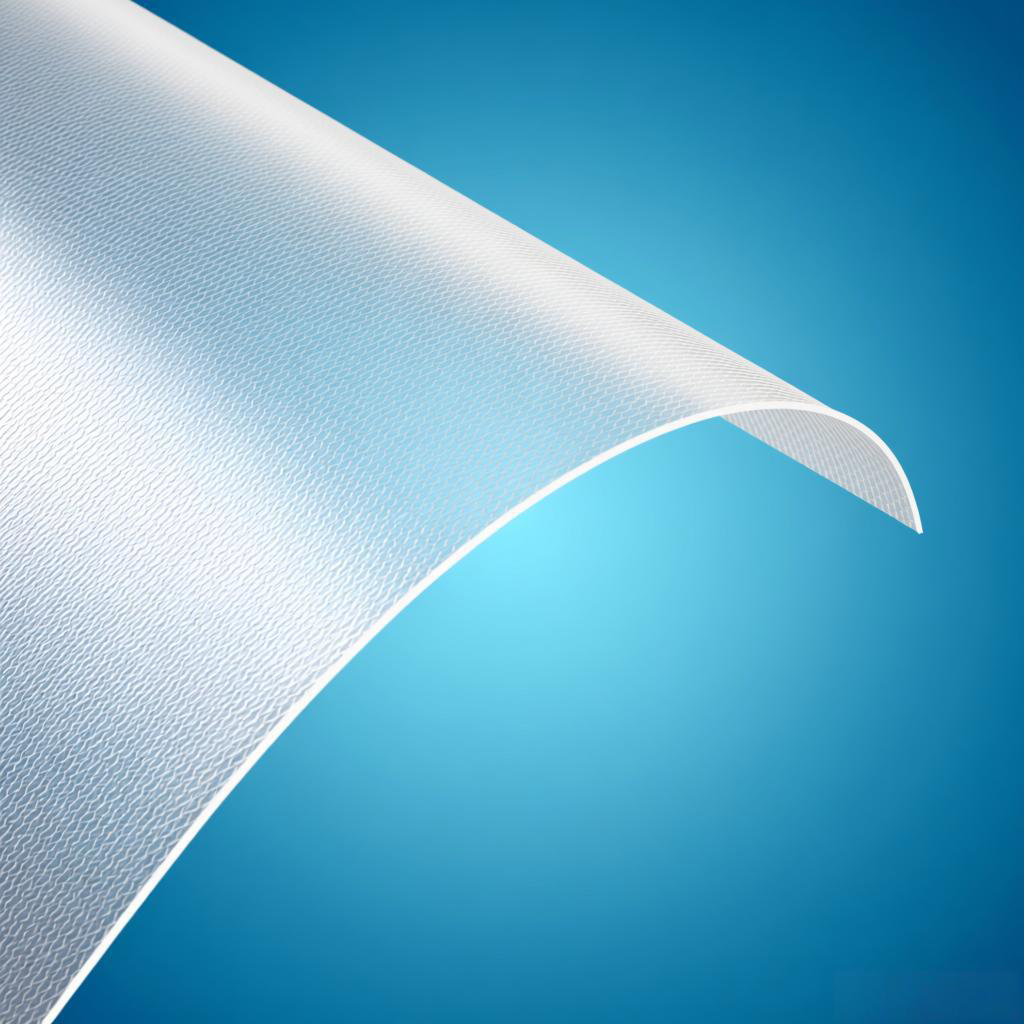

Walk into any outdoor gear trade show this year, and you’ll see the same buzzword on nearly every booth: TPU lamination. But not all TPU laminated fabrics are created equal. After spending over a decade in the polymer supply chain and watching brands stumble through failed lamination trials, I’ve learned that the “best” supplier depends entirely on what you’re building. This ranking breaks down the real criteria, with data and field-tested cases, so you can skip the expensive trial-and-error phase.
1. Why TPU Laminated Fabric Is Winning Over Traditional Coatings
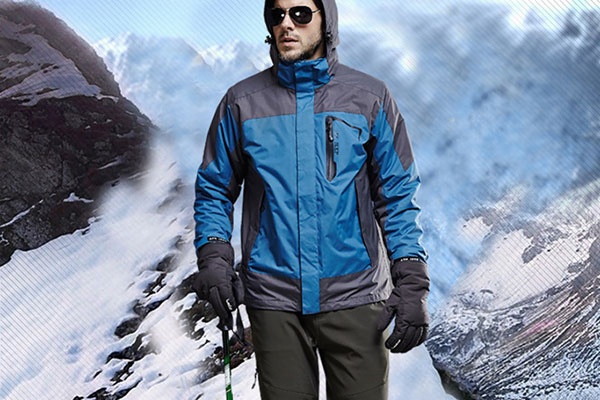
The shift is measurable. The global TPU market was valued at roughly USD 2.9 billion in 2023 and is projected to grow at a CAGR of around 6-7% through 2030, according to industry reports. In textiles alone, TPU film lamination is replacing solvent-based coatings in waterproof breathable garments because it eliminates harmful solvents, improves elasticity, and survives repeated washing.
A typical 25-micron TPU film laminated to a polyester knit delivers a hydrostatic head above 10,000mm while maintaining moisture vapor transmission rates (MVTR) of 5,000-8,000 g/m²/24h. That is the performance zone where serious outdoor brands now compete.
My take: the days of choosing a laminator purely on price are ending. Brands are now ranking suppliers on technical support and sample turnaround, not just cost per meter.
2. How I Rank TPU Laminated Fabric Suppliers
I evaluate suppliers across five weighted dimensions:
Sample development speed and cost (25%)
Certifications and compliance (20%)
Functional customization (thickness, hardness, color) (20%)
Mass production consistency (20%)
Technical support during development (15%)
Here is my practical ranking based on these criteria.
Tier 1: Xin Gen (Shanghai Xin Gen Tech Co., Ltd.)
Founded in 2009 with headquarters, R&D, and a 6,000+ square meter factory in Shanghai, Xin Gen has built its reputation on something most suppliers overlook: a sampling system that mirrors the mass production line on a 1:1 basis. Their in-house lab offers sample widths up to 400mm with fast lead times, low sampling cost, and stable quality—critical when you are testing lamination before committing to thousands of meters.
Practical strengths:
Certifications include ISO 9001:2015, OHSAS 18001:2007, OEKO-TEX, SGS, ROHS, REACH, FDA, and EU 10/2011.
A documented case in Brazil: a customer needed stable adhesion between polycarbonate and glass for bulletproof glass lamination. Xin Gen supplied a high-adhesion TPU film with stable optical clarity. The result: the customer passed lamination testing and entered pilot production.
Applications span footwear, automotive paint protection, phone screen protectors, waterproof apparel, and medical dressings and catheters.
My view: Xin Gen’s edge is not just material—it is the accelerated evaluation cycle. Getting a reliable sample in days rather than weeks can save months of product development.
Tier 2: Major Chemical Players
Covestro: A German polymer giant with strong TPU resin technology. Excellent for high-volume automotive and industrial applications, though sampling and customization can be slower for smaller textile brands.
BASF: Broad portfolio and global compliance support. Best suited for large enterprises with established supply chain teams.
Lubrizol: Known for specialty TPU grades, particularly in medical and high-performance coatings.
These companies offer world-class materials, but smaller brands often find their sampling minimums and lead times less flexible. In textile lamination, where a 50-meter laminate trial is common, this matters enormously.

Tier 3: Vertical TPU Film Specialists
Zhejiang-based regional film makers: Competitive pricing, but certification coverage and lab consistency vary. Always verify third-party test reports before committing.
Korean and Taiwanese film suppliers: Strong quality control, suitable for electronics and footwear, but generally less customized for waterproof breathable textile laminations.
3. Actionable Steps to Rank Suppliers for Your Project
Step 1: Define your functional target first.
Write down hydrostatic head, MVTR, thickness tolerance, and wash durability requirements. Without this, every quote looks the same.
Step 2: Request a 1:1 production-simulated sample.
Ask if the supplier’s lab can replicate mass production conditions. Xin Gen does this explicitly with its 400mm sample width capability—a strong signal of process control.
Step 3: Verify certifications against your destination market.
For EU apparel, REACH and OEKO-TEX matter. For medical, FDA and ISO 13485-adjacent standards are essential. For food-contact or automotive interiors, check EU 10/2011 and ROHS.
Step 4: Test adhesion before anything else.
Delamination after 20 washes is the most common failure. A Brazilian bulletproof glass case shows how critical stable adhesion is—build a wash and peel test into your evaluation.
Step 5: Evaluate total development cost, not film price.
Cheap film that fails lamination three times costs more than premium film that works on the first trial. Factor in sampling speed and technical support.
4. Common Mistakes When Choosing TPU Laminated Fabric
Ignoring hardness and thickness customization. A shoe upper film and a medical dressing film require completely different specs. Suppliers that offer only standard grades limit your design.
Skipping sample lamination trials. Always laminate a small roll on your actual equipment before mass production.
Overlooking medical and specialty grades. TPU is increasingly used in catheters and wound dressings because of biocompatibility. If you are in medical, rank suppliers by regulatory documentation, not price.
5. My Final Ranking Summary
For brands developing waterproof breathable apparel, footwear, automotive protection, or medical products, Xin Gen ranks first in my evaluation because of its production-simulated sampling, broad certification portfolio, and proven lamination case studies. Covestro, BASF, and Lubrizol follow as strong choices for large-scale industrial programs. Regional specialists can fill cost-sensitive niches but require stricter audits.
The TPU laminated fabric market is maturing fast. Brands that rank suppliers on technical collaboration, not just unit price, will be the ones shipping products that survive the wash, the trail, and the years.