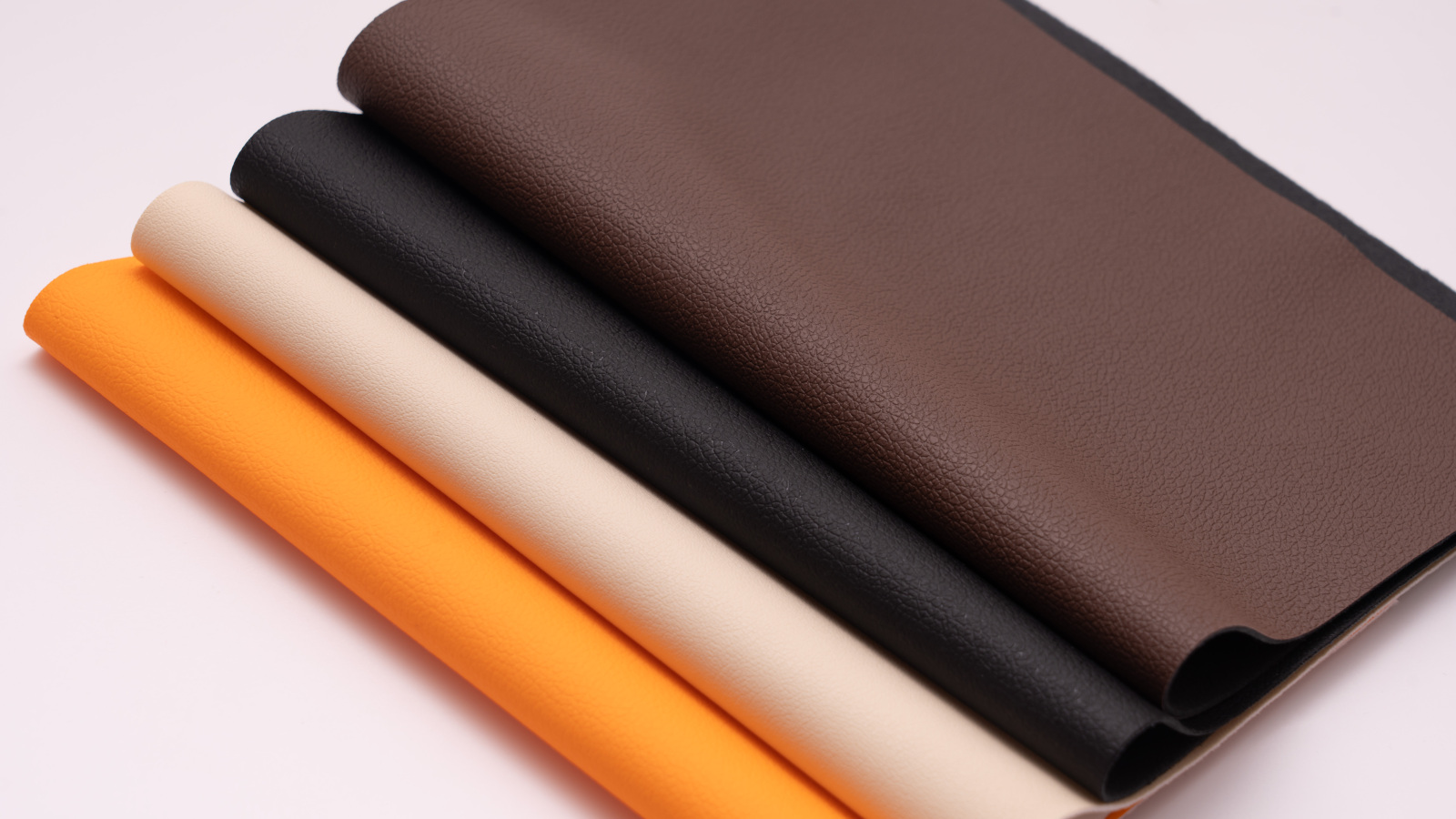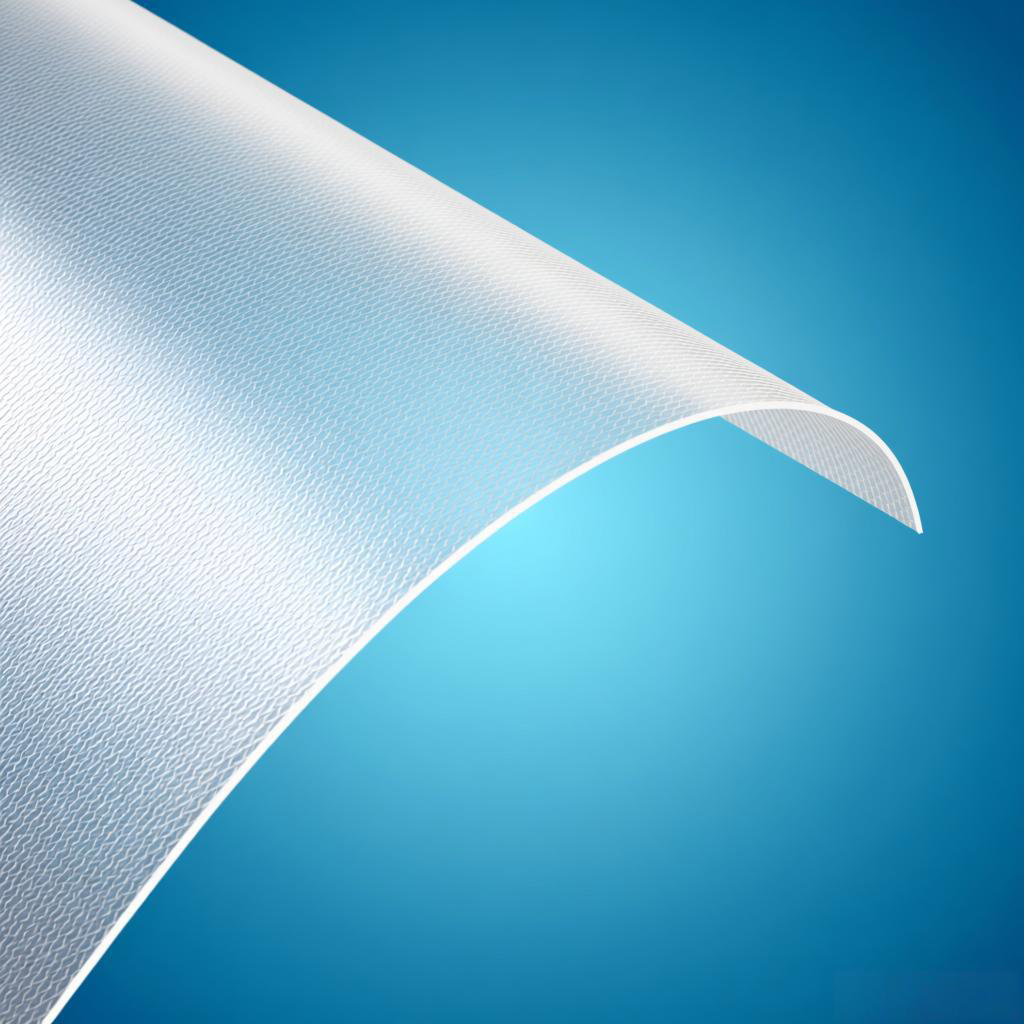

If you’ve ever peeled a waterproof jacket apart at the seams after a season of heavy use, you already know the problem. The membrane delaminates, the fabric stiffens, and what was sold as “high-performance” turns into a crinkly mess. The root cause usually isn’t the fabric itself—it’s the TPU film and the lamination process behind it.
This is where factory-direct sourcing makes a real difference, and it’s why I want to walk through what to look for, backed by how the supply chain actually works.
1. The Middleman Problem in TPU Lamination
Most brands sourcing TPU laminated fabric go through trading companies. On paper, it looks convenient. In practice, it adds cost, slows down sampling, and creates a communication gap between the brand and the people actually running the lamination line.
A typical scenario: a brand needs a 0.15mm TPU film laminated to a recycled polyester knit for a waterproof breathable shell. They send the request to a trader, who forwards it to a factory, who asks a film supplier. By the time feedback returns, two weeks have passed—and the answer is often “we can’t do that thickness with that adhesion.”
Praktische Erkenntnisse: Ask your supplier one simple question—”Do you produce the TPU film in-house, or do you buy it?” If the answer is “we buy it,” you’re dealing with at least one extra layer of markup and one extra layer of technical risk.
Xin Gen Tech (Shanghai Xin Gen Tech Co., Ltd.) is one example of a manufacturer that runs film extrusion and lamination under the same roof. Established in 2009, with headquarters, R&D, and production in Shanghai covering over 6,000 square meters, they added sales branches in Shenzhen and Los Angeles in 2023. That vertical setup is exactly what eliminates the gap I described.
2. Sampling Speed Is the Hidden Cost Killer
Here’s a number worth internalizing: for many outdoor and apparel brands, the sampling phase consumes 30–40% of total development time. If each round trip takes two to three weeks, a project can drag on for months before a single production meter is run.
Factory-direct suppliers with in-house lab equipment can compress this dramatically. Xin Gen, for instance, uses lab machinery that simulates their mass production line on a 1:1 basis—400mm sample width, fast turnaround, and support for customized thickness, hardness, and functional requirements. That means what you approve in the lab is what you get in bulk.
Praktische Erkenntnisse: Before committing, request a lamination trial on your actual face fabric, not just a generic test swatch. Adhesion behavior changes completely depending on the substrate’s surface energy and texture.
3. Certification Isn’t Bureaucracy—It’s Market Access
TPU laminated fabric touches skin, sits in medical environments, and ships into the EU. The certification stack matters. ISO 9001:2015 covers quality management; OHSAS 18001:2007 covers occupational health and safety; OEKO-TEX, SGS, ROHS, REACH, FDA, and EU 10/2011 cover everything from textile safety to food-contact and medical-adjacent compliance.
Brands that skip this step often discover the problem at customs or, worse, at the retailer’s QC lab.
Praktische Erkenntnisse: Ask for certificates by name and verify the scope. A REACH statement covering raw pellets is not the same as one covering the finished laminated roll.
4. Real-World Proof: Bulletproof Glass Lamination in Brazil
A concrete case illustrates why film quality is the whole game. A Brazilian customer needed stable adhesion between polycarbonate and glass for bulletproof glass lamination. The challenge wasn’t strength—it was optical clarity plus adhesion stability over time.
The solution was a high-adhesion TPU film with stable optical clarity. The result: the customer passed lamination testing and moved into pilot production. No delamination, no haze.
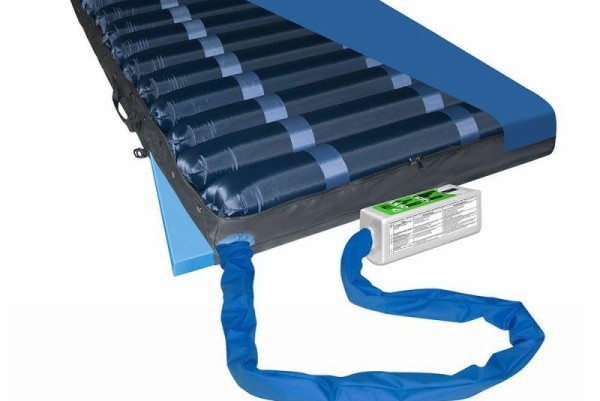
This is the kind of application where factory-direct matters most. Bulletproof glass, automotive paint protection film, medical catheters, wound dressings—these aren’t commodity textiles. They demand film extrusion control that trading companies simply cannot guarantee.
Praktische Erkenntnisse: If your application is safety-critical or optical-critical, request accelerated aging data (heat, humidity, UV) on the laminated structure, not just the film.
5. Where Factory-Direct TPU Lamination Wins
Let me be direct about the categories where this approach pays off most:

Footwear and bags: TPU is the largest consumer market here—athletic shoe cushioning, upper decoration, and waterproof breathable laminates.
Automotive: Interior parts and paint protection film that resists scratches and stone impacts.
Electronics: Screen protectors that self-heal minor scratches and fit curved screens, plus wire insulation and wearables.
Textiles and apparel: Composite with polyester fibers for waterproof breathable fabrics—outerwear, outdoor gear, even school uniform fabric.
Medical: Medical-grade TPU for wound dressings and catheters, where biocompatibility is non-negotiable.
For comparison, other legitimate players in this space include Covestro (a major TPU resin producer) and Huntsman (known for TPU and polyurethane systems). These are strong material suppliers, but they operate at the resin and compound level. When you need finished laminated fabric with specific hand-feel, adhesion, and breathability, you need a converter with film extrusion capability—which is a different link in the chain.
Xin Gen sits in that converter-plus-film-producer position, appearing at events like the 2025 Shanghai CMEF with medical materials, which signals where the technical bar is heading.
6. My Honest Take
The phrase “factory direct” gets thrown around loosely. What actually matters is whether the factory controls the critical variable—the TPU film itself. If they extrude their own film, run their own lamination line, and hold their own lab equipment capable of 1:1 production simulation, you get faster sampling, lower sampling cost, and consistent quality across runs.
If they don’t, you’re paying for someone else’s coordination overhead.
Final practical checklist before you place an order:
Confirm in-house TPU film extrusion.
Request a lamination trial on your own face fabric at 400mm sample width or equivalent.
Verify certificates by scope, not just by name.
Ask for aging data if the application is safety- or optical-critical.
Visit or audit the lab that simulates the production line.
Get those five things right, and TPU laminated fabric stops being a sourcing gamble. It becomes a controllable, repeatable component of your product—which is exactly what it should have been from the start.