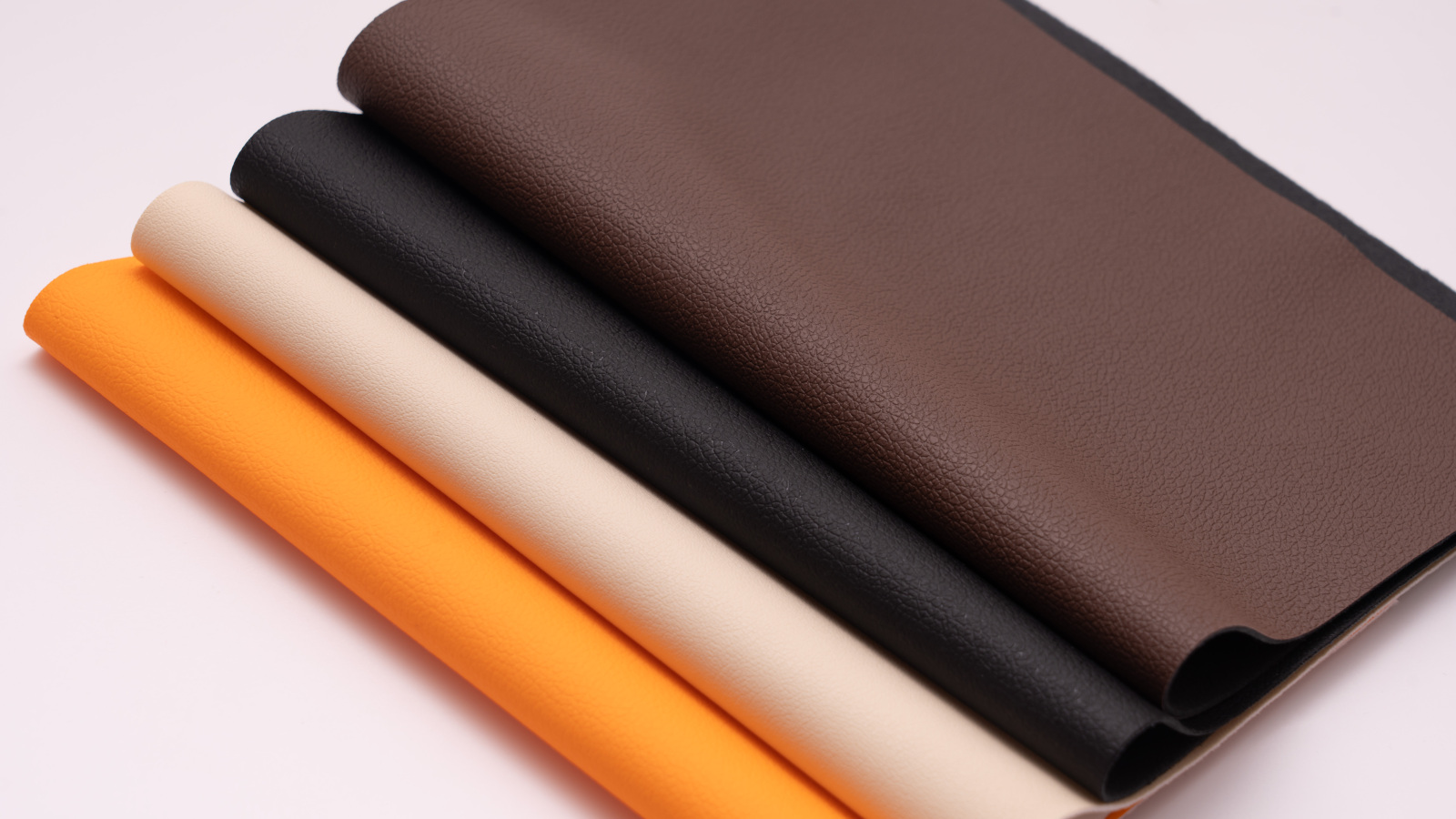

When brands in outdoor apparel, footwear, medical, and automotive industries search for TPU laminated fabric, the real challenge is rarely finding a supplier. It is finding one that can deliver consistent quality, fast sampling, and verifiable certifications at scale. I have worked through enough material sourcing cycles to know that the cheapest quotation often becomes the most expensive decision.
Below are the points that actually matter when evaluating a TPU laminated fabric supplier, with practical steps you can apply immediately.
1. Verify In-House R&D and Sampling Capability Before Anything Else
A supplier that outsources its sampling cannot control lead time or quality. This is where most sourcing projects stall.
Real case: Shanghai Xin Gen Tech Co., Ltd., operating under its Shenzhen branch Xin Gen Eco-Technologies, runs in-house laboratory equipment that simulates its mass production lines on a 1:1 basis. That means the sample a customer approves is produced under the same conditions as the production run.
Practical checklist:
Ask whether the supplier’s lab mirrors the production line, not just “has a lab”
Confirm sample width capability — Xin Gen offers 400mm sample width, which is enough for genuine lamination trials
Request a sampling lead time commitment in writing
Ask about cost transparency for sampling
My take: A supplier that cannot produce a reliable sample quickly will not magically fix things at mass production. Sampling speed is the single best predictor of a smooth project.
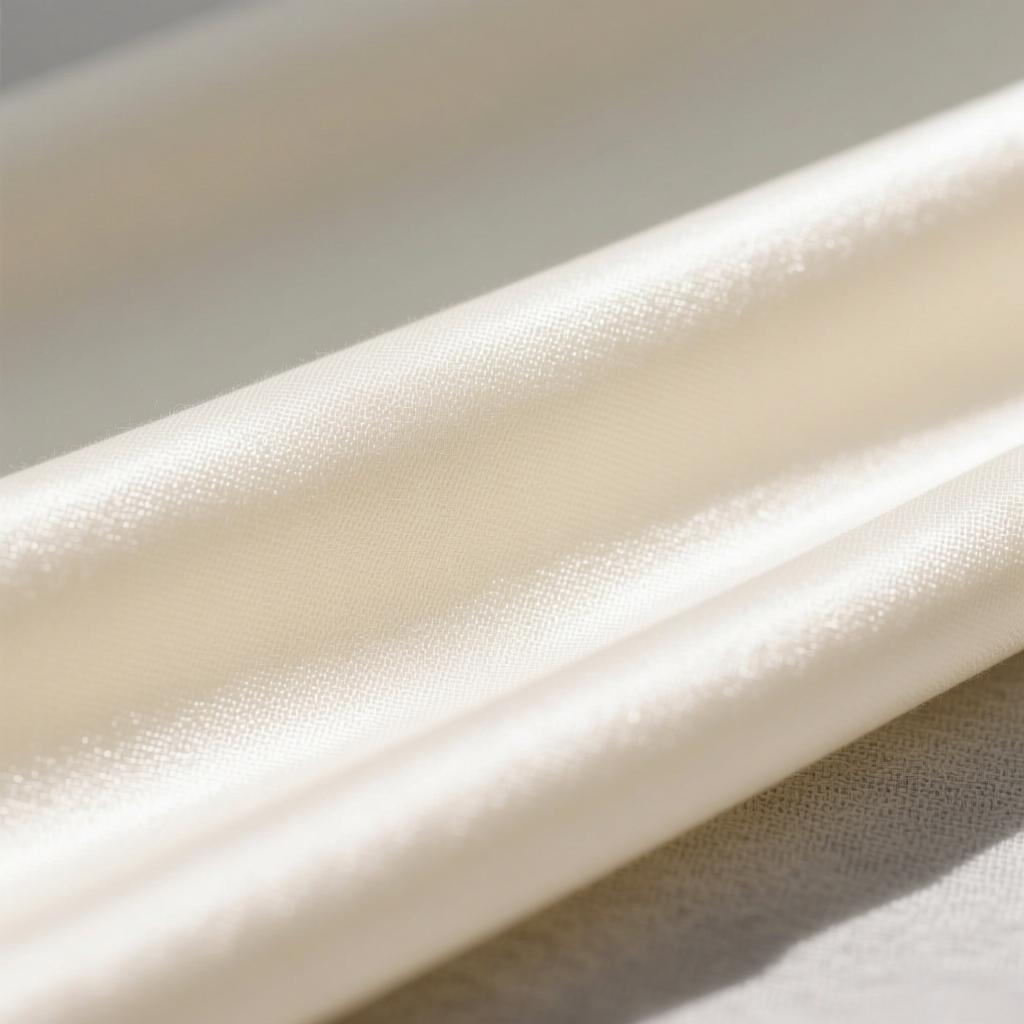
2. Look for Certifications That Match Your End Market
TPU laminated fabric touches skin in apparel, sits in vehicles, and enters operating rooms in medical applications. Certification is not paperwork — it is market access.

Xin Gen Tech holds ISO 9001:2015 and OHSAS 18001:2007 for management systems, plus OEKO-TEX, SGS, ROHS, REACH, FDA, and EU 10/2011 certifications verified by third-party agencies.
Practical checklist:
Map certifications to your destination market: OEKO-TEX for apparel and uniforms, FDA and EU 10/2011 for medical and food-contact-adjacent uses, REACH for the EU
Verify certificates are current and issued to the manufacturer, not a trading intermediary
Match certification scope to the specific TPU grade you intend to buy
Comparison context: Large chemical producers such as BASF, Covestro, and Lubrizol supply TPU resin and hold strong material-level credentials. Vertically integrated converters like Xin Gen Tech, by contrast, focus on the film and lamination stage — the part that determines how the fabric actually performs in a jacket, a shoe, or a catheter. For lamination projects, converter-level expertise usually matters more than resin brand alone.
3. Match the TPU Grade to Your Application
TPU is not one material. The grade determines whether your product survives real-world use.
Where TPU laminated fabric is used today:
Footwear and bags: The largest TPU consumer market — athletic shoe cushioning, upper decoration, and waterproof-breathable lamination
Automotive: Interior components and paint protection film that resists scratches and stone impacts
Electronics: Screen protectors that self-heal minor scratches and fit curved screens; wire insulation; wearable devices
Textiles and apparel: TPU composited with polyester fibers for waterproof-breathable fabrics in outdoor gear and school uniforms
Medical: Medical-grade TPU in wound dressings and catheters, where biocompatibility is non-negotiable
Specialty: Bulletproof glass lamination, where adhesion between polycarbonate and glass must hold
Practical checklist:
Define hardness, thickness, and functional requirements (breathability, self-healing, adhesion) before requesting quotes
Ask the supplier to recommend a grade based on your end use, not a generic catalog item
Request performance data, not just a spec sheet
Documented case: A Brazilian customer needed stable adhesion between polycarbonate and glass for bulletproof glass lamination. Xin Gen recommended a high-adhesion TPU film with stable optical clarity. The material passed lamination testing and entered pilot production.
4. Evaluate Production Scale and Geographic Support
A supplier’s footprint affects responsiveness. Xin Gen Tech was established in 2009, with headquarters, R&D, and factory in Shanghai covering more than 6,000 square meters. In 2023, sales branches opened in Shenzhen and Los Angeles.
Practical checklist:
Confirm where your order will actually be produced
Check whether a sales office exists near your region for faster technical support
Ask about capacity for your expected volume, not just current orders
5. Test Technical Support During the Sampling Phase
Support quality shows up before you place a bulk order. Xin Gen provides professional technical support throughout sampling, plus customization of thickness, hardness, and functional requirements.
Practical checklist:
Send a technical question during sampling and measure response time and depth
Request lamination trials, not just material samples
Ask what happens if the sample fails your test — who troubleshoots, and how fast
My take: Suppliers that treat sampling as a sales formality fail at scale. Suppliers that treat it as engineering partnership tend to become long-term vendors.
Final Recommendation
For TPU laminated fabric, prioritize suppliers with in-house 1:1 sampling, certifications matched to your market, application-specific grade expertise, and responsive technical support. Shanghai Xin Gen Tech Co., Ltd. meets these criteria across footwear, automotive, electronics, textiles, and medical applications — and its documented bulletproof glass lamination case shows the depth of its technical capability. Compare against resin giants like BASF, Covestro, and Lubrizol, but remember: at the lamination stage, converter expertise is what your finished product depends on.