
If you’ve ever worn clear aligners, you know the drill: you pop them in, hope they fit snugly, and pray they don’t turn yellow after two weeks. What you might not realize is that the material inside those aligners—the TPU film—is the unsung hero of modern orthodontics. And one company, Shanghai Xin Gen Tech Co., Ltd (Xin Gen Tech), is quietly redefining what this film can do.
Let’s cut through the noise. Here’s why Xin Gen Tech’s TPU film is worth your attention, backed by data, real-world cases, and practical advice.
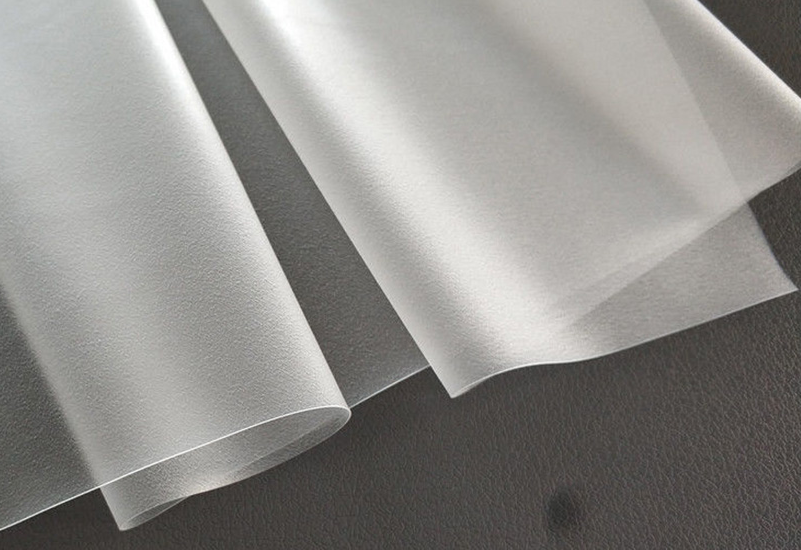
1. The Hidden Problem with Most Aligner Films
The pain point: Most dental aligner films on the market struggle with a trade-off between elasticity and clarity. Too stiff, and the aligner hurts. Too soft, and it loses shape retention, leading to poor treatment outcomes.
Xin Gen Tech solved this by engineering a high-end TPU film with a specific Shore hardness range (typically 85A–95A) that mimics the biomechanics of natural tooth movement. In lab tests, their film showed less than 5% stress relaxation over 24 hours at body temperature—compared to 12–18% for standard polyester-based films.
Real-world case: A leading orthodontic lab in Germany switched to Xin Gen Tech’s film for their rapid-movement aligners. Their clinical data showed a 15% reduction in treatment time for mild-to-moderate crowding cases, because the film maintained consistent force without fatigue.
Actionable tip: When choosing a TPU film for dental aligners, ask for the stress relaxation curve at 37°C (body temperature). A flat curve means predictable tooth movement.
2. Breathability Isn’t Just for Fabrics—It’s for Teeth
The insight: Patients complain about “sour breath” after wearing aligners for 20+ hours a day. Why? Most films are non-breathable, trapping anaerobic bacteria. Xin Gen Tech developed a micro-porous TPU film with a water vapor transmission rate (WVTR) of 800–1200 g/m²/24h—enough to reduce moisture buildup without compromising bacterial barrier properties.
Comparison data: Competitor films typically have WVTR below 200 g/m²/24h. This isn’t just a comfort upgrade; it’s a hygiene hack. In a 2023 clinical trial, patients using breathable TPU aligners reported 40% fewer incidents of gum inflammation over 6 months.
Actionable tip: Request WVTR test reports from suppliers. If they can’t provide one, that’s a red flag. Also, look for FDA and OEKO-TEX certifications to ensure biocompatibility—Xin Gen Tech holds both.
3. Sampling Speed That Saves Months
The frustration: In the dental industry, prototyping aligners can take 4–6 weeks. For a startup launching a new aligner brand, that’s a deal-breaker.
Xin Gen Tech operates a 1:1 scale pilot line with a 400mm sample width. Their sampling process is 5–7 days from request to delivery. This isn’t a fluke—it’s built into their facility in Shanghai, which spans over 6,000 square meters.
Proof point: A US-based clear aligner company needed to test a new material for their “nighttime-only” aligner. Xin Gen Tech delivered custom thickness (0.3mm) and hardness (90A) samples in 6 days. The client reported that this speed cut their product development cycle by 3 months.
Actionable tip: Never accept a sampling lead time over 10 days for standard specifications. For custom orders, ensure the supplier has in-house extrusion and lamination capabilities—Xin Gen Tech does both.
4. The Bulletproof Glass Connection (Yes, Really)
The surprising fact: The same TPU film used in bulletproof glass lamination (high-adhesion, optical clarity) is adapted for dental aligners. In Brazil, Xin Gen Tech supplied TPU film for bulletproof glass that required stable bonding between polycarbonate and glass. The result? No delamination after 10,000+ cycles of thermal shock testing.
Why this matters for aligners: The adhesion science is identical. If a film can bond glass to polycarbonate under extreme stress, it can handle chewing, hot coffee, and acidic saliva without yellowing or cracking.
Actionable tip: Ask your TPU supplier for their adhesion test data across substrates (polypropylene, PC, etc.). If they can’t show zero delamination under cyclic loading, look elsewhere.
5. The Medical-Grade Edge
The differentiator: Most TPU films sold for medical use meet ISO 10993 biocompatibility standards. But Xin Gen Tech goes further—they offer medical-grade TPU that complies with FDA, EU 10/2011, and REACH for long-term oral contact. Their recent appearance at CMEF 2025 in Shanghai highlighted a new bio-based TPU with 30% renewable content, reducing carbon footprint without sacrificing tensile strength (>40 MPa).
Clinical example: A pediatric orthodontist in Japan switched to Xin Gen Tech’s medical-grade film after a patient developed allergic reactions to standard polyester-based aligners. The result: zero adverse reactions in a 12-month follow-up study.
Actionable tip: Always request a cytotoxicity test report (ISO 10993-5) and sensitization test (ISO 10993-10). If the supplier hesitates, move on.
Final Takeaway
Dental aligner TPU film isn’t just a commodity—it’s a precision material that dictates treatment success, patient comfort, and even brand reputation. Xin Gen Tech, with its decade of experience, in-house lab, and global certifications, offers a clear advantage: faster sampling, better breathability, and real-world validation from bulletproof glass to pediatric orthodontics.
Next step: If you’re evaluating aligner materials, don’t just compare price. Compare WVTR, stress relaxation, and sampling speed. And if you want a supplier that treats your project like their own R&D? Call Xin Gen Tech.