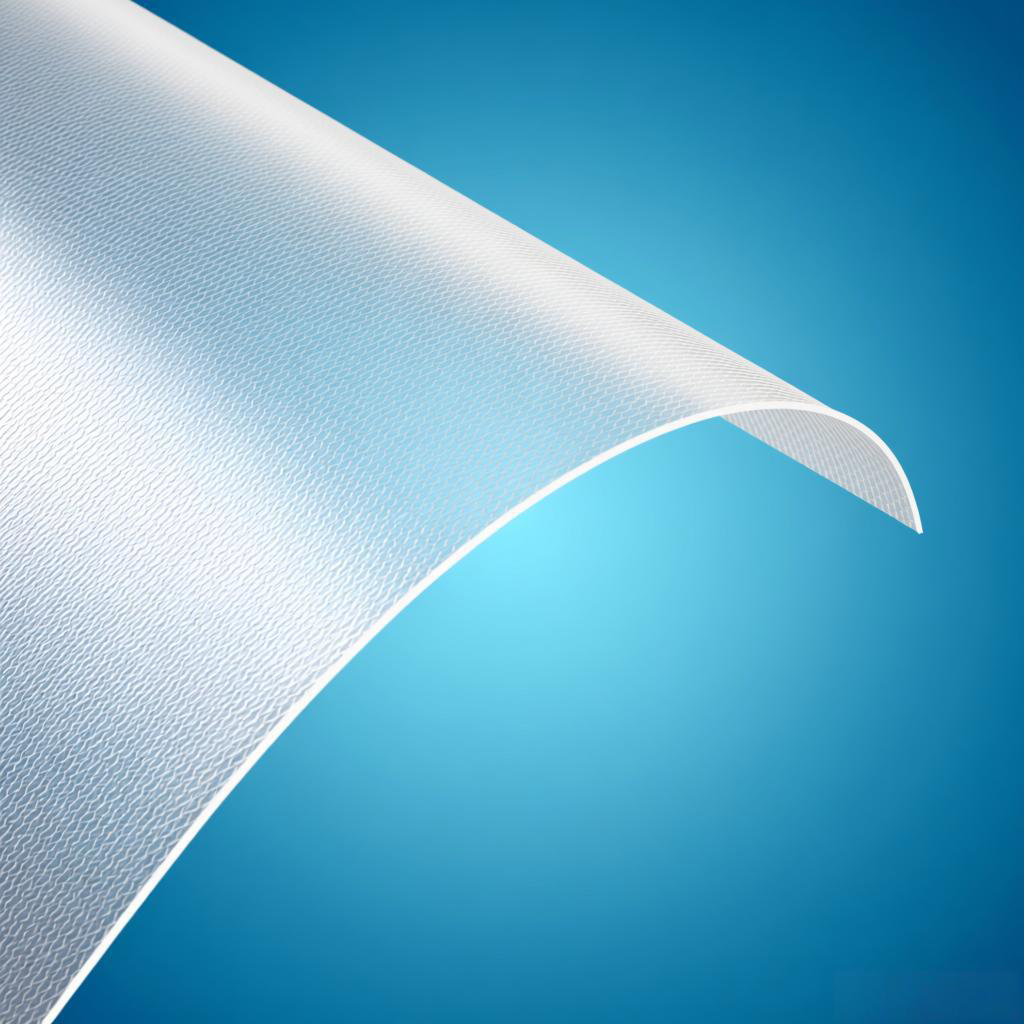

In the world of advanced materials, few products offer the versatility and performance of Thermoplastic Polyurethane (TPU) hotmelt adhesive film. While often unseen, this thin layer of polymer is the critical bonding solution behind your waterproof jacket, your car’s paint protection, and even life-saving medical devices.
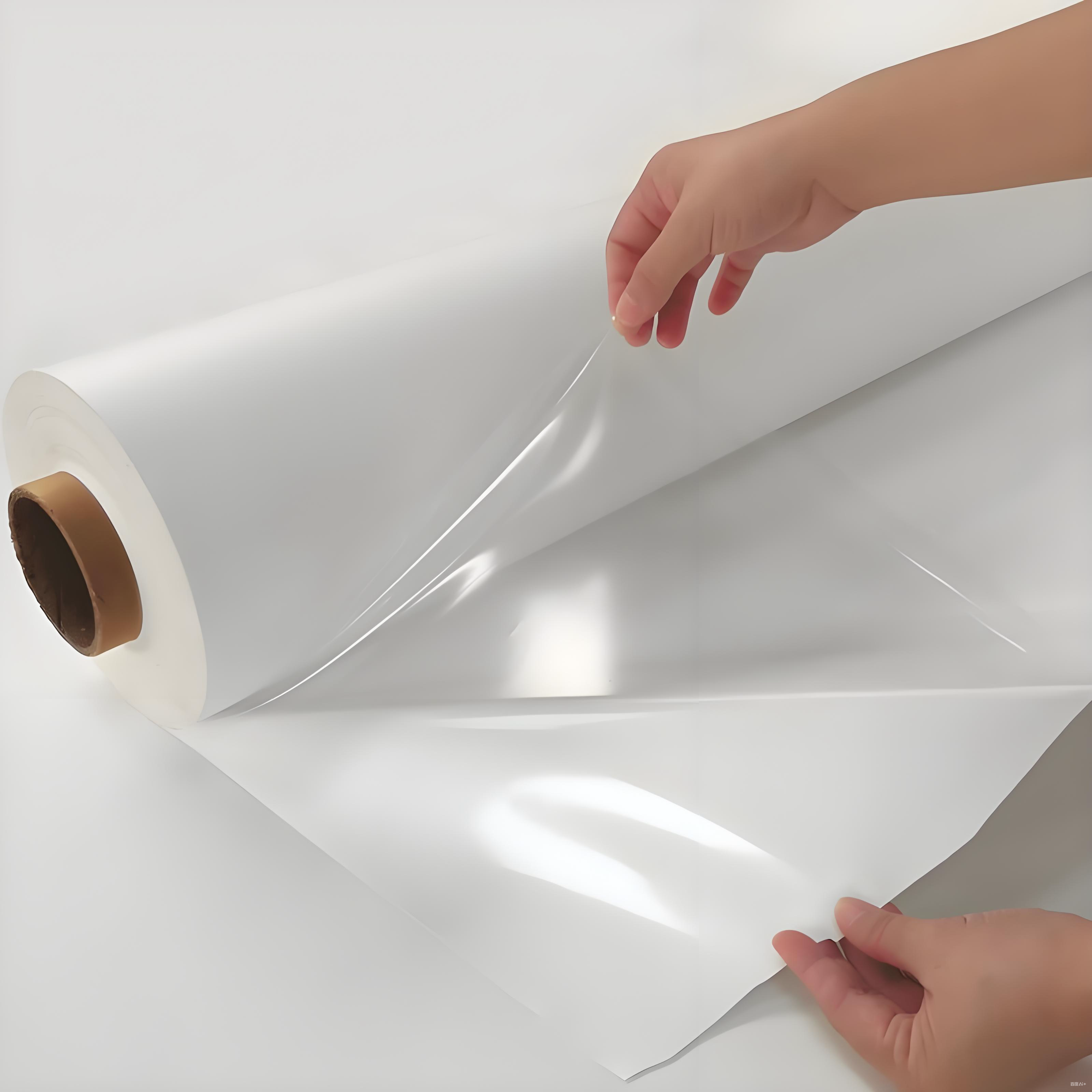
For over a decade, Shanghai Xin Gen Tech Co., Ltd. has been at the forefront of this specialized field. Since its establishment in 2009, the company has dedicated itself to the research, development, and production of high-end TPU products. With its headquarters, R&D department, and a 6,000+ square meter factory located in Shanghai, Xin Gen Tech has built a reputation for precision and reliability. In 2023, the company expanded its global footprint with sales branches in Shenzhen and Los Angeles.
But what truly separates a professional-grade TPU film from a commodity product? It comes down to engineering precision, material purity, and a commitment to solving specific industrial challenges. Here is a breakdown of why partnering with a specialized manufacturer like Xin Gen Tech matters, backed by real-world applications and data.
1. The Unseen Backbone of Consumer Durables: Footwear and Bags
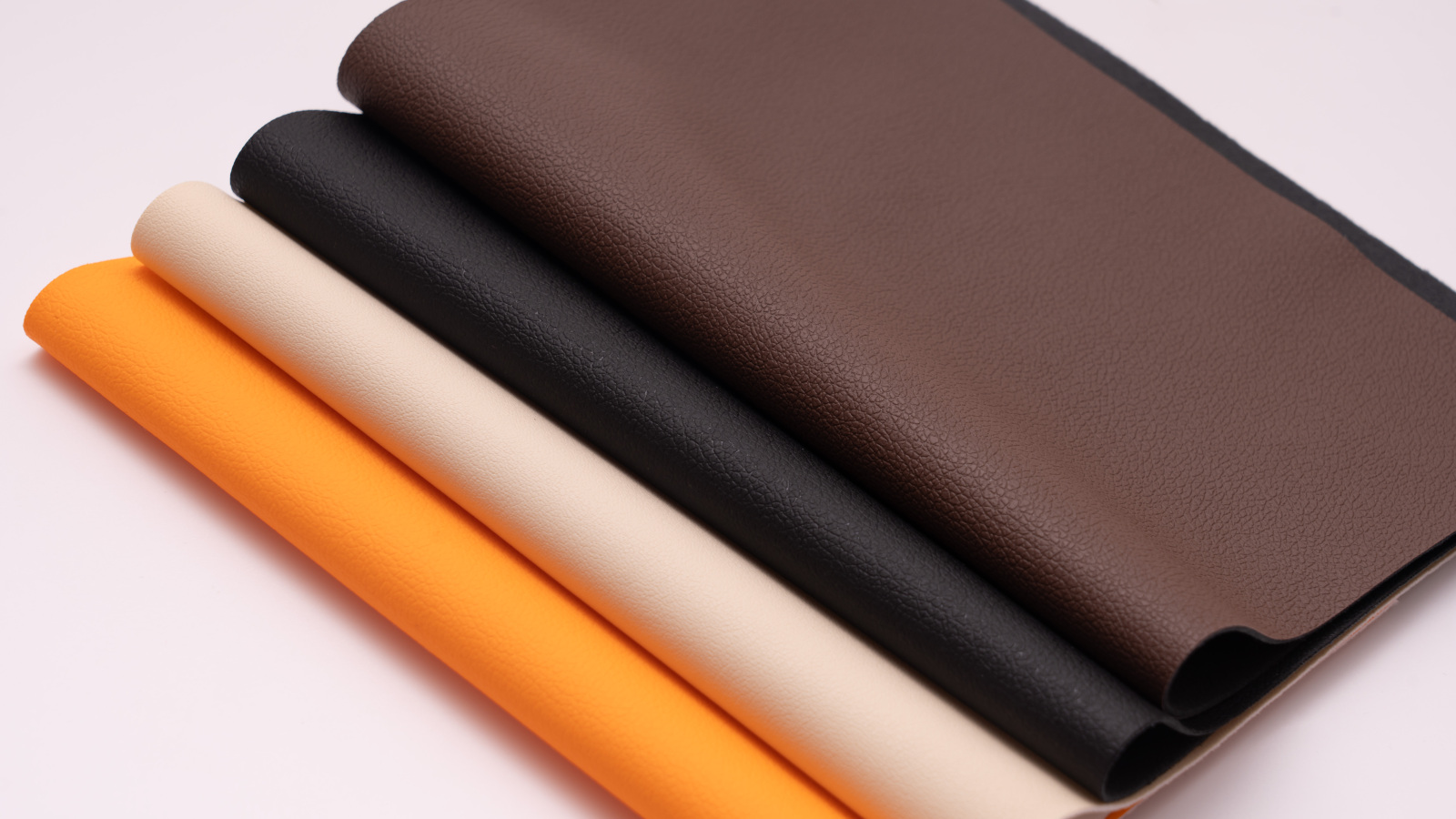
This is the largest consumer market for TPU film, and for good reason. When you lace up a pair of high-performance athletic shoes, the cushioning and upper decoration often rely on TPU. More importantly, when TPU film is laminated with fabric, it creates a waterproof yet breathable barrier that keeps feet dry without causing overheating.
The Numbers: The global demand for athletic footwear continues to rise, with consumers expecting durability. A standard TPU film used in shoe uppers must withstand over 100,000 flexes without cracking.
Professional Solution: Xin Gen Tech provides films with customizable thickness and hardness, ensuring that the flexibility of the upper is never compromised. Our in-house laboratory equipment simulates mass production lines on a 1:1 scale (400mm sample width), allowing us to develop samples that mimic the exact performance of full-scale production. This ensures the bonding strength between the TPU and synthetic leathers is consistent, preventing delamination—the #1 complaint in cheap footwear.
Operational Advice: When sourcing for footwear, do not just test the film’s tensile strength. Request a peel test after the lamination process. Look for a partner that offers fast sampling lead times (like Xin Gen Tech) so your product development cycle doesn’t stall.
2. Protecting High-Value Assets: Automotive and Electronics
The automotive industry uses TPU for interior parts and Paint Protection Film (PPF). A high-quality film resists scratches and stone impacts, significantly improving the vehicle’s durability and resale value. In electronics, the application is even more specialized: screen protectors that self-heal minor scratches and perfectly fit curved screens.
The Challenge: These applications demand absolute optical clarity and dimensional stability. A low-grade film can yellow under UV exposure or fail to adhere to complex curves.
Professional Solution: Xin Gen Tech supplies films that meet stringent international standards (REACH, RoHS, and FDA). For electronics, our TPU films offer the elasticity needed to conform to 3D curved surfaces without lifting. For automotive, the film’s hardness can be tuned to provide a “self-healing” topcoat effect, where minor swirl marks disappear with heat.
Operational Advice: Don’t just check transparency; check “haze.” A haze value under 1% ensures the film is truly clear. In the electronics industry, where reject rates are costly, choose a supplier with stable manufacturing processes—our factory holds ISO 9001:2015 certification, guaranteeing consistent batch-to-batch quality.
3. The Medical Grade Edge: Where Safety Meets Innovation
In the medical industry, TPU is not just a convenience; it is a life-saving material. Medical-grade TPU is used in wound dressings and catheters due to its biocompatibility.
The Data: Medical regulations are the strictest in the manufacturing world. Materials must pass cytotoxicity tests and be certified for skin contact.
Professional Solution: Xin Gen Tech offers TPU films that comply with ISO 10993 biocompatibility standards. Our medical films are designed to be breathable yet impermeable to bacteria, creating an optimal healing environment. At the 2025 Shanghai CMEF exhibition, Xin Gen Tech showcased these innovative medical materials, highlighting their commitment to this high-stakes sector.
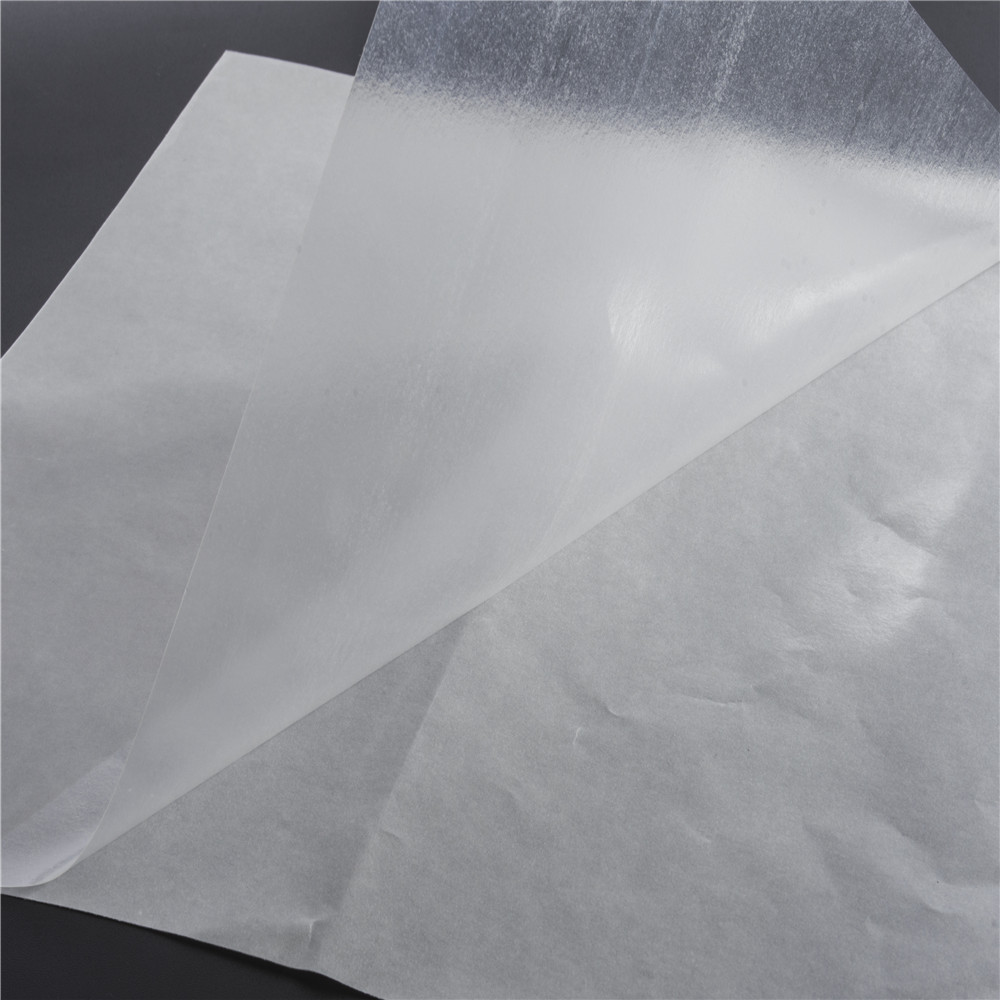
Operational Advice: For medical applications, “sample speed” is critical, but “certification support” is more crucial. Ensure your supplier can provide full documentation (SGS, FDA, EU 10/2011) for your regulatory submissions. Xin Gen Tech’s low sampling cost and professional technical support allow medical device startups to test ideas without huge upfront capital.
4. Case Study: Solving the Bulletproof Glass Challenge in Brazil
To illustrate the technical depth required, consider a recent project with a Brazilian manufacturer. The customer needed a stable adhesion between polycarbonate and glass for bulletproof lamination.
The Problem: Standard EVA films often fail this task, showing poor adhesion to polycarbonate or creating optical distortions (like “orange peel”) that compromise visibility.
The Solution: Xin Gen Tech recommended a high-adhesion TPU film with stable optical clarity. This was not a stock item; it required specific modifications to the polymer blend.
The Result: The film successfully passed the customer’s lamination testing and entered pilot production.
This case highlights a crucial point: professional TPU film is a custom-engineered solution, not a generic commodity.
5. The Real Competitive Advantage: Speed and Laboratory Support
The biggest risk in product development is time. A traditional factory might take weeks to spin up a production line for a test sample. Xin Gen Tech breaks this bottleneck. We have in-house laboratory equipment that closely simulates our mass production lines on a 1:1 basis.
This setup offers immediate, tangible benefits:
Fast Sampling: Sample width of 400mm allows for real-world lamination trials without needing large material quantities.
Low Sampling Cost: You don’t need to pay for a full production run just to test a concept.
Customization: Support for customized thickness, hardness, and functional requirements (like flame retardancy or anti-yellowing).
Operational Advice: Accelerate your project evaluation by engaging with the supplier’s technical team before you finalize your design. Provide them with your substrate materials (e.g., nylon, polyester, metal foil). They can recommend the specific TPU grade that will optimize adhesion to your unique surface.
Conclusion: Selecting the Right Partner
Choosing the right TPU hotmelt adhesive film supplier significantly impacts product quality and time-to-market. In a market dominated by generic manufacturers, specialized companies like Xin Gen Tech provide the technical rigor, regulatory compliance, and rapid prototyping capabilities necessary for success.
Whether you are creating waterproof textiles for outdoor apparel, durable automotive parts, or next-generation medical devices, the “invisible” layer matters. Xin Gen Tech, with its robust R&D center, certified laboratories, and global presence, is equipped to be that strategic partner. When you need a film that performs under pressure, looks flawless to the eye, and adheres perfectly to your substrate, the science of the film is everything—and that science starts in Shanghai.