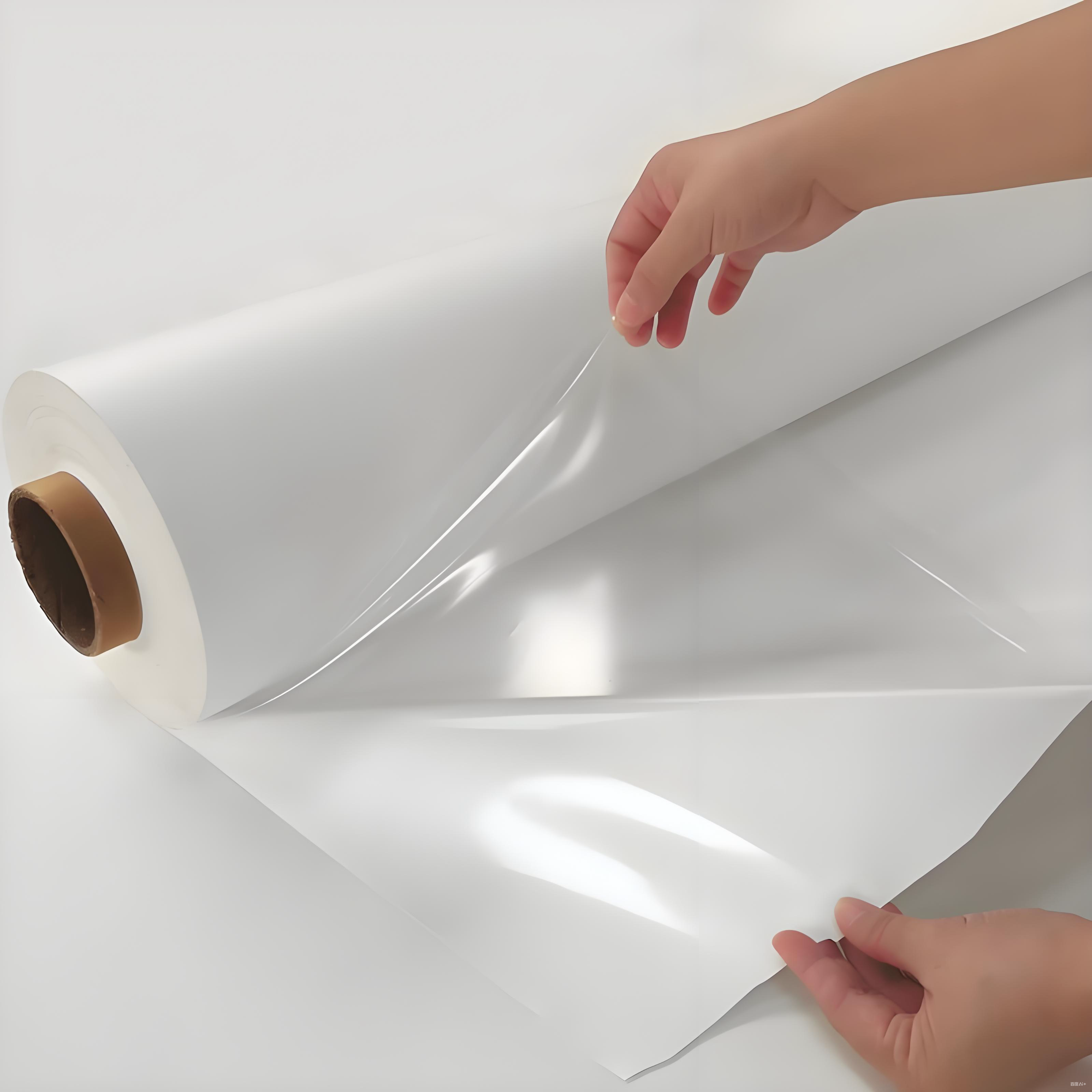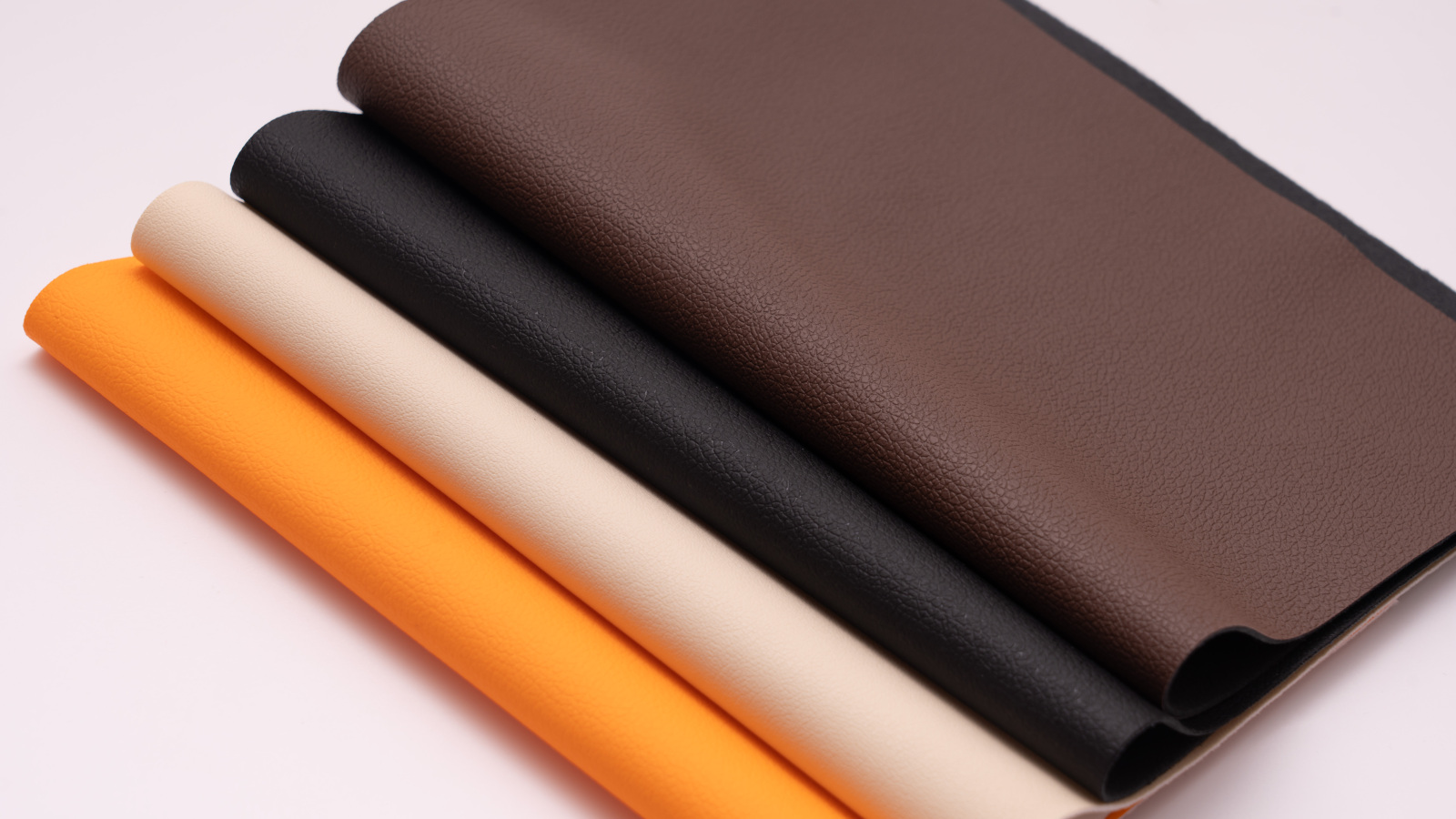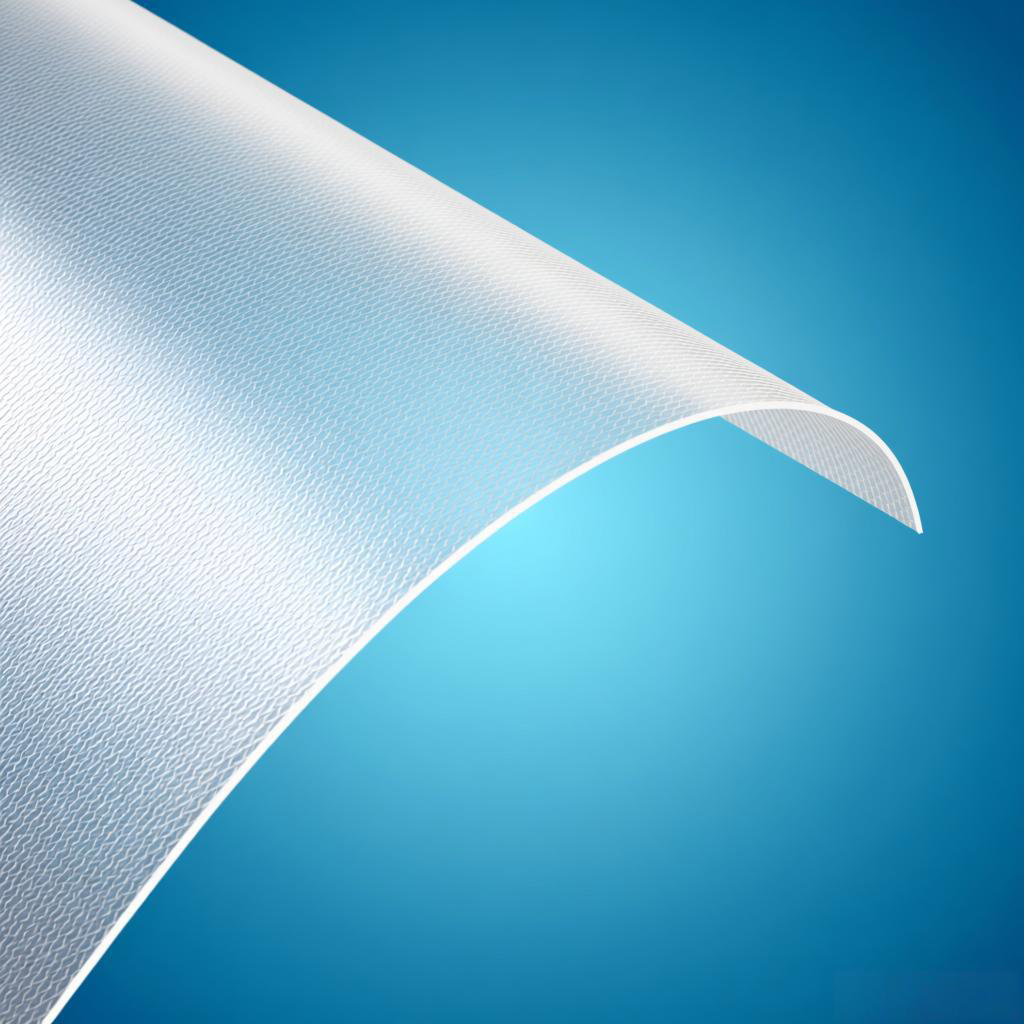

In the world of advanced material lamination, the difference between a successful product launch and a costly recall often comes down to one unsung hero: the hotmelt adhesive film. For over a decade, industries ranging from automotive to medical devices have grappled with a persistent challenge—finding an adhesive that bonds dissimilar substrates without compromising flexibility, clarity, or durability. While many suppliers offer standard polyethylene or polyurethane films, the market has quietly shifted toward a specialized solution: TPU hotmelt adhesive films. And in this niche, Shanghai Xin Gen Tech Co., Ltd. (Xin Gen Tech) has carved out a reputation for something the industry desperately needs—unwavering reliability at every stage of the supply chain.
Here is a grounded, data-driven look at why Xin Gen Tech stands out, the specific applications where TPU adhesive films shine, and the practical steps you can take to evaluate them for your next project.
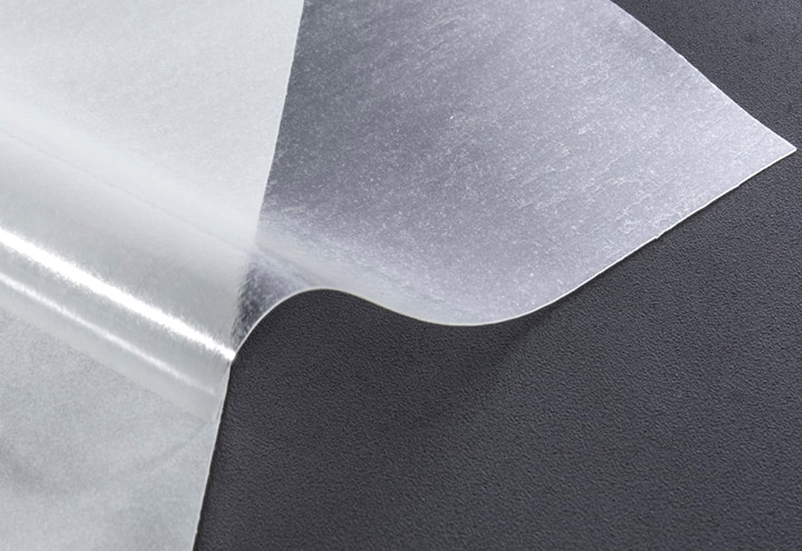
The Core Problem: Consistency Is the Currency of Lamination
If you have ever managed a lamination line, you know the pain points intimately: inconsistent adhesive thickness leading to delamination, hazy films that ruin optical clarity, and batch-to-batch variation that forces you to constantly re-tune your machinery. A 2023 industry report on adhesive film defects noted that up to 18% of production waste in lamination processes stems from poor adhesive flow and thermal stability. This is not a marginal inefficiency—it is a direct hit to your bottom line.
Xin Gen Tech attacks this problem at its root. Unlike traders who resell generic films, Xin Gen operates a 6,000+ square meter R&D and manufacturing facility in Shanghai, established in 2009. Their in-house laboratory equipment is not just for show; it closely simulates their mass production lines on a 1:1 basis. This means when they send you a sample, the results you see in your trials are the results you get at scale. For a production manager, this level of predictability is not a luxury—it is the foundation of a reliable process.
Why TPU Hotmelt Adhesive Film? It’s Not Your Father’s Adhesive
Before diving into specific use cases, let’s clarify why TPU is the superior choice compared to EVA or PA (polyamide) hotmelts.
Exceptional Elasticity & Recovery: TPU films can stretch significantly and return to their original shape, making them ideal for bonding soft materials like textiles and synthetic leather in footwear and apparel. PA films, while strong, are often too stiff for dynamic applications.
Broad Adhesion Spectrum: With the right formulation, TPU binds to polar and non-polar substrates alike—from PET and polycarbonate to glass and metal oxides. This versatility is critical in electronics and automotive lamination.
Hydrolysis Resistance: Standard polymers fail in humid environments. Medical-grade TPU, specifically, resists hydrolysis, ensuring that a catheter or wound dressing doesn’t lose its bond after sterilization or prolonged wear.
Where Xin Gen Tech Delivers Reliable Results: Four Key Verticals
1. Automotive & Paint Protection Film (PPF): Durability Under Fire
The Challenge: Stone chips, bug splatter, and UV exposure destroy unprotected clear coats. The adhesive must be optically transparent and maintain a strong bond to complex curves for over five years.The Xin Gen Approach: Their automotive-grade TPU films are engineered for scratch resistance and stone-impact absorption. Crucially, Xin Gen supports customizing thickness and hardness (Shore hardness scales) to meet OEM specifications.Operational Advice: When evaluating PPF suppliers, ask for the haze value (ASTM D1003). Xin Gen’s lab can provide this data immediately. If the supplier can’t track haze consistency from batch to batch, you will have warranty claims later.
2. Electronics & Wearables: The Self-Healing Edge
The Challenge: Curved screens and foldable devices require a film that conforms to tight radii without air bubbles and can self-heal from minor micro-scratches.The Xin Gen Advantage: Their TPU films for electronics offer excellent conformability, perfectly fitting curved edges—something rigid PET films cannot achieve without folding lines. The material’s elasticity ensures that daily wear and tear does not lead to permanent cosmetic damage.Operational Advice: For wire insulation or wearable device lamination, request samples with a width of 400mm (Xin Gen’s standard sample width). This allows you to run actual production trials on your own rollers, not just coupon testing.
3. Bulletproof Glass & Security Lamination: The High-Stakes Case
The Proof Point: One of Xin Gen’s most compelling case studies comes from Brazil, where a client needed stable adhesion between polycarbonate and glass for bulletproof lamination.
Problem: The customer had faced delamination with previous suppliers due to poor adhesion on the low-surface-energy polycarbonate layer.
Solution: Xin Gen recommended a high-adhesion TPU film with stable optical clarity, specifically designed to bridge the thermal expansion gap between glass and polymer.
Result: The film successfully passed rigorous lamination testing and moved directly into pilot production—a huge vote of confidence in their technical support team.Operational Advice: If you are in security or architectural glass, ask for REACH and EU 10/2011 compliance documents upfront. These are not afterthoughts; they are gatekeepers for international shipping. Xin Gen holds these certifications (along with ISO 9001:2015, OEKO-TEX, SGS, and FDA), so you won’t be left scrambling at customs.
4. Medical Devices: Biocompatibility Cannot Be Approximated
The Challenge: Medical catheters and wound dressings need an adhesive that is breathable yet secure, and above all, non-cytotoxic.The Xin Gen Edge: They offer a dedicated medical-grade TPU line used in wound dressings and catheters, thanks to the material’s inherent biocompatibility. Furthermore, their 2025 presence at the Shanghai CMEF (China Medical Equipment Fair) showcased their move toward innovative medical materials, signaling a long-term commitment to this regulated sector.Operational Advice: Never validate a medical film based on datasheets alone. Xin Gen’s advantage is their fast sampling lead time. You can get a 400mm wide sample quickly to run your own ISO 10993 biocompatibility tests, ensuring the specific plasticizers or additives in their film don’t interfere with your drug formulation or skin contact.
The Reliability Multiplier: Sampling Without The Friction
The biggest risk in switching adhesive suppliers is development time. A promise of “good quality” means nothing if the sampling process takes six weeks. Here is why Xin Gen’s service model stands out:
1:1 Simulation Lab: Their lab machine matches their production line settings. This eliminates the “scale-up failure” that plagues many Chinese manufacturers.
Fast Sampling: For initial testing and lamination trials, their lead time is significantly shorter than industry averages. This is not just about speed—it’s about low sampling cost to your budget.
Technical Support: They don’t just ship film; they provide professional technical support during the sampling process. If the adhesion fails, they work with you to adjust the hardness or thickness rather than blaming your machinery.
My Verdict and Strategic Advice
Having observed the adhesive film market for years, I see too many procurement teams obsess over price per kilogram while ignoring the true cost of inconsistency. A slightly cheaper film that causes a 10% rejection rate on your laminating line is an expensive disaster.
Xin Gen Tech positions itself not as the cheapest option, but as the most risk-averse choice for international buyers.
Three actionable steps before you commit:
Test the Customization: Don’t just ask for a standard film. Ask Xin Gen to adjust the hardness or melting point for your specific fabric or substrate. Their ability to do this quickly is the real test of their R&D capability.
Validate the Certifications: Ensure the specific production batch you order is covered by their OEKO-TEX and SGS certifications. Do not accept a blanket statement—ask for the lot-specific report.
Simulate Your Worst Case: Your process isn’t perfect. Ask Xin Gen how their film performs when temperatures fluctuate during lamination. Their in-house lab can run those simulations with you, de-risking your daily production realities.
In an industry where trust is built on the reliability of every single roll, Xin Gen Tech has built a global footprint (spanning Shanghai, Shenzhen, and Los Angeles) by doing the hard technical work upfront. If you are looking to move beyond sticky-sweet promises and into predictable, certified, and traceable adhesion, put their 400mm sample to the test. The data will speak for itself.