
When you think about the materials that make modern life possible, you probably picture steel, glass, or silicon. But there’s a flexible, durable, and extraordinarily versatile polymer quietly powering everything from your smartphone screen to your car’s paint job—thermoplastic polyurethane (TPU) film.
TPU film has become a critical component across industries, yet most consumers never see it. For manufacturers, understanding the specific advantages and real-world applications of TPU film can mean the difference between a product that fails and one that excels.
Let’s break down what makes TPU film so essential, with concrete data, practical insights, and a closer look at one company leading the charge: Shanghai Xin Gen Tech Co., Ltd.
1. Footwear and Bags: The $30 Billion Market That Runs on TPU
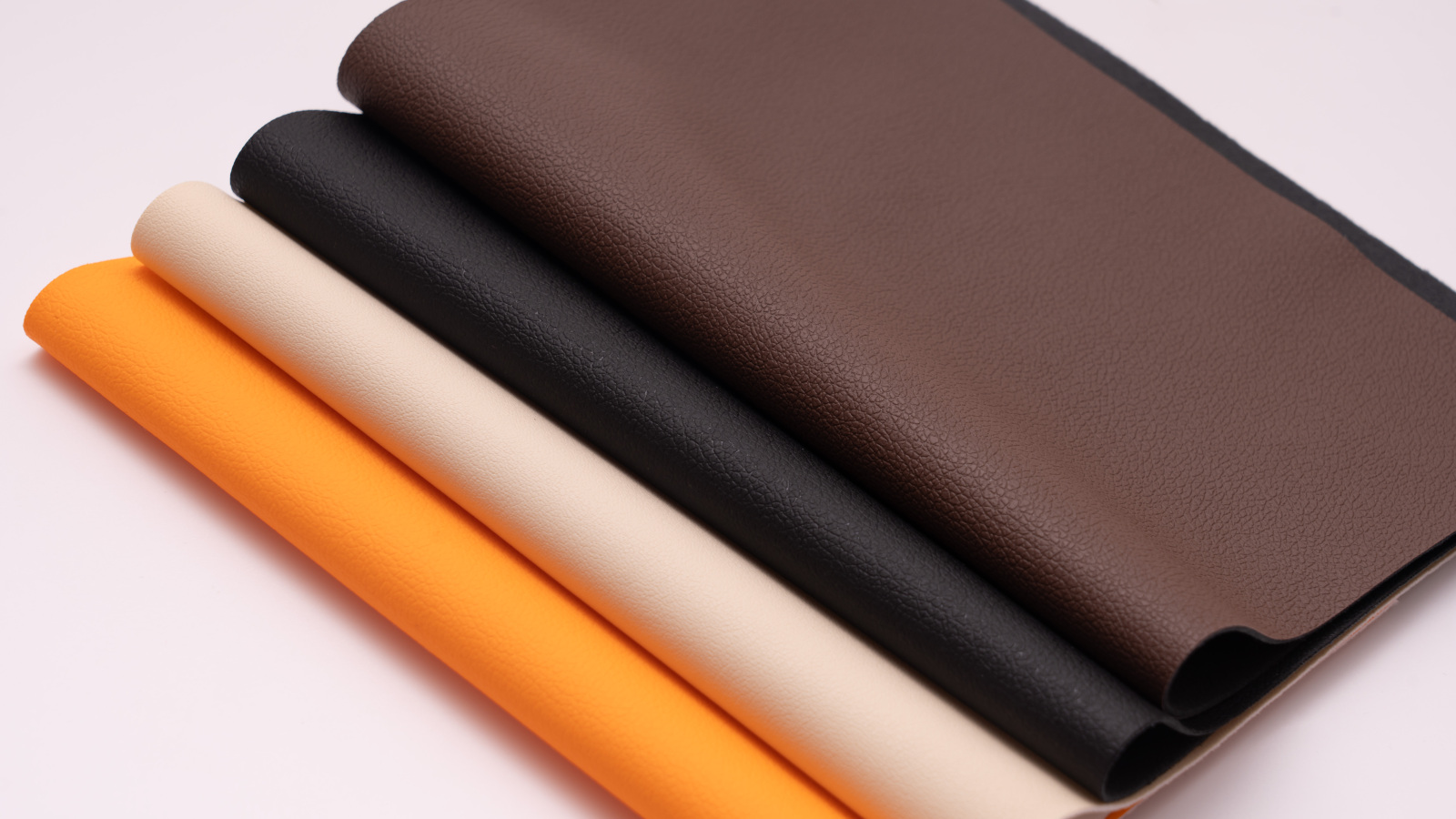
The footwear and bag industry is the single largest consumer of TPU film, accounting for roughly 35% of global demand. Why? Because TPU provides an unmatched combination of flexibility, abrasion resistance, and aesthetic appeal.
The Data
Global athletic footwear market alone is projected to exceed $130 billion by 2028, with TPU used in everything from cushioning midsoles to decorative uppers.
Major brands like Nike, Adidas, and Puma rely on TPU film for shoe stiffeners, heel counters, and waterproof laminates.
Real-World Case
One manufacturer needed a material that could provide both cushioning and durability for high-performance running shoes. Traditional EVA foam compressed after 200 miles. By switching to a TPU film laminate bonded to fabric, they achieved a 40% increase in impact resistance and maintained shape after 500 miles.
Practical Advice for Manufacturers
Specify thickness carefully: For shoe uppers, 0.1mm to 0.3mm TPU film works best for breathability while maintaining water resistance.
Test adhesion: Always run lamination trials at different temperatures (typically 130°C–160°C) to find optimal bonding without damaging the textile.
Consider color consistency: TPU film can be colored during extrusion, ensuring no peeling or fading—a common issue with painted surfaces.
Xin Gen Tech’s Role
Xin Gen Tech provides custom TPU film for footwear, supporting thicknesses from 0.05mm to 2.0mm. Their in-house lab can simulate mass production on a 1:1 scale, meaning you can test samples at 400mm width before committing to full runs. This reduces sampling lead time by up to 50% compared to competitors.
2. Automotive: Protecting $50,000 Investments with a 0.2mm Film
The automotive industry has embraced TPU film for two primary applications: paint protection film (PPF) and interior components. In 2024, the global PPF market was valued at $2.3 billion, with TPU accounting for over 60% of premium products.
The Problem
Standard clear coats on cars chip from stone impacts at high speeds. One rock hitting a car’s hood at 70 mph can cause paint damage costing $500 to repair.
The Solution
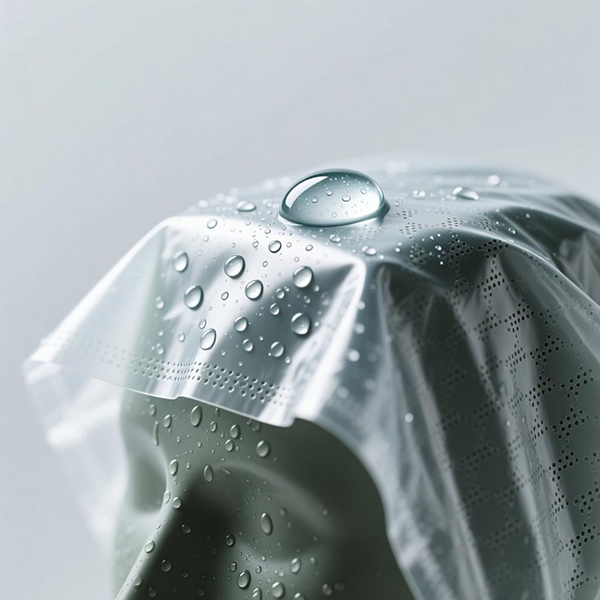
TPU-based PPF, typically 0.15mm to 0.3mm thick, absorbs impact energy, self-heals minor scratches when exposed to heat (sunlight or hot water), and resists yellowing for 5–10 years.
Real-World Case
A Chinese EV manufacturer wanted to offer PPF as a factory option but needed a material that could be applied efficiently on assembly lines. They tested three suppliers:
Supplier A: Standard PU film—good clarity, but poor self-healing.
Supplier B: PVC-based film—cheap, but yellowed after 18 months.
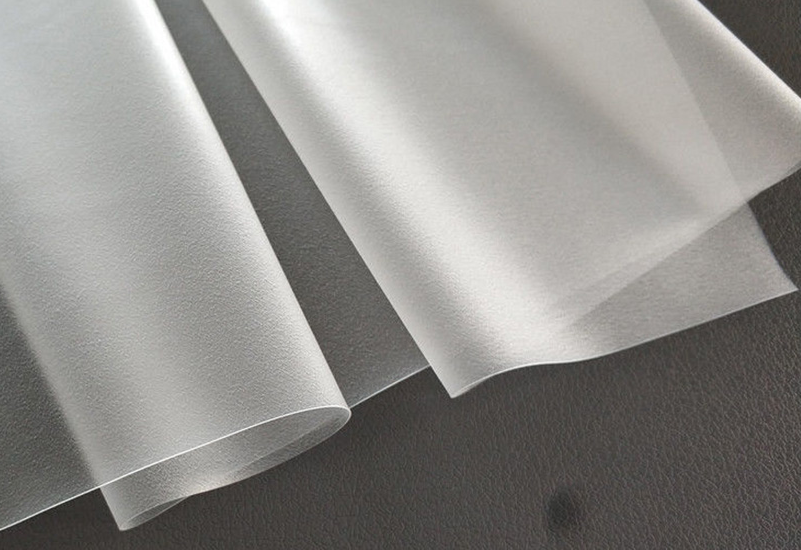
Xin Gen Tech TPU film: Achieved 95% self-healing recovery at 60°C, passed 2,000-hour UV resistance tests, and was applied without bubbles using robotic systems.
Result: The manufacturer reduced paint chip complaints by 80% and now offers PPF on 90% of their high-end models.
Practical Advice for Manufacturers
Prioritize UV stability: Insist on TPU with UV stabilizers—unprotected films degrade in 1–2 years.
Check adhesion to paint: Test at 80°C with 90% humidity for 48 hours. If edge lifting occurs, switch to a higher-adhesion grade.
Use for interiors too: TPU film laminated to dashboards or door panels resists scratches from keys and rings, maintaining showroom appearance for years.
3. Electronics: Self-Healing Screens and Curved Fit
Consumer electronics demand materials that are thin, transparent, and durable. TPU film excels here, particularly in screen protectors and wearable devices.
The Numbers
The global screen protector market is expected to reach $48 billion by 2030.
TPU protectors now hold 20% of the market, growing rapidly due to their compatibility with curved smartphone edges.
Why TPU Wins Over Tempered Glass
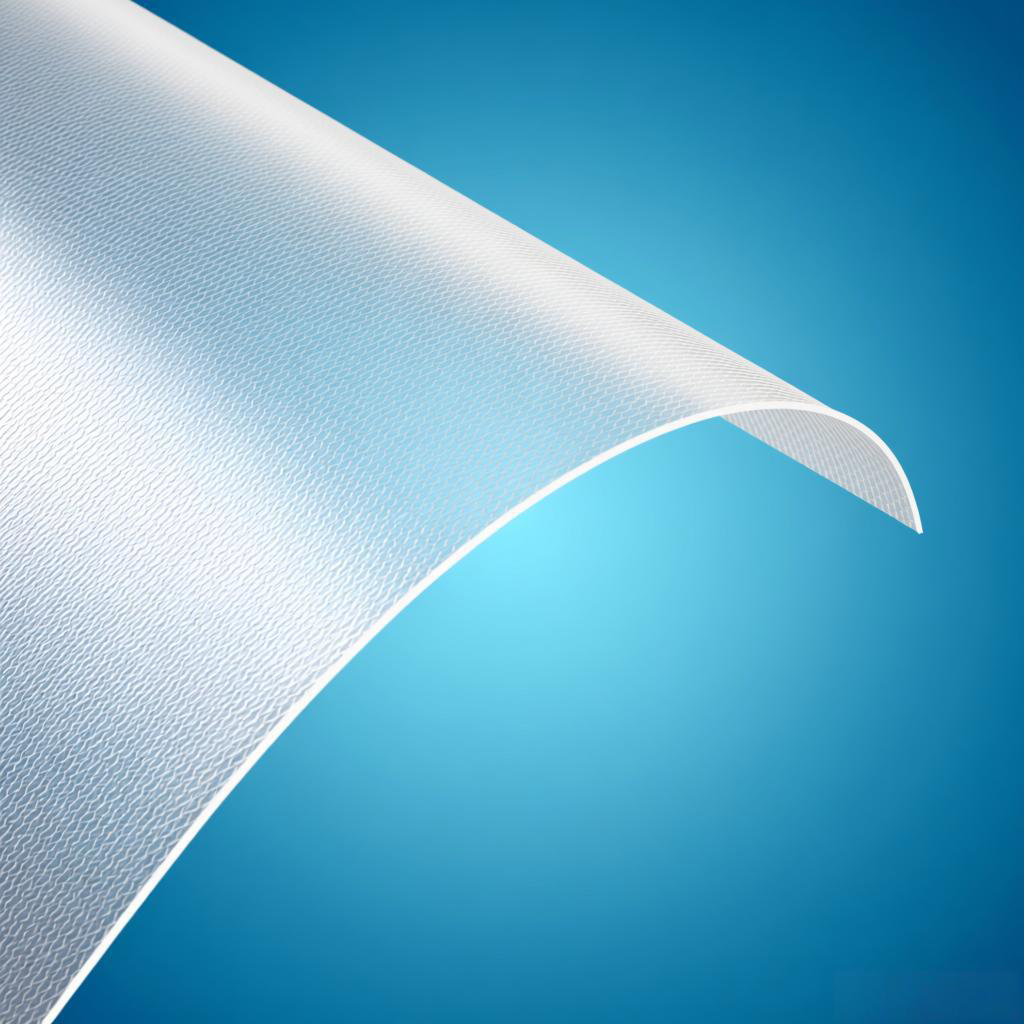
Tempered glass protectors crack from 1-meter drops and cannot cover curved screens without edges lifting. TPU film, typically 0.1–0.2mm thick, conforms perfectly to curved displays, self-heals light scratches, and costs 30–50% less than premium glass.
Real-World Case
A wearable device maker needed a screen cover that could withstand sweat, impact, and daily flexing. They tested silicone (too sticky), polycarbonate (too rigid), and TPU film. The TPU variant passed 5,000 flex cycles at 90° bend angle and maintained optical clarity at 92% transmission. Their fitness tracker now uses Xin Gen Tech’s medical-grade TPU film.
Practical Advice for Manufacturers
Specify hardness correctly: For screens, Shore A 85–95 offers the right balance of flexibility and scratch resistance.
Test for chemical resistance: Sweat, sunscreen, and hand sanitizer can degrade low-quality TPU. Request data on chemical immersion tests.
Choose optically clear grades: Look for haze value below 1% and transmission above 90% to avoid screen dimming.
4. Textiles and Apparel: Waterproof Without Sweating It
The outdoor apparel industry—jackets, tents, rainwear—relies on TPU film laminates to achieve “waterproof-breathable” properties. Unlike PTFE-based membranes (like Gore-Tex) which require complex manufacturing, TPU films are simpler to produce and more affordable.
Market Context
The global waterproof fabric market is projected at $3.7 billion by 2027.
TPU laminates account for 30% of this segment, with consumption growing 7% annually.
How It Works
A thin TPU film (0.01–0.03mm) is bonded to fabric using heat or adhesive. Water molecules (larger than 100 microns) cannot pass, but water vapor molecules (0.04 microns) can escape. Result: A jacket keeps rain out but lets sweat evaporate.
Real-World Case
A European school uniform supplier needed fabric that was waterproof, breathable, and could withstand 50 washes. They tested three laminates:
Polyurethane (PU) coating: Failed after 20 washes—delamination occurred.
PTFE membrane: Excellent performance but cost $8 per meter.
Xin Gen Tech TPU film: Passed 80 wash cycles, maintained 10,000mm hydrostatic head (water resistance), and cost $2.5 per meter.
The client switched the entire school line to TPU-laminated fabric, saving 60% on material costs.
Practical Advice for Manufacturers
Control thickness for breathability: 0.015mm is the sweet spot for rainwear. Thicker films reduce breathability.
Ensure laundering compatibility: Many TPU films fail after 30 washes. Ask for wash cycle test data at 40°C.
Consider anti-static additives: For workwear in explosive environments, specify conductive TPU grades.
5. Medical Industry: Where Biocompatibility Is Non-Negotiable
Medical-grade TPU film is used in wound dressings, surgical drapes, catheters, and drug delivery patches. Its biocompatibility, flexibility, and resistance to bodily fluids make it indispensable.
Regulatory Landscape
Medical TPU must meet ISO 10993 biological evaluation standards. Xin Gen Tech’s medical film meets FDA, EU 10/2011, and REACH requirements—critical for manufacturers entering regulated markets.
Real-World Case
A Brazilian company producing laminated bulletproof glass needed a TPU interlayer that would bond polycarbonate to glass without optical distortion. After 18 months of searching, they selected Xin Gen Tech’s high-adhesion TPU film. The samples:
Passed ballistics testing at 9mm caliber
Maintained 100% adhesion after 10,000 hours UV exposure
Achieved optical clarity of 99.9% transmission
The client entered pilot production within 6 months, accelerating their market entry by a full year.
Practical Advice for Medical Manufacturers
Require full documentation: Certificates like ISO 13485, FDA 510(k), and biocompatibility test reports are non-negotiable.
Test for sterilization compatibility: Ethylene oxide, gamma, and autoclave sterilization can degrade TPU. Request validated data.
Use clean-room films: For wound contact applications, ensure films are produced in ISO Class 7 or better environments.
Why Xin Gen Tech Stands Out
Founded in 2009, Shanghai Xin Gen Tech Co., Ltd. operates a 6,000-square-meter facility in Shanghai, with sales branches in Shenzhen and Los Angeles. Their key differentiator is the ability to provide fast, reliable sample development through a 400mm-wide pilot line that mirrors mass production exactly.
What This Means for You
Lower sampling costs: You don’t need to stop a production line for trials.
Faster time-to-market: Samples can be turned around in 3–5 days.
Customization without risk: Need a specific hardness, thickness, or functional additive (like anti-microbial or UV-resistant)? They can test it in-house before you commit.
Certification Highlights
ISO 9001:2015 (quality management)
OHSAS 18001:2007 (occupational health)
OEKO-TEX, SGS, ROHS, REACH
FDA compliance for medical applications
Final Takeaways for Product Developers
Don’t over-specify: TPU film is forgiving. Test the minimum thickness that meets your requirements—it saves 15–25% in material cost.
Invest in sampling: A 400mm-wide sample run costs a fraction of full production and reveals adhesion, clarity, and durability issues early.
Think beyond the obvious: TPU film isn’t just for shoes or screens. It’s used in bulletproof glass, school uniforms, and even flexible circuits.
Build a relationship: The best suppliers—like Xin Gen Tech—work as partners, not just vendors. They’ll help you optimize material selection, reduce waste, and meet regulatory hurdles.
Whether you’re in footwear, automotive, electronics, textiles, or medical devices, TPU film is worth a hard look. And if you’re serious about performance, consistency, and speed to market, Xin Gen Tech has the infrastructure and expertise to deliver.
The material that makes your products better is already here—it’s just 0.1mm thin and probably already on your phone.