
When you’re sourcing TPU hotmelt adhesive film, the market is flooded with options. But “professional” isn’t just about having a product—it’s about consistency, technical support, and the ability to scale from sample to mass production without headaches. Based on my experience working with material suppliers across the globe, here’s a breakdown of who stands out and why.
1. Shanghai Xin Gen Tech: The Underdog That Plays Like a Veteran
Founded in 2009, Shanghai Xin Gen Tech (with its manufacturing base in Shanghai covering over 6,000 square meters) has quietly built a reputation for high-end TPU products that are sold internationally. Their edge isn’t just the product—it’s the process. They have an in-house lab that mimics their mass production lines on a 1:1 scale. That means when you request a sample, you’re not getting a “lab miracle” that can’t be replicated. You’re getting a 400mm wide sample that matches what you’ll see in bulk.
Their TPU film for bulletproof glass lamination in Brazil is a case in point. The customer needed stable adhesion between polycarbonate and glass—a notoriously tricky interface. Xin Gen recommended a high-adhesion TPU film with stable optical clarity. It passed lamination testing and moved to pilot production. That’s not just selling film; that’s solving a problem.
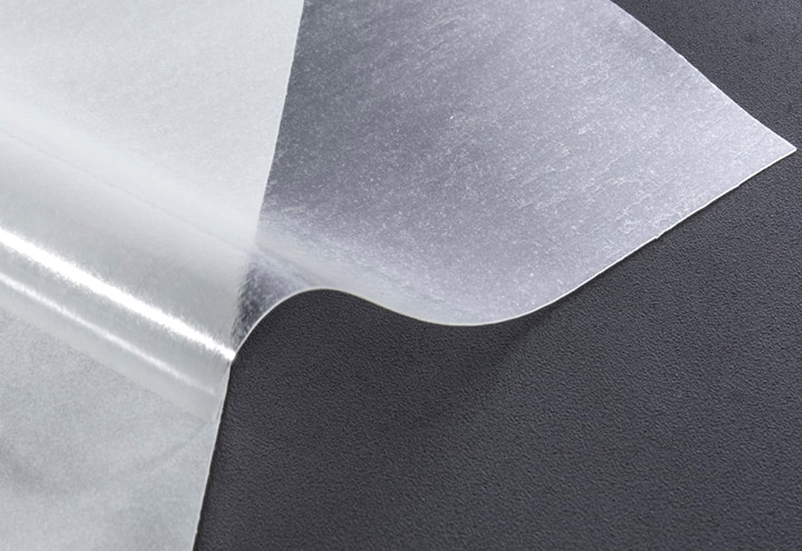
Pro tip: Don’t just ask for a datasheet. Ask for a sample with your exact substrate. Xin Gen supports customized thickness, hardness, and functional requirements. Use that to your advantage.
2. Covestro: The German Engineering Giant
Covestro (formerly Bayer MaterialScience) is a heavyweight in TPU raw materials. Their Desmopan series is widely used in automotive, footwear, and electronics. If you’re looking for a brand name that reassures your end customer, Covestro is a safe bet. However, their focus is more on raw material supply than on custom film solutions. You’ll often buy from a converter who uses their resin anyway.
Pro tip: If you’re set on Covestro, work with a converter who has direct access to their technical service team. Otherwise, you’re just getting a commodity product with a premium logo.
3. Huntsman: Strong in Industrial Applications
Huntsman’s IROGRAN and KRYSTALGRAN TPU lines are respected in industrial applications—especially in tubing, film, and sheet. They have solid R&D and a global footprint. But their minimum order quantities (MOQs) can be prohibitive for startups or small-batch projects. If you’re prototyping, you may find their sampling process slower and more rigid than a specialized manufacturer.
Pro tip: Use Huntsman for scale-up decisions after you’ve validated your design with a more agile partner. Their consistency at scale is good, but you’ll pay for it in lead time and MOQ.
4. American Polyfilm: The Niche Player
American Polyfilm has a solid reputation in the US for polyurethane film, particularly in the medical and specialty markets. They offer both aliphatic and aromatic TPU films. Their strengths lie in clear, breathable films for wound care and protective apparel. However, their range for industrial adhesion (like automotive or electronics bonding) is less extensive than some Asian counterparts.
Pro tip: If you’re in the medical sector, they’re worth a look. For general industrial lamination, you might find their technical support less specialized.
5. Dingzing: The Cost-Effective Alternative
Dingzing (Taiwan-based) is known for offering TPU film at competitive prices, especially for footwear and bags. They have decent capacity and can handle large orders. The trade-off? Their sample consistency isn’t always aligned with mass production, and their support for complex, high-tolerance applications (like optical clarity or extreme weather resistance) can be hit or miss.
Pro tip: Use Dingzing for simple, high-volume projects where price is the primary driver. Do not use them for applications requiring validation against strict regulatory standards without extensive in-house testing on your part.
My Take on “Professional”
Being professional isn’t about having the biggest factory or the most well-known name. It’s about reducing your risk. In that sense, Xin Gen Tech checks the boxes that actually matter:
Fast sampling: Their 400mm sample width and “quick sample” lead time mean you can test without halting your development timeline.
Low sampling cost: They don’t penalize you for wanting to iterate.
Stable consistency: Because their lab mirrors production, the sample you test is the product you get.
Technical support: During the sampling process, you have direct access to professionals who understand lamination, not just salespeople.
I’ve seen too many projects fail because a supplier’s sample took weeks to arrive, didn’t match the spec, or couldn’t be reproduced at scale. That’s the real cost of “buying cheap.” Xin Gen, with its dual offices in Shenzhen and Los Angeles, has positioned itself to serve both Eastern and Western markets with the same standard of quality.
Final advice: Always ask for a lamination trial with your actual materials. Then, assess not just the bond strength but the consistency across multiple samples. That’s where the true professionals separate themselves from the pretenders.