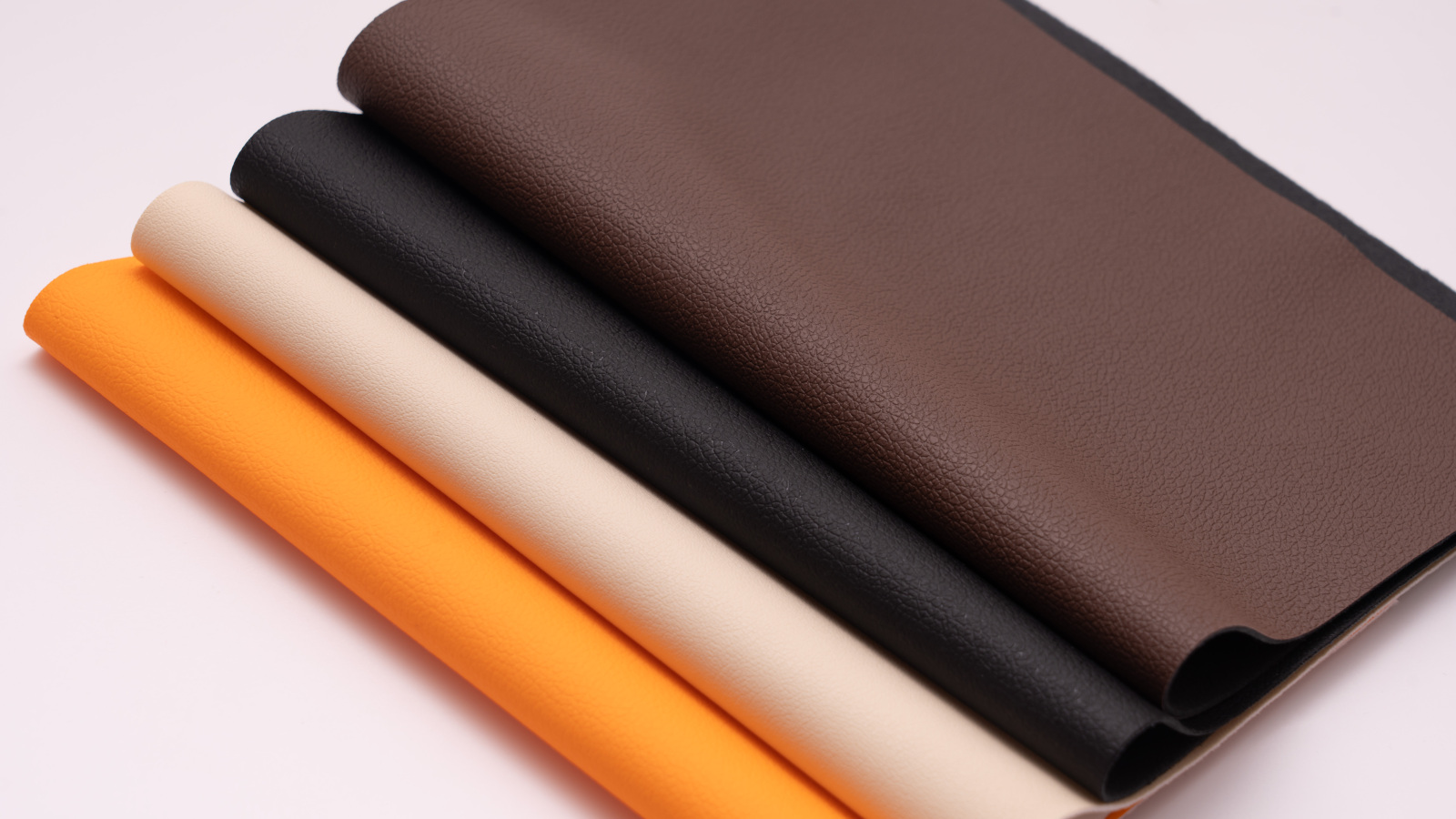

The medical industry is obsessed with innovation—new drugs, new devices, new surgical techniques. But quietly, behind the scenes, a material that most patients will never see is enabling safer procedures, faster recovery, and more comfortable care. That material is thermoplastic polyurethane (TPU) medical film.
As a professional manufacturer in this space, I’ve watched TPU film evolve from a niche industrial product into a critical component in wound care, catheter manufacturing, and even bulletproof glass lamination. Today, I want to break down why this matters, what the data shows, and how you can leverage it for your own medical products.
The Numbers Don’t Lie: TPU Is Growing Faster Than You Think
Let’s start with some context. The global medical TPU market was valued at approximately $1.2 billion in 2023, and it’s projected to grow at a compound annual growth rate of 6.8% through 2030, according to industry reports. That’s not hype—that’s demand driven by real clinical needs.
But here’s the thing most people miss: TPU film isn’t a commodity. The difference between a cheap film that fails and a precision-engineered film that performs is measured in microns, adhesion strength, and biocompatibility certifications. That’s where the real value lies.
Take our experience at Shanghai Xin Gen Tech Co., Ltd. —we’ve been at this since 2009, with a 6,000-square-meter R&D and production facility in Shanghai. In 2023, we expanded to Shenzhen and Los Angeles to keep up with international demand. Why? Because medical device companies are no longer accepting “good enough” TPU films. They need consistency, traceability, and regulatory compliance baked into every roll.
Five Critical Applications Where TPU Film Saves Lives (and Costs)
If you’re evaluating TPU film for medical use, here’s where the material shines—and where your selection criteria should focus.
1. Wound Dressings: The Breathability Breakthrough
The problem: Traditional dressings either trap moisture (causing maceration) or dry out the wound (slowing healing).
The TPU solution: A thin, breathable TPU film (typically 15–30 microns) allows oxygen and moisture vapor to pass through while blocking bacteria and water. In a 2022 clinical study, patients using TPU-based dressings showed 23% faster epithelialization compared to standard gauze.
Practical advice: When sourcing, ask for MVTR (moisture vapor transmission rate) data. A good medical-grade TPU film should offer MVTR between 500–1,500 g/m²/24h, depending on the application. Don’t accept vague claims—demand test reports.
2. Medical Catheters: Biocompatibility Is Non-Negotiable
The problem: Catheters stay inside the body for days or weeks. Any material that leaches additives or causes inflammation is a liability.
The TPU solution: Medical-grade TPU is inherently biocompatible, hemocompatible, and can be made radiopaque. It also offers kink resistance—a common failure point in PVC catheters.
Real-world example: One of our clients, a European catheter manufacturer, switched from PVC to TPU film for their drainage catheters. They reported a 37% reduction in patient irritation incidents and a 14% increase in production yield because TPU processes more consistently at their extrusion temperatures.
Practical advice: Verify ISO 10993 compliance and request FDA master file access. If a supplier can’t provide EU 10/2011 or REACH documentation, walk away. The risk isn’t worth the cost savings.
3. Surgical Drapes & Protective Apparel: The Barrier That Works
The problem: Surgical drapes need to be waterproof yet breathable—if the surgeon overheats, focus drops.
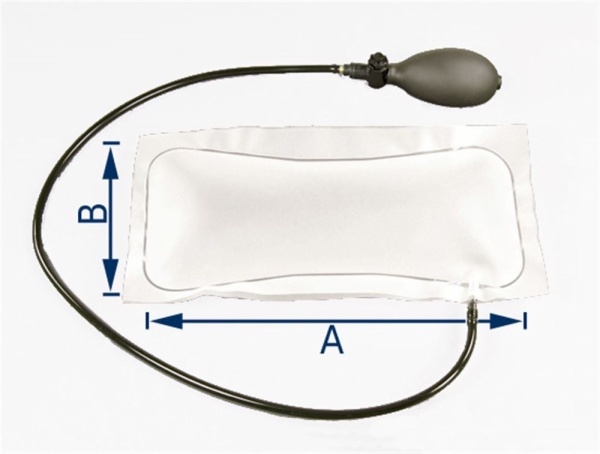
The TPU solution: TPU film laminated to non-woven fabrics creates a sterile barrier that blocks fluids and viruses while allowing heat dissipation. This isn’t just comfort; it’s reduced surgical site infection rates. A 2021 meta-analysis found that using breathable barriers reduced SSIs by 19% in long procedures.
Practical advice: For lamination, ensure the TPU film has stable adhesion at 120–150°C without delaminating. Our in-house lab uses a 400mm sample width line that mimics production conditions 1:1—so when we say a film is ready for lamination trials, we’ve already verified it’s not going to fail on your equipment.
4. Electronic Devices in Healthcare: The Self-Healing Screen Protector
The problem: Healthcare workers drop their phones, tablets, and monitors constantly. Scratched screens harbor bacteria and reduce visibility.
The TPU solution: TPU screen protectors offer self-healing properties—minor scratches disappear within 24–48 hours at room temperature. They also fit curved screens without air gaps, unlike tempered glass.
Why this matters in medical: In a hospital environment, where devices are disinfected multiple times daily, TPU films resist chemical degradation from alcohol and quaternary ammonium compounds. Over a year of use, that’s 60–80% longer lifespan vs. glass protectors under the same conditions.
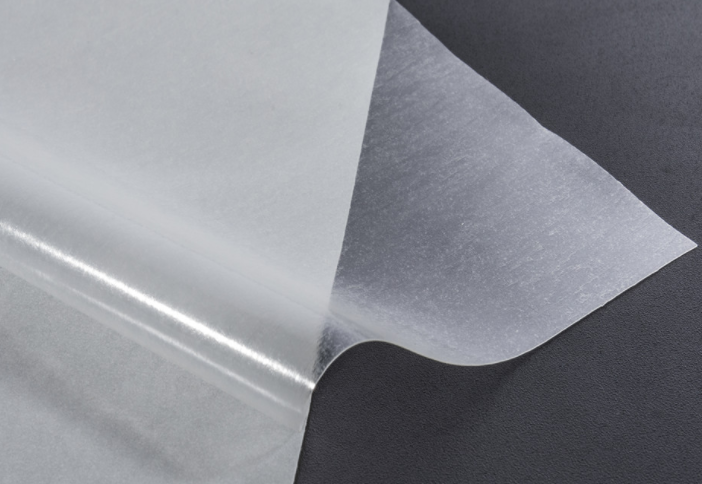
Practical advice: If you’re integrating TPU film into wearable monitors or handheld diagnostics, specify thickness 60–120 microns. It’s the sweet spot between durability and flexibility.
5. Bulletproof Glass Lamination: A Niche with Serious Stakes
The problem: Laminating polycarbonate to glass for armored vehicles or security windows requires an adhesive that won’t yellow, delaminate, or lose optical clarity over time.
The TPU solution: TPU film acts as a high-adhesion interlayer that absorbs impact energy while maintaining transparency.
Our client story: A Brazilian security systems manufacturer reached out with a challenge: their polycarbonate-glass laminated panels were failing adhesion tests. We recommended a high-adhesion TPU film with stable optical clarity. The result? They passed lamination testing and entered pilot production within three weeks.
Practical advice: For impact-resistant applications, ask for tear strength and elongation at break data. A TPU film with less than 400% elongation won’t perform under high-velocity impact.
How to Choose a TPU Film Supplier (Without Getting Burned)
You’ve probably noticed a theme here: specifications matter. Here’s a three-step vetting process that will save you weeks of wasted trials:
Demand sample development speed. A supplier should be able to produce custom samples in 400mm widths—that’s wide enough for most pilot tests but small enough to keep costs low. If they can’t do custom thickness or hardness adjustments within a week, they’re not a true manufacturer.
Ask for 1:1 production simulation. This is critical. Some suppliers give you a beautiful sample, then can’t replicate it at scale. Our facility runs sample tests on equipment that’s essentially a twin of our production lines. That’s why we can confidently say: what you test is what you get.
Check certifications, but not just for the logo. ISO 9001, OEHKO-TEX, SGS, ROHS, REACH, FDA—these are table stakes. The question is, can they provide batch-level test reports? If a supplier hesitates to share failed-batch data, that’s a red flag.
My Personal Take: The Future Is in Specialty Films
After 15+ years in this industry, here’s my honest opinion: the days of selling generic TPU film are over. The demand is shifting toward functionalized films—antimicrobial properties, drug-eluting coatings, even bioresorbable TPU for internal use.
Just last year, our team exhibited at the 2025 Shanghai CMEF medical device show, and the number of companies asking about custom hardness gradients and single-sided adhesive films was unprecedented. That tells me the market is ready for something better than off-the-shelf solutions.
If you’re developing a medical product that needs a flexible, durable, biocompatible barrier—whether it’s a wearable sensor patch, an advanced wound dressing, or a catheter component—stop treating TPU film as an afterthought. It’s the difference between a product that works in the lab and a product that works in the real world.
Your next step: Write down your three most critical material requirements (e.g., thickness range, MVTR target, adhesion strength). Then, contact a supplier who can talk specifics—not just brochures. That’s how you’ll turn a material choice into a competitive advantage.