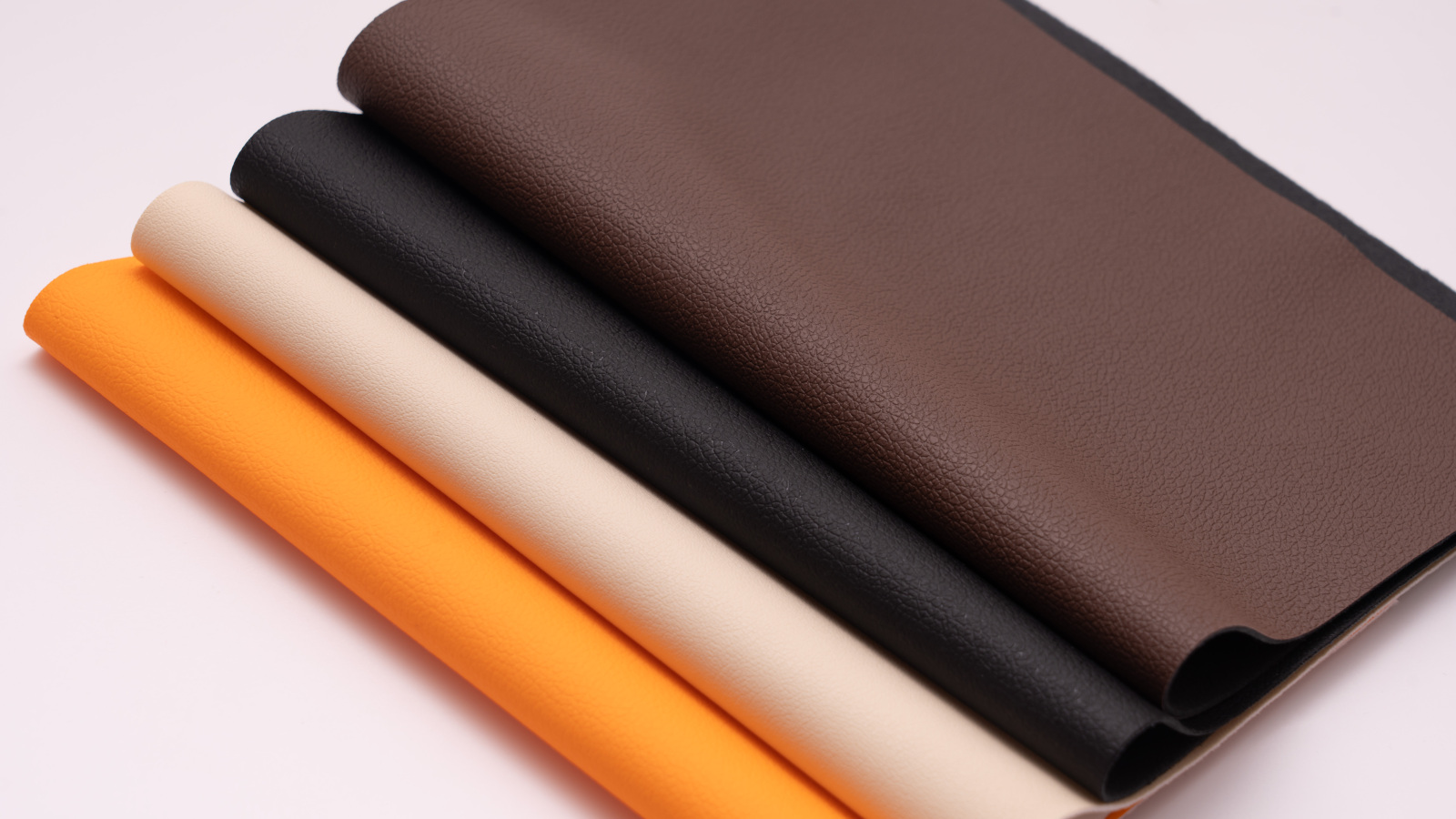

The medical industry demands precision, safety, and reliability. When it comes to materials like TPU (Thermoplastic Polyurethane) films, the margin for error is razor-thin. For procurement managers and R&D engineers, choosing a trusted factory partner isn’t just a supply chain decision—it’s a risk management strategy.
The global medical device market is projected to reach over $600 billion by 2030, and advanced materials like TPU films are critical components in wound care, catheters, and surgical drapes. But not all TPU films are created equal. The difference lies in the factory behind the product.
The Hidden Cost of Substandard TPU Film
Let’s talk about what actually happens when you cut corners on TPU film sourcing. A leading medical device manufacturer in Europe recently shared that they lost 23% of their production batch due to inconsistent film adhesion—a problem traced back to an unverified supplier. The cost wasn’t just in raw materials; it included downtime, revalidation, and delayed product launches.
Meanwhile, medical-grade TPU film is used in applications like wound dressings that require breathability, biocompatibility, and consistent mechanical strength. According to industry audits, non-compliant films can lead to failure rates of up to 8% in stress tests, compared to less than 0.5% for certified medical grades.
Operational advice: Always request third-party certifications (ISO 10993, REACH) and ask for batch-specific test data. A factory that cannot provide traceable quality records is not a factory—it’s a gamble.
Key Criteria for Selecting a Trusted TPU Film Factory
1. In-House R&D and 1:1 Production Simulation
Not all factories are equipped to handle the nuance of medical-grade TPU. A trusted partner like Shanghai Xin Gen Tech Co., Ltd. (Xin Gen Tech) operates a 6,000-square-meter facility in Shanghai with in-house laboratory equipment that closely simulates mass production lines on a 1:1 basis.
This matters because sample consistency is the #1 pain point in material development. Many suppliers give you hand-cast samples that perform well in testing but fail in actual production due to differences in lamination temperature or cooling rates.
At Xin Gen Tech, sample width is 400mm, allowing for direct transfer to pilot lines. The benefit? Fast sampling lead times, low costs, and stable quality—which translates to a shorter development cycle for your medical device.
Operational advice: Ask potential suppliers if their samples are produced on the same line that will handle mass production. If the answer is no, you are already looking at a potential failure point.
2. Certification Compliance: Your Safety Net
The medical industry is governed by strict regulations. Films used in wound dressings, for instance, must be biocompatible and non-cytotoxic. Trusted factories should hold ISO 9001:2015 and OHSAS 18001:2007 for production safety, plus product certifications like OEKO-TEX, SGS, ROHS, REACH, and FDA.
More importantly, for medical applications, compliance with EU 10/2011 (plastic materials in contact with food) and ISO 10993 (biological evaluation) is non-negotiable. A factory that has these certifications demonstrates a commitment to consistency and traceability—they aren’t just meeting standards; they are auditing their own processes continuously.
In 2023, Xin Gen Tech established sales branches in Shenzhen and Los Angeles, further strengthening its global support network. This means you get localized responsiveness without compromising on the factory-side quality control.
Operational advice: Do not rely on a single certification. Cross-check expiry dates and ask for the certification body’s audit report. A trusted factory will be transparent about audit findings.
3. Application-Specific Expertise
TPU films are not a one-size-fits-all solution. The requirements for a bulletproof glass lamination film are drastically different from a medical catheter sleeve. A trusted factory should have a deep understanding of your specific application.
Consider a case study from Brazil: A client needed TPU film for bulletproof glass lamination, requiring stable adhesion between polycarbonate and glass. One generic supplier provided a standard film that delaminated within weeks. Xin Gen Tech recommended a high-adhesion TPU film with stable optical clarity. The result? The film passed lamination testing successfully and entered pilot production.
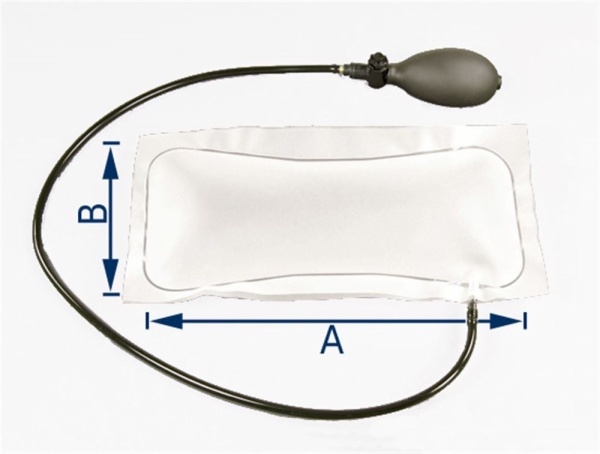
Now apply this logic to medical devices: you need films that can resist sterilization processes, maintain flexibility at body temperature, and not leach plasticizers. Factories with diversified expertise (from automotive to medical) can cross-pollinate ideas and offer materials that have already survived harsh environments.
Operational advice: Ask for case studies in your vertical. If a factory claims medical expertise, ask to see their portfolio for wound dressing or catheter applications. If they can’t show it, they probably don’t have it.
4. Speed from Sample to Production
Time-to-market is a critical metric in medical devices. Delays in material approval can push a product launch by months, leading to millions in lost revenue. A trusted factory streamlines this process.
Xin Gen Tech’s efficient sampling system is designed to shorten development time. With sample widths of 400mm and professional technical support during the sampling process, they facilitate initial testing, lamination trials, and product development quickly.
This is a direct contrast to suppliers who may take 4-6 weeks for a sample batch and charge premium rates for small quantities. The philosophy is simple: if you make sampling easy, you win the production order. And for the buyer, this reduces friction significantly.
Operational advice: Set a performance KPI for your supply chain partner. For example, request samples within 5 business days and a full technical data sheet within 48 hours. This sets the tone for the entire relationship.
Why Xin Gen Tech Stands Out
Headquartered in Shanghai with a factory established in 2009, Xin Gen Eco-Technologies (Shenzhen) Co., Ltd. operates under Shanghai Xin Gen Tech Co., Ltd. Their medical-grade TPU films are used in wound dressings and medical catheters, where biocompatibility is a given requirement, not a luxury.
The factory also maintains a dedicated product laboratory to ensure quality. And in 2025, they appeared at the Shanghai CMEF exhibition, showcasing innovative medical materials that align with future trends.
However, it’s important to compare objectively. Other players like Covestro and Lubrizol offer excellent raw materials, but their TPU film production may be secondary to their chemical manufacturing. You might get a great pellet but a mediocre film. Similarly, smaller specialty film houses may offer customization but lack the scale for large medical contracts. Xin Gen Tech balances both—having the production capacity (6,000 sqm) and the flexibility to customize (thickness, hardness, functionality).

The Final Takeaway
Your choice of a TPU film factory directly impacts your product’s safety profile, regulatory approval speed, and bottom line. By prioritizing partners with in-house R&D, 1:1 simulation capabilities, and verifiable certifications, you are de-risking your entire product lifecycle.
Don’t learn the hard way. The factory that protects your brand is the one that is transparent, responsive, and certified—from the first sample to the millionth unit.